
Top Soya Sauce Brands in India You Must Try
What makes soya sauce special is its universality. Whether it’s Kikkoman’s centuries-old Japanese tradition or an Indian brand brewing under local sunshine, the process celebrates patience and craftsmanship.

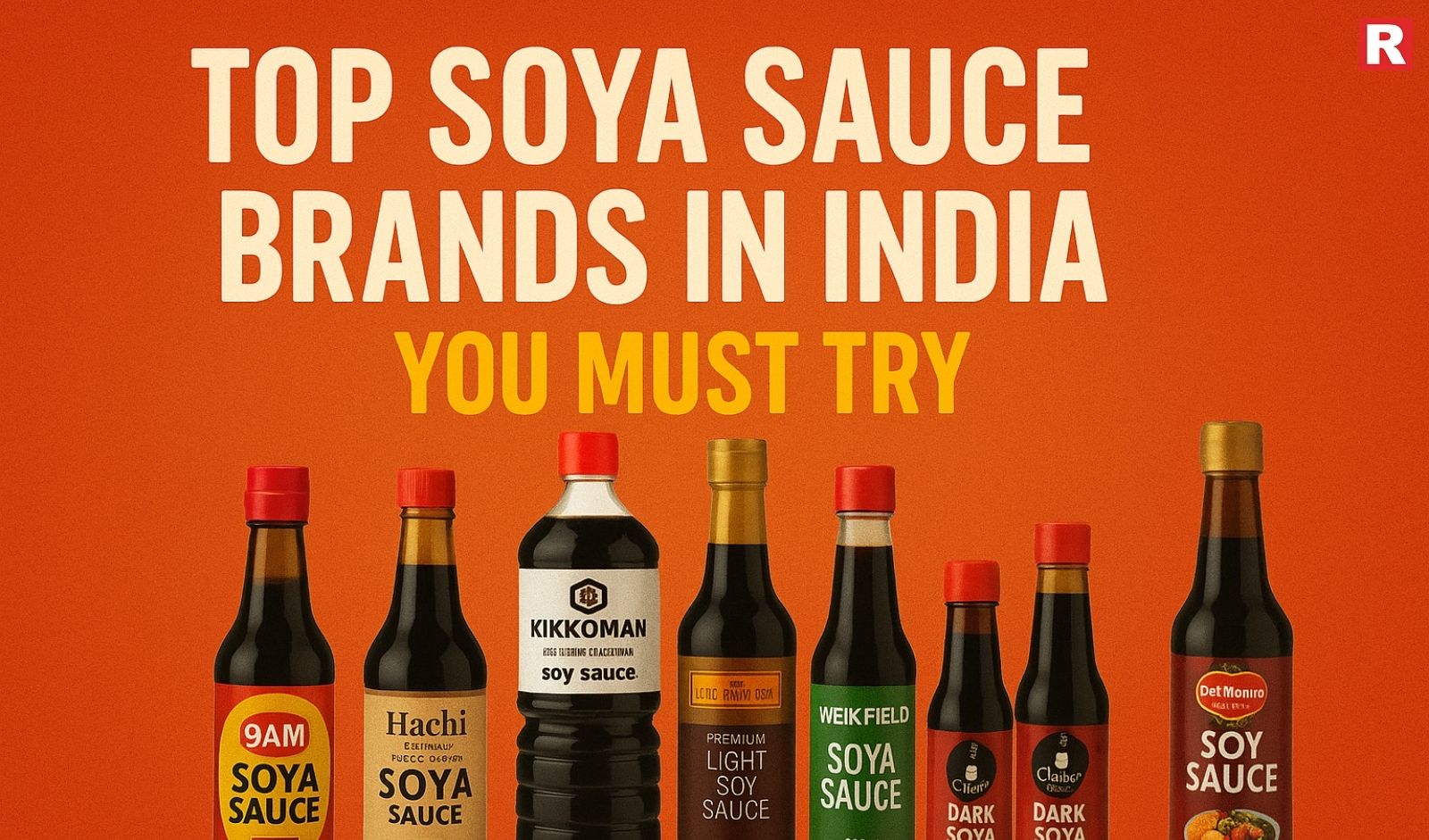
Soya sauce is more than a kitchen condiment — it’s a flavour booster that adds depth and balance to your food. From fried rice to noodles and stir-fried vegetables, a few drops of this rich, dark liquid can completely transform a dish. As more Indian homes experiment with Asian and fusion cooking, the demand for good-quality soya sauce is rising fast. Soya sauce is made by fermenting soybeans, wheat, water, and salt. It delivers umami — the fifth taste that makes dishes rich and satisfying. In India, it’s a key ingredient in Indo-Chinese dishes like Hakka noodles, chilli paneer, fried rice, and momos.
Beyond restaurants, home chefs now use it to season stir-fried vegetables, marinades, soups, and even salad dressings. The best part? A little goes a long way. This guide explores the top soya sauce brands available in India, what makes them special, and how to pick the one that fits your cooking style.
India’s Growing Love for Soya Sauce
The Indian soya sauce market has been expanding steadily. According to Expert Market Research, this growth is driven by rising exposure to Asian cuisine, the popularity of quick-service restaurants, and more Indians cooking global recipes at home. Brands are responding with both imported and locally made options — from Japanese heritage sauces to Indian-made naturally brewed versions. With choices for every budget, the market now caters to both premium and everyday users.
What to Look for in a Good Soya Sauce
Before we explore the best brands, it helps to understand what separates a high-quality soya sauce from the rest.
- Natural Brewing vs. Chemical Process: Naturally brewed sauces are fermented over months, giving them a deep, balanced flavour. Chemical sauces are faster to make but often lack depth. Kikkoman, for example, uses a traditional fermentation process called Honjozo that has been refined over 350 years.
- Ingredients: Check for minimal ingredients — water, soybeans, wheat, and salt are ideal. Avoid sauces with artificial colours or excess flavour enhancers.
- Light vs. Dark Soya Sauce: Light soya sauce enhances flavour without changing colour. Dark soya sauce is thicker and gives a deep brown tone to food. In India, both are widely used depending on the dish.
- Versatility: A good sauce should work across stir-fries, marinades, dips, and dressings.
- Health Options: Low-sodium and preservative-free varieties are now available for health-conscious consumers.
Top Soya Sauce Brands in India
1. Kikkoman
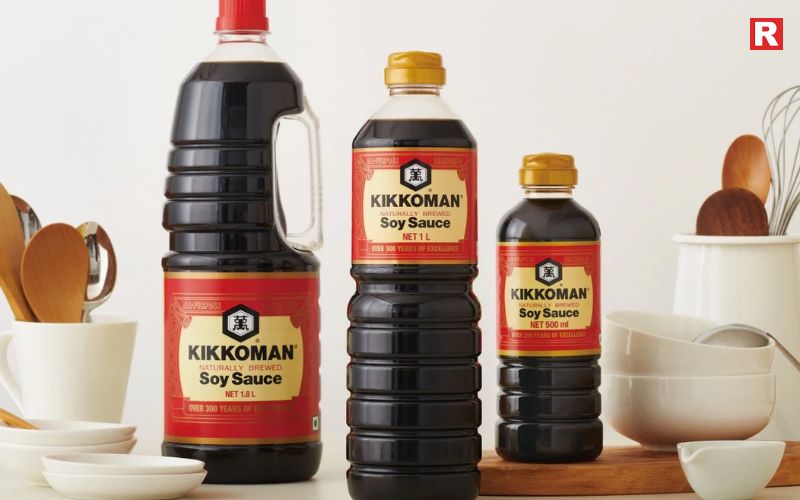
Kikkoman is one of the world’s oldest and most trusted soy sauce brands. Originating from Japan with a history of over 350 years, it entered the Indian market in 2021. Known for its pure brewing process, it uses only four ingredients — water, soybeans, wheat, and salt. The result is a clean, balanced flavour that enhances everything from soups to stir-fries. Recently, Kikkoman launched a Dark Soy Sauce crafted specially for Indian kitchens, developed after four years of research. This variant adds a deeper colour to dishes while maintaining natural umami. The brand’s global reputation, consistency, and smooth flavour make it a premium choice for chefs and home cooks alike.
- Best for: Those who love authentic Japanese flavour and natural brewing.
- Pro tip: Use the light version for seasoning and the dark one for glossy noodles or fried rice.
Read more: 8 Famous Vegetarian Dishes of Uttar Pradesh and Their Timeless Legacy
What is Kimchi? Top Veg Kimchi You Can Try at Home
2. Lee Kum Kee
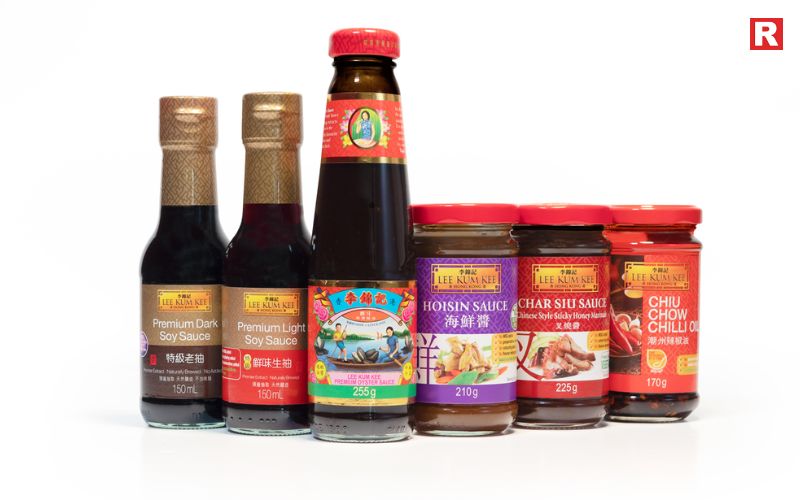
Founded in Hong Kong, Lee Kum Kee is a name synonymous with Asian cooking. It’s one of the most recognised global brands for sauces and condiments and is widely available in India. The brand offers both Light and Dark Soy Sauces, each made using traditional fermentation methods. The light soy is excellent for marinades and dressings, while the dark version gives a beautiful sheen to cooked dishes. Lee Kum Kee’s strength lies in its balance — not too salty, not too strong — which makes it easy to use in Indian-style Chinese food. Many restaurant chefs in India trust it for its reliable taste and aroma.
- Best for: People who love restaurant-style Indo-Chinese food at home.
- Pro tip: Mix light soy sauce with vinegar and sesame oil for an easy homemade dip.
3. Hachi
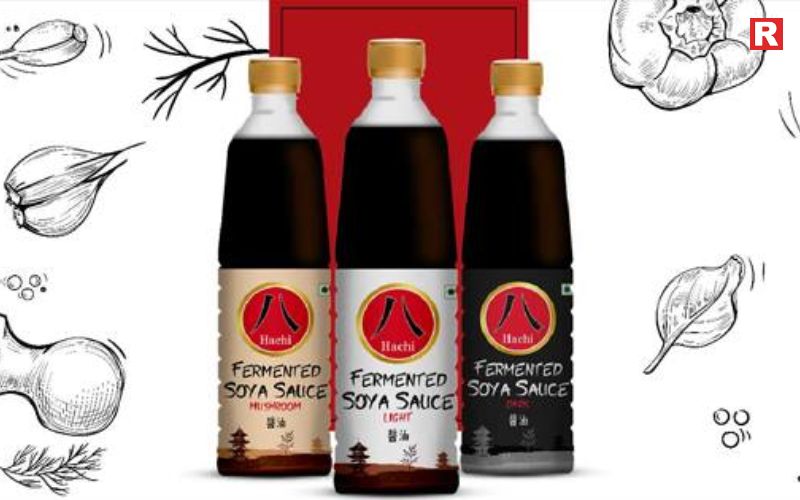
Hachi is an Indian-made brand that focuses on authentic fermentation and clean ingredients. Brewed under the sun for more than 180 days, it promises a naturally rich and balanced flavour. Hachi stands out for its local production combined with traditional brewing methods. It’s crafted for Indian palates, ensuring both quality and affordability. The sauce works well in stir-fried vegetables, chicken, or tofu recipes.
- Best for: Home cooks who prefer made-in-India products with authentic taste.
- Pro tip: Try adding a spoonful to soups for a comforting, earthy flavour.
Know more: What is Sushi and 5 Different Types of Sushi
4. Weikfield
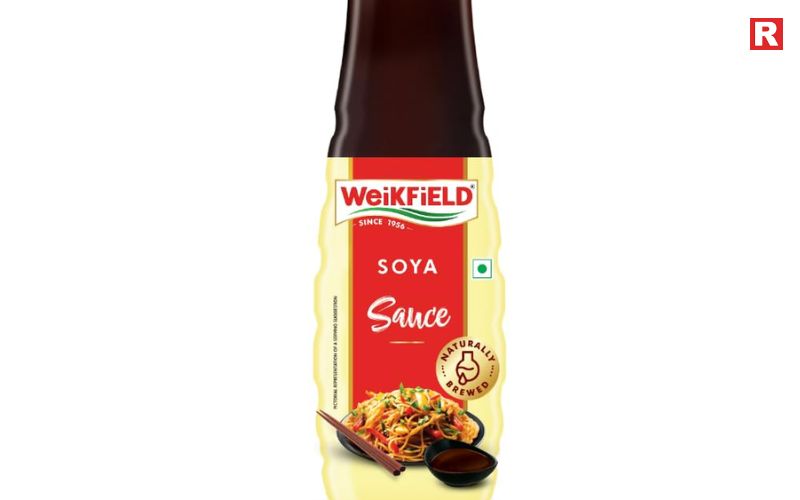
Weikfield is a well-known Indian brand that has been part of kitchens for decades. While famous for sauces and baking products, its soya sauce has gained popularity for its affordability and taste. Weikfield offers a dark, flavourful soya sauce ideal for Indo-Chinese dishes. It has a slightly thicker consistency, making it perfect for gravies and fried rice. The brand’s wide availability across India makes it a dependable choice for families.
- Best for: Everyday cooking and family meals.
- Pro tip: Combine with tomato sauce and green chilli sauce for a quick Chinese-style base.
5. Ching’s Secret
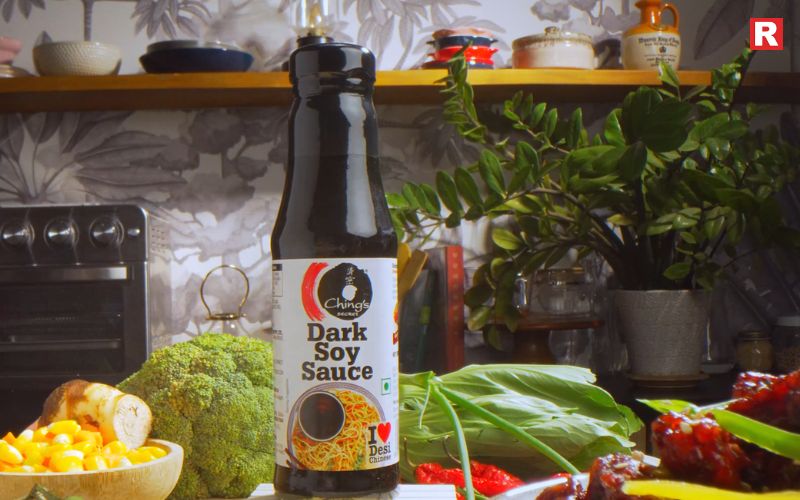
Ching’s Secret has become a household name for instant noodles and Indo-Chinese ingredients. Their Dark Soy Sauce is bold, slightly sweet, and perfect for quick home recipes. It’s widely available and budget-friendly, making it one of the go-to sauces for students and families. Ching’s also promotes easy recipes on its packaging, helping beginners cook authentic-tasting Chinese dishes at home.
- Best for: Busy cooks and beginners who want a ready-to-use sauce.
- Pro tip: Use it sparingly — a little goes a long way in adding colour and punch.
6. Del Monte
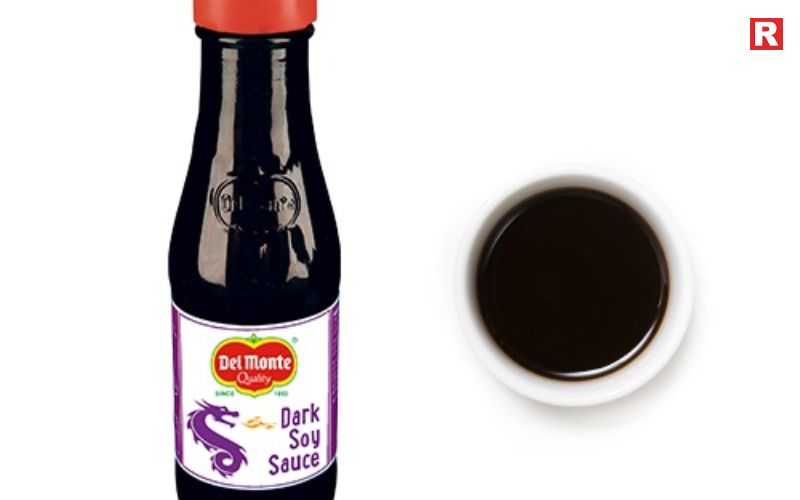
Del Monte brings its global food expertise to the Indian market with a premium range of sauces. Its Naturally Brewed Soy Sauce stands out for its mild, balanced flavour and slightly sweet finish. The brand focuses on using high-quality soybeans and traditional fermentation processes. Del Monte soy sauce blends well in marinades, dips, and noodles without overpowering other ingredients.
- Best for: Those who want a smooth, balanced soy sauce for both Asian and fusion dishes.
- Pro tip: Use it in salad dressings or to season roasted vegetables.
7. 9AM Soya Sauce
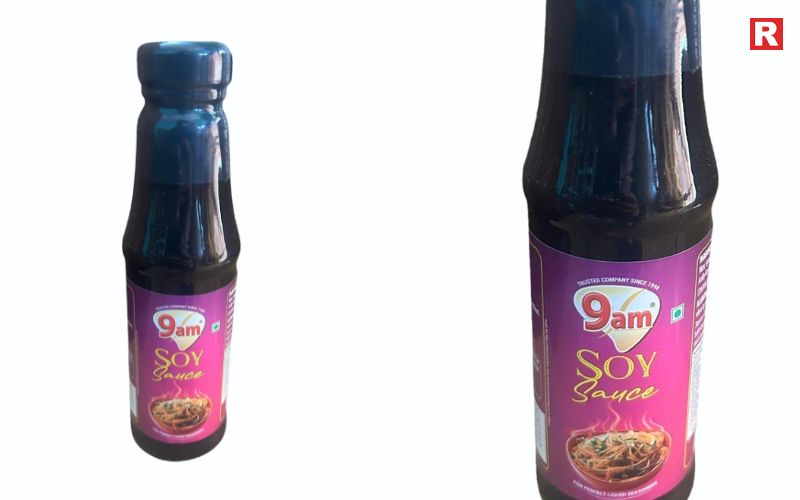
9AM is another Indian brand that offers value for money without compromising on flavour. Its soy sauce is slightly tangy and dark, giving a nice colour to fried rice or gravies. This brand caters to everyday cooking needs and is available in multiple pack sizes — perfect for households that cook frequently.
- Best for: Affordable, everyday use.
- Pro tip: Ideal for large-batch cooking or meal prep sauces.
Market Snapshot and Trends
The demand for soya sauce in India has evolved from restaurant kitchens to home pantries. A few key trends are shaping this category:
- Premiumisation: More consumers are willing to pay for naturally brewed, clean-label products like Kikkoman and Hachi.
- Local Innovation: Indian brands are now creating authentic products using traditional fermentation methods.
- Health Awareness: Low-sodium and preservative-free versions are becoming popular among health-conscious buyers.
- Wider Use: Soya sauce is moving beyond Chinese dishes to Indian and fusion recipes, giving chefs more creative freedom.
This shift shows how India’s food culture is blending global flavours with local preferences.
Read more: 12 Delicious High-Protein Foods to Eat Daily for a Healthier You
Top 20 Trendy Whiskeys You Must Try Once
Top 5 States With the Spiciest Food in India
How to Choose the Right Soya Sauce
- Check the Label: Look for words like “naturally brewed” or “fermented.”
- Read Ingredients: Fewer ingredients mean better quality.
- Decide the Type:
- Light Soy Sauce – for seasoning and marinades
- Dark Soy Sauce – for colour and glaze
- Compare Price vs. Value: Imported sauces like Kikkoman are premium, while Indian options like Hachi and 9AM offer affordability.
- Storage: Keep bottles tightly sealed in a cool, dry place after opening.
- Experiment: Start with a small bottle before committing to a large one to find your preferred flavour balance.
A Sauce That Connects Cultures
What makes soya sauce special is its universality. Whether it’s Kikkoman’s centuries-old Japanese tradition or an Indian brand brewing under local sunshine, the process celebrates patience and craftsmanship. The same sauce that seasons sushi in Japan also gives flavour to your chilli paneer in Mumbai. Soya sauce, in many ways, mirrors India’s evolving taste — open to global influences yet rooted in everyday home cooking. Soya sauce has come a long way from being a restaurant staple to a home-cooking essential in India. Whether you choose an imported brand like Kikkoman or Lee Kum Kee, or support local players like Hachi and 9AM, the key lies in picking one that suits your cooking style. The next time you prepare fried rice or stir-fried vegetables, reach for a bottle of good-quality soya sauce. That little splash might just be the secret to making your meal taste restaurant-perfect — right from your kitchen.
Saptopriya Ghosal
Feature Writer
I am a dedicated media professional with a bachelor's degree in mass communication from the State University of Calcutta and a postgraduate degree from Amity University. My academic journey has equipped me with a profound understanding of storytelling and communication. Passionate about the dynamic world of media, I continually strive to explore new ways to engage and inform through compelling narratives.



































































































































































