
Top Regional Indian Cuisines Gaining Popularity Outside India
Indian cuisine overseas is no longer shaped only by adaptation. It is defined by accuracy. Diners now expect clarity about origin. They ask which state a dish represents

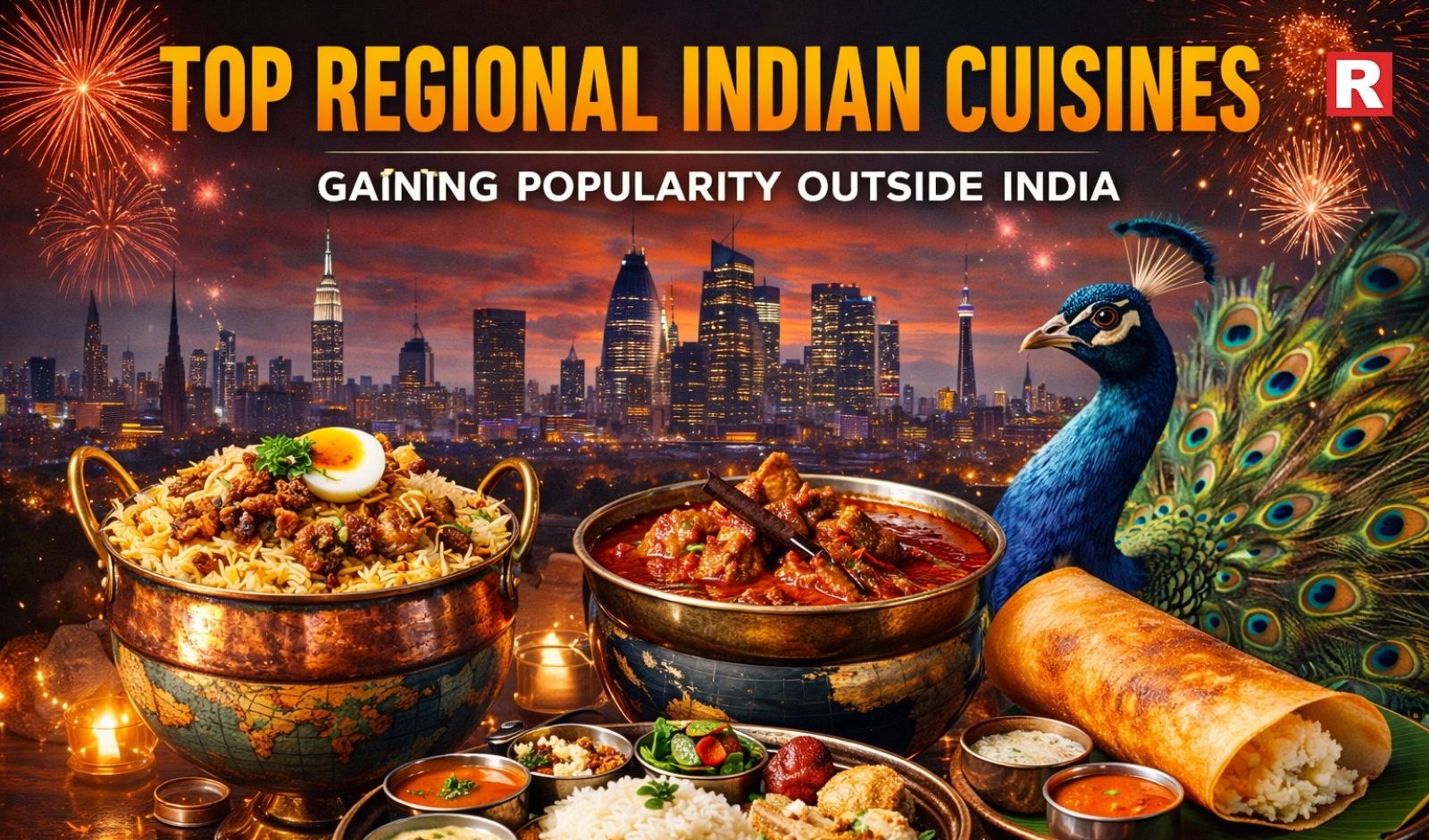
For years, Indian restaurants overseas followed a safe formula. Butter chicken led the menu. Naan filled the bread basket. Samosas came as starters. Biryani had one standard version. That predictable lineup is fading. Global diners now look for precision and place. They want food that reflects a specific region, not a generic label. In cities such as London, New York City, Toronto, and Dubai, menus are becoming sharper and more defined. Restaurateurs are investing in regional research. Chefs are focusing on technique. Spice roasting temperatures, fermentation cycles, slow braising methods, and regional sourcing now shape kitchen operations. Diners are learning the difference between Punjabi tandoor cooking, Chettinad spice layering, and Kashmiri slow-cooked gravies. This change is supported by a strong diaspora base and better global supply chains for authentic ingredients. For investors and hospitality leaders, this signals more than a passing trend. It reflects a structural repositioning of Indian cuisine as diverse, technical, and region-driven. The global market is no longer buying familiarity alone. It is rewarding authenticity backed by skill and clarity.
Why Regional Indian Cuisine Is Growing Globally
The global Indian diaspora now crosses 30 million people. That base creates demand. But demand alone does not build credibility.
Three deeper factors are driving growth:
Culinary Education Has Improved: International chefs now study Indian regional techniques seriously. Spice roasting, tempering sequences, fermentation, and slow braising are understood as technical skills, not just “spicy cooking.”
Ingredient Supply Chains Are Stronger: Specialty spices, regional rice varieties, and fermented products are easier to source abroad than a decade ago.
Fine Dining Validation: Indian restaurants are gaining international recognition through platforms like the Michelin Guide. This builds trust and premium positioning.
Global diners are now ready for nuance. And regional Indian cuisines offer exactly that.
1. Chettinad Cuisine: Precision Heat and Spice Architecture
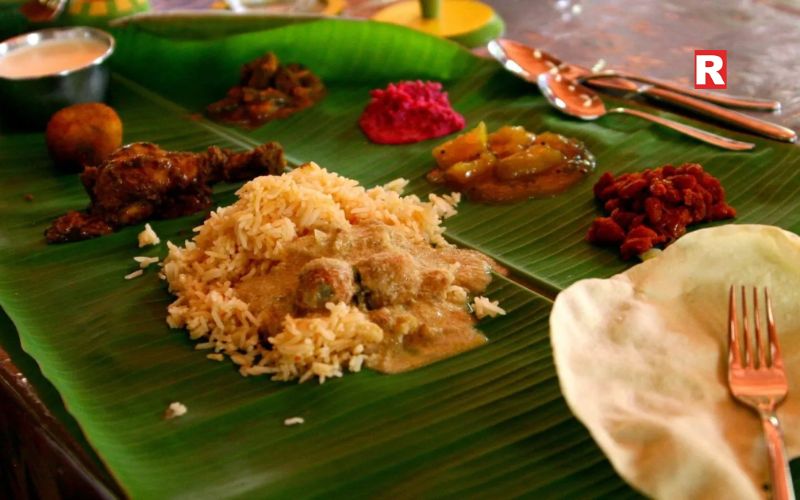
Originating in Tamil Nadu, Chettinad cuisine is bold but structured. It is not random heat. It is controlled spice engineering. Chettinad cooking uses freshly roasted spice blends. Whole spices are dry-roasted before grinding. Black pepper plays a dominant role. Stone-ground pastes add texture and depth. Unlike generic “South Indian curry,” Chettinad dishes rely on sequencing. Oil heating temperature matters. The tempering stage defines aroma. Spice layering creates heat that builds gradually instead of hitting instantly. In cities like Singapore and London, Chettinad chicken and pepper-based gravies are gaining traction. The cuisine works well globally because it balances protein focus with spice sophistication. For chefs expanding abroad, Chettinad offers differentiation without losing authenticity.
Read more: 8 Famous Vegetarian Dishes of Uttar Pradesh and Their Timeless Legacy
5 Cities That Serve the Best Non-Vegetarian Street Food
2. Punjabi Cuisine Beyond Butter Chicken
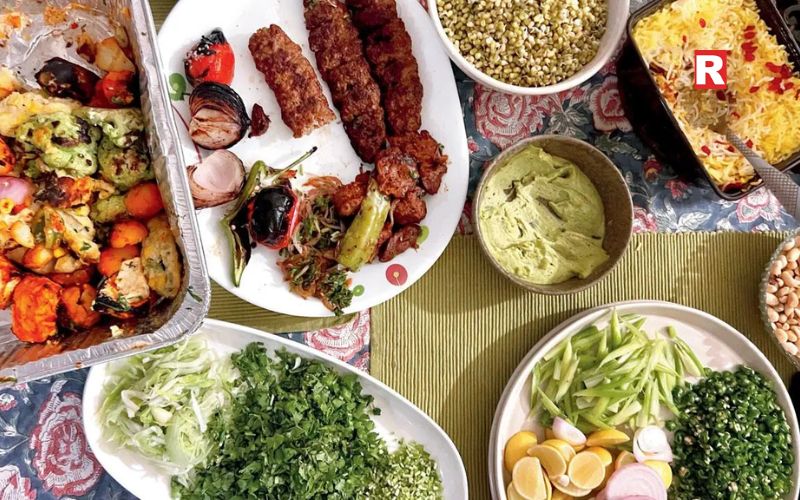
Punjabi cuisine has always had global visibility. But now it is evolving. The new global Punjabi menu highlights technique. Slow-cooked dal makhani simmered overnight. Fermented kulcha dough. Controlled clay oven heat management. The tandoor is no longer theatrical. It is technical. Restaurants in Toronto and Vancouver are focusing on Amritsari kulcha, sarson da saag, and regional breads. These dishes offer depth beyond creamy gravies. From a business perspective, Punjabi cuisine scales well. It has strong vegetarian options. It supports buffet formats. It fits both casual and fine dining models. However, consistency is key. Long simmering requires operational discipline. Clay oven cooking demands trained staff. That technical commitment separates successful brands from average ones.
3. Goan Cuisine: Heritage and Fermentation
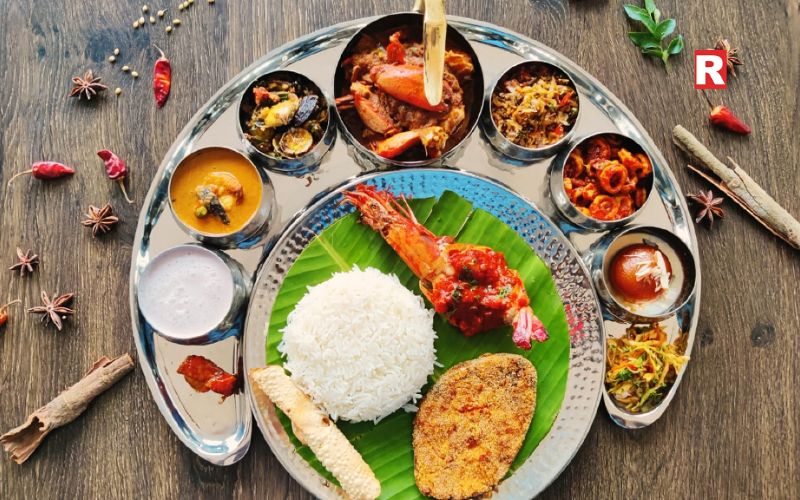
Goan food stands out because of its Portuguese influence. It combines coastal Indian flavours with European techniques. Vindaloo, for example, originates from the Portuguese “vinho e alho,” meaning wine and garlic. In Goa, toddy vinegar replaced wine. The result is a sharp, layered curry with controlled acidity. Goan cooking relies on vinegar fermentation, coconut emulsification, and spice pastes ground to specific textures. The balance between sour, spicy, and fatty elements requires precision. In cities like New York City and Sydney, Goan seafood curries are finding space on upscale menus. The cuisine appeals to global diners because it feels familiar yet distinct. It bridges cultures.
4. Kashmiri Wazwan: Luxury and Slow Craft
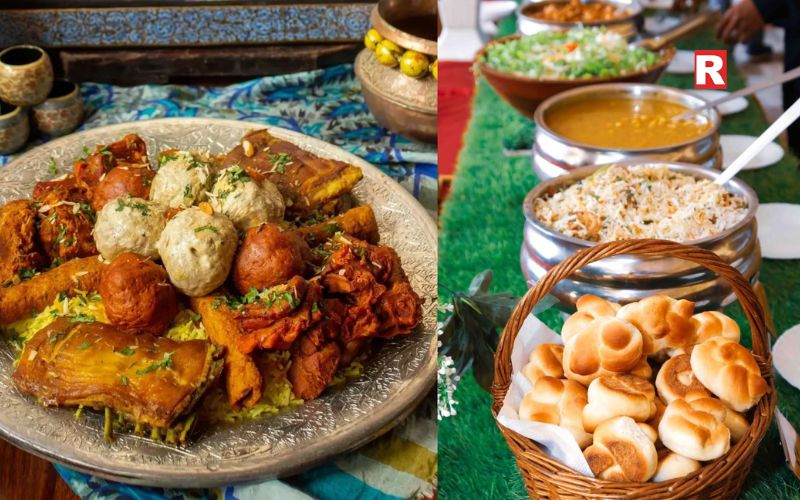
Kashmiri Wazwan is not just food. It is a ceremonial multi-course experience. Rogan josh, one of its flagship dishes, traditionally uses Kashmiri red chilli for colour, not tomatoes. This technical distinction matters. The dish relies on slow braising and controlled fat release from meat. Saffron infusion timing is critical. Too early and aroma fades. Too late and it does not blend. Luxury Indian restaurants abroad are positioning Wazwan as fine dining. Recognition from the Michelin Guide has strengthened this perception. For investors and chefs, Kashmiri cuisine offers premium storytelling. It supports tasting menus and curated dining formats.
Know more: 10 Awadhi Cuisine Classics You Must Try at Least Once
5. Bengali Cuisine: Subtlety and Ingredient Science
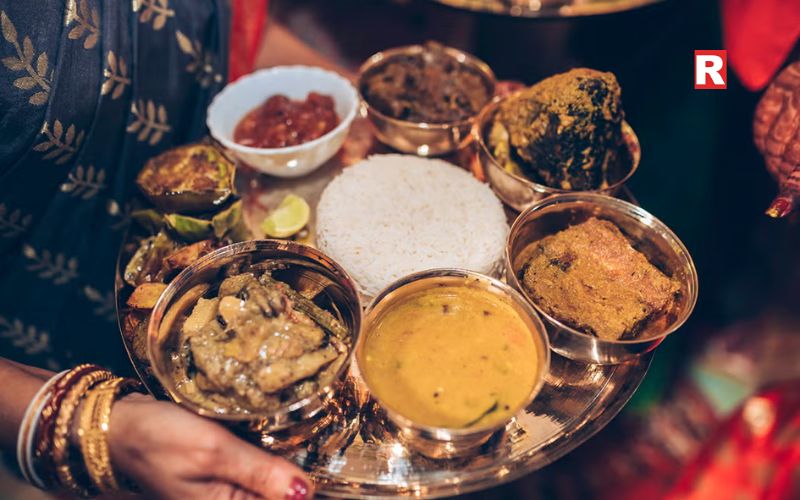
Bengali cuisine is delicate and technique-driven. Mustard oil is central. It has a low smoking point. Heating it correctly removes bitterness while preserving aroma. Panch phoron tempering introduces layered flavour through five spices. Fish preparation techniques are refined. Steaming in banana leaf. Mustard paste emulsification. Controlled turmeric usage for colour without overpowering taste. In global hubs like Dubai and Melbourne, Bengali cuisine is attracting health-conscious diners. It is lighter. It avoids heavy cream. It highlights river fish and seasonal vegetables. For modern menus, Bengali food aligns with clean eating trends while staying traditional.
6. Kerala Cuisine: Plant-Based Power
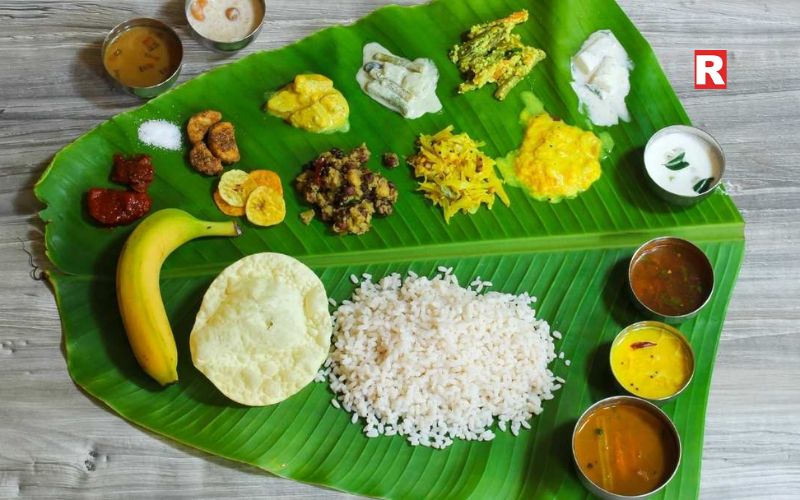
Kerala cuisine is rising because it aligns naturally with global plant-based demand. Coconut milk forms the base of many curries. Layered coconut extraction gives different thickness levels. Curry leaf oil infusion adds aroma at the finishing stage. Banana leaf plating enhances the sensory experience. It is sustainable and visually strong. In cities such as Doha and Kuala Lumpur, Kerala restaurants are expanding steadily. For global restaurateurs, Kerala cuisine offers vegan scalability without artificial substitutes. The cuisine was plant-forward long before it became fashionable.
Business Opportunity and Market Direction
The global ethnic food market is projected to grow steadily through 2030. Within that, Indian cuisine is diversifying. Earlier, restaurants positioned themselves simply as “Indian.” Now they specify region. Chettinad Kitchen. Punjabi Tandoor House. Kashmiri Wazwan Dining. This hyper-regional branding builds authenticity. It reduces menu confusion. It strengthens identity.
For food entrepreneurs, the opportunity lies in:
- Focused menus instead of 200-dish booklets
- Ingredient transparency
- Technique-driven storytelling
- Premium positioning supported by culinary credibility
Regional Indian cuisines also work well in tasting menu formats. They allow chefs to educate diners while increasing average bill value.
Also check: 20 Famous Foods from Karnataka That Define Its Rich Food Culture
Top Famous Veg Street Foods in Kolkata That You Must Try Once in Your Life
20 Famous Foods from Assam That Reflect Its True Food Culture
The Future
Indian cuisine overseas is no longer shaped only by adaptation. It is defined by accuracy. Diners now expect clarity about origin. They ask which state a dish represents. They want to know where the spices are sourced from. They question cooking techniques and preparation time. This shift is pushing restaurants to move beyond generic menus. Regional Indian cuisines answer this demand with depth and structure. They showcase diversity within one national framework. For chefs and restaurateurs, this means stronger technical discipline. Fermentation must be controlled. Spice roasting must follow precise temperature points. Slow cooking requires patience and consistency. Ingredient sourcing must reflect regional integrity. Investors are also taking note. Concepts built on focused regional identity show stronger brand recall and pricing power. The global market is rewarding kitchens that combine authenticity with operational skill. Indian food is no longer sold as a broad category. It is presented as a detailed culinary map, served region by region with confidence and craft.
Saptopriya Ghosal
Feature Writer
I am a dedicated media professional with a bachelor's degree in mass communication from the State University of Calcutta and a postgraduate degree from Amity University. My academic journey has equipped me with a profound understanding of storytelling and communication. Passionate about the dynamic world of media, I continually strive to explore new ways to engage and inform through compelling narratives.



































































































































































