
Top Old-School Snacks You Can't Miss
Whether it is the crunch of roasted chana, the sweetness of peanut chikki, or the comforting flavour of homemade mathri, these snacks continue to connect generations through food.

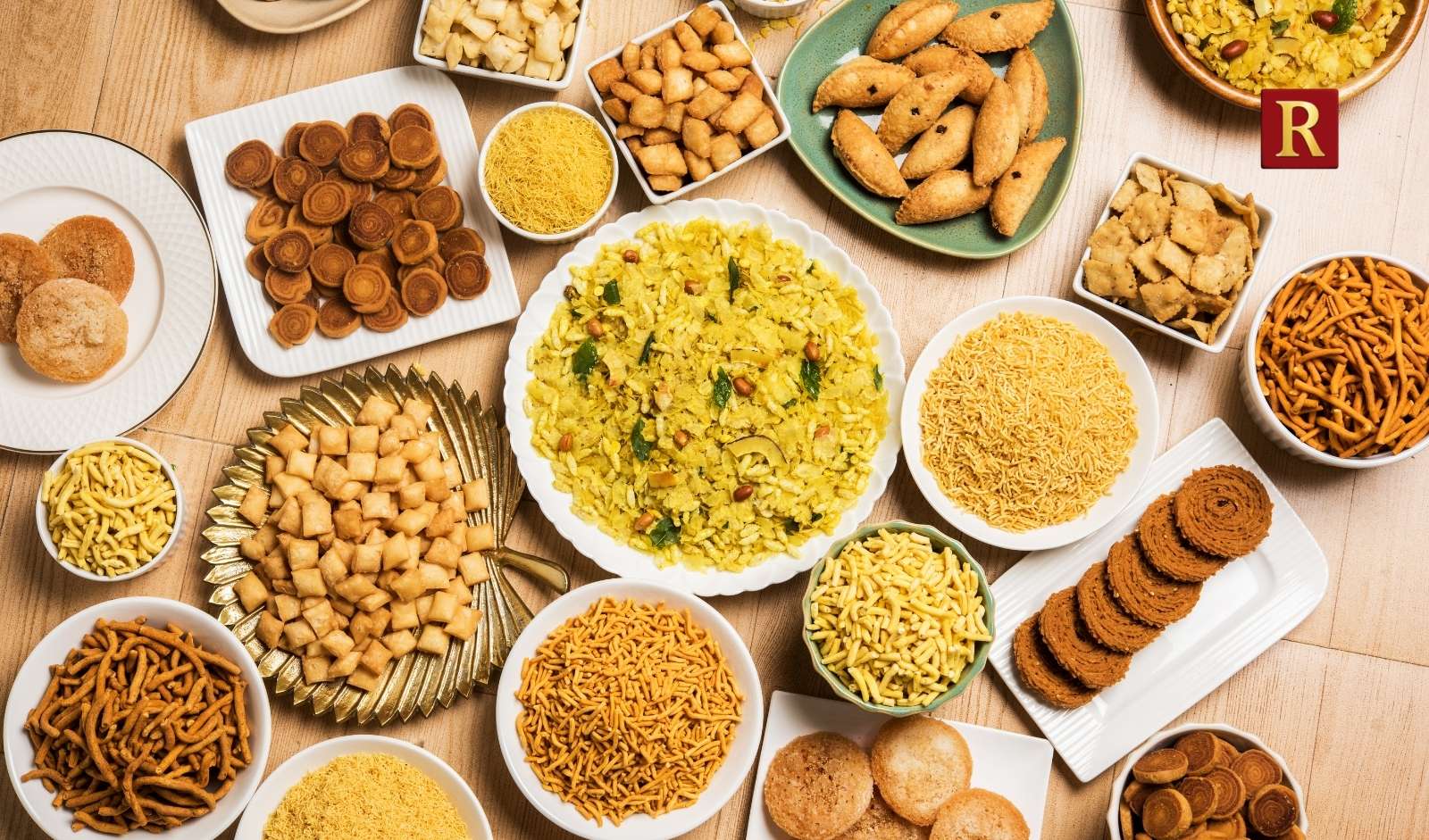
There was a time when snack time meant opening a steel dabba filled with homemade treats or stopping at the local shop for a handful of roasted chana, chikki, or crispy murukku. Long before potato chips and packaged namkeen became everyday favourites, Indian households had their own collection of delicious snacks made from grains, lentils, nuts, jaggery, and spices. These snacks were not only tasty but were also designed to last for weeks, making them perfect for school tiffins, train journeys, festivals, and evening tea.
Today, India's traditional snack culture is making a comeback. Consumers are increasingly choosing regional snacks made with simple ingredients over heavily processed alternatives. Whether you grew up enjoying these treats or are discovering them for the first time, these old-school snacks continue to represent India's rich culinary heritage.
Why Old-School Indian Snacks Still Feel Special
Traditional snacks are more than just food. They carry memories of family gatherings, grandparents preparing large batches before festivals, and mothers packing homemade treats for school. Unlike many modern packaged snacks, most old-school recipes use ingredients that are easily available in Indian kitchens.
Roasting, sun-drying, fermenting, and slow cooking were common techniques that enhanced flavour while naturally increasing shelf life. Many snacks also provided protein, fibre, and healthy fats, making them filling as well as satisfying.
What Makes Traditional Snacks Different?
Classic Indian snacks stand out because they focus on natural ingredients instead of artificial flavourings. Roasted gram, peanuts, sesame seeds, rice flakes, lentils, and millets form the base of many recipes. Jaggery often replaces refined sugar, while spices such as cumin, turmeric, curry leaves, and black pepper add flavour naturally. Many snacks are prepared in small batches at home, allowing families to control the quality of ingredients. Even fried varieties are usually made fresh, unlike factory-produced snacks that often contain preservatives to increase shelf life.
Explore Top Old-School Snacks You Can't Miss
1. Roasted Chana
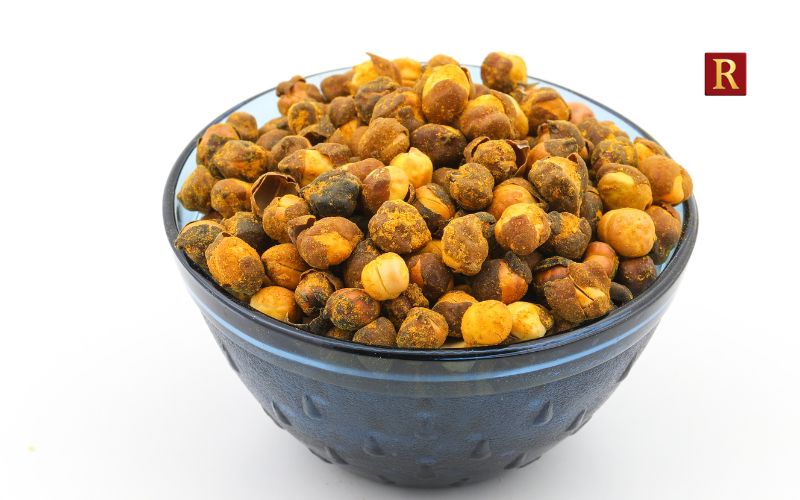
Roasted chana has been a staple Indian snack for generations, enjoyed at home, during travel, and as a quick evening bite. Made by roasting whole Bengal gram without excessive oil, it offers a crunchy texture and nutty flavour. Rich in plant-based protein, dietary fibre, and essential minerals, it keeps you feeling full for longer. It is often paired with jaggery for a wholesome snack and remains a popular choice among people looking for a simple, affordable, and nutritious traditional treat.
2. Chana Jor Garam
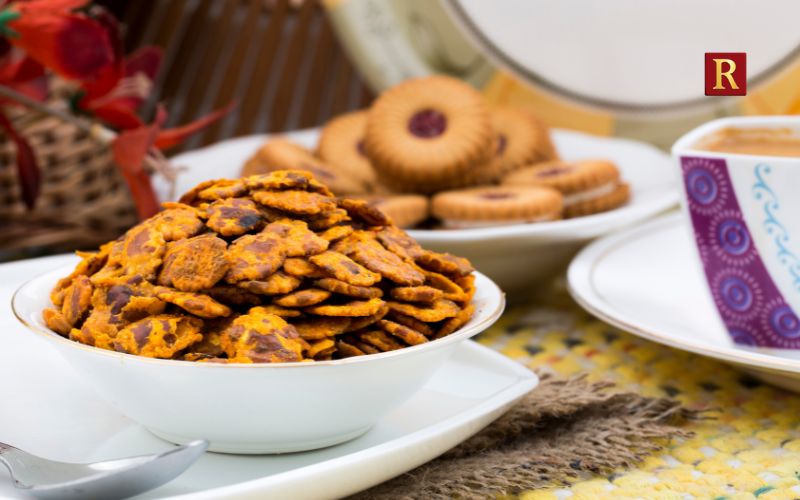
Chana Jor Garam is one of India's most iconic street snacks, loved for its bold flavours and irresistible crunch. It is made by flattening black gram, roasting or frying it until crisp, and seasoning it with spices. Street vendors usually toss it with chopped onions, tomatoes, green chillies, coriander, lemon juice, and chaat masala just before serving. This spicy and tangy snack became especially popular outside schools, railway stations, and busy markets, offering a quick burst of flavour at an affordable price.
3. Murukku
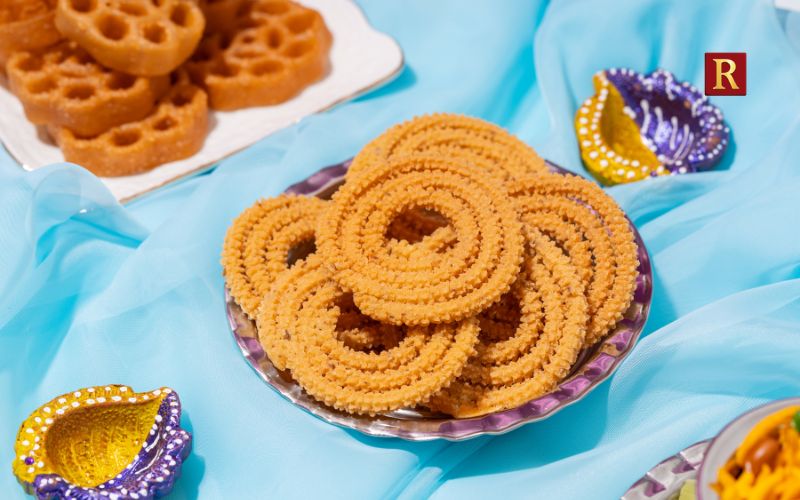
Murukku is a traditional South Indian snack that has been prepared for centuries during festivals and family celebrations. It is made by mixing rice flour, urad dal flour, butter, cumin, and sesame seeds into a smooth dough before shaping it into spirals and deep-frying until golden. The result is a light, crispy snack with a satisfying crunch. Every state has its own variation, and murukku continues to be a favourite homemade treat enjoyed with tea or served to guests.
4. Chakli
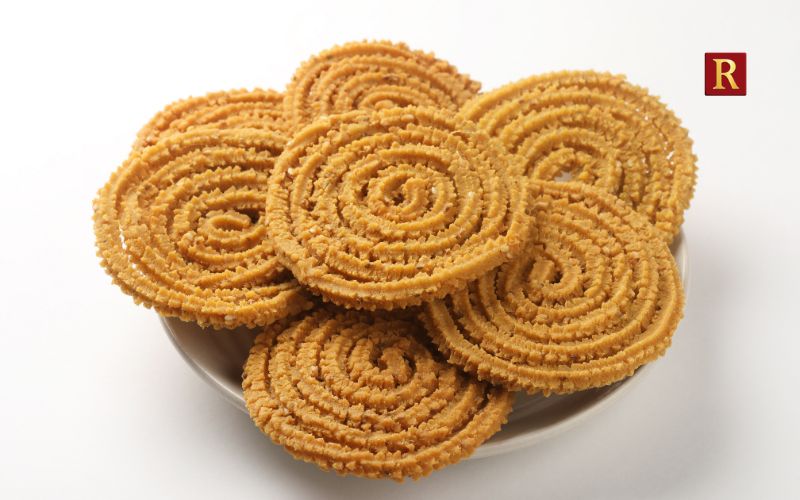
Chakli is a crunchy spiral-shaped snack that holds a special place in Maharashtrian and Karnataka households, especially during Diwali. Unlike murukku, it is commonly prepared using a blend of rice flour, gram flour, wheat flour, and lentil flours, giving it a richer taste and texture. Flavoured with sesame seeds, cumin, chilli powder, and turmeric, chakli delivers a spicy and savoury bite. Families often prepare large batches together before festivals, making it both a delicious snack and a cherished tradition.
5. Khakhra
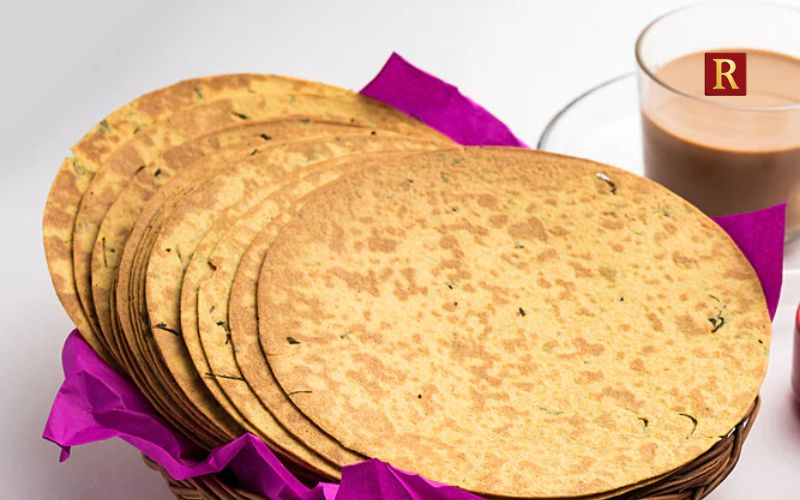
Khakhra is a famous Gujarati snack made by slowly roasting thin whole wheat flatbreads until they become crisp and crunchy. Traditionally enjoyed as a breakfast or tea-time snack, it is lighter than many fried alternatives because it is dry roasted. Modern varieties include flavours such as methi, jeera, masala, and garlic, making it appealing to different tastes. Easy to carry and store, khakhra has become a popular healthy snack across India for people seeking convenience without compromising on flavour.
6. Mathri
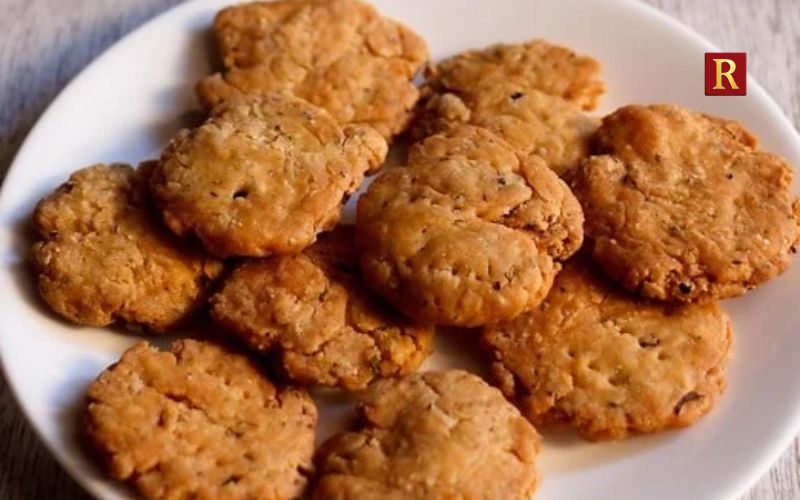
Mathri is a classic North Indian savoury snack known for its flaky texture and rich buttery taste. Prepared with flour, ghee, carom seeds, black pepper, and other spices, it is deep-fried until perfectly crisp. Thanks to its long shelf life, mathri has traditionally been packed for family trips, festivals, and special occasions. It pairs wonderfully with pickle, chutney, or a hot cup of tea. Passed down through generations, homemade mathri continues to bring comfort and nostalgia with every bite.
7. Namak Para
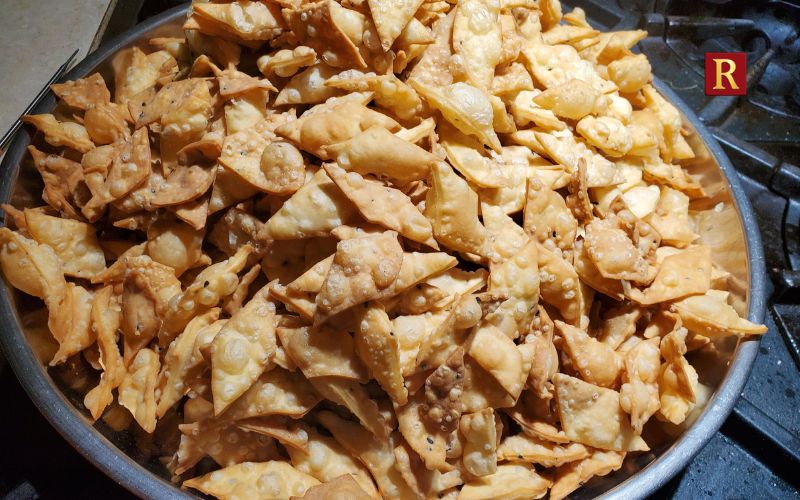
Namak Para is a traditional North Indian snack that has been a household favourite for generations, especially during festivals like Diwali and Holi. Made by kneading flour with ghee, carom seeds, and a pinch of salt, the dough is cut into diamond-shaped pieces and deep-fried until crisp. Its crunchy texture and mildly savoury taste make it a perfect companion for evening tea. Easy to prepare and store, namak para remains a timeless snack enjoyed by people of all ages.
8. Til Chikki
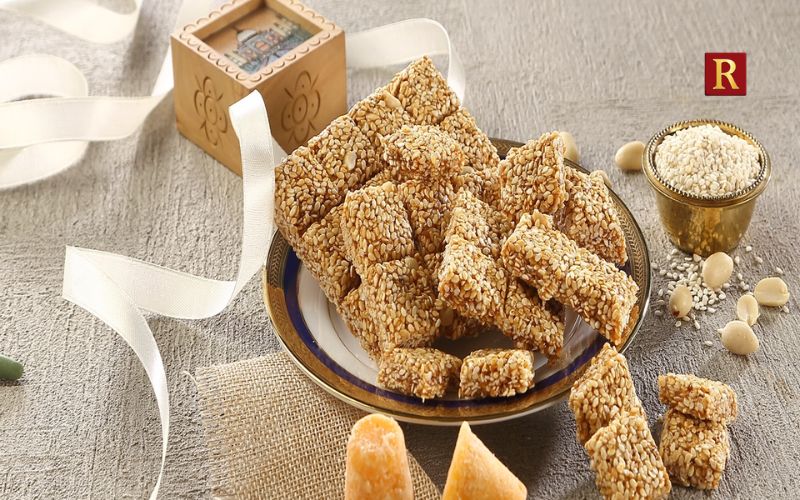
Til Chikki is a classic winter delicacy made by combining roasted sesame seeds with melted jaggery to form thin, crunchy bars. Popular during Makar Sankranti and Lohri, this traditional sweet is valued for both its flavour and nutrition. Sesame seeds are naturally rich in calcium, healthy fats, and antioxidants, while jaggery provides iron and essential minerals. The nutty aroma and caramel-like sweetness make til chikki a wholesome snack that has been enjoyed across India for centuries.
9. Peanut Chikki
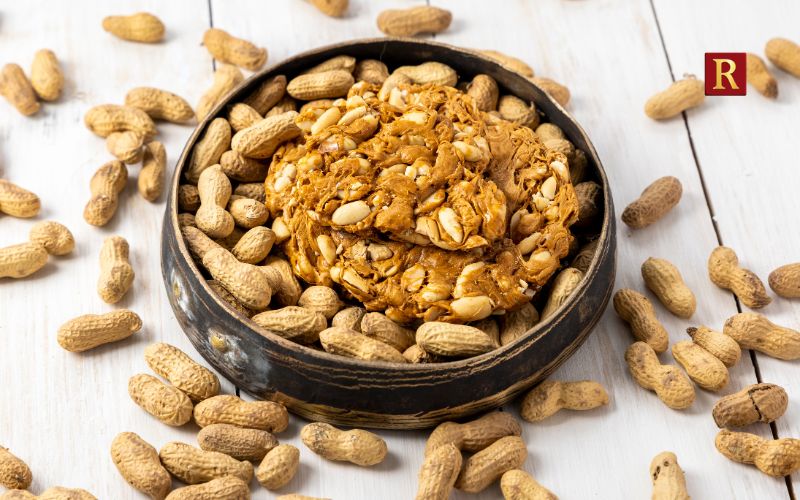
Peanut Chikki is one of India's most loved traditional sweets, prepared by mixing roasted peanuts with hot jaggery syrup before pressing the mixture into thin slabs. Once cooled, it is cut into bite-sized pieces with a crunchy texture and rich nutty flavour. Popular during winter, peanut chikki provides a good source of plant-based protein, healthy fats, and energy. Affordable, delicious, and easy to carry, it continues to be a favourite snack for both children and adults.
10. Banana Chips
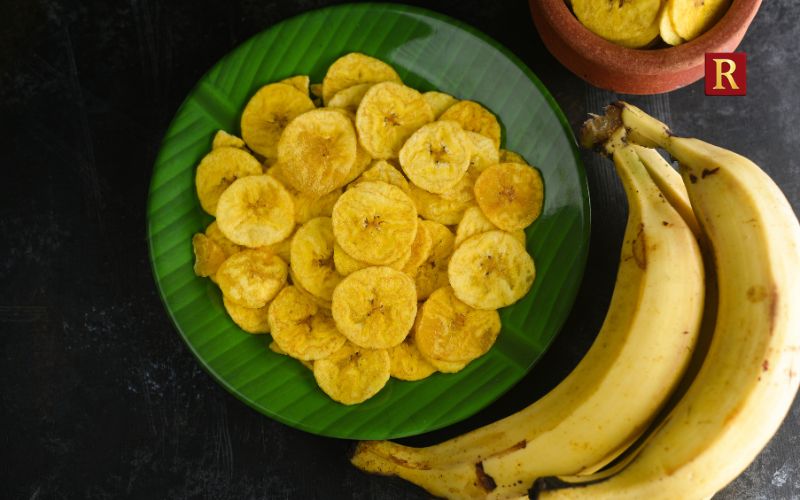
Banana Chips are among Kerala's most iconic snacks, traditionally prepared using raw Nendran bananas sliced into thin rounds and fried in pure coconut oil. The result is a crisp, golden snack with a unique flavour that reflects the state's culinary heritage. Lightly salted or seasoned with black pepper, these chips are commonly served during festivals, family gatherings, and tea time. Their long shelf life and distinctive taste have made banana chips a popular snack enjoyed across India.
11. Makhana
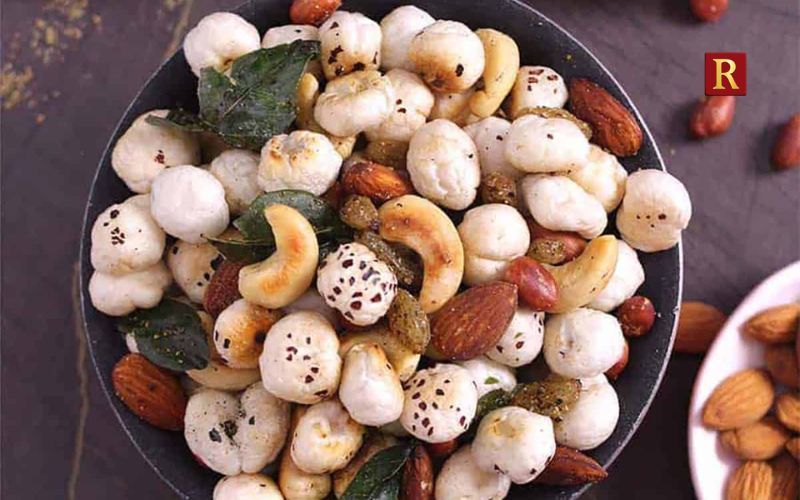
Makhana, also known as fox nuts or lotus seeds, has been consumed in Indian households for centuries, long before it gained recognition as a modern superfood. Traditionally roasted with ghee, salt, or simple spices, it offers a light yet satisfying crunch. Naturally low in calories and rich in antioxidants, magnesium, and plant-based protein, makhana is a nutritious snack suitable for all age groups. Today, it is available in several flavours while retaining its traditional appeal and wholesome goodness.
12. Bhakarwadi
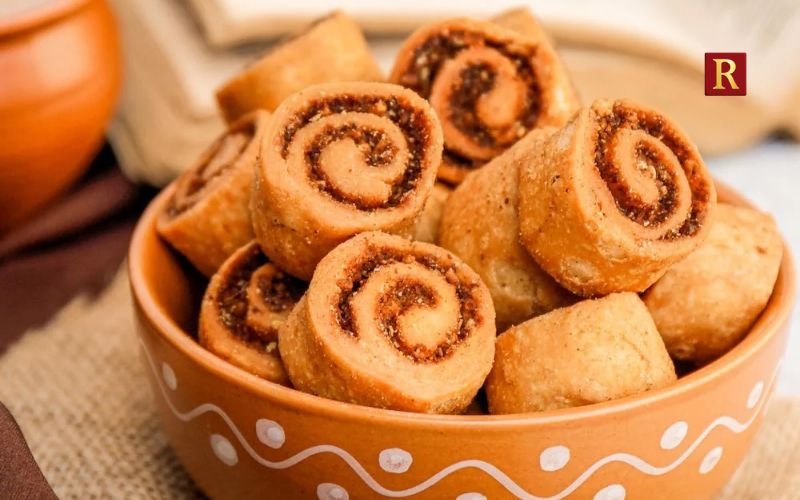
Bhakarwadi is a famous Maharashtrian snack known for its distinctive spiral shape and irresistible balance of sweet, spicy, and tangy flavours. It is prepared by spreading a flavourful mixture of coconut, sesame seeds, spices, and sugar over gram flour dough, which is then rolled, sliced, and deep-fried until crisp. Every bite offers multiple layers of texture and taste. Originally popular in Maharashtra and Gujarat, bhakarwadi has become a favourite tea-time snack enjoyed throughout India.
Regional Flavours That Tell India's Story
Every Indian state has its own signature snack.
Gujarat – Khakhra and Fafda: Gujarat is famous for its crispy khakhra and gram flour-based fafda. These snacks are everyday breakfast and tea-time favourites, reflecting the state's love for light yet flavourful foods.
Maharashtra – Chakli and Bhakarwadi: Maharashtrian households are known for preparing chakli and bhakarwadi during festivals. Their spicy flavours and crunchy texture make them popular across the country.
Kerala – Banana Chips: Made from raw Nendran bananas and fried in coconut oil, Kerala's banana chips are a signature snack that showcases the state's abundant banana cultivation.
Tamil Nadu – Murukku: Prepared with rice flour and urad dal, murukku is a festive favourite that highlights South India's traditional cooking techniques.
Rajasthan – Mathri: This flaky, savoury snack has a long shelf life, making it ideal for Rajasthan's dry climate and long journeys.
Punjab – Rewari: Made with sesame seeds and jaggery, rewari is especially popular during winter and festive celebrations like Lohri.
Bihar – Sattu-Based Snacks: Bihar's nutritious snacks made with roasted gram flour reflect the state's emphasis on wholesome, protein-rich foods.
West Bengal – Jhal Muri: A flavourful mix of puffed rice, mustard oil, vegetables, and spices, jhal muri remains one of Bengal's most iconic street snacks.
The Science Behind Traditional Snacking
Many old-school snacks were prepared using methods that naturally preserved freshness. Roasting removed moisture, helping snacks stay crisp for longer. Fermented snacks like dhokla improved digestibility while increasing beneficial bacteria. Ingredients such as turmeric, cumin, sesame, and curry leaves added antioxidants and natural flavour without artificial additives. Whole grains, legumes, and nuts also provide slow-release energy compared to highly refined snacks. This explains why many traditional snacks kept people full for longer during work, travel, or farming activities.
Your Evergreen Bite!
Health-conscious consumers are rediscovering traditional Indian foods. Many brands now produce roasted chana, millet snacks, artisanal chikki, baked khakhra, and handmade murukku with minimal processing. The growing popularity of regional cuisines, combined with increasing awareness about clean-label foods, has encouraged younger generations to embrace recipes that their grandparents once enjoyed daily. Local artisans and family-run businesses are also reviving forgotten recipes by combining traditional methods with modern packaging, making these timeless snacks more accessible across India. Old-school Indian snacks are much more than nostalgic treats. They represent centuries of culinary knowledge, regional diversity, and thoughtful cooking techniques that focused on taste, nutrition, and sustainability. Whether it is the crunch of roasted chana, the sweetness of peanut chikki, or the comforting flavour of homemade mathri, these snacks continue to connect generations through food. As more people seek authentic and wholesome alternatives to heavily processed snacks, India's traditional favourites are proving that great taste never goes out of style. Rediscovering these timeless classics is not only a journey into childhood memories but also a celebration of the country's rich and diverse food heritage.
Saptopriya Ghosal
Feature Writer
I am a dedicated media professional with a bachelor's degree in mass communication from the State University of Calcutta and a postgraduate degree from Amity University. My academic journey has equipped me with a profound understanding of storytelling and communication. Passionate about the dynamic world of media, I continually strive to explore new ways to engage and inform through compelling narratives.



































































































































































