
Top Non-Vegetarian Foods of Odisha That Define Its Coastal Soul
Each dish carries memory, season, and place. To understand Odisha, one must sit down for a proper meal. The flavours stay gentle, yet lasting.


Odisha lies along India’s eastern coast, where food is shaped by water and weather. The Bay of Bengal plays a quiet but constant role in everyday meals. Rivers, ponds, and backwaters supply fresh fish throughout the year. Seafood is not occasional here. It is a daily presence. Meat is cooked thoughtfully and eaten with restraint, not excess. Cooking in Odisha follows a patient rhythm. Dishes are allowed time to develop flavour. Oil is used sparingly. Spices are measured, not heavy. The aim is balance, not heat. The natural taste of fish or meat is never hidden.
Odia non-vegetarian food feels close to home. It is simple, warm, and familiar. Mustard paste gives many dishes their sharp identity. Garlic, cumin, and turmeric appear more often than rich masalas. These flavours are bold yet clean. Fish remains the centre of the cuisine. Prawns and crabs follow closely, especially near the coast. Chicken and mutton are cooked on special days or slow weekends. Most meals are served with plain rice or pakhala. The food comforts without effort and stays true to its roots.
Discover Top Non-Vegetarian Foods of Odisha
1. Machha Besara
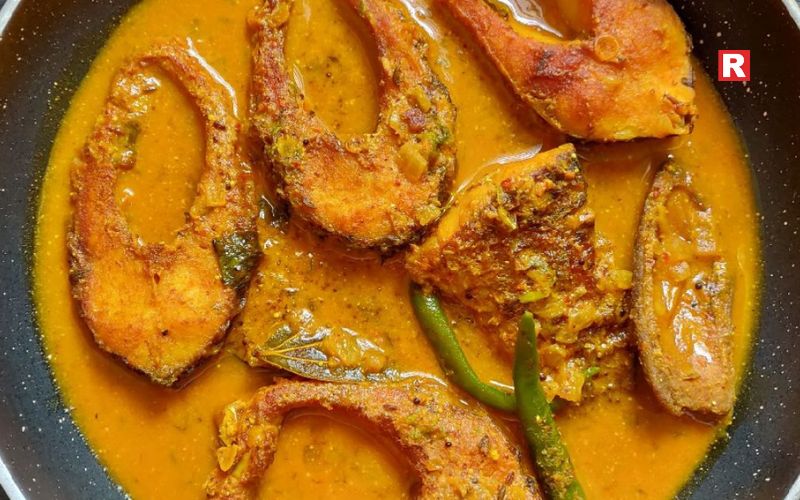
Machha Besara is one of Odisha’s most familiar fish dishes. It appears often on everyday lunch plates. The fish is first lightly fried to hold its shape. It is then cooked in a mustard-based gravy with garlic, green chillies, and turmeric. The smell of mustard rises the moment it is served. The flavour is sharp at first, then settles into warmth. There is no heaviness in the dish. Oil is used carefully. The gravy stays thin but full of character. This dish shows the Odia love for clean and direct flavours. It is filling without feeling rich. Most people eat it with hot steamed rice. For many homes, Machha Besara is not special-occasion food. It is comfort, routine, and tradition served in a bowl.
Read more: 8 Famous Vegetarian Dishes of Uttar Pradesh and Their Timeless Legacy
5 Cities That Serve the Best Non-Vegetarian Street Food
2. Chingudi Malai Curry (Odia Style)
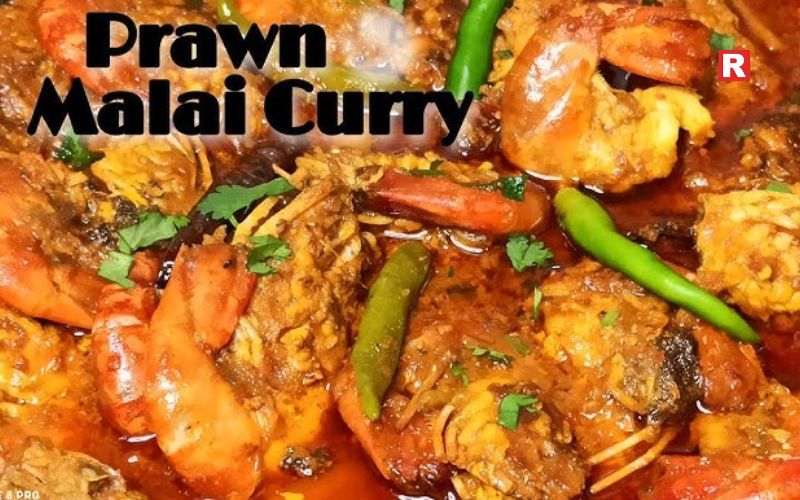
Chingudi Malai Curry in Odisha is soft and balanced. Fresh prawns are cooked gently in coconut milk. The spices are light and measured. The focus stays on the sweetness of the prawns. Unlike heavier versions from other regions, this one feels calm and refined. The gravy is smooth and lightly creamy, never thick or overpowering. Each spoon feels warm and comforting. This dish reflects the coastal side of Odisha. Coconut and seafood come together naturally. It is often served with plain rice, which allows the flavours to stand out. Chingudi Malai Curry is usually made for relaxed family meals. It feels special without trying too hard. The dish leaves a mild sweetness on the palate and a sense of quiet satisfaction.
3. Kankada Jhola

Kankada Jhola is a rustic crab curry deeply tied to Odisha’s coast. The crab is cracked before cooking so the flavour spreads through the gravy. The curry remains thin, spicy, and bold. It is not meant to look neat. Eating it is messy, but that is part of its charm. The gravy carries heat, salt, and the natural sweetness of crab. It is commonly cooked in fishing households and coastal towns. This dish is best eaten slowly and with the hands. Steamed rice is the usual pairing. Each bite feels raw and honest. Kankada Jhola does not hide behind spices. It celebrates the ingredient. The dish reflects everyday coastal life, where food is simple, strong, and deeply connected to the sea.
4. Mutton Kassa
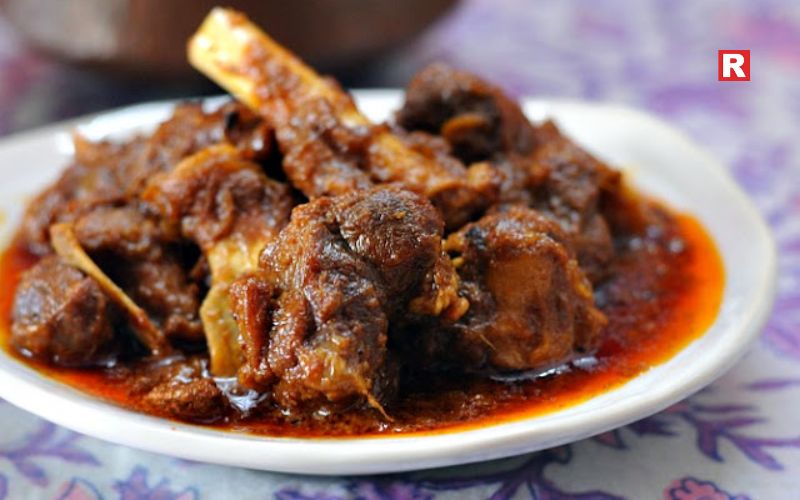
Mutton Kassa is a dish made with time and patience. The mutton is cooked slowly on low heat. Spices are added carefully and allowed to settle. The result is a thick, rich curry that is full of depth but not oily. The meat becomes soft and holds flavour in every bite. This dish is usually prepared for special days. Festivals, weddings, or relaxed Sunday lunches often call for it. Cooking is never rushed. The process matters as much as the result. Mutton Kassa feels warm and satisfying. It is best eaten with rice or plain rotis. The dish reflects celebration in Odia homes. It brings people together at the table and turns a meal into an occasion.
5. Machha Tarkari
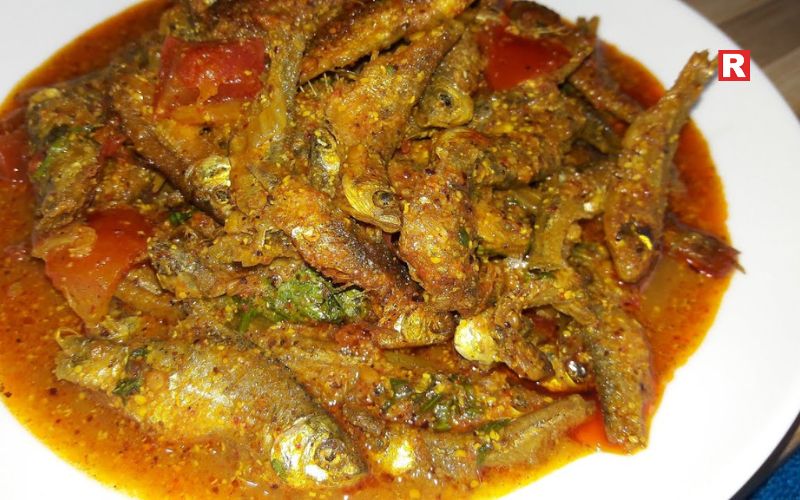
Machha Tarkari is everyday food in Odisha. It is simple and nourishing. Fish is cooked with vegetables like potato, pumpkin, or brinjal. The gravy stays light and mildly spiced. Nothing feels heavy. This dish shows how balance matters in Odia cooking. It provides protein, vegetables, and comfort in one bowl. Fish here is not treated as luxury food. It is part of daily life. The flavours are gentle and easy on the stomach. Machha Tarkari is often served for lunch with rice. It suits all ages. The dish feels familiar and steady. It represents how Odia homes cook for health, taste, and routine. Simple food, cooked well, and eaten without fuss.
6. Chingudi Jhola
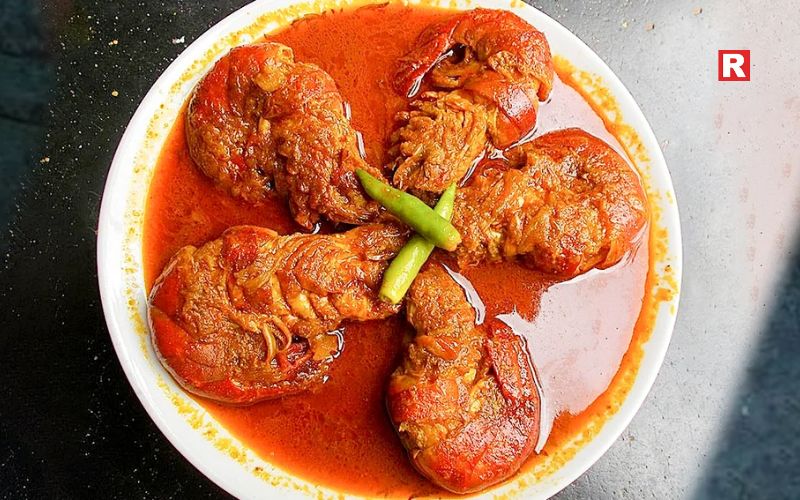
Chingudi Jhola is a light and everyday prawn curry from Odisha. It is cooked with mustard paste, cumin, garlic, and very little oil. The gravy stays thin but full of flavour. Fresh prawns remain the main focus of the dish. Spices do not overpower their natural sweetness. This curry is often prepared for lunch and eaten with plain rice. It feels easy on the stomach and comforting at the same time. Many Odia households prefer Chingudi Jhola over richer prawn dishes. It fits well into daily meals. The dish reflects the Odia habit of eating seafood simply. It proves that good flavour does not need heaviness. A warm bowl of this curry brings quiet satisfaction and balance to the meal.
Know more: 20 Famous Foods of Delhi That Define the City’s Soul
7. Machha Ghanta
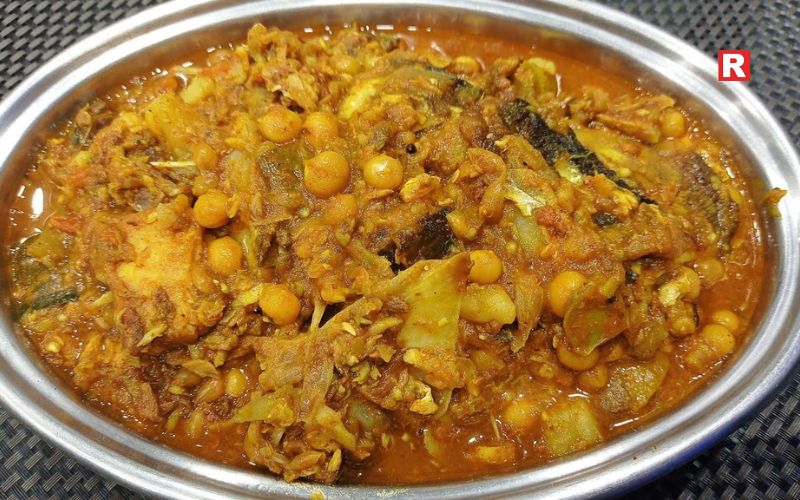
Machha Ghanta is a traditional fish head curry from Odisha. It is usually made with the head of rohu or other local fish. Vegetables like potato, pumpkin, and sometimes lentils are added to the dish. The curry is thick, mildly spiced, and deeply comforting. The fish head gives the gravy a rich texture and flavour. Spices are balanced and never overpowering. This dish is often cooked at home, especially on weekends or special family meals. It is eaten with hot steamed rice. Machha Ghanta is filling and nourishing. Many Odia households value it for both taste and nutrition. The dish reflects the no-waste approach of Odia cooking. Every part of the fish is respected and used with care.
8. Poda Machha
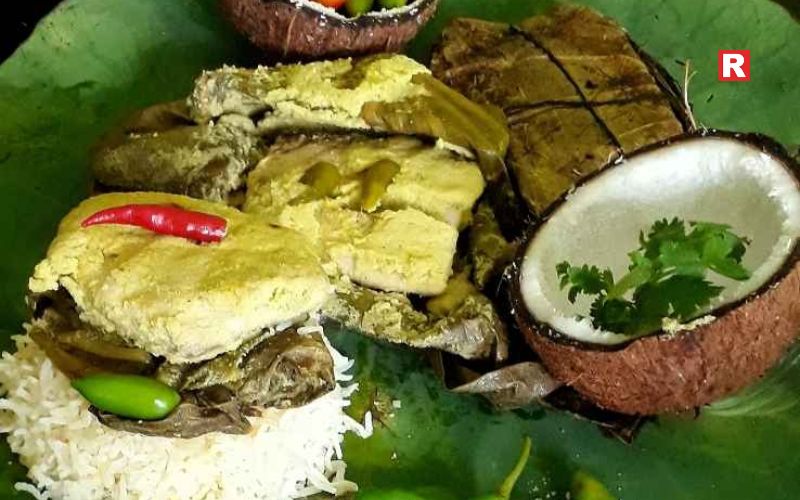
Poda Machha is a traditional fish dish with deep rural roots. The fish is marinated lightly and wrapped in leaves. It is then slow-roasted over fire. This method is common in villages and tribal areas of Odisha. The cooking process creates a smoky and earthy flavour. No heavy spices are used. The fire and leaves do most of the work. The fish absorbs aroma from its surroundings. Each bite feels natural and grounded. Poda Machha reflects a close relationship with land and forest. It is often cooked during gatherings or outdoor meals. The dish shows how technique can shape taste. It connects Odisha’s food culture to its older, simpler way of living.
9. Machha Ambila
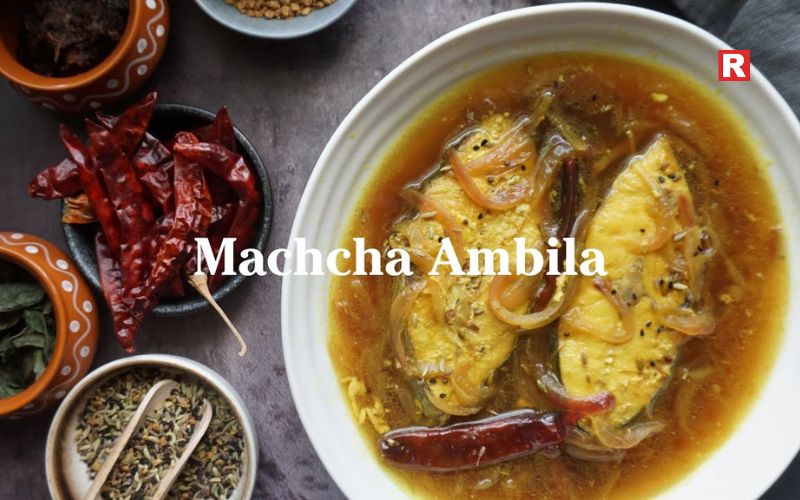
Machha Ambila is a light and tangy fish curry from Odisha. It is made using tamarind or other local souring agents. The gravy stays thin and refreshing. This dish is usually served towards the end of a meal. It helps digestion and refreshes the palate. The sourness is gentle, not sharp. Spices are kept minimal. The focus remains on balance and comfort. Machha Ambila is especially popular during summer. It feels cooling and soothing. The dish is often eaten with rice. It does not feel heavy or filling. Instead, it brings closure to the meal. Machha Ambila shows how Odia food thinks about health as much as taste.
10. Chicken Besara
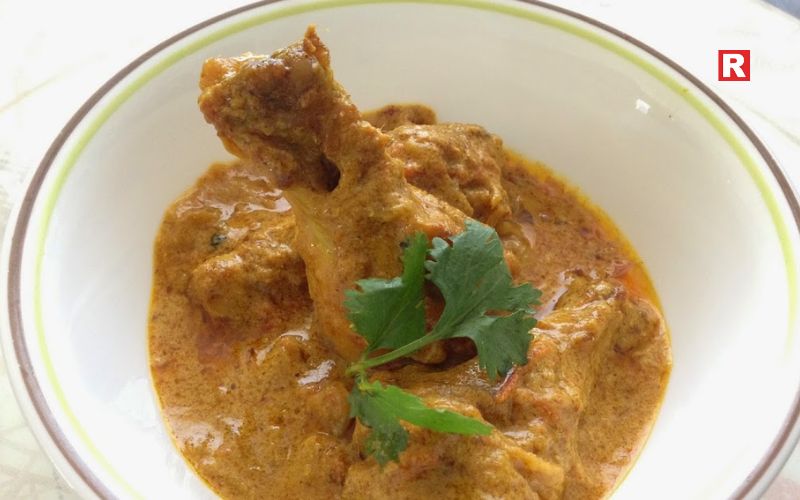
Chicken Besara is a bold mustard-based chicken curry from Odisha. It follows the same flavour base as fish besara but uses chicken instead. Mustard paste gives the dish its sharp and strong character. Garlic and green chillies add depth. The gravy is thick but never oily. Each piece of chicken absorbs the flavour well. This dish is often cooked when families want something robust yet traditional. It is usually served with rice. Chicken Besara stands out for its pungent aroma and clean taste. It does not rely on heavy masalas. The dish reflects Odisha’s comfort with mustard flavours. It is simple, powerful, and deeply rooted in local cooking habits.
The Role of Seafood in Odisha
Seafood is central to Odisha’s identity. The Bay of Bengal provides fish, prawns, and crabs daily. Rivers like Mahanadi and Brahmani add freshwater varieties. Fish markets open early in the morning. Families buy fresh catch daily. Seafood is eaten regularly, not just on special occasions. This connection to the sea defines Odia food culture.
The best non-veg food in Odisha is often found in homes and small local eateries. Cities like Cuttack, Puri, Berhampur, and coastal towns offer authentic flavours. Roadside dhabas, local hotels, and family-run kitchens serve food that stays true to tradition. The experience is simple but memorable.
Also check: Must-Try 20 Famous Local Foods of Madhya Pradesh That Define the State
Explore 15 Famous Vegetarian Kerala Dishes for an Authentic Taste
10 Awadhi Cuisine Classics You Must Try at Least Once
Happy Eating!
Non-vegetarian food of Odisha is calm yet deeply expressive. It does not follow food trends or modern fusions. It stays rooted in everyday life. Ingredients are treated with care. Fish, meat, and seafood are allowed to speak for themselves. The cuisine is shaped by the sea, rivers, and farmland. Mustard paste gives fish curries their sharp identity. Prawns are cooked lightly, often with minimal spices. Crabs are slow-simmered in thin, flavourful gravies. Mutton is cooked patiently, with time adding depth to every bite. Odia non-veg food feels honest and grounded. It is not flashy. It is comforting. Meals are built around rice and simple sides. Each dish carries memory, season, and place. To understand Odisha, one must sit down for a proper meal. The flavours stay gentle, yet lasting. Long after the plate is empty, the taste remains.
Saptopriya Ghosal
Feature Writer
I am a dedicated media professional with a bachelor's degree in mass communication from the State University of Calcutta and a postgraduate degree from Amity University. My academic journey has equipped me with a profound understanding of storytelling and communication. Passionate about the dynamic world of media, I continually strive to explore new ways to engage and inform through compelling narratives.



































































































































































