
Top Nepali Street Food You Must Try for an Authentic Taste of Nepal
Nepali street food reflects culture deeply. The dishes use simple local ingredients. They are bold in taste. Many items are rich in carbohydrates from rice, wheat, or potatoes.

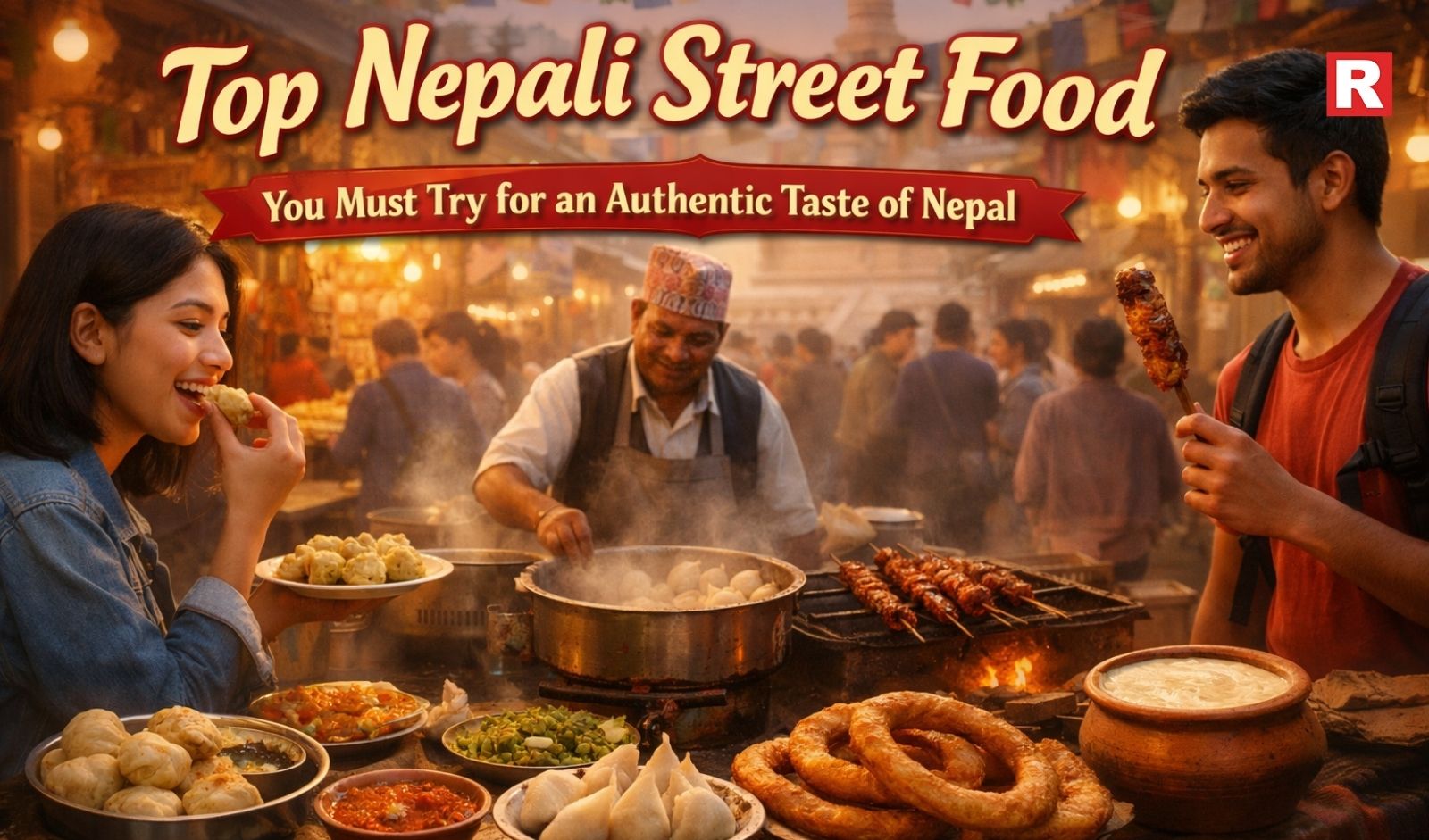
Nepal’s street culture is vibrant, affordable, and full of energy. Walk through any busy street in Kathmandu, Bagmati Province, Nepal, and one notices constant movement. Small stalls, crowded lanes, and people enjoying quick stops define the scene. It feels familiar to Indian visitors, yet it carries a distinct identity shaped by local traditions. There is a strong blend of Himalayan, Tibetan, and Indian influences in everyday life.
The atmosphere reflects simplicity and warmth. People gather, talk, and move at their own pace. The streets are not just about buying and selling. They are about connection and routine. Local habits, seasonal changes, and cultural practices shape what one sees daily. For travellers, this environment feels both new and comforting. It offers a close look at how daily life functions in Nepal. Those who enjoy exploring local cultures will find it engaging. However, people who prefer quiet spaces or less crowded areas may find the busy streets slightly overwhelming at first.
Why Nepali Street Food Is Worth Exploring
Nepali street food stands out because of its balance of taste and simplicity. The dishes are made using fresh ingredients and traditional techniques. Many recipes have been passed down for generations.
The flavours are bold but not overwhelming. You will notice the use of garlic, ginger, sesame, and local spices. Fermented elements also play an important role, especially in chutneys and pickles. Another reason to explore is affordability. Most street foods are budget-friendly, making them ideal for travellers and students. The food is quick, filling, and widely available across cities and towns.
Explore Top Nepali Street Foods You Must Try
1. Momo (The Star of Nepali Streets)
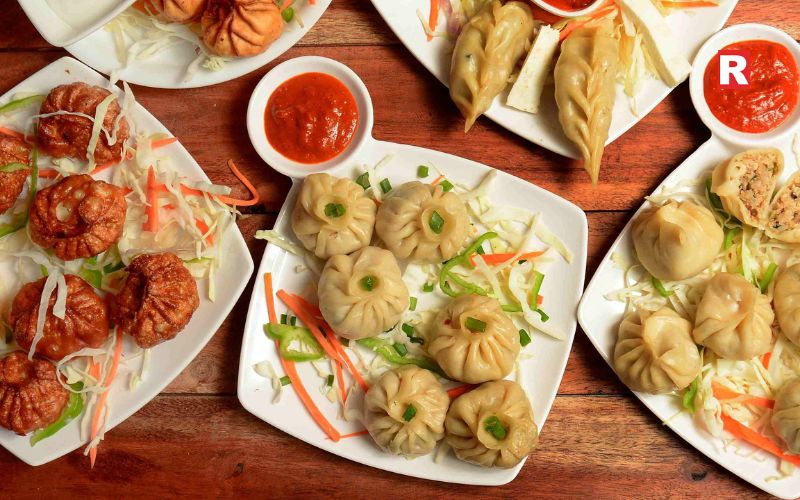
Momos are the heart of Nepali street food culture. These soft dumplings are filled with chicken, buff, or vegetables and are mostly steamed. Some vendors also fry them or serve them in spicy gravy. The highlight is the chutney. It is tangy, spicy, and often made with tomatoes and sesame seeds. The taste feels richer than regular momos found elsewhere. Nutritionally, steamed momos are light and provide protein, especially in meat versions. Vegetable momos offer fiber and vitamins. However, fried momos contain more oil and calories. People with digestive issues or those avoiding spicy food should be careful. Those on low-carb diets may also want to limit intake due to the refined flour covering.
Read more: 8 Famous Vegetarian Dishes of Uttar Pradesh and Their Timeless Legacy
5 Cities That Serve the Best Non-Vegetarian Street Food
2. Chatamari (Nepali Pizza)
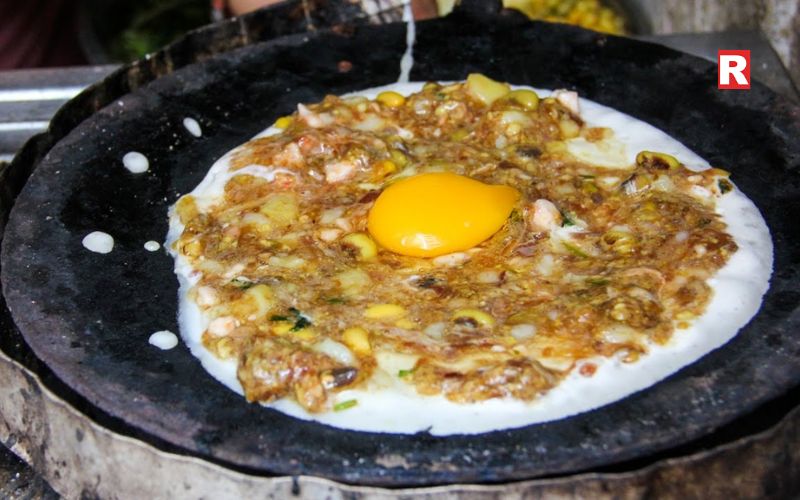
Chatamari is a traditional street food from the Newari community. It is made using a thin rice flour base, topped with eggs, minced meat, or vegetables. It is cooked fresh and has a crisp edge with a soft center. Many people call it Nepali pizza because of how it looks. However, its taste is very different. It is light and less greasy. Since it is made with rice flour, it is naturally gluten-free. Nutritionally, it provides carbohydrates and protein, depending on the toppings. It can be a balanced snack when made with vegetables and eggs. People with rice sensitivities or those managing blood sugar levels should consume it in moderation.
3. Sel Roti (Festive Street Snack)
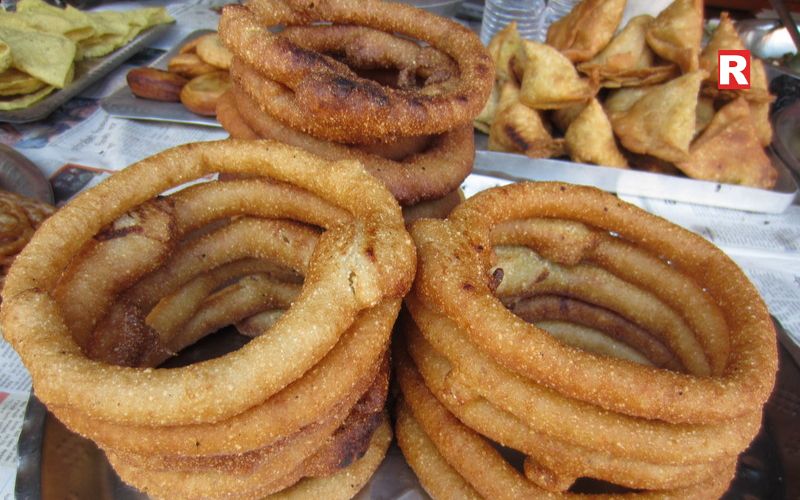
Sel roti is a popular homemade and street snack in Nepal. It is a ring-shaped bread made from rice batter and deep-fried until golden. It has a slightly sweet taste and a crisp texture. It is often seen during festivals but is also available in local markets. Many people enjoy it with tea or yogurt. Nutritionally, sel roti is rich in carbohydrates and provides quick energy. However, it is deep-fried, which increases its fat content. It also contains sugar, making it a high-calorie snack. People with diabetes or those trying to reduce sugar intake should avoid it. It may also not suit those following a low-fat diet.
4. Sekuwa (Smoky Grilled Meat)
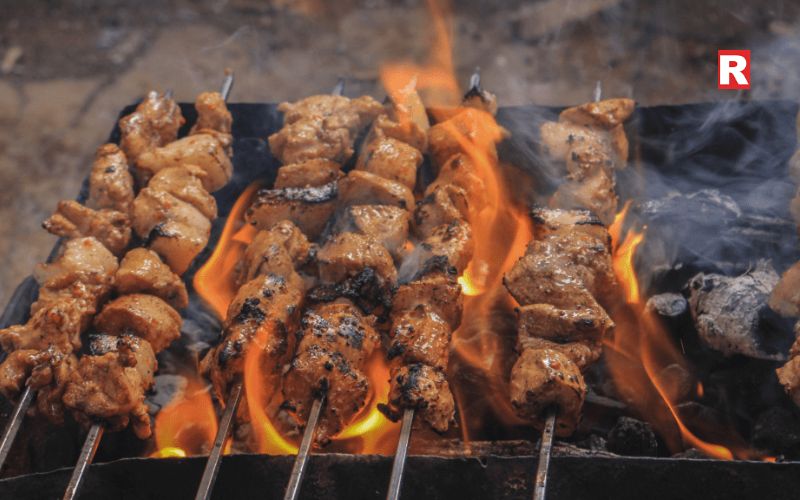
Sekuwa is a favourite among meat lovers in Nepal. It is made by marinating meat with spices and grilling it over open charcoal. This gives it a smoky and rich flavour. It is commonly served fresh in the evening at street stalls. The dish is often paired with onions, lemon, and chutney. Nutritionally, sekuwa is high in protein and can be a good option for those looking for a filling meal. Since it is grilled, it uses less oil compared to fried foods. However, it can be high in sodium and spices. People with high blood pressure or sensitive stomachs should consume it carefully. Overconsumption may also not suit those with cholesterol concerns.
Know more: 20 Famous Foods from Karnataka That Define Its Rich Food Culture
5. Panipuri (Nepali Style Golgappa)
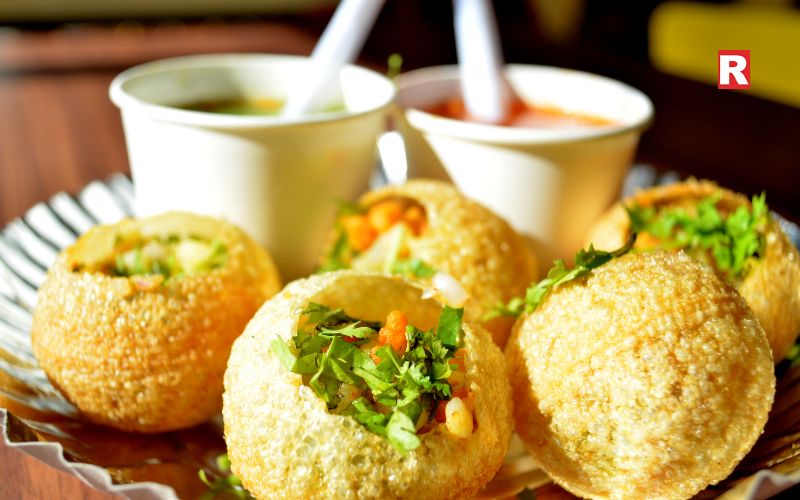
Panipuri in Nepal offers a familiar yet slightly different taste. The crispy puris are filled with spiced potatoes and tangy water. The water here is often sharper and spicier than the Indian version. Street vendors add their own mix of spices, which gives each stall a unique flavour. It is a popular quick snack, especially among young crowds. Nutritionally, panipuri is low in protein but high in carbohydrates. It is also made using fried puris, which adds to calorie intake. The spicy water may irritate sensitive stomachs. People with digestive issues or hygiene concerns should be cautious. It is best enjoyed occasionally rather than regularly.
6. Aloo Chop & Pakoda
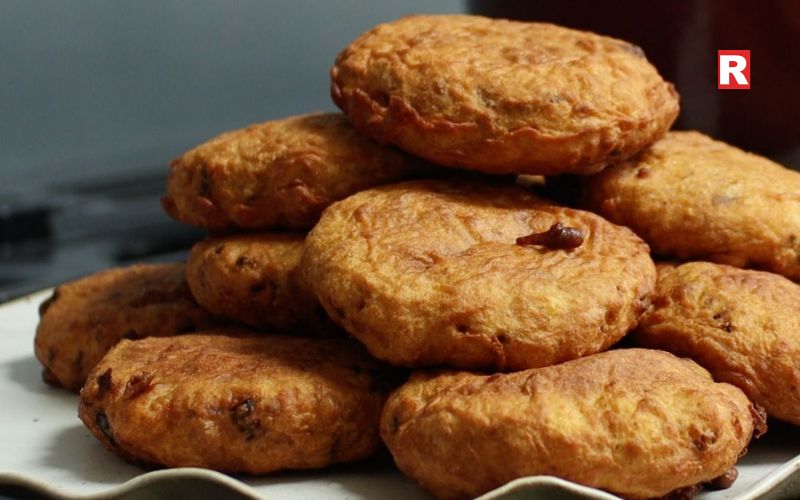
Aloo chop and pakoda are common street snacks across Nepal. Aloo chop is made from mashed potatoes mixed with spices and shaped into small portions. Pakodas are made by dipping vegetables like onions or potatoes in gram flour batter and deep-frying them. Both are served hot and taste best with tea. They are crispy on the outside and soft inside. Nutritionally, they are rich in carbohydrates and provide some protein from gram flour. However, they are deep-fried, which increases fat and calorie content. People trying to lose weight should limit intake. Those with heart conditions or high cholesterol should also avoid frequent consumption. It may not suit people with weak digestion.
7. Yomari (Sweet Dumpling Delight)
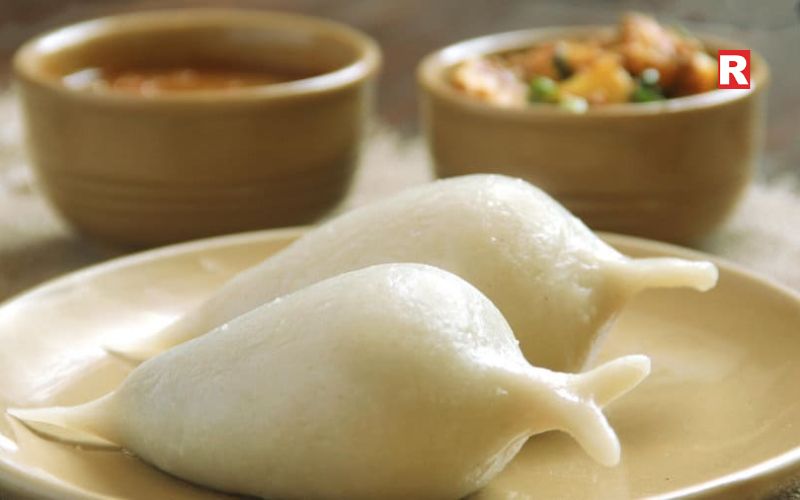
Yomari is a traditional Nepali sweet dumpling made using rice flour. It is shaped in a pointed form and filled with jaggery and sesame seeds. The outer layer is soft, while the filling is rich and sweet. It is mostly prepared during festivals but can also be found in select street markets. The taste is warm and comforting. Nutritionally, yomari provides carbohydrates and natural sugars from jaggery. Sesame seeds add healthy fats and some minerals like calcium. However, it is high in sugar and calories. People with diabetes should avoid it. Those managing weight should also consume it rarely. It may not be suitable for people on low-carb diets.
8. Thukpa (Street-Style Noodle Soup)
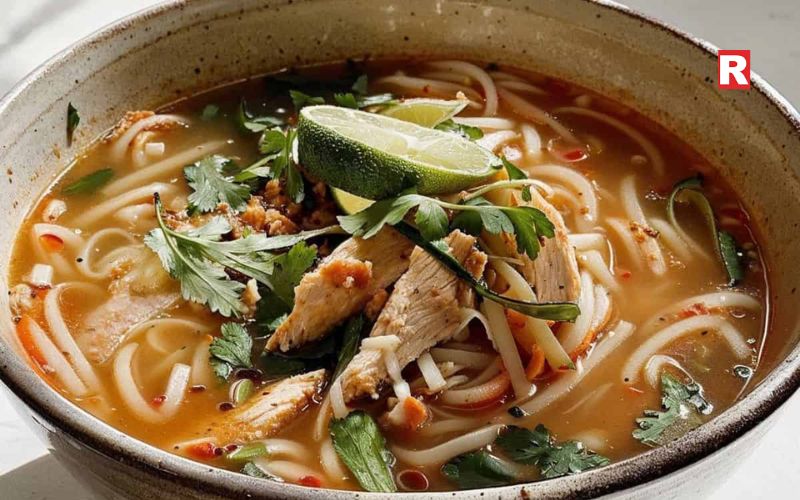
Thukpa is a popular noodle soup in Nepal, especially in colder areas. It is made with noodles, vegetables, and sometimes meat, all cooked in a light broth. The soup is warm and filling, making it a comforting street meal. It is often served fresh and hot by vendors. The flavours are mild but satisfying. Nutritionally, thukpa provides carbohydrates from noodles and protein if meat is added. Vegetables add vitamins and fiber. It is lighter compared to fried street foods. However, some versions may contain high salt levels. People with high blood pressure should be cautious. Those avoiding gluten should also check the type of noodles used before eating.
9. Laphing (Spicy Cold Noodles Trend)
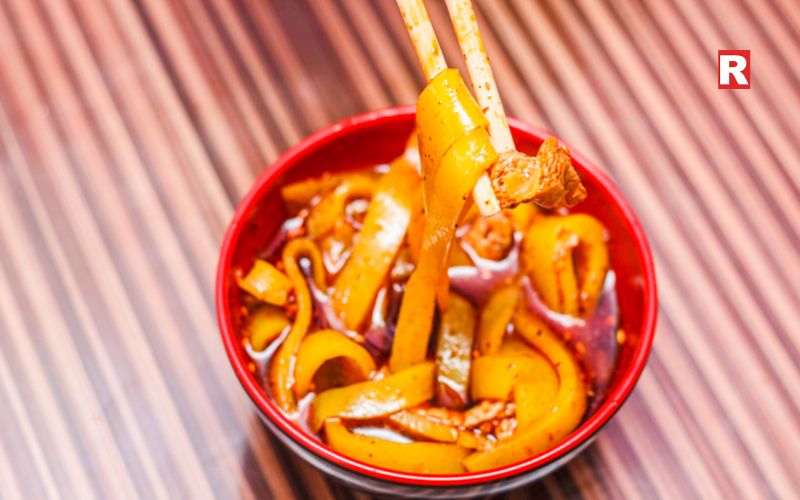
Laphing is a trendy street food that has gained popularity among young people. It is made from cold mung bean noodles and served with spicy sauces. The taste is bold, with a slight numbing effect from the spices. It is often eaten as a quick snack in busy areas. The texture is soft and slightly jelly-like. Nutritionally, it is low in fat and provides some plant-based protein. It is also lighter than fried snacks. However, the spicy sauces can be very strong. People with stomach issues should avoid it. Those sensitive to spice may find it too intense. It may also not suit people with acid reflux problems.
10. Juju Dhau (King Curd Dessert)
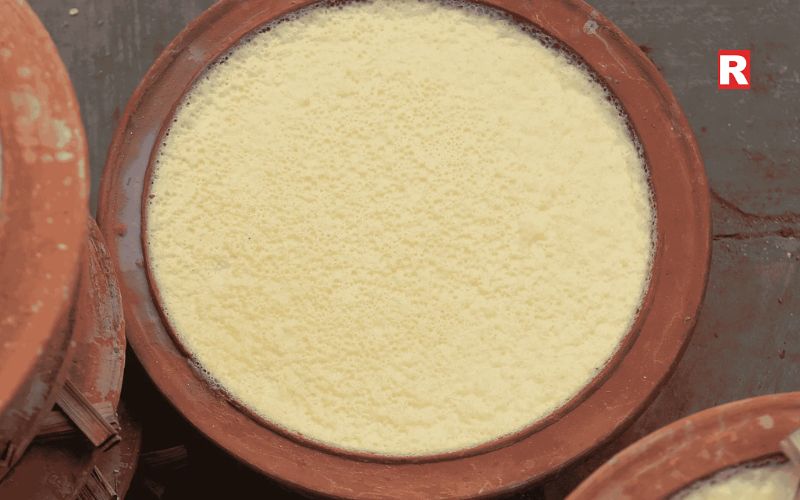
Juju Dhau is a famous Nepali dessert made from thick and creamy yogurt. It is traditionally set in clay pots, which helps improve its texture and taste. The yogurt is slightly sweet and very smooth. It is often enjoyed after meals as a cooling dish. The clay pot adds an earthy flavour, making it unique. Nutritionally, it is rich in calcium and protein. It also supports digestion due to natural probiotics. However, it contains sugar, which adds to calorie intake. People with lactose intolerance should avoid it. Those managing sugar levels should also eat it in small portions. It is best enjoyed occasionally as a dessert.
Where to Try Street Food in Nepal
Kathmandu is the best place to start your street food journey. Areas like Thamel are filled with food stalls and small vendors. You will also find great options in local markets and busy streets. Night markets are another good choice. They offer a variety of dishes in one place. Smaller towns also have their own specialties, which are worth exploring.
Choose stalls that have a high crowd. This usually means the food is fresh. Always prefer dishes that are cooked in front of you. Carry small cash, as many vendors do not accept digital payments. If you are sensitive to spice, ask the vendor to adjust the level. Also, try to explore beyond popular spots. Some of the best flavours are found in small, local streets.
Also check: 20 Famous Foods from Assam That Reflect Its True Food Culture
Top Famous Veg Street Foods in Kolkata That You Must Try Once in Your Life
The Top Most Famous Dishes of the World by Country
Happy Eating!
Nepali street food reflects culture deeply. The dishes use simple local ingredients. They are bold in taste. Many items are rich in carbohydrates from rice, wheat, or potatoes. Meat dishes such as momos and sekuwa provide protein and iron. Fried snacks like aloo chop and pakoda add fat and calories. Fermented condiments and dairy items like achar, chutney, and juju dhau add probiotics. Vegetable plates and soups like thukpa supply fiber and vitamins. Eating a mix of these dishes can be nourishing when portions are kept in check. People with high blood pressure should limit salty and spicy items. Those with diabetes must avoid sweets and frequent fried food. People with heart disease or high cholesterol should cut back on fried snacks and fatty meats. Those with lactose intolerance should skip rich dairy desserts. Travelers should pick busy, clean stalls to reduce foodborne risk.
Saptopriya Ghosal
Feature Writer
I am a dedicated media professional with a bachelor's degree in mass communication from the State University of Calcutta and a postgraduate degree from Amity University. My academic journey has equipped me with a profound understanding of storytelling and communication. Passionate about the dynamic world of media, I continually strive to explore new ways to engage and inform through compelling narratives.



































































































































































