
Top Natural Ingredients Replacing Processed Foods in Modern Diets
The future of food appears increasingly simple: fewer artificial ingredients, more natural foods, and a stronger connection to the ingredients that nourish us every day.


The way people eat is changing rapidly. More consumers today are paying attention to food labels, ingredient lists, and nutritional value. Instead of choosing heavily processed products packed with artificial additives, many are moving towards natural and minimally processed ingredients.
This shift is not just a passing trend. It reflects a growing awareness about health, wellness, and long-term nutrition. People want foods that nourish their bodies while providing better taste, quality, and transparency. As a result, natural ingredients are replacing many processed foods that once dominated supermarket shelves. From natural sweeteners to whole grains and fermented foods, modern diets are becoming cleaner and more balanced than ever before.
Why Consumers Are Moving Away from Processed Foods
Processed foods often contain added sugars, preservatives, artificial flavors, refined carbohydrates, and unhealthy fats. While these products offer convenience, excessive consumption has been linked to several health concerns.
Many consumers now understand that a diet rich in ultra-processed foods can contribute to weight gain, poor digestion, blood sugar fluctuations, and other lifestyle-related health issues. This awareness has encouraged people to look for healthier alternatives made from real and recognizable ingredients. The clean-label movement has also played a major role. Consumers want shorter ingredient lists and products that feel closer to their natural form. Foods made with traditional ingredients and minimal processing are gaining popularity across all age groups.
Explore Top Natural Ingredients Replacing Processed Foods
1. Dates Are Replacing Refined Sugar

One of the biggest changes in modern diets is the growing use of dates as a natural sweetener. Dates offer natural sweetness while providing fiber, antioxidants, vitamins, and minerals. Unlike refined white sugar, dates contain nutrients that support overall health. They also add a rich caramel-like flavor to foods and beverages. Many brands now use dates in protein bars, healthy desserts, smoothies, breakfast bowls, and baked goods. Date syrup and date paste have become popular alternatives for consumers who want to reduce their intake of refined sugar without sacrificing taste. For health-conscious individuals, dates provide a more wholesome way to satisfy sweet cravings.
2. Jaggery Is Making a Strong Comeback

Jaggery has been used in Indian households for centuries. Today, it is experiencing renewed popularity as consumers return to traditional food choices. Unlike highly refined white sugar, jaggery undergoes less processing and retains small amounts of minerals such as iron, potassium, and magnesium. Its rich flavor makes it suitable for desserts, beverages, and traditional recipes. Many people now prefer jaggery in tea, sweets, and winter preparations. Its connection to traditional eating habits makes it especially appealing to consumers seeking natural alternatives. The growing interest in Ayurveda and holistic wellness has further strengthened jaggery's position in modern diets.
3. Honey Is Replacing Artificial Sweeteners

Honey continues to be one of the most trusted natural sweeteners around the world. Consumers are increasingly choosing raw and organic honey instead of artificial sweeteners found in processed foods and beverages. Honey provides natural sweetness along with beneficial plant compounds and antioxidants. It is widely used in herbal teas, smoothies, yogurt, salad dressings, and healthy snacks. Many people appreciate its versatility and natural origin. As more consumers seek ingredients they can easily recognize and understand, honey remains a preferred choice for clean eating.
4. Oats Are Replacing Sugary Breakfast Cereals
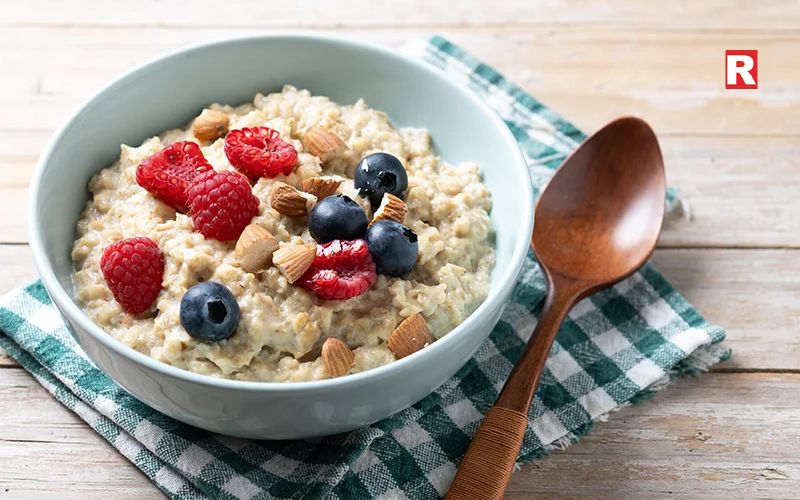
Breakfast habits have changed significantly over the past few years. Many consumers are moving away from sugary cereals and choosing oats instead. Oats are rich in fiber and provide long-lasting energy throughout the day. They help people feel fuller for longer, making them a popular option among fitness enthusiasts and working professionals. Oats can be prepared in various ways, including oatmeal, overnight oats, smoothies, pancakes, and baked goods. Their versatility makes them easy to include in everyday meals. The presence of beta-glucan fiber also supports heart health, which has contributed to their growing popularity.
5. Whole Grains Are Replacing Refined Flour
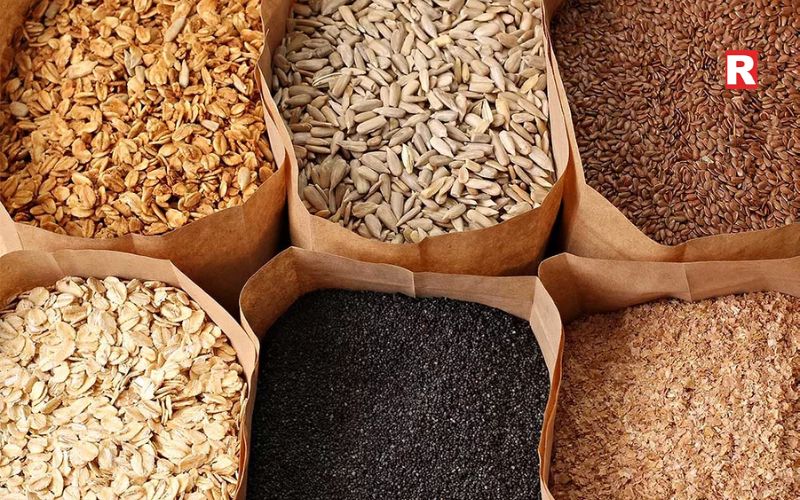
Refined flour has long been a staple ingredient in many processed foods. However, consumers are increasingly choosing whole grains as healthier alternatives. Ingredients such as millets, quinoa, brown rice, whole wheat, and buckwheat are becoming common in modern kitchens. These grains contain more fiber, vitamins, and minerals than refined options. In India, the revival of millets has been especially notable. Often referred to as ancient grains, millets are nutrient-dense and well-suited to local agricultural conditions. Whole grains also help support steady energy levels and improved digestive health, making them attractive to health-conscious consumers.
6. Healthy Oils Are Replacing Hydrogenated Fats
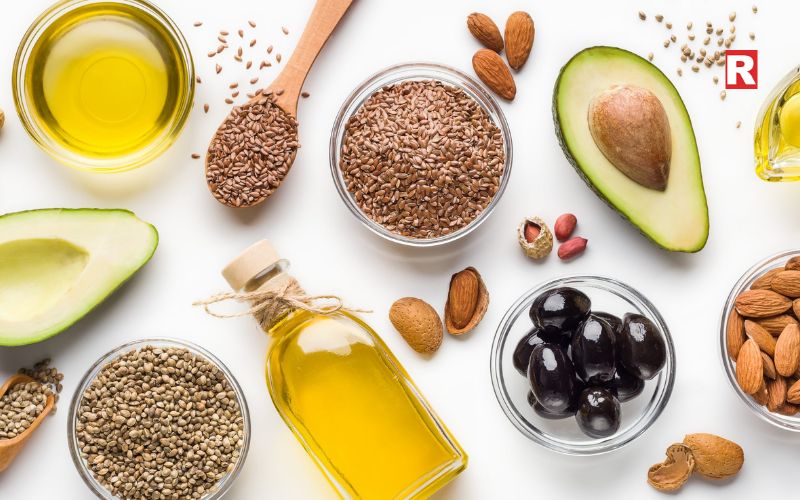
Another major dietary shift involves cooking fats and oils. Consumers are replacing hydrogenated oils and trans-fat-rich products with healthier alternatives such as extra virgin olive oil, avocado oil, and cold-pressed oils. These oils contain beneficial fats that support heart health and overall well-being. They are commonly used for cooking, dressings, marinades, and meal preparation. The increasing focus on cardiovascular health has encouraged many households to rethink the oils they use every day.
7. Fermented Foods Are Becoming Everyday Staples

Gut health has become one of the most discussed topics in nutrition. As a result, fermented foods are gaining significant attention. Foods such as yogurt, kefir, kimchi, miso, and sauerkraut contain beneficial microorganisms that support digestive health. Fermentation can also improve nutrient absorption and enhance flavor. Consumers are becoming more aware of the connection between gut health and overall wellness. This has encouraged greater interest in traditional fermented foods that have been consumed for generations. Many nutrition experts believe fermented foods will continue to play an important role in healthy eating habits.
8. Nuts and Seeds Are Replacing Packaged Snacks
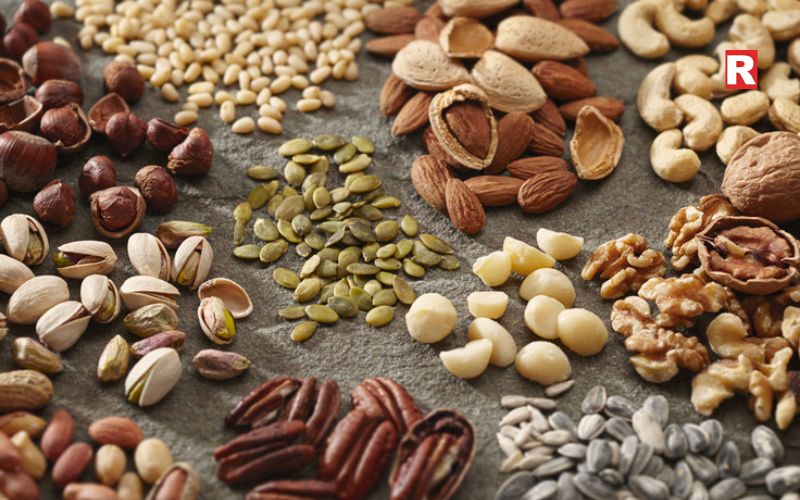
Snacking habits are evolving as consumers seek more nutritious options. Instead of reaching for chips, cookies, and heavily processed snacks, many people now choose almonds, walnuts, pistachios, pumpkin seeds, chia seeds, and flaxseeds. These foods provide healthy fats, plant protein, fiber, and essential nutrients. They also help promote satiety, making them ideal for busy lifestyles. The demand for healthier snacking solutions has encouraged food brands to develop products based on nuts and seeds rather than artificial ingredients.
Natural Nut Butters Are Replacing Sugary Spreads
Traditional spreads often contain added sugars, preservatives, and artificial flavors. In contrast, natural nut butters offer a simpler and more nutritious alternative.
Peanut butter, almond butter, and cashew butter have become pantry essentials for many households. Consumers increasingly look for products made with minimal ingredients and no unnecessary additives.
Nut butters can be used in sandwiches, smoothies, breakfast bowls, and healthy desserts, making them both practical and nutritious.
Their combination of protein and healthy fats has helped drive their popularity among fitness-focused consumers.
Plant-Based Proteins Are Replacing Processed Meat Products
Plant-based nutrition continues to gain momentum across the world. Many consumers are incorporating lentils, chickpeas, beans, tofu, and tempeh into their diets as alternatives to heavily processed meat products. These ingredients provide protein while also delivering fiber, vitamins, and minerals.
The growing focus on sustainability has further accelerated demand for plant-based foods. Consumers increasingly view these ingredients as beneficial for both personal health and environmental well-being. Food manufacturers are responding by developing innovative products that make plant-based eating more accessible and appealing.
Happy Eating!
The movement toward natural ingredients is reshaping the global food industry. Consumers are demanding greater transparency, cleaner labels, and foods that support long-term health. Natural sweeteners, whole grains, healthy fats, fermented foods, nuts, seeds, and plant-based proteins are no longer niche products. They are becoming mainstream choices in households, restaurants, cafés, and retail stores.
As awareness of nutrition continues to grow, the preference for minimally processed foods is expected to strengthen further. For many consumers, eating well is no longer about following a temporary diet. It is about making sustainable choices that support health, energy, and overall quality of life. The future of food appears increasingly simple: fewer artificial ingredients, more natural foods, and a stronger connection to the ingredients that nourish us every day.
Saptopriya Ghosal
Feature Writer
I am a dedicated media professional with a bachelor's degree in mass communication from the State University of Calcutta and a postgraduate degree from Amity University. My academic journey has equipped me with a profound understanding of storytelling and communication. Passionate about the dynamic world of media, I continually strive to explore new ways to engage and inform through compelling narratives.



































































































































































