
Top Natural Fibre Sources in Your Daily Food Intake
Small daily changes can make a big difference over time. Choosing natural fibre sources regularly is one of the easiest steps toward better long-term health and wellness.


Modern eating habits have changed rapidly over the years. Processed foods, refined flour, sugary snacks, and fast meals have become part of daily life. While these foods may feel convenient, they often lack one important nutrient that the body truly needs every day — fibre.
Dietary fibre plays a major role in keeping the digestive system healthy. It also supports heart health, weight management, blood sugar balance, and gut wellness. Yet many people still do not consume enough fibre in their daily meals. The good news is that fibre does not only come from expensive health foods or supplements. Many natural fibre-rich foods are already present in Indian kitchens. From lentils and fruits to seeds and whole grains, adding fibre to your diet can be simple and affordable.
What is Dietary Fibre?
Dietary fibre is a type of carbohydrate found in plant-based foods that the body cannot completely digest or absorb. Unlike regular carbohydrates that break down into sugar, fibre moves through the digestive system mostly unchanged. During this process, it supports healthy digestion, improves bowel movement, and helps maintain overall gut health. Fibre is mainly divided into two types — soluble and insoluble fibre. Soluble fibre dissolves in water and forms a gel-like substance that helps slow digestion, manage blood sugar levels, and support heart health by lowering bad cholesterol. Foods like oats, apples, chia seeds, lentils, and barley are rich in soluble fibre. Insoluble fibre does not dissolve in water and mainly helps add bulk to stool, making it important for preventing constipation and improving digestive regularity. Whole wheat, brown rice, vegetable peels, nuts, and leafy vegetables are excellent sources of insoluble fibre. Both types are essential for a balanced and healthy diet.
Why Fibre is Important in Daily Food Intake
Supports Better Digestion: Fibre helps food move smoothly through the digestive tract. It prevents constipation and improves bowel regularity. People who eat fibre-rich foods often experience better digestion and less bloating.
Keeps You Full for Longer: One major reason nutrition experts recommend fibre is its ability to increase satiety. Fibre-rich foods take longer to digest. This helps control hunger and reduces unnecessary snacking. For people trying to manage their weight, fibre can become a natural support system without extreme dieting.
Improves Gut Health: The gut contains trillions of healthy bacteria that support digestion and immunity. Certain types of fibre act as prebiotics. They feed good bacteria and help maintain a healthy gut microbiome. Today, gut health is becoming a major wellness focus because it affects digestion, immunity, energy levels, and even mood.
Helps Balance Blood Sugar: Fibre slows down sugar absorption in the bloodstream. This helps avoid sudden spikes and crashes in blood sugar levels. People managing diabetes or insulin resistance are often advised to increase fibre intake naturally.
Supports Heart Health: Soluble fibre may help reduce LDL cholesterol, commonly known as bad cholesterol. A fibre-rich diet is often linked with better cardiovascular health and improved metabolic function.
Explore Top Natural Fibre Sources to Add to Your Daily Diet
1. Oats
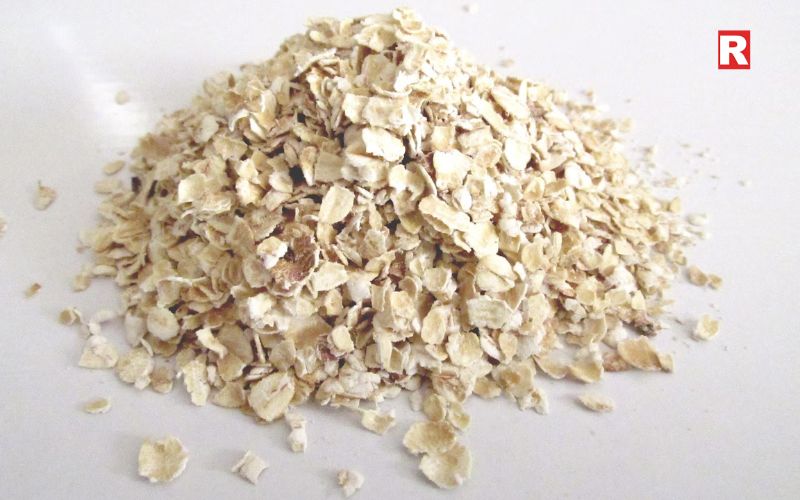
Oats are one of the best natural sources of soluble fibre, especially beta-glucan, which is known to support heart health and improve digestion. Beta-glucan forms a gel-like layer in the stomach that slows digestion and helps people stay full for longer periods. This makes oats a preferred breakfast choice for people managing weight or blood sugar levels. Oats also support healthy cholesterol levels and provide steady energy throughout the day. Their versatility makes them easy to include in both sweet and savoury meals.
Key Benefits:
- Rich in soluble fibre called beta-glucan
- Helps improve satiety and digestion
- Supports cholesterol and heart health
- Can be used in smoothies, pancakes, porridge, and snacks
- Provides slow-release energy
2. Fruits with Skin
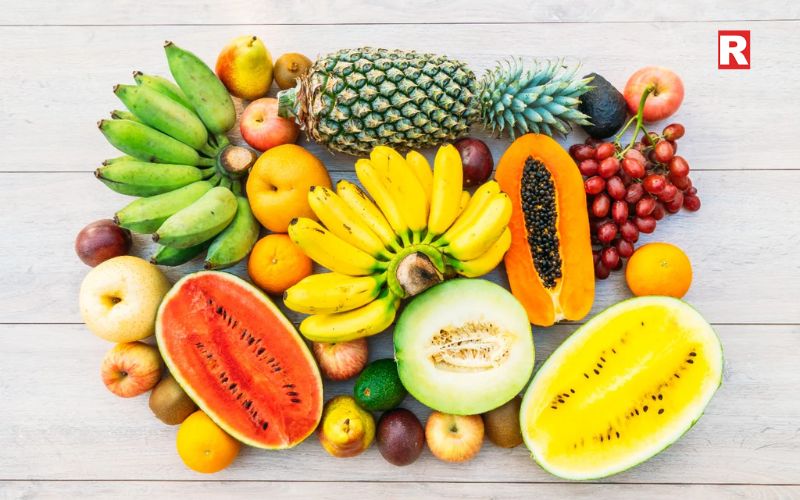
Many fruits naturally contain fibre, but eating them with the skin increases fibre intake significantly. The skin of fruits contains insoluble fibre, which helps improve bowel movement and digestive health. Fruits like apples, pears, guavas, and kiwis also contain vitamins, antioxidants, and water, making them excellent for overall wellness. Guava is especially fibre-rich and commonly available in India. Whole fruits are always better than fruit juices because juices often lose most of the natural fibre during processing.
Best Fibre-Rich Fruits:
- Apples with skin
- Pears
- Guava
- Kiwi
3. Lentils and Legumes
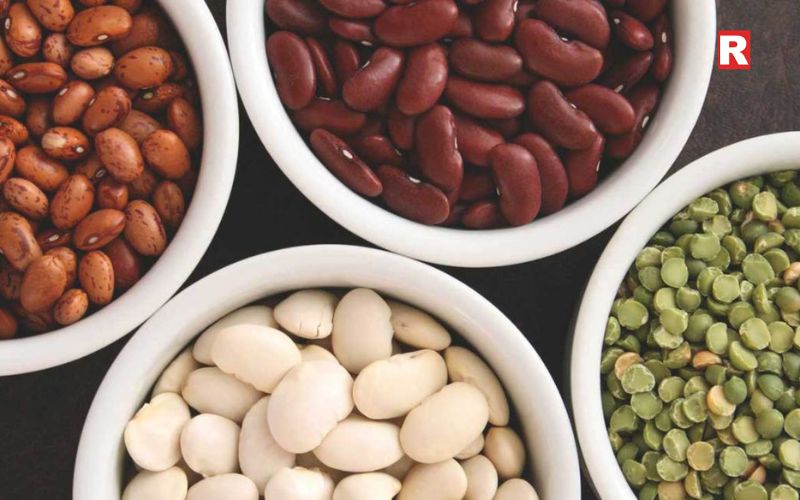
Lentils and legumes are a major part of Indian meals and are naturally high in both protein and fibre. Foods like rajma, chana, moong dal, and masoor dal help support digestion while also keeping the stomach full for longer. Their fibre content slows digestion, which helps maintain stable energy levels and reduces frequent hunger cravings. They are also rich in iron, plant protein, and essential minerals. Since they are affordable and easy to cook, they remain one of the healthiest additions to daily diets.
Popular Fibre-Rich Options:
- Rajma
- Chana
- Moong dal
- Masoor dal
4. Whole Grains
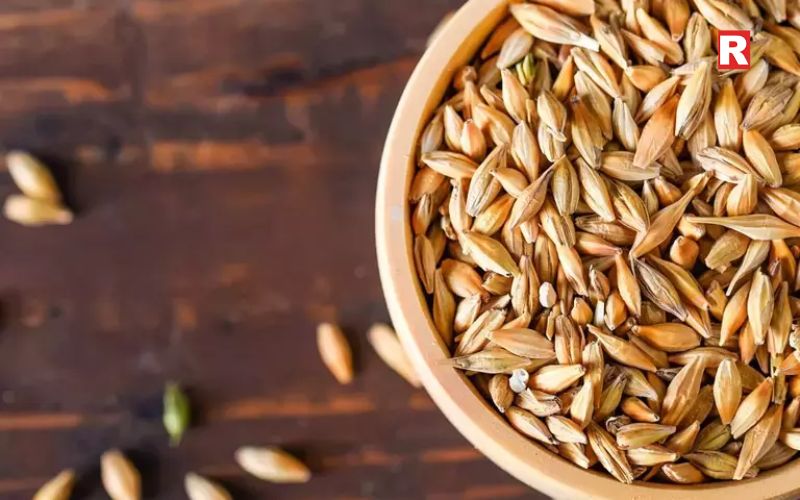
Whole grains retain their outer bran layer, which contains fibre, vitamins, and minerals. Unlike refined grains, whole grains digest slowly and provide longer-lasting energy. Foods like brown rice, bajra, jowar, barley, and whole wheat support better digestion and help people feel fuller for a longer time. Millets such as bajra and jowar are also becoming popular again because they are naturally rich in nutrients and suitable for balanced eating habits. Traditional Indian diets once relied heavily on these grains before processed flour became common.
Healthy Whole Grain Choices:
- Brown rice
- Bajra
- Jowar
- Whole wheat
- Barley
5. Seeds
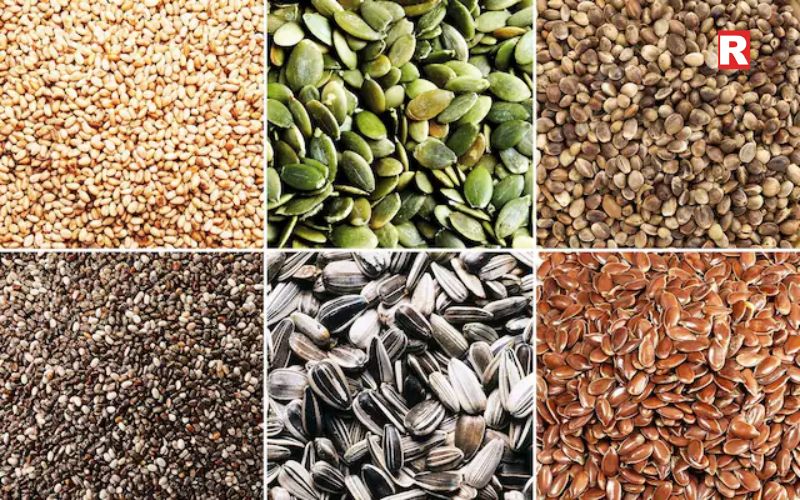
Seeds are small but packed with fibre, healthy fats, and nutrients. Chia seeds absorb water and expand in the stomach, helping people feel full for longer. Flaxseeds contain both fibre and omega-3 fatty acids, which support heart and digestive health. Pumpkin seeds also provide fibre along with minerals like magnesium and zinc. These seeds can easily be added to curd, smoothies, salads, oats, or breakfast bowls. Their growing popularity is linked to the increasing awareness around clean eating and gut health.
Top Fibre-Rich Seeds:
- Chia seeds
- Flaxseeds
- Pumpkin seeds
6. Vegetables
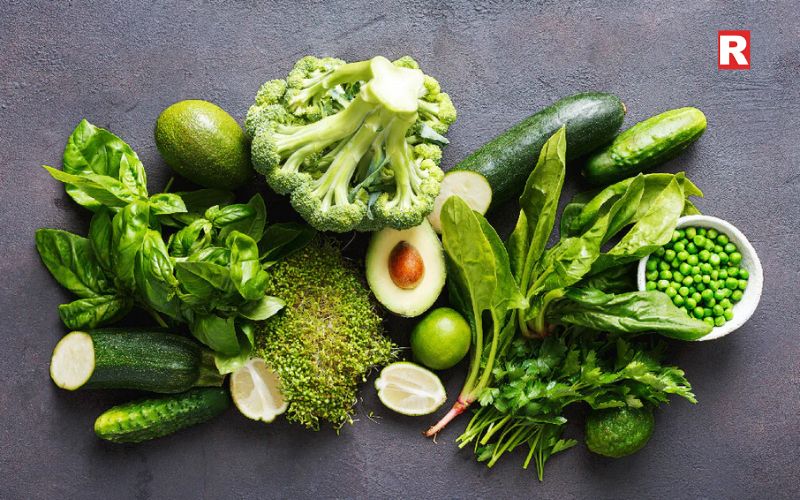
Vegetables are among the easiest and healthiest ways to increase fibre intake naturally. High-fibre vegetables like broccoli, carrots, spinach, beans, and cabbage also contain vitamins, antioxidants, and water that support overall health. Fibre from vegetables helps improve bowel movement and keeps the digestive system active. Green vegetables also support immunity and help maintain balanced nutrition. Including vegetables in lunch and dinner daily can improve digestion, reduce overeating, and increase nutrient intake without adding excess calories.
High-Fibre Vegetables:
- Broccoli
- Carrots
- Spinach
- Beans
- Cabbage
7. Nuts
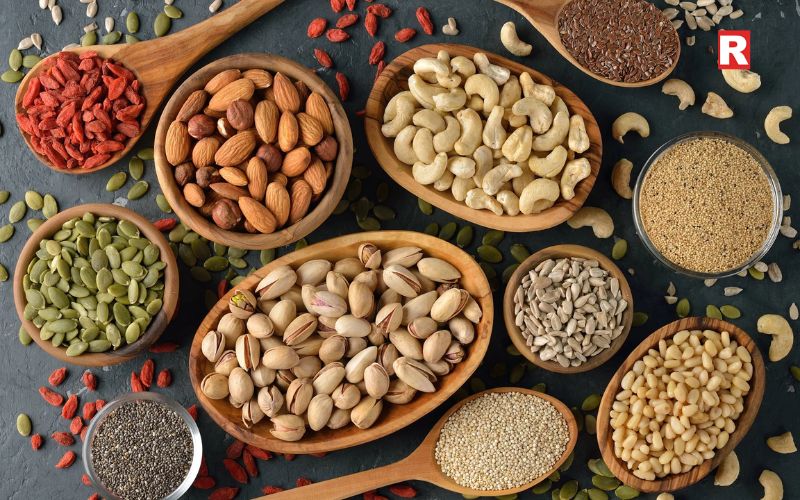
Nuts are nutrient-dense foods that provide fibre, healthy fats, and protein together. Almonds, walnuts, and peanuts are especially popular because they help keep hunger under control while supporting energy levels. Fibre in nuts helps slow digestion and improves satiety, making them healthier snack alternatives compared to processed foods. Walnuts also contain omega-3 fatty acids, while almonds are rich in vitamin E and magnesium. Eating a moderate amount of nuts daily may support heart health and better eating habits.
Best Nuts for Fibre:
- Almonds
- Walnuts
- Peanuts
Fibre-Rich Indian Foods That Are Often Ignored
Several traditional Indian foods are naturally rich in fibre but are often overlooked today.
Roasted Chana: Roasted chana is one of the healthiest Indian snacks. It is rich in fibre and protein while being affordable and filling.
Isabgol: Isabgol, also known as psyllium husk, is commonly used for digestion support. It absorbs water and helps improve bowel movement.
Sprouts: Sprouts are nutrient-dense and fibre-rich. They can be eaten in salads, chaats, or breakfast bowls.
Methi Seeds: Fenugreek seeds contain soluble fibre and are often used in Indian cooking. Many people also soak them overnight for digestive benefits.
Signs Your Diet May Be Low in Fibre
Many people do not realise that their body may be lacking fibre.
Common signs include:
- Constipation
- Irregular digestion
- Frequent hunger
- Bloating
- Low energy
- Difficulty managing weight
A low-fibre diet can also affect gut health over time.
Happy Eating!
Fibre is no longer just linked with digestion. It has become one of the most important nutrients for modern lifestyles. From improving gut health and supporting weight management to helping maintain heart health and balanced blood sugar, fibre plays multiple roles inside the body. The best part is that natural fibre-rich foods are easy to find and simple to include in daily meals. Oats, fruits, lentils, vegetables, whole grains, seeds, and nuts can together create a healthier and more balanced diet. Small daily changes can make a big difference over time. Choosing natural fibre sources regularly is one of the easiest steps toward better long-term health and wellness.
Saptopriya Ghosal
Feature Writer
I am a dedicated media professional with a bachelor's degree in mass communication from the State University of Calcutta and a postgraduate degree from Amity University. My academic journey has equipped me with a profound understanding of storytelling and communication. Passionate about the dynamic world of media, I continually strive to explore new ways to engage and inform through compelling narratives.



































































































































































