
Top Low-Calorie Foods to Enjoy Guilt-Free
Low-calorie eating is not just a temporary trend. It is a simple and sustainable habit that can be followed every day. Indian kitchens naturally provide many low-calorie foods that are affordable, tasty, and healthy.


Eating healthy does not mean eating less. It means eating smart. Many people believe low-calorie food is boring or leaves you hungry. That is not true, especially in an Indian kitchen. India already has many foods that are naturally low in calories, high in volume, and full of nutrition. Low-calorie eating is not about dieting or skipping meals. It is about choosing foods that keep you full, light, and energetic. Calories are units of energy. When the body consumes more calories than it uses, the excess gets stored as fat. Over time, this leads to weight gain and lifestyle issues. Low-calorie foods help because they allow you to eat larger portions with fewer calories. This supports portion control without hunger. It also improves digestion and daily energy levels. For Indian households, this approach works well. Traditional Indian meals already focus on vegetables, lentils, curd, and seasonal fruits. The key is balance and cooking style. This article explores the best low-calorie foods you can enjoy guilt-free, without changing your food culture or taste preferences.
What Makes a Food Low in Calories but High in Value
Not all low-calorie foods are equal. Some foods are low in calories but do not fill you up. The best low-calorie foods share three key qualities.
- High water content: Foods with more water add volume to meals. They make you feel full faster.
- High fibre: Fibre slows digestion. It keeps you full for longer and supports gut health.
- Good protein: Protein helps control hunger and supports muscle health.
Foods that combine these factors are ideal for guilt-free eating.
Top Low-Calorie Foods to Enjoy Guilt-Free
1. Cucumber
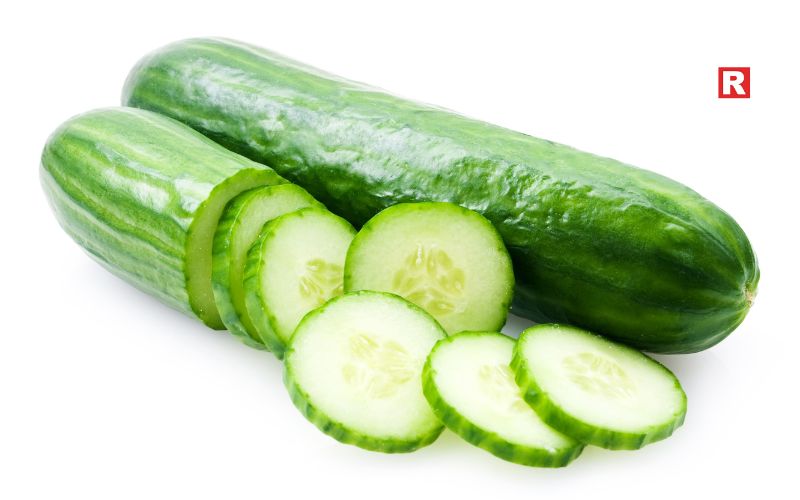
Calories: Around 16 calories per 100 grams
Cucumber is made up mostly of water. This makes it light, cooling, and refreshing. It fills the stomach without adding many calories. Because of its high water content, it helps reduce bloating and keeps the body hydrated, especially in warm weather. In Indian households, cucumber is a regular part of daily meals. It is commonly eaten as a fresh salad, mixed into raita, or added to simple chaat. Many people enjoy it as a mid-day snack with a pinch of salt and a squeeze of lemon. It is best eaten in the afternoon or early evening for a light, clean feeling.
Read more: High Protein Indian Meals You Should Try
Try These Veg Soups in These Freezing Winters
2. Bottle Gourd (Lauki)
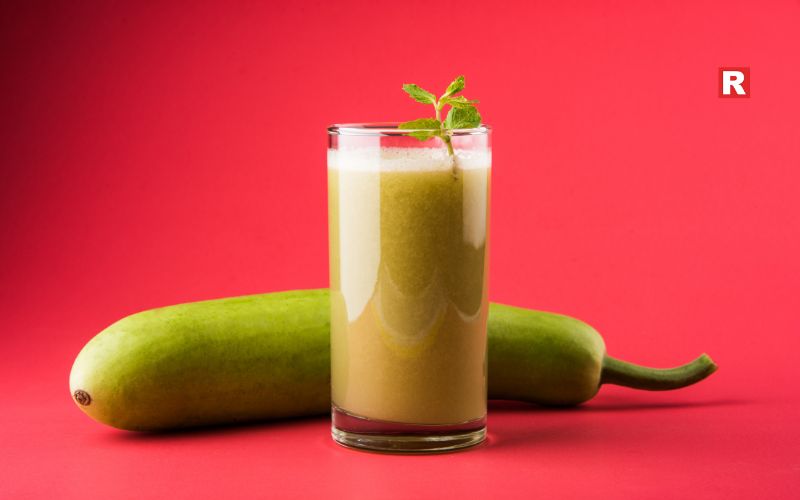
Calories: Around 14 calories per 100 grams
Bottle gourd is rich in water and fibre. It is light on the stomach and easy to digest. It helps people feel full without feeling heavy or uncomfortable. This makes it suitable for regular meals. In Indian homes, bottle gourd is commonly cooked as a simple sabzi. It is also added to dal or prepared as a light soup. When cooked with very little oil and mild spices, it becomes an ideal low-calorie food. It supports balanced eating without compromising taste. Bottle gourd works well for both lunch and dinner, especially for those who prefer light and comforting meals.
3. Spinach (Palak)
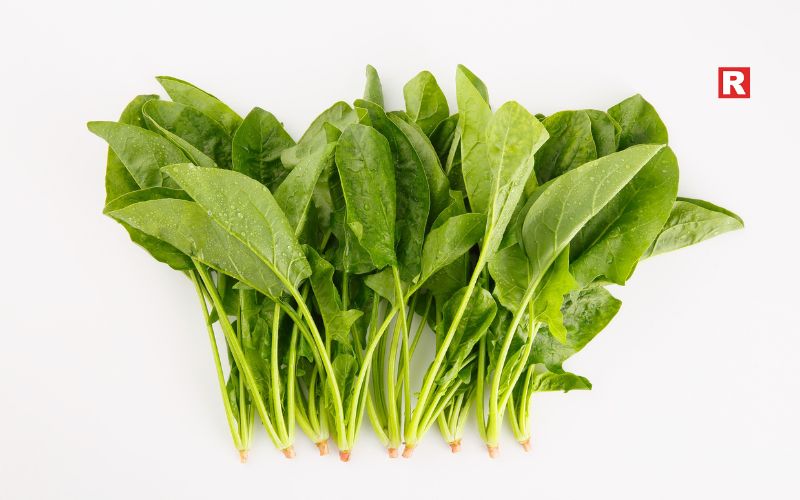
Calories: Around 23 calories per 100 grams
Spinach is rich in iron, fibre, and antioxidants. It supports digestion and overall strength. It adds volume to meals without increasing calorie intake. This helps people feel full for longer. In Indian kitchens, spinach is a commonly used vegetable. It is cooked as sabzi, mixed into dal, used in paratha fillings, or added to soups. When spinach is lightly cooked, it retains most of its nutrients and stays easy to digest. Overcooking is usually avoided to keep it light. Spinach works best as part of lunch, as it provides steady energy without feeling heavy on the stomach.
4. Cauliflower (Gobi)
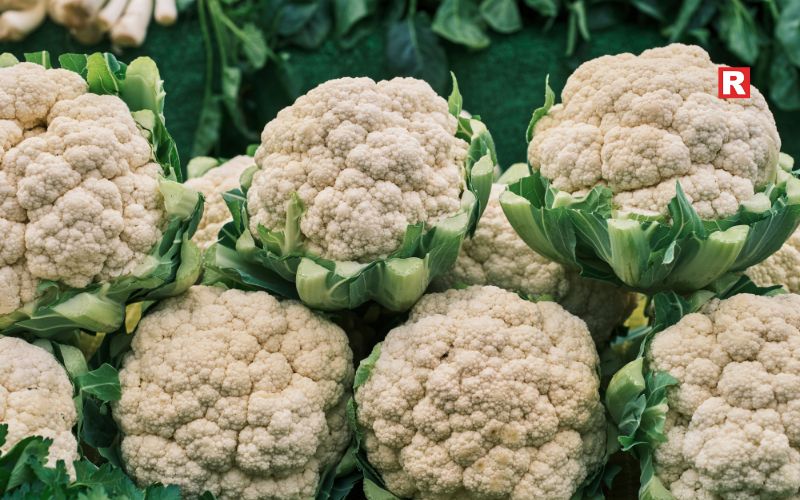
Calories: Around 25 calories per 100 grams
Cauliflower is high in fibre and low in carbohydrates. It helps control hunger and keeps the stomach full for a longer time. This makes it useful for people managing their weight. Cauliflower is easy to cook and fits well into everyday Indian meals. It is often prepared as a dry sabzi, added to soups, or lightly stir-fried with basic spices. Using less oil helps keep the dish light and low in calories. Deep frying is usually avoided. Cauliflower works well for both lunch and dinner, especially when paired with simple dals or rotis.
5. Papaya
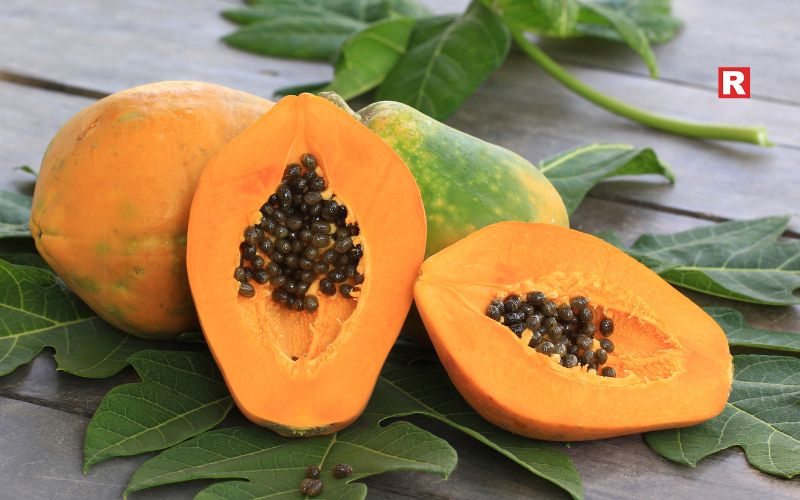
Calories: Around 43 calories per 100 grams
Papaya contains natural enzymes that help break down food and support digestion. It is light on the stomach and easy to absorb. The fruit is filling and has a mild natural sweetness. This makes it a good option for those managing their weight without avoiding fruits. Papaya is commonly eaten in the morning or as a light snack between meals. It provides energy without heaviness. Many people include it in their daily routine for better digestion. Papaya works best when eaten fresh and plain. Morning is considered the ideal time to enjoy this fruit for a clean and balanced start.
Know more: Power-Packed Mornings: 8 Protein-Rich Vegetarian Indian Breakfast Idea
6. Watermelon
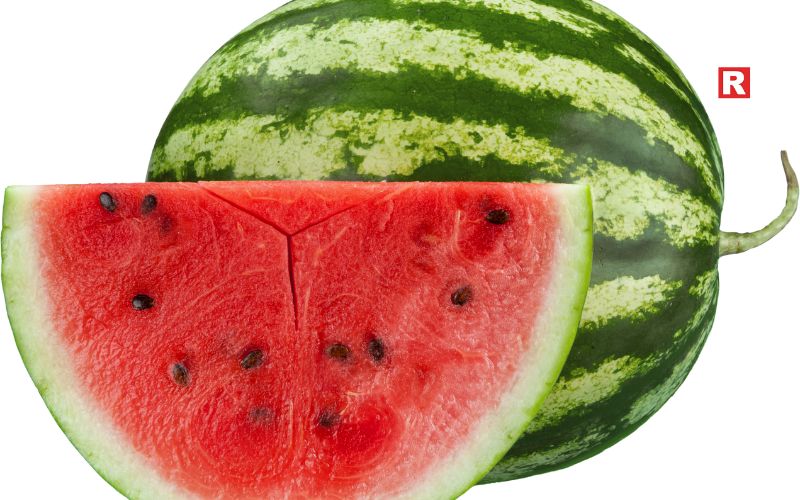
Calories: Around 30 calories per 100 grams
Watermelon has a very high water content. This makes it refreshing and suitable for hot Indian weather. It helps keep the body cool and hydrated. The fruit is naturally sweet and satisfies sugar cravings without adding many calories. This makes it a better choice than packaged sweets or desserts. Portion control is still necessary, as eating too much can cause discomfort. Watermelon is often eaten fresh and plain. It works well as a light snack between meals. Many people prefer it during mid-morning or in the evening, when the body needs hydration and a quick energy boost.
7. Sprouts
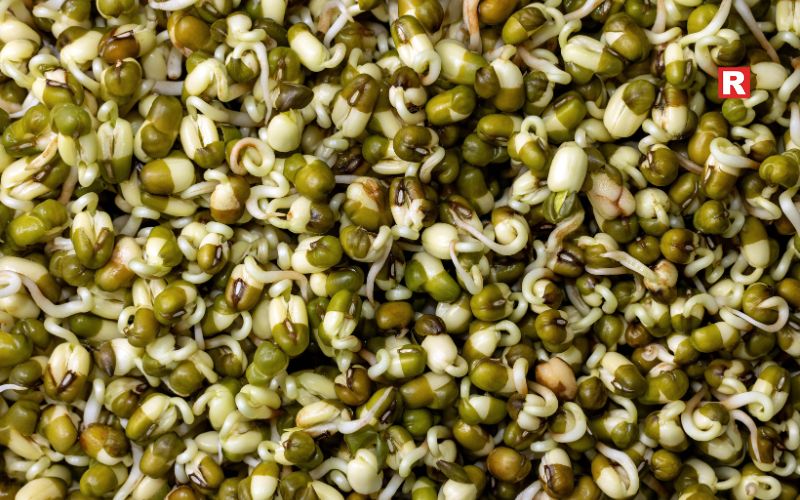
Calories: Around 30–40 calories per 100 grams
Sprouts are rich in protein and fibre. They help the body feel full for a longer time. This reduces frequent hunger and supports muscle health. Sprouts are light and easy to digest when prepared properly. In Indian homes, they are commonly eaten as fresh salad, simple chaat, or lightly sautéed with mild spices. They are a good option for those looking for low-calorie protein in daily meals. Sprouts fit well into a balanced diet without adding heaviness. They are best eaten for breakfast or lunch, when the body needs steady energy and nourishment.
8. Boiled Eggs
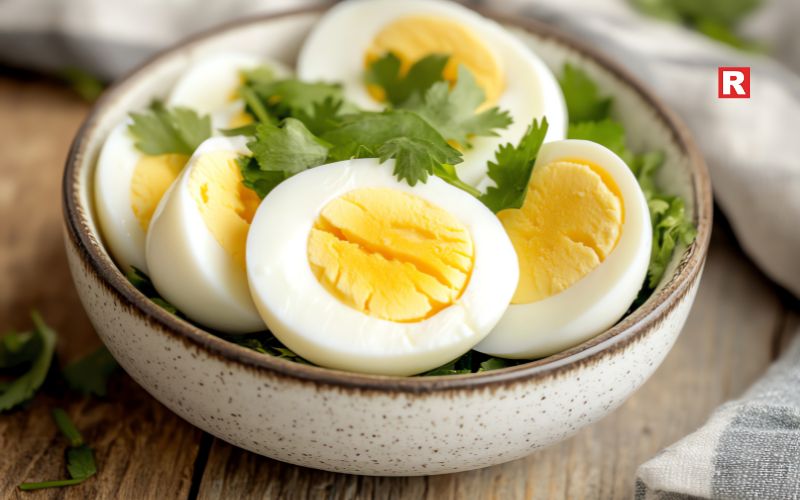
Calories: Around 70 calories per egg
Eggs are a strong source of protein. Protein helps control appetite and reduces the urge to overeat. It also supports a healthy metabolism and muscle repair. Boiled eggs are simple to prepare and do not require oil or heavy cooking. This keeps them light and nutritious. They are easy to carry and fit well into busy routines. Many people include boiled eggs in their daily meals for steady energy. They work well as a filling breakfast or a light snack. Boiled eggs are also suitable after workouts, as they help the body recover and stay satisfied.
9. Curd and Buttermilk
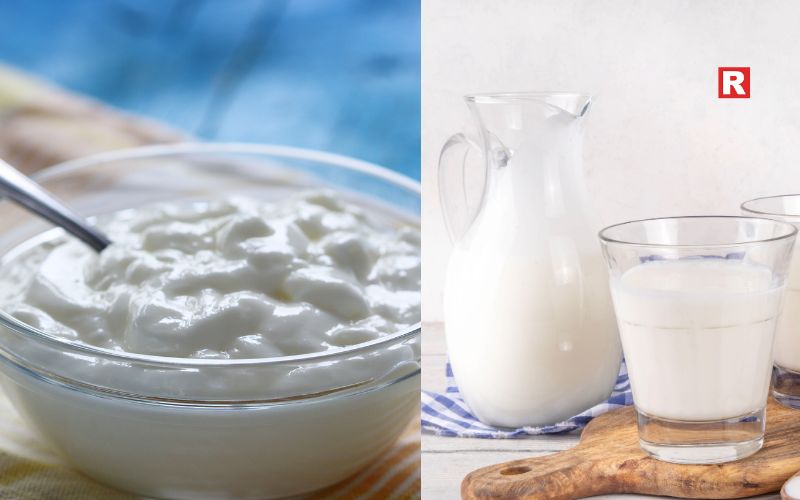
Calories: Around 60 calories per 100 grams (curd)
Curd and buttermilk support gut health and improve digestion. They contain natural probiotics that help maintain a healthy stomach. Both are cooling in nature and suitable for daily meals. They help the body feel full without heaviness. In Indian homes, plain curd and unsalted buttermilk are commonly consumed. It is important to avoid added sugar, cream, or flavouring, as these increase calories. When taken in their natural form, they remain light and nourishing. Curd and buttermilk work best during lunch or in the afternoon. They help balance the meal and support comfortable digestion throughout the day.
10. Clear Vegetable Soup
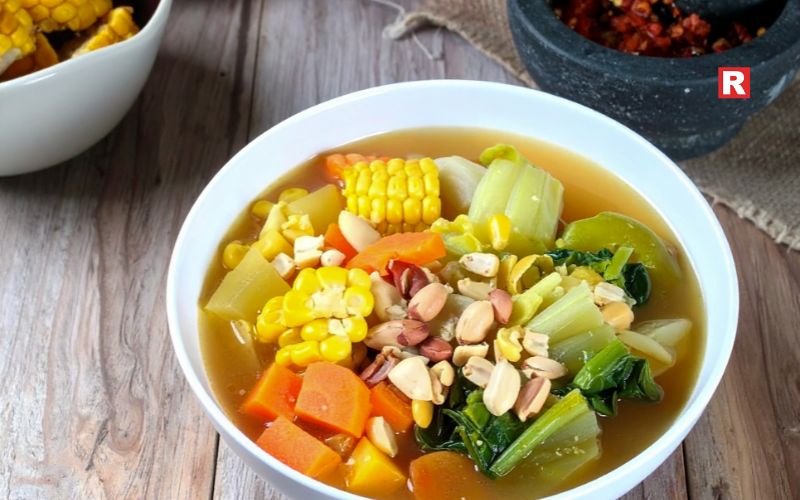
Calories: Around 30–50 calories per bowl
Clear vegetable soups are low in calories and high in water content. They help control portion size and reduce the tendency to overeat during main meals. Soups are light, easy to digest, and provide warmth and comfort. In Indian homes, simple vegetable soups with seasonal vegetables are commonly prepared. They can be served as starters before lunch or dinner, or as a light meal on their own. Minimal use of oil and spices keeps them healthy and low in calories. Vegetable soups are best eaten in the evening or at dinner, supporting digestion and a feeling of fullness without heaviness.
Low-Calorie Indian Snacks That Actually Work
Many Indian snacks can be low in calories if prepared right.
- Roasted chana is crunchy and filling.
- Makhana roasted with little oil is light and satisfying.
- Vegetable chaat without heavy chutneys is refreshing.
- Steamed snacks like idli in moderation work well.
The key is minimal oil and controlled portions.
Also check: 5 Ways to Use Garden Cress Seeds (Halim) for Stronger Hair and Bones
7 Desi Alternatives to Oatmeal for Weight Loss
8 Famous Vegetarian Dishes of Uttar Pradesh and Their Timeless Legacy
How to Build a Guilt-Free Plate
A simple plate rule works well.
- Half the plate should be vegetables.
- One portion should be protein like dal, eggs, or curd.
- A small portion can be carbs like rice or roti.
- Oil should be minimal.
This structure supports fullness without excess calories.
Final Thought!
Low-calorie eating is not just a temporary trend. It is a simple and sustainable habit that can be followed every day. Indian kitchens naturally provide many low-calorie foods that are affordable, tasty, and healthy. Vegetables, fruits, dals, curd, and sprouts are all examples of foods that fill the stomach without adding excess calories. Eating well does not mean eating less or skipping meals. It means choosing the right foods and balancing meals carefully. When meals are light, filling, and nourishing, the body feels energetic and comfortable. Over time, this approach helps maintain a healthy weight and improves overall well-being. Consistency is more important than being perfect every day. Making small, mindful changes in daily eating habits creates lasting results. Simple choices like adding more vegetables, eating fruits at the right time, and reducing oil can make a big difference in the long run.
Saptopriya Ghosal
Feature Writer
I am a dedicated media professional with a bachelor's degree in mass communication from the State University of Calcutta and a postgraduate degree from Amity University. My academic journey has equipped me with a profound understanding of storytelling and communication. Passionate about the dynamic world of media, I continually strive to explore new ways to engage and inform through compelling narratives.



































































































































































