
Top Indigenous Ingredients Taking Over Restaurant Menus
The next generation of restaurant menus may not depend on distant food trends. Instead, they may celebrate ingredients that have existed within India's landscapes for centuries.


India's restaurant industry is experiencing a fascinating shift. For decades, imported ingredients such as avocados, quinoa, and exotic berries dominated premium menus. Today, chefs are looking closer to home. Indigenous ingredients that were once confined to regional kitchens are finding their way into fine-dining restaurants, cafés, and innovative cloud kitchens.
This movement is not simply about nostalgia. It reflects changing consumer preferences, sustainability goals, and a growing appreciation for India's culinary heritage. Diners now want experiences that feel authentic and meaningful. Restaurants, in turn, are embracing ingredients that tell stories of communities, landscapes, and traditions. From ancient grains to forest produce, these native ingredients are reshaping menus and redefining what premium dining looks like.
Why Indigenous Ingredients Are Gaining Popularity
Modern diners are becoming more conscious about what they eat and where their food comes from. Sustainability, nutrition, authenticity, and cultural connection have become important factors influencing dining decisions. For restaurants, indigenous ingredients offer several advantages. They help create distinctive menus, support local communities, and reduce dependence on imported products. More importantly, they allow chefs to celebrate India's extraordinary biodiversity through food. The rise of hyperlocal dining has transformed provenance into a mark of quality. Today, knowing the origin of an ingredient often enhances its appeal.
Explore Top Indigenous Ingredients
1. Millets
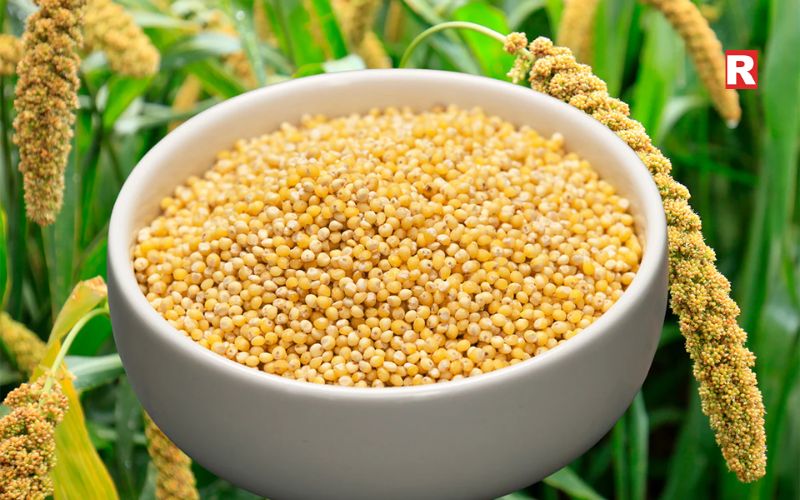
Millets have emerged as one of the biggest stars in India's culinary revival. Once viewed as humble grains consumed primarily in rural households, they are now appearing on the menus of premium restaurants and health-focused cafés. Rich in fibre, protein, iron, and essential minerals, millets are valued for their nutritional benefits and naturally gluten-free properties. They also require less water to grow, making them environmentally sustainable crops. Chefs are creatively incorporating ragi, bajra, jowar, and foxtail millet into risottos, salads, porridges, artisanal breads, desserts, and innovative regional dishes that appeal to modern diners.
2. Bamboo Shoots
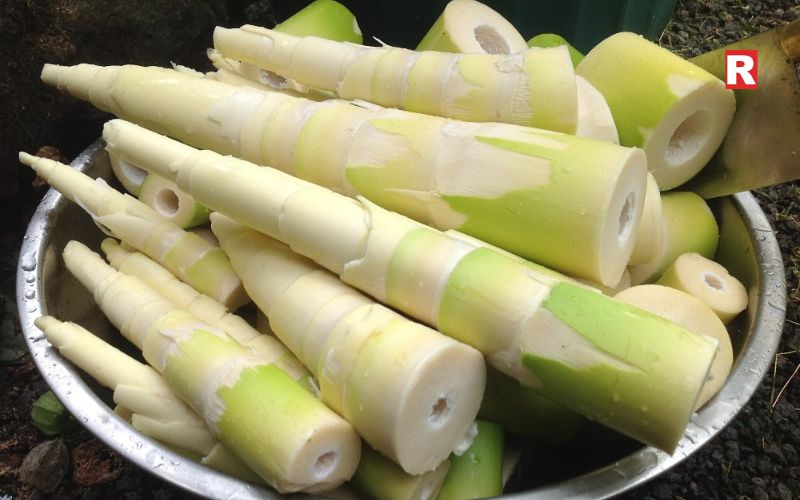
Bamboo shoots have been an integral part of Northeastern Indian cuisine for centuries, and today they are gaining wider recognition in contemporary restaurants. Harvested from young bamboo plants, these shoots offer a mildly earthy flavour and a crisp texture that complements various preparations. They can be consumed fresh, fermented, smoked, or pickled, each method enhancing their distinct character. Restaurants are increasingly using bamboo shoots in soups, curries, dumplings, stir-fries, and fusion dishes. Besides their culinary appeal, bamboo shoots represent a sustainable ingredient due to bamboo's rapid growth and minimal environmental impact.
3. Kokum
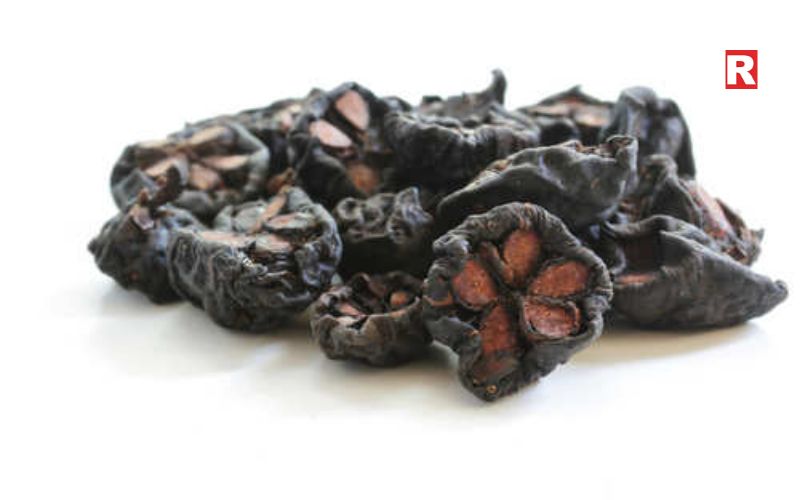
Native to the Konkan coast, kokum is a treasured indigenous fruit celebrated for its refreshing tartness and digestive properties. Traditionally used in curries, sol kadhi, and cooling summer drinks, kokum is now finding a place in innovative restaurant menus. Its tangy yet slightly fruity flavour makes it an excellent substitute for citrus ingredients. Chefs are incorporating kokum into seafood reductions, sorbets, vinaigrettes, mocktails, and signature cocktails. Beyond taste, kokum offers a compelling regional narrative, allowing restaurants to showcase India's diverse ingredient heritage while introducing diners to lesser-known flavours.
4. Indigenous Rice Varieties
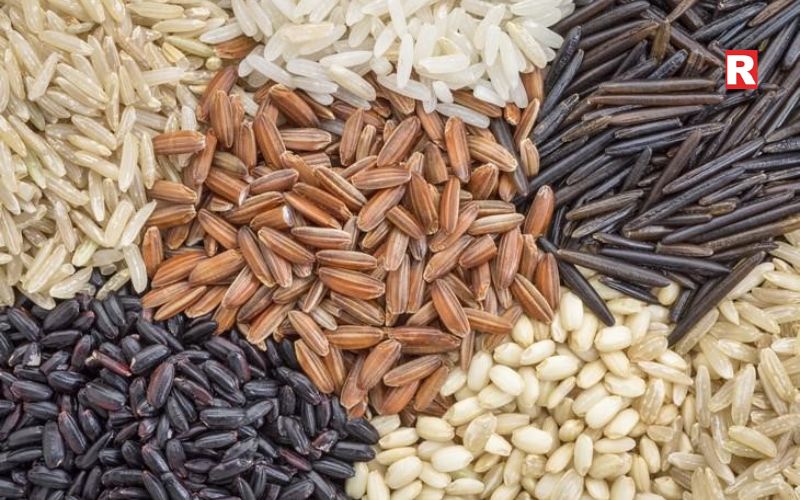
India is home to thousands of native rice varieties, many of which have been overshadowed by commercial cultivation practices. Restaurants are now reviving these heritage grains to create more authentic and memorable dining experiences. Black rice from Manipur, Gobindobhog rice from West Bengal, Joha rice from Assam, and red rice from Kerala each possess unique textures, aromas, and nutritional profiles. These indigenous rice varieties add depth and character to both traditional and contemporary dishes. By embracing native grains, restaurants celebrate regional diversity while supporting agricultural biodiversity and local farming communities.
5. Mahua Flowers
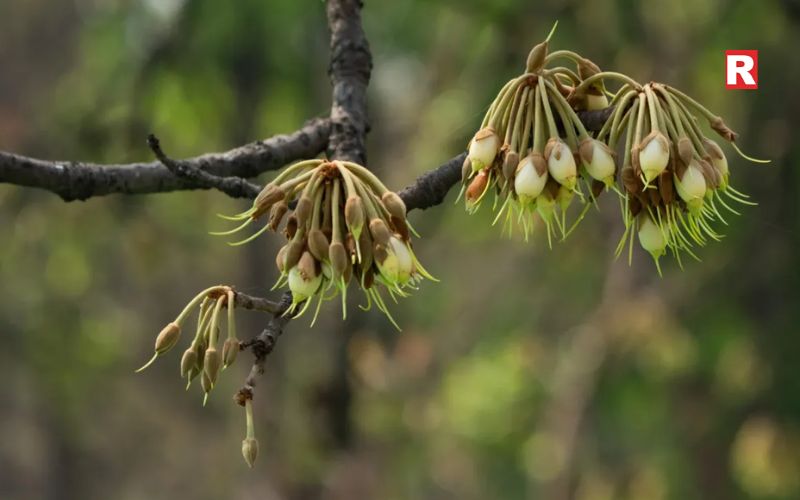
Mahua flowers have long held cultural and culinary significance among tribal communities across Central India. Naturally sweet and fragrant, these flowers have traditionally been used to prepare fermented beverages and local delicacies. Today, chefs are rediscovering mahua as a versatile ingredient that brings authenticity and innovation to modern menus. Restaurants are transforming mahua into syrups, desserts, ice creams, baked goods, and artisanal drinks. Incorporating mahua not only introduces diners to a distinctive flavour profile but also highlights indigenous knowledge systems and creates economic opportunities for communities that have preserved these traditions for generations.
6. Jackfruit
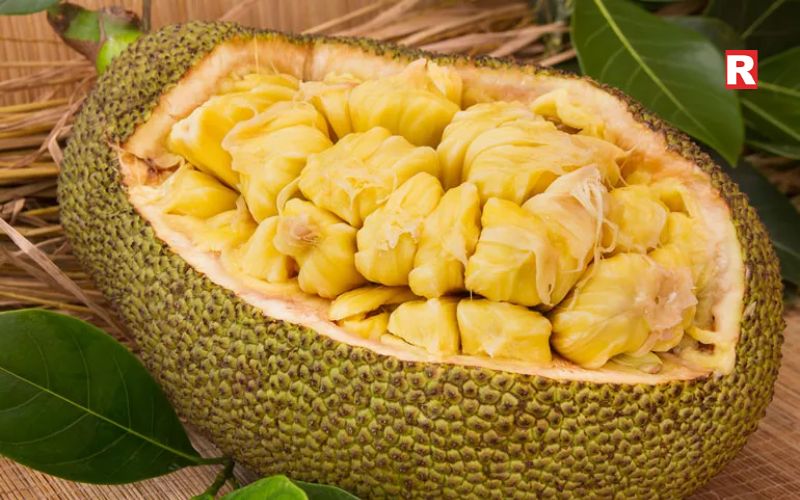
Jackfruit has become a favourite among chefs seeking versatile and sustainable ingredients. While ripe jackfruit is enjoyed for its tropical sweetness, unripe jackfruit offers a fibrous texture that closely resembles pulled meat. This quality has made it particularly popular in plant-forward and vegetarian cuisine. Restaurants are using jackfruit in tacos, burgers, curries, sandwiches, and innovative fusion dishes that appeal to health-conscious diners. Rich in dietary fibre, vitamins, and antioxidants, jackfruit demonstrates how traditional Indian ingredients can align seamlessly with evolving global food trends and changing consumer preferences.
7. Wild Honey

Wild honey, collected from forest ecosystems, offers a culinary experience that differs significantly from commercially processed varieties. Its flavour, colour, and aroma vary depending on the surrounding flora, creating distinctive taste profiles that chefs increasingly appreciate. Restaurants are incorporating wild honey into dessert glazes, salad dressings, beverages, cheese boards, and artisanal baked goods. Beyond its gastronomic value, wild honey carries an important sustainability message. Ethical sourcing practices support indigenous communities involved in traditional honey collection while promoting biodiversity conservation and responsible use of natural resources.
8. Indigenous Tubers

Traditional tubers that once formed an essential part of regional diets are making a comeback on restaurant menus. Ingredients such as elephant foot yam, purple yam, and taro root offer earthy flavours, impressive nutritional benefits, and remarkable versatility. Rich in fibre and essential nutrients, these tubers can be roasted, fried, mashed, or transformed into chips and purees. Chefs are embracing them as alternatives to conventional root vegetables while introducing diners to forgotten culinary traditions. Their revival reflects a broader movement towards celebrating local produce and preserving India's diverse food heritage.
9. Gondhoraj Lime
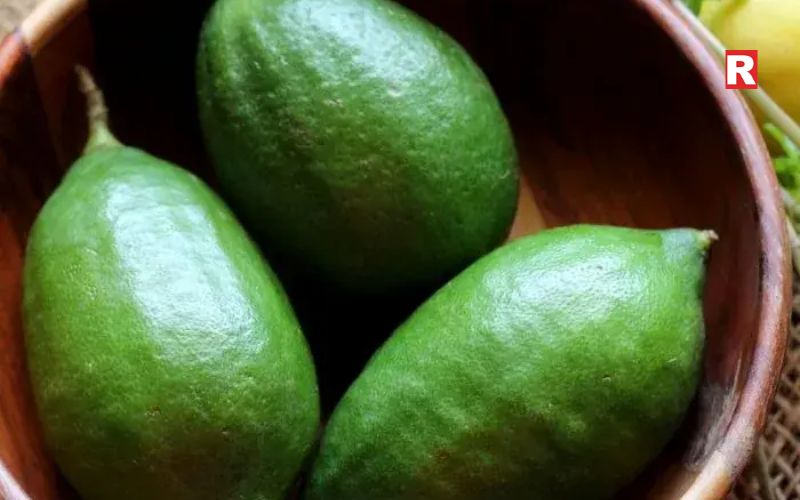
Gondhoraj lime, often referred to as Bengal's prized citrus fruit, is admired for its extraordinary fragrance and delicate flavour. Unlike regular limes that contribute strong acidity, Gondhoraj is valued primarily for its aromatic qualities. Its floral citrus notes elevate a variety of dishes without overpowering other ingredients. Restaurants are increasingly incorporating Gondhoraj lime into seafood preparations, desserts, marinades, rice dishes, and refreshing beverages. This indigenous ingredient adds sophistication and regional identity to menus while encouraging diners to explore flavours deeply rooted in Eastern India's culinary traditions.
10. Forest Greens and Foraged Herbs
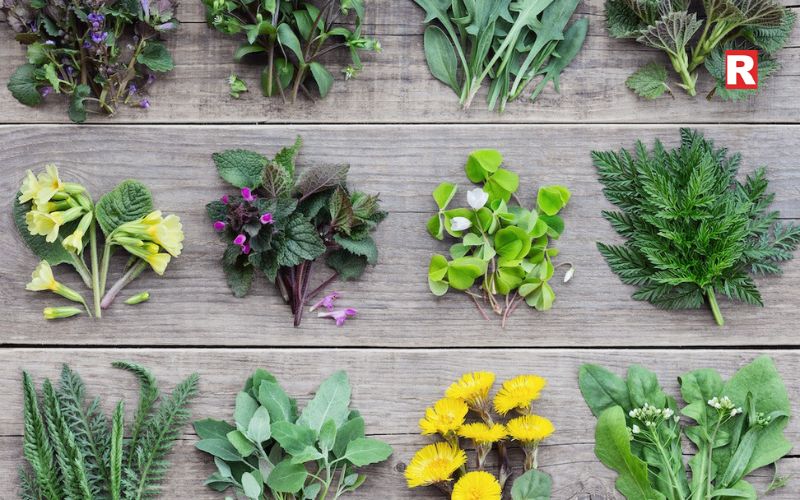
Forest greens and foraged herbs represent one of the most exciting developments in contemporary Indian gastronomy. Traditionally consumed by indigenous communities, these ingredients offer unique flavours, nutritional benefits, and a strong connection to local ecosystems. Seasonal availability makes them particularly appealing for chefs seeking exclusivity and freshness. Restaurants are incorporating native greens into salads, soups, curries, and tasting menus designed around hyperlocal produce. Their use promotes biodiversity awareness while supporting traditional ecological knowledge. For diners, these ingredients provide an opportunity to experience India's natural landscapes through thoughtfully crafted dishes.
Indigenous Ingredients vs Imported Ingredients
Parameter | Indigenous Ingredients | Imported Ingredients |
|---|---|---|
Source | Local farms and communities | International suppliers |
Carbon Footprint | Generally lower | Often higher due to transportation |
Cultural Relevance | Deeply rooted in Indian traditions | Limited regional connection |
Menu Storytelling | Strong heritage narratives | Global appeal |
Supply Chain | Supports local economies | Dependent on imports |
Seasonal Adaptability | Encourages seasonal menus | Often standardised year-round |
Consumer Experience | Authentic and educational | Familiar but less distinctive |
How Restaurants Benefit from Indigenous Ingredients
Restaurants adopting indigenous ingredients often discover opportunities beyond menu innovation.
Stronger Brand Identity: Diners increasingly remember experiences linked to culture and storytelling. Native ingredients allow restaurants to establish a unique identity.
Sustainable Operations: Local sourcing reduces transportation requirements and can contribute to more resilient supply chains.
Consumer Curiosity: Many urban diners are eager to explore unfamiliar regional flavours. Indigenous ingredients satisfy this growing appetite for discovery.
Support for Local Communities: Collaborating with farmers, foragers, and tribal producers generates economic opportunities while preserving traditional agricultural practices.
Looking Ahead!
Indigenous ingredients are no longer limited to traditional kitchens. They are becoming symbols of innovation, sustainability, and culinary excellence. As chefs continue to reinterpret regional foods through contemporary techniques, India's rich ingredient diversity is receiving the recognition it deserves. The next generation of restaurant menus may not depend on distant food trends. Instead, they may celebrate ingredients that have existed within India's landscapes for centuries. For diners, this shift offers an exciting opportunity to reconnect with the country's culinary roots. For restaurants, it presents a chance to build meaningful experiences that honour both tradition and innovation. The revival of indigenous ingredients is more than a trend. It is a movement towards a more authentic and sustainable future for Indian food.
Saptopriya Ghosal
Feature Writer
I am a dedicated media professional with a bachelor's degree in mass communication from the State University of Calcutta and a postgraduate degree from Amity University. My academic journey has equipped me with a profound understanding of storytelling and communication. Passionate about the dynamic world of media, I continually strive to explore new ways to engage and inform through compelling narratives.



































































































































































