
Top Indian Craft Rum Brands Gaining Attention in 2026
Indian craft rum brands are no longer side projects or experimental labels. They are building a strong place in the premium spirits market. Distillers are working with fresh cane juice, jaggery, and carefully sourced molasses.

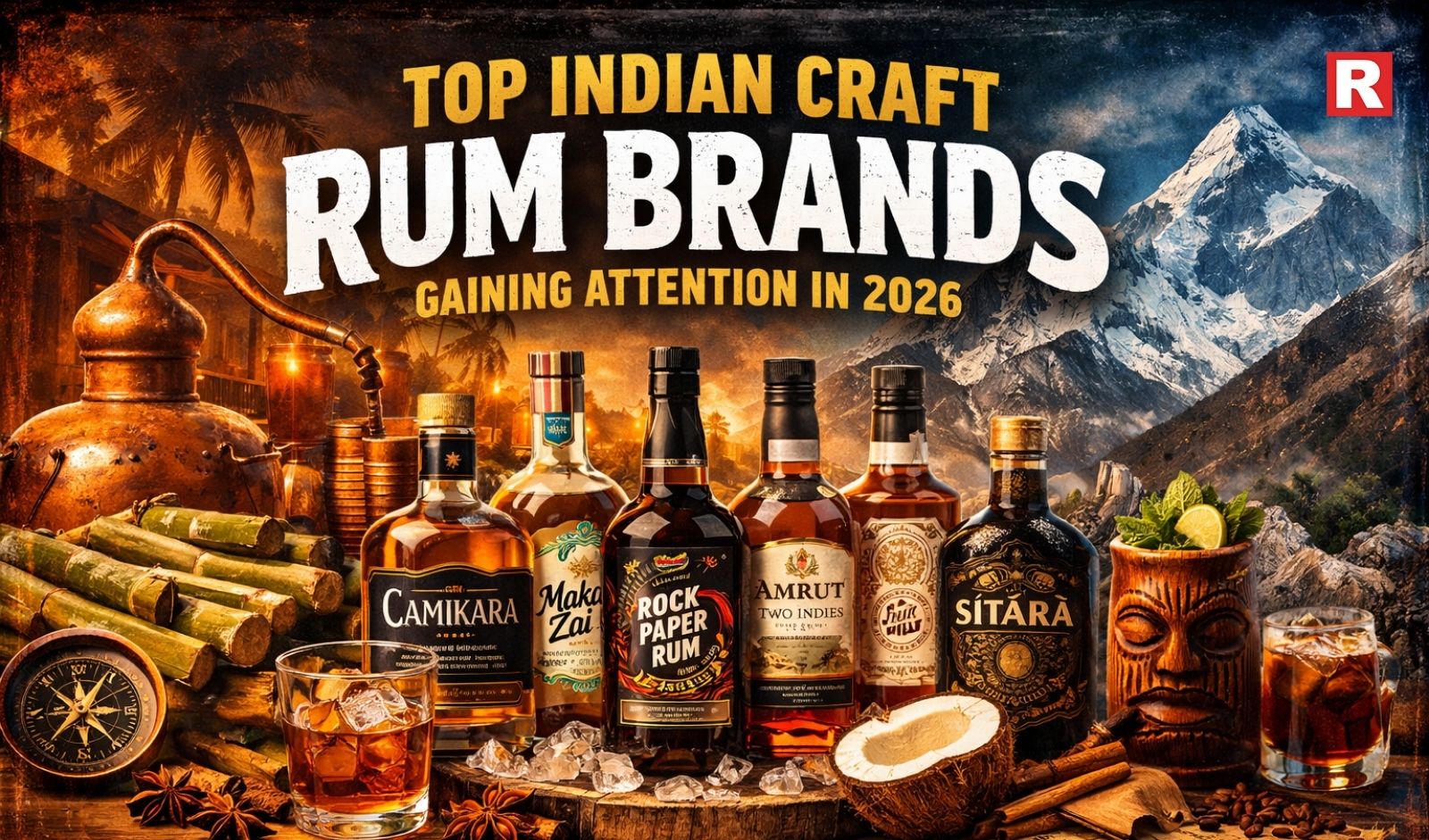
India’s rum story is changing fast. For years, rum was seen as a winter drink. It was mixed with cola or enjoyed for nostalgia. Today, that image is evolving. A new wave of Indian craft rum brands is building serious buzz in 2026. These brands focus on quality, terroir, aging, and storytelling. They are designed for sipping, serious cocktails, and global competition.
Urban consumers are driving this shift. Millennials and Gen Z drinkers want depth of flavour. They want to know where the sugarcane was grown. They care about barrel aging and distillation methods. Bars in Mumbai, Delhi, Bengaluru, and Goa are now curating premium rum menus. Mixologists are experimenting with agricole styles, botanical infusions, and coffee-finished variants. This is India’s craft rum moment.
Why Indian Craft Rum Is Rising in 2026
India has always been one of the largest rum-consuming markets in the world. Traditionally, mass-market molasses-based rums dominated the shelves. Now, premiumisation is changing the game. Consumers are drinking less but drinking better. They are exploring small-batch labels. They are willing to pay more for authenticity and taste complexity. Cocktail culture has expanded. Speakeasies and luxury bars now highlight rum flights and aged expressions.
Another key factor is production innovation. Craft rum makers are using fresh cane juice, jaggery, double distillation, and oak barrel maturation. Some are experimenting with Himalayan terroir. Others are building distinct Goan identities. This shift is not accidental. It reflects a deeper technical competency in Indian distilling.
Explore Top Indian Craft Rum Brands
1. Camikara Rum
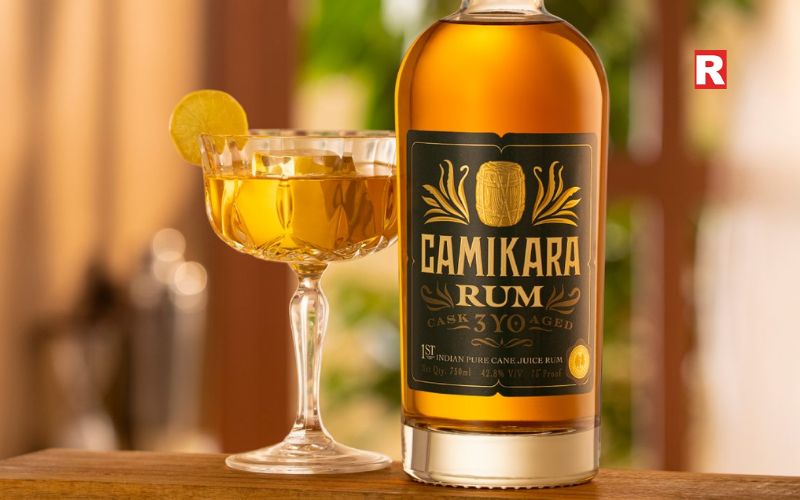
Camikara Rum has become a benchmark for premium Indian rum. It stands out because it is made from pure sugarcane juice rather than molasses. That immediately places it closer to the agricole tradition seen in the French Caribbean. The rum is aged in oak barrels. This aging adds structure, spice, and depth. Expect notes of dried fruits, caramel, light oak, and a clean finish. The texture is smooth but layered. Cane juice fermentation requires tighter control. It is more delicate than molasses fermentation. That makes the process more demanding but also more expressive. The result is a rum that appeals to serious spirit enthusiasts. This is a strong option for collectors and premium bar programs. It works best neat or with a single large ice cube.
Read more: Top Flavoured Rum Brands in India to Try This Growing Winter
12 Affordable Spirits That Taste Like They Cost a Fortune
2. Maka Zai
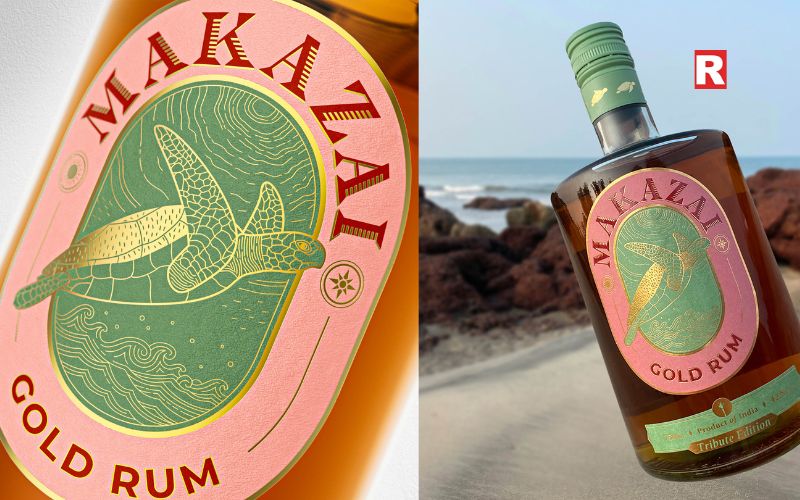
Maka Zai is often seen as one of the pioneers of India’s craft rum movement. Based in Goa, the brand blends heritage with contemporary appeal. It uses locally sourced sugarcane and positions itself as approachable yet premium. The flavour profile is lighter compared to heavy traditional rums. You get tropical notes, citrus hints, and subtle spice. This makes it cocktail-friendly. It works well in a Daiquiri or Rum Sour. At the same time, it does not lose its identity when sipped slowly. The brand’s strength lies in balancing authenticity and accessibility. It attracts young urban drinkers who are upgrading from mainstream labels but are not yet deep into ultra-premium sipping rums.
3. Rock Paper Rum
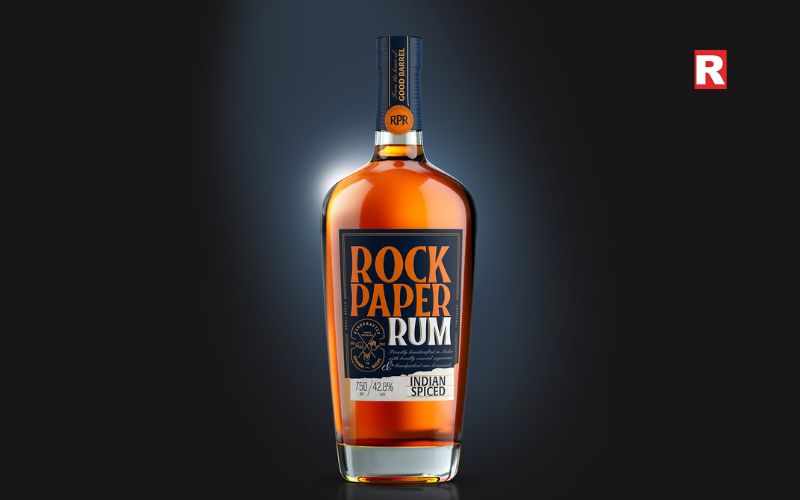
Rock Paper Rum brings a creative twist to the category. It focuses on bold flavours such as roast coffee and tropical coconut. Flavoured rum is often dismissed as simple. However, when executed with quality base spirit and balanced infusion, it can add depth to cocktails. Coffee variants pair well with espresso martinis and dessert drinks. Coconut expressions are strong in tropical cocktails. This brand targets experimental drinkers. It is ideal for house parties, mixology menus, and modern bars that want something playful yet crafted. The uniqueness here lies in flavour-forward innovation. It expands rum beyond the traditional dark profile.
4. Amrut’s Bella and Two Indies Rum
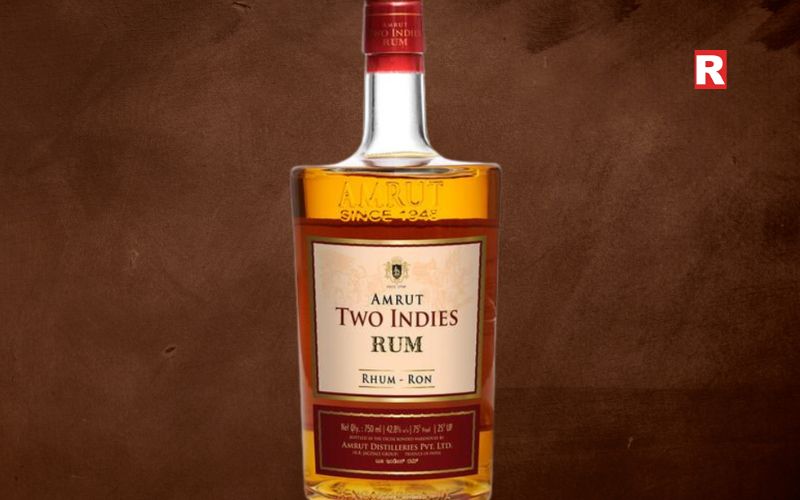
Amrut Distilleries is globally known for whisky. Its rum expressions deserve equal attention. Bella Rum is distilled from jaggery instead of molasses or cane juice. That gives it a distinct Indian identity. Jaggery fermentation creates earthy sweetness and deeper molasses-like tones. The palate is rich and rounded. There is warmth, spice, and lingering sweetness. Two Indies Rum blends Indian and Caribbean rums. This cross-regional blending technique adds complexity and global character. For consumers who appreciate craftsmanship and legacy distillation, these rums deliver credibility and depth. They also showcase India’s ability to compete on the world stage.
Know more: 10 Fastest-Growing Alcohol Brands in India’s HoReCa Sector
5. SĪTĀRĀ Botanical Spiced Rum
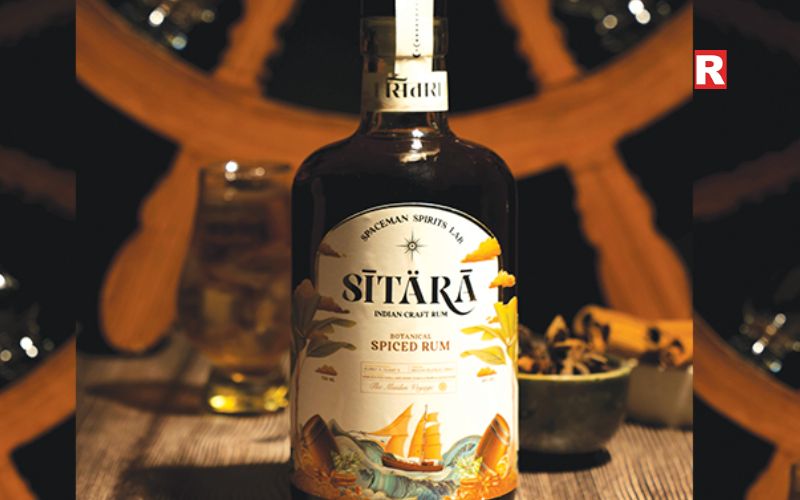
SĪTĀRĀ Botanical Spiced Rum reflects the growing interest in botanical spirits. It integrates spices such as cinnamon and hibiscus into the rum base. Spiced rum requires careful infusion timing. Over-extraction can overpower the base spirit. Controlled botanical integration ensures balance. In this case, the spices enhance rather than dominate. The result is aromatic and slightly floral. It works well in elevated highballs and spiced Old Fashioned variations. This rum appeals to cocktail enthusiasts and drinkers who enjoy gin-style complexity but prefer a rum base.
6. Segredo Aldeia
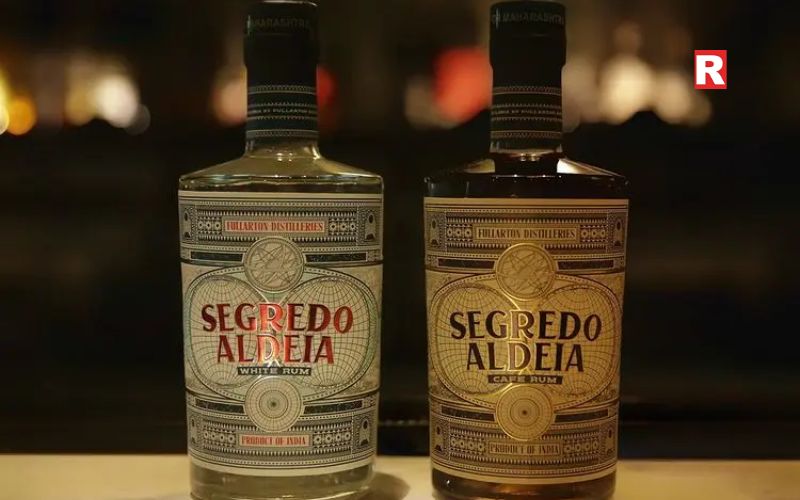
Segredo Aldeia comes from Goa and offers both white and café-style expressions. The café rum includes subtle coffee notes without becoming too sweet. White rum from craft distillers often highlights fermentation clarity. It can reveal grassy or fruity undertones. When done well, it enhances classic cocktails like Mojitos and Daiquiris. This brand suits drinkers who want smoothness with character. It fits well in premium casual settings and boutique bars.
7. Neoli Himalayan Agricole Rum
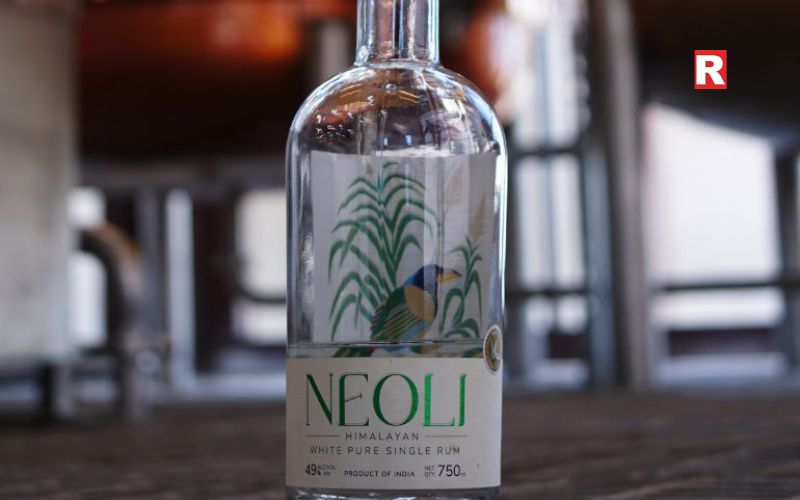
Neoli Himalayan Agricole Rum introduces a terroir-driven narrative. It uses fresh sugarcane juice and is distilled in pot stills. The bottling strength is relatively high at 49 percent ABV. Higher ABV preserves flavour intensity. It delivers grassy freshness, subtle minerality, and structured heat. Agricole-style rum is typically more vegetal and dry compared to molasses-based rum. This is a rum for connoisseurs. It suits serious tasting sessions and curated bar menus. The Himalayan identity adds uniqueness. It moves Indian rum beyond coastal narratives.
Craft Rum vs Legacy Rum
No discussion of Indian rum is complete without acknowledging Old Monk. It remains iconic. Its vanilla-heavy, sweet profile built generations of loyal consumers. However, craft rum differs in scale and intention. Production batches are smaller. Ingredients are often locally sourced and highlighted. Aging strategies are more deliberate. Flavour exploration is wider. Legacy rum focuses on consistency and mass appeal. Craft rum focuses on character and story. Both have their place. But in 2026, the growth is clearly in the premium and artisanal segment.
Also check: Top 5 Strong Beer Brands in India: Bold Brews for the Bold Drinker
Top Premium Whisky Brands in India: Finest Indian Whiskies Worth Trying
Best Japanese Whisky Brands in India: Where Craft Meets Perfection in Every
Final Sip
Indian craft rum brands are no longer side projects or experimental labels. They are building a strong place in the premium spirits market. Distillers are working with fresh cane juice, jaggery, and carefully sourced molasses. Fermentation is tightly controlled. Many use pot still distillation and small-batch production. Barrel aging in oak adds structure, spice, and depth. Some brands experiment with botanicals and higher ABV for complexity. The focus is on flavour clarity and terroir. In 2026, Indian rum is being discussed for quality and technique, not just nostalgia. Urban professionals, cocktail lovers, and serious collectors are paying attention. These consumers want authenticity and layered taste, not just a sweet mixer. For bars and retailers, craft rum offers stronger margins and better storytelling. Each bottle carries a point of difference. The rum section on a menu now signals discovery. Indian distillers are shaping a sharper, more confident identity for the category.
Saptopriya Ghosal
Feature Writer
I am a dedicated media professional with a bachelor's degree in mass communication from the State University of Calcutta and a postgraduate degree from Amity University. My academic journey has equipped me with a profound understanding of storytelling and communication. Passionate about the dynamic world of media, I continually strive to explore new ways to engage and inform through compelling narratives.






















































































































































