
Top Famous Foods from Darjeeling You Cannot Miss
Every bite tells a story of tradition, migration, climate, and local life. Whether someone visits for a short holiday or a long mountain escape, the flavors of Darjeeling often become one of the strongest memories they take back home.

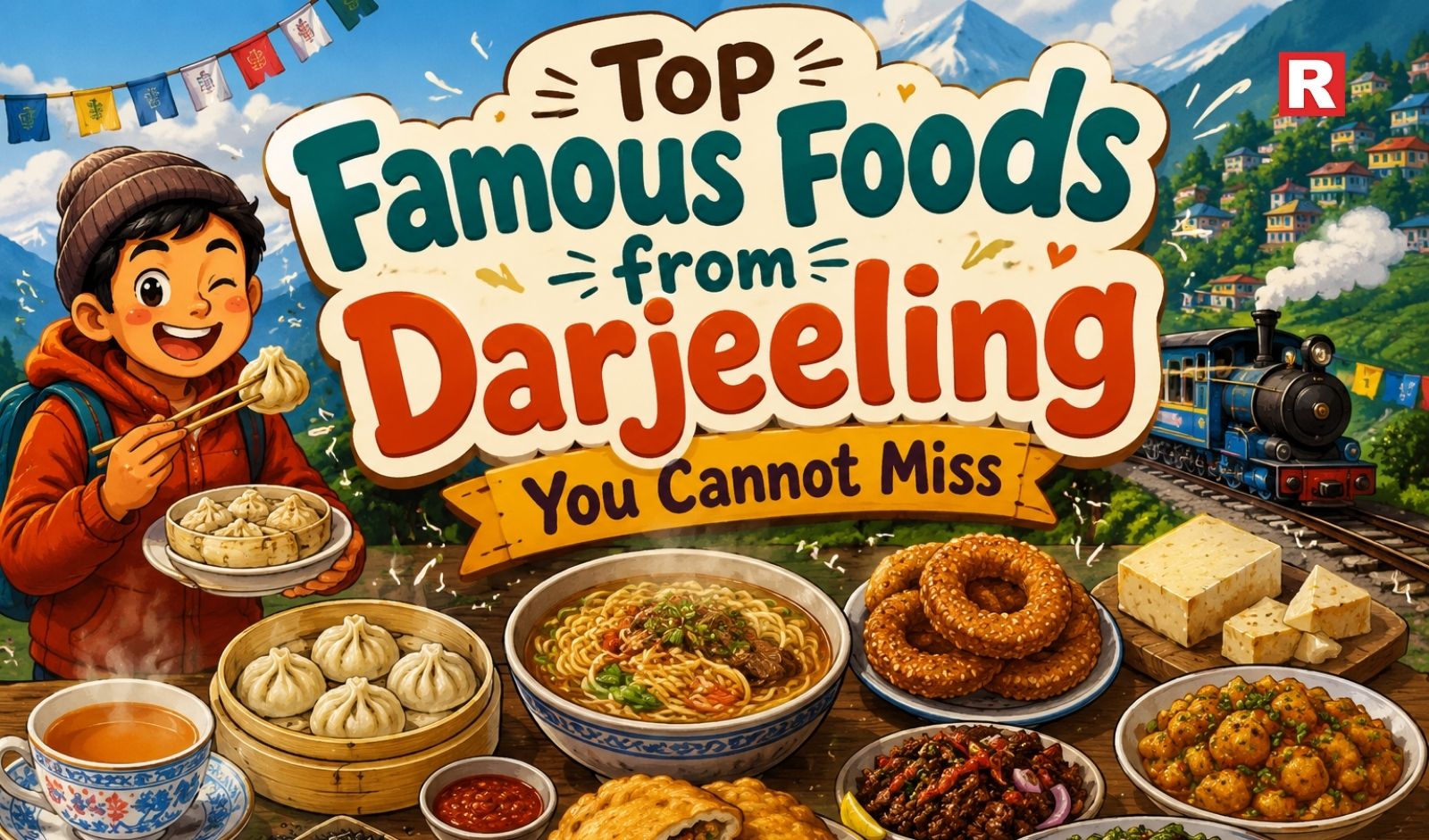
Nestled in the lap of the Himalayas, Darjeeling is known for its rolling tea gardens, cool mountain breeze, and colonial charm. But beyond the scenic beauty, the hill town has another side that quietly wins hearts—its food. Every lane in Darjeeling carries the aroma of steaming momos, spicy noodles, buttery tea, and warm comfort dishes made for cold weather.
Darjeeling’s food culture is shaped by Nepali, Tibetan, Bengali, and Himalayan influences. The result is a unique mix of flavors that feels simple, hearty, and deeply comforting. Unlike heavy restaurant-style dishes found in metro cities, food here feels fresh, homemade, and closely connected to mountain life. From hot bowls of thukpa on chilly evenings to crunchy sel roti during festivals, Darjeeling offers dishes that tell stories of tradition, migration, and local living. Here are some of the top famous foods from Darjeeling that every food lover should try.
Explore the Top Famous Foods from Darjeeling
1. Momos — Darjeeling’s Most Loved Street Food
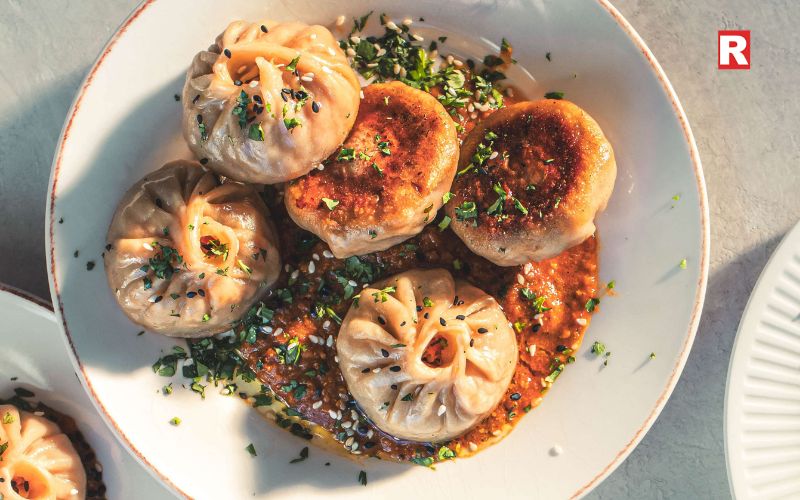
Momos are the heart of Darjeeling’s street food culture. It is almost impossible to walk through the town without spotting small eateries serving baskets full of steaming dumplings. These soft dumplings are usually filled with chicken, pork, vegetables, or cheese. They are served with spicy red chutney and a bowl of clear soup. The simple combination works perfectly in the cold weather. What makes Darjeeling momos different is their freshness. The wrappers are usually thinner, the filling is juicier, and the chutney has a sharper kick compared to versions found in many big cities. Small roadside stalls often prepare them by hand every morning, which adds to the taste. The popularity of momos in Darjeeling comes from Tibetan and Nepali communities who brought their food traditions to the hills decades ago. Today, momos are not just a snack here. They are part of everyday life.
2. Thukpa — The Ultimate Himalayan Comfort Food
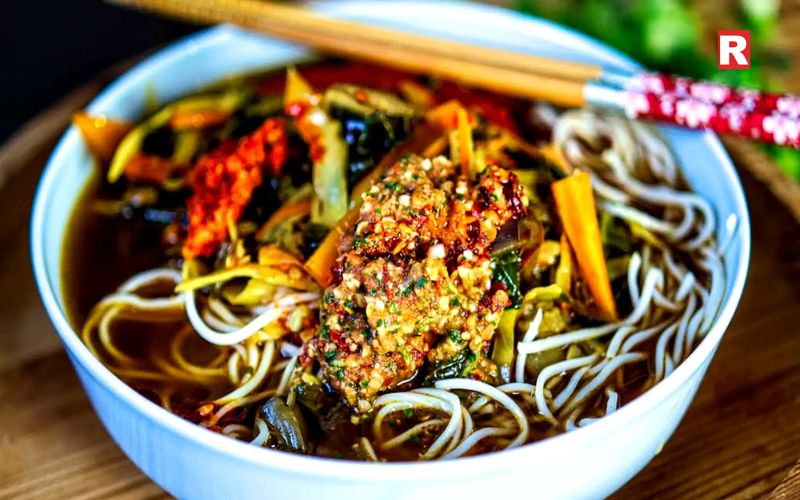
Cold mountain evenings feel incomplete without a bowl of thukpa. This noodle soup is one of the most comforting foods you can have in Darjeeling. Thukpa is made using noodles, vegetables, herbs, and meat cooked in a flavorful broth. Some versions are light and simple, while others are spicy and rich. The soup is filling without feeling too heavy. The dish became popular because warm broth-based foods help people stay comfortable in colder climates. Locals often enjoy thukpa during rainy afternoons or winter evenings when temperatures drop quickly. Unlike restaurant versions served elsewhere, authentic Darjeeling thukpa focuses more on natural flavors than excessive spices. Fresh ingredients and slow-cooked broth make a huge difference. Many cafés in Darjeeling also add local herbs and homemade chilli paste to give the dish a distinct mountain flavor.
3. Darjeeling Tea — The Pride of the Hills
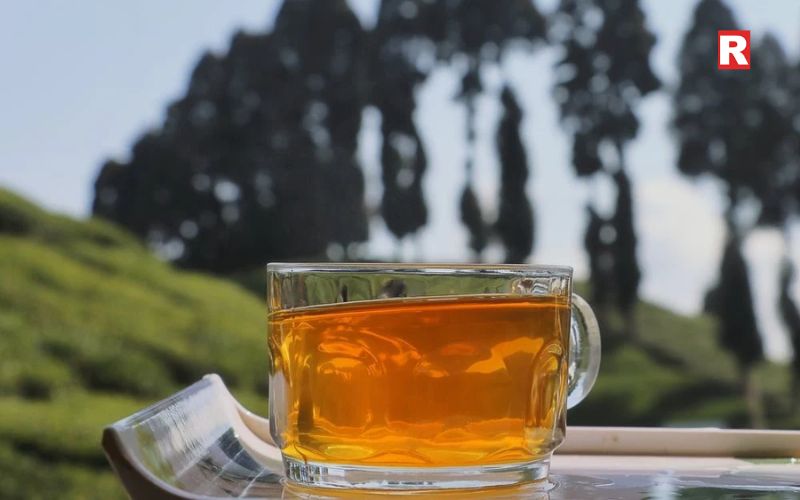
No conversation about Darjeeling food is complete without mentioning Darjeeling Tea. Globally known for its delicate aroma and muscatel flavor, Darjeeling tea is often called the “Champagne of Teas.” The tea grown in Darjeeling tastes unique because of the region’s altitude, cool climate, misty environment, and soil quality. These conditions help tea leaves develop a light floral taste that cannot be copied elsewhere easily. Tea estates in Darjeeling have become an important part of tourism as well. Many travelers visit plantations to understand how tea leaves are handpicked and processed. Another important factor is the Geographical Indication or GI tag. This certification protects authentic Darjeeling tea from imitation products sold globally. Only tea grown in selected gardens of Darjeeling can legally use the name. Locals often enjoy tea with simple snacks like biscuits, sel roti, or puff pastries while enjoying mountain views.
4. Sel Roti — A Traditional Festive Favorite
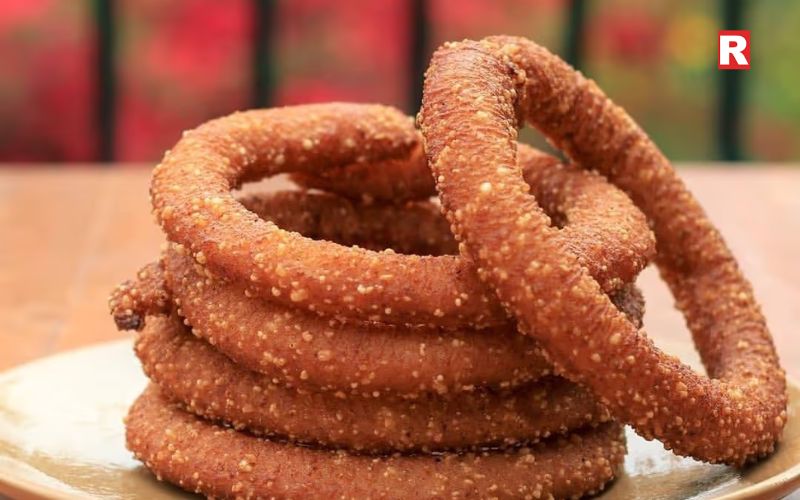
Sel Roti is one of the most loved traditional foods in Darjeeling households. This ring-shaped rice bread is slightly sweet and crispy outside while remaining soft inside. It is usually prepared during festivals like Dashain and Tihar, which are widely celebrated in the hills. Families often make sel roti at home in large batches and share it with relatives and neighbors. The batter is made using rice flour, sugar, milk, and cardamom. It is then deep fried carefully into circular shapes. People commonly pair sel roti with spicy potato curry, pickle, or milk tea. The sweet and savory combination makes it very satisfying. Its popularity also reflects the strong Nepali cultural influence found across Darjeeling’s food traditions.
5. Churpee — The Himalayan Cheese Snack

One of the most interesting foods from Darjeeling is churpee. It is a traditional Himalayan cheese made from cow or yak milk. Churpee comes in both soft and hard forms. The hard version is extremely chewy and can last for hours. Many locals carry it during long journeys or treks because it stays fresh naturally for a long time. In mountain regions where food preservation was once difficult, churpee became an important snack. The cold weather helped preserve dairy products without modern refrigeration systems. Soft churpee is often used in soups and curries, while the harder version is eaten like candy. Travelers trying it for the first time are often surprised by its texture and long-lasting flavor. It may look simple, but churpee reflects the practical and resourceful food culture of Himalayan communities.
6. Aloo Dum — Darjeeling’s Spicy Street Delight
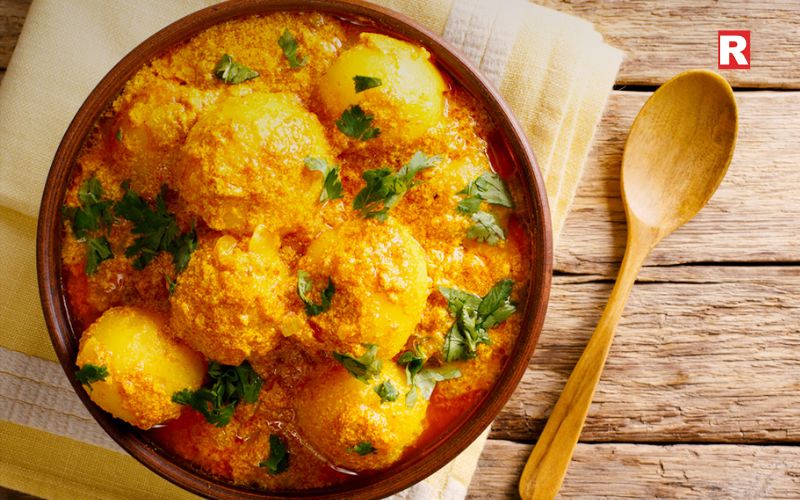
Darjeeling-style aloo dum has its own identity. Unlike Bengali aloo dum, the hill version is usually spicier and packed with bold flavors. Small potatoes are cooked with chilli, garlic, onion, and local spices until they become rich and flavorful. Mustard oil is often used, giving the dish a sharp aroma. This spicy potato dish is commonly sold near schools, markets, and local food stalls. It is often paired with sel roti or served as a quick evening snack. The balance of heat and tanginess makes it especially popular during cold weather. Locals enjoy it with hot tea while socializing in busy market areas. Despite its simple ingredients, Darjeeling aloo dum has become one of the town’s most recognizable comfort foods.
7. Sha Phaley — Crispy and Flavorful
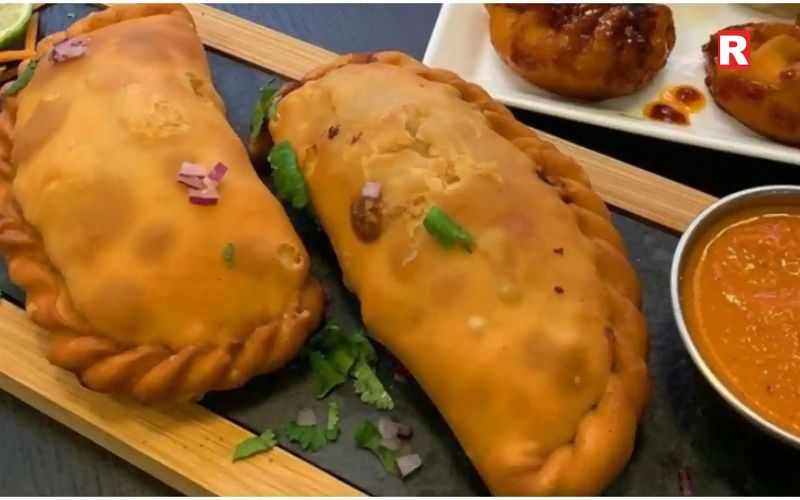
Sha Phaley is another Tibetan-inspired dish that has become popular in Darjeeling. It is a deep-fried bread stuffed with seasoned meat or vegetables. The outer layer turns crispy and golden, while the filling inside stays juicy and flavorful. It is often eaten as an evening snack or light meal. The dish is usually served with spicy chutney and hot soup. Many small cafés across Darjeeling prepare fresh sha phaley during the evening rush. Its crispy texture and rich filling make it a favorite among tourists looking to try something beyond momos.
8. Gundruk — The Traditional Fermented Dish
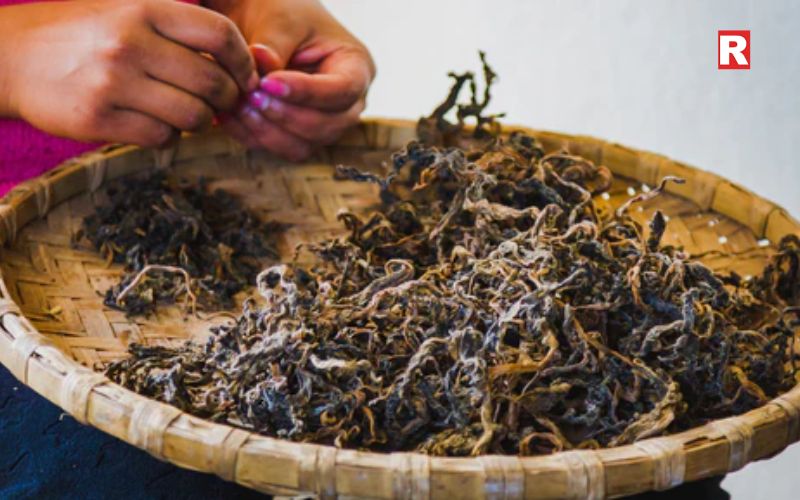
Gundruk is a fermented leafy vegetable dish that holds an important place in Himalayan cuisine. It is commonly made using mustard leaves, spinach, or radish leaves. The leaves are dried and fermented naturally, creating a slightly sour flavor. Gundruk can be eaten as soup, pickle, or side dish. Fermentation became important in mountain regions because it helped preserve food during harsh winters. It also added nutritional value and improved digestion. Today, gundruk remains a symbol of traditional Himalayan cooking methods that have survived for generations.
9. Ningro with Churpee — A Local Himalayan Combination
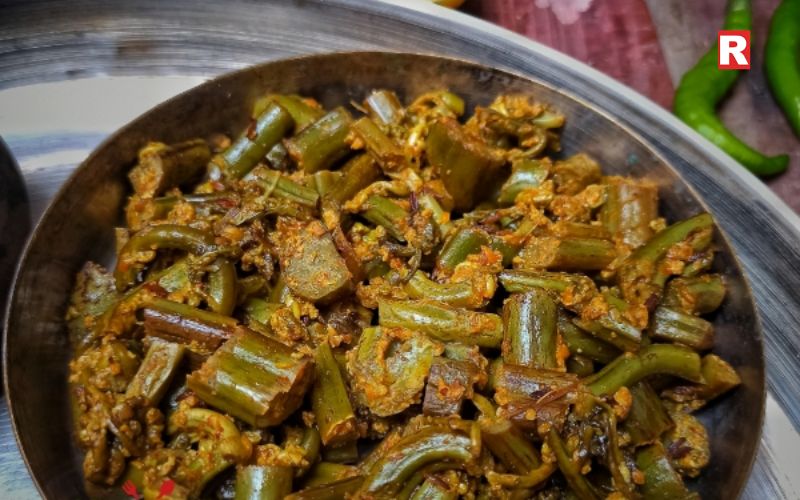
Ningro is a wild edible fern commonly found in Himalayan regions. In Darjeeling, it is often cooked with soft churpee to create a flavorful local dish. The fern has a slightly crunchy texture, while churpee adds creaminess and richness. Garlic, onions, and local spices are used to enhance the flavor. This dish is especially popular in Nepali households and reflects how mountain communities use seasonal forest ingredients in daily cooking.
10. Wai Wai Sadeko — The Popular Hillside Snack
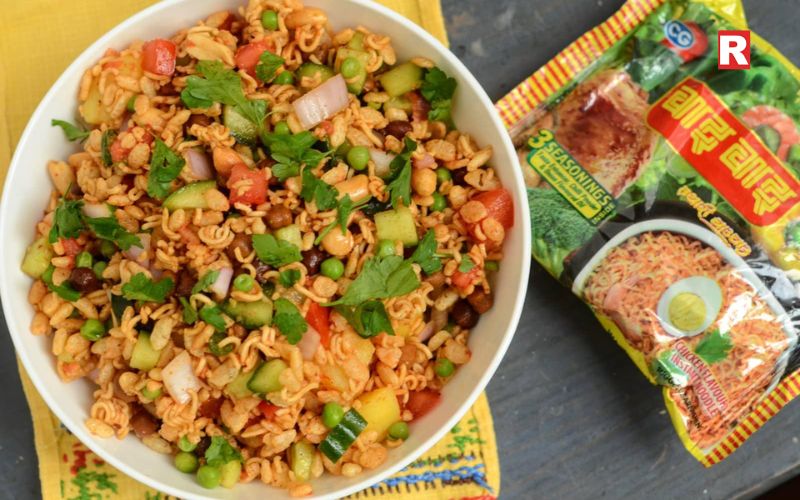
Wai Wai Sadeko is one of the most loved quick snacks among young people in Darjeeling. It is made using crushed instant noodles mixed with onions, chillies, mustard oil, spices, and fresh herbs. Unlike regular cooked noodles, this version is usually eaten raw or lightly softened. The spicy and tangy flavor makes it extremely addictive. Local tea stalls and small cafés often serve Wai Wai Sadeko during rainy weather with hot tea.
11. Phambi — Traditional Himalayan Steamed Bread
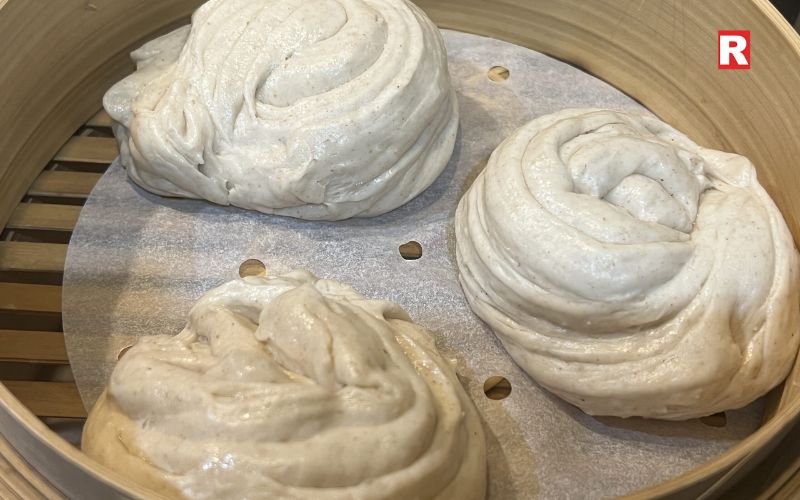
Phambi is a soft steamed bread commonly enjoyed in Darjeeling and nearby Himalayan regions. It is usually served with spicy curries, meat dishes, or fermented vegetables. The bread has a fluffy texture and works well with rich gravies. In colder areas, steamed foods are often preferred because they stay warm longer and feel lighter on the stomach. Many local families still prepare phambi using traditional steaming methods at home.
12. Kinema Curry — Fermented Soybean Specialty
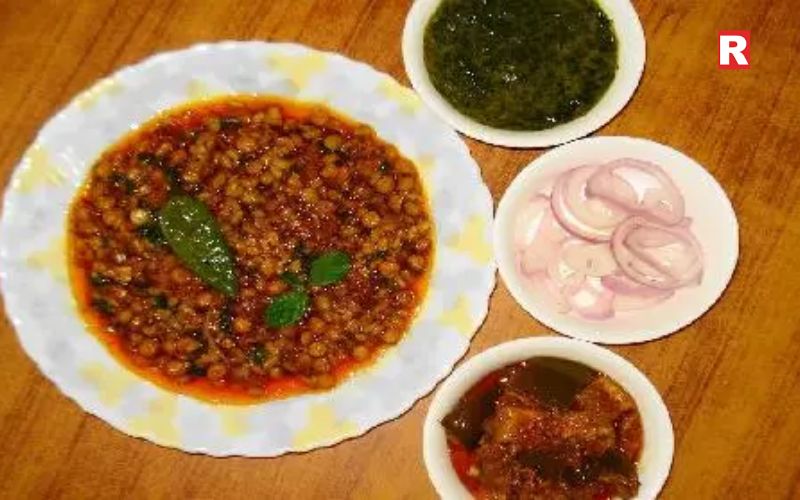
Kinema is a fermented soybean dish popular among Nepali and Himalayan communities in Darjeeling. The soybeans are naturally fermented, giving them a strong aroma and earthy taste. They are then cooked with tomatoes, onions, and spices to create a rich curry. Fermented foods like kinema became important in mountain diets because they improved shelf life and provided nutrition during difficult winters. Though its flavor may feel strong for first-time visitors, locals consider it deeply comforting.
13. Sael Bread Toast — Darjeeling’s Bakery Classic
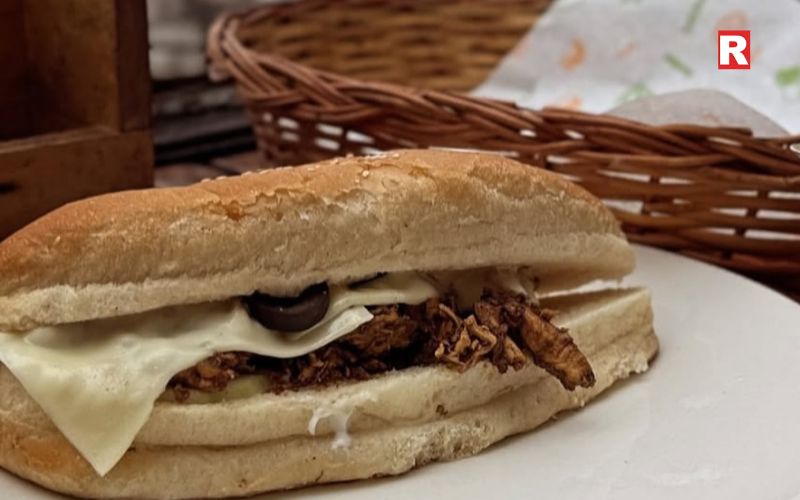
Darjeeling is also known for its old bakeries and fresh breads. One popular local snack is thick toasted sael bread served with butter, jam, or eggs. The bread is usually slightly crisp outside and soft inside. Many cafés in the hill town serve it alongside freshly brewed Darjeeling tea during breakfast hours. The bakery culture in Darjeeling developed during the colonial period and still remains an important part of the town’s food scene.
14. Sukuti — The Smoky Dried Meat Dish
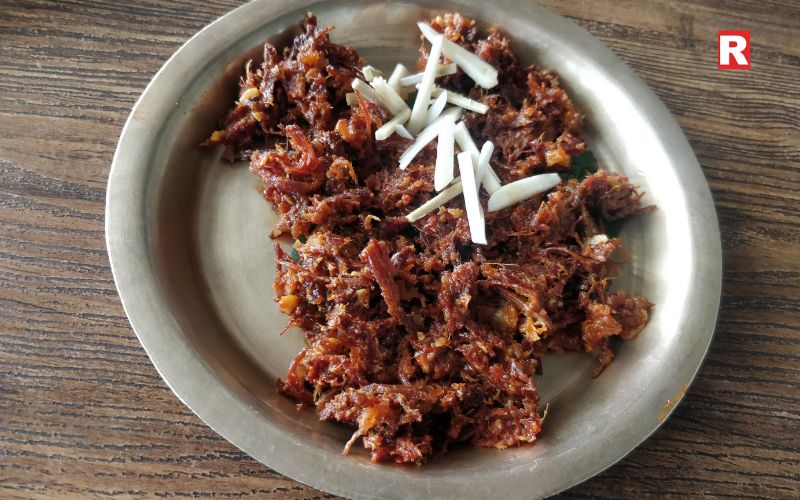
Sukuti is a traditional dried meat preparation commonly eaten in Himalayan regions. Meat is sliced into thin strips and dried naturally before being cooked with spices and herbs. The dish has a smoky flavor and chewy texture. It is often served as a spicy snack with onions, chillies, and lemon juice. In earlier times, drying meat was an important preservation method in mountain areas where fresh food was difficult to store during winters. Today, sukuti remains a popular local delicacy in Darjeeling eateries.
15. Butter Tea — The Traditional Mountain Beverage
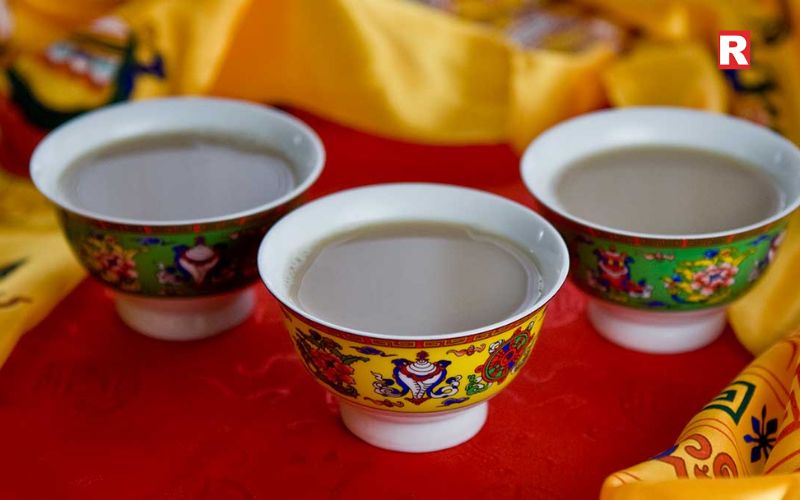
Butter tea, also known as Po Cha, is a traditional Himalayan drink commonly consumed in colder mountain regions. It is prepared using tea leaves, butter, salt, and milk. The drink may taste unusual to first-time visitors because it is salty rather than sweet. However, butter tea serves an important purpose in high-altitude climates. The butter provides energy and warmth, making it useful during cold weather. Many Tibetan families in Darjeeling continue to prepare butter tea using traditional methods passed down through generations.
Why Darjeeling’s Food Culture Feels Special
What makes Darjeeling cuisine truly memorable is its honesty. The food is not overly complicated. It is shaped by weather, geography, and local communities.
Darjeeling cuisine stands out for its simplicity, freshness, and deep connection to Himalayan culture. Unlike heavily spiced Indian dishes, the food here focuses on natural flavours, warm broths, fermented ingredients, and handmade preparations shaped by the cold mountain climate.
Popular dishes like momos, thukpa, and sha phaley reflect strong Tibetan and Nepali influences, while ingredients such as churpee, bamboo shoots, and local herbs showcase regional cooking traditions passed down through generations.
Food in Darjeeling is closely connected to everyday hill life. Warm soups, steamed dumplings, and comforting noodle dishes are designed to suit the cool weather and provide nourishment in high-altitude regions.
For travellers, eating in Darjeeling becomes part of the overall mountain experience. Small cafés, tea houses, and roadside eateries overlooking misty hills create a memorable atmosphere that blends food, culture, and scenery together naturally.
Final Thoughts
Food in Darjeeling is deeply connected to the mountains, the weather, and the communities that have shaped the region for generations. Every dish carries influences from Tibetan, Nepali, and Himalayan traditions, creating flavors that feel warm, simple, and comforting. From steaming plates of momos and bowls of thukpa to unique dishes like churpee, kinema, and gundruk, Darjeeling offers far more than just scenic beauty and famous tea gardens. The local cuisine reflects a lifestyle built around freshness, practicality, and togetherness. The food here memorable is not only the taste but also the experience that comes with it. Eating hot street food while walking through misty hillside markets or sipping butter tea in a quiet mountain café feels very different from dining in crowded cities. For travelers, exploring Darjeeling through its food is one of the best ways to understand the culture of the hills. Every bite tells a story of tradition, migration, climate, and local life. Whether someone visits for a short holiday or a long mountain escape, the flavors of Darjeeling often become one of the strongest memories they take back home.
Saptopriya Ghosal
Feature Writer
I am a dedicated media professional with a bachelor's degree in mass communication from the State University of Calcutta and a postgraduate degree from Amity University. My academic journey has equipped me with a profound understanding of storytelling and communication. Passionate about the dynamic world of media, I continually strive to explore new ways to engage and inform through compelling narratives.



































































































































































