
Top Dishes to Try Without Onion and Garlic This Navratri Season
Navratri meals are not just about tradition. They also offer several health benefits. Most dishes are light and easy to digest. This gives your digestive system a break.

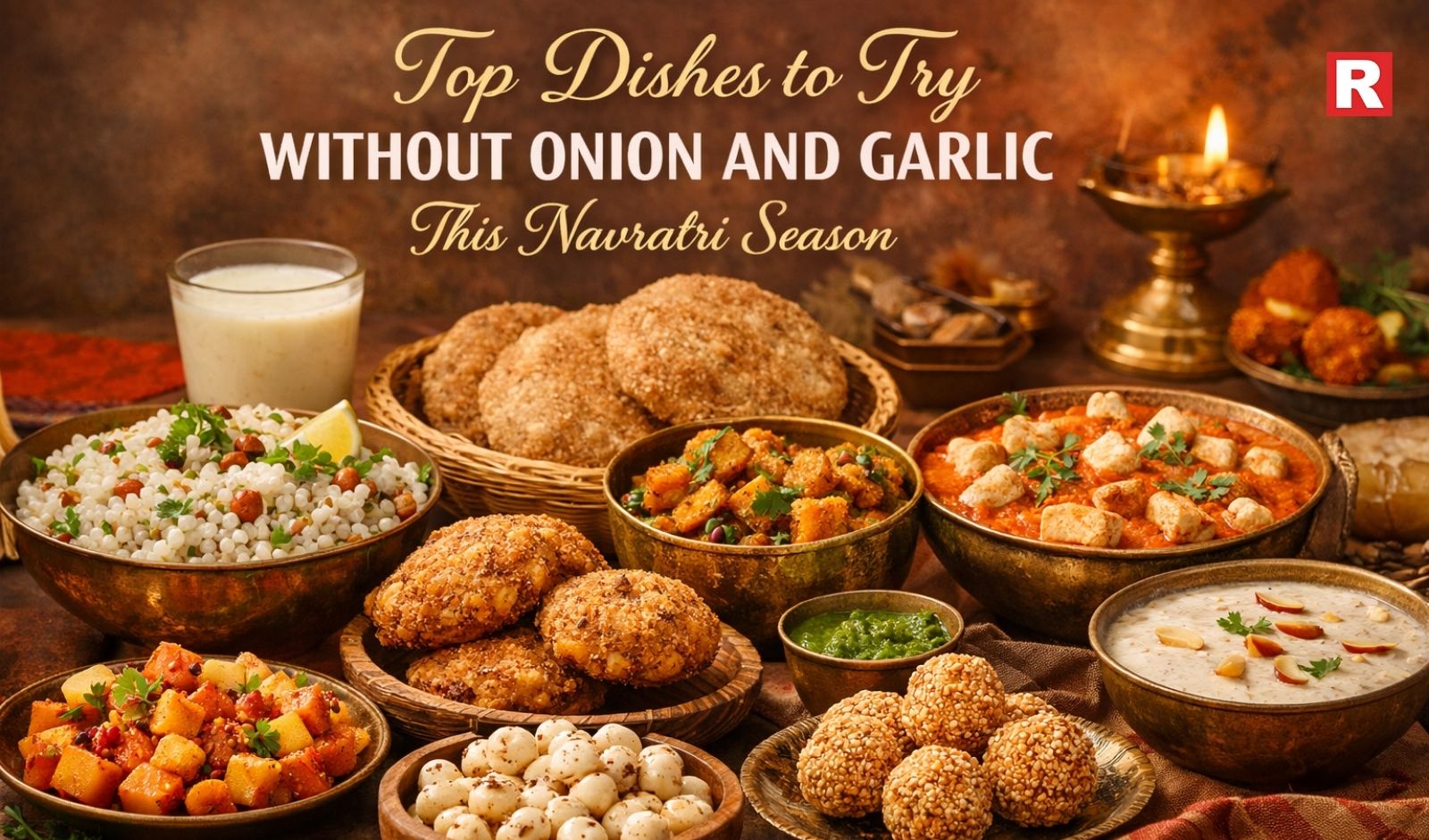
Navratri is a time of devotion, discipline, and mindful eating. Across India, many households follow a satvik diet during these nine days. This means no onion and no garlic. The idea is simple. Eat food that is light, pure, and easy to digest.
But fasting does not mean giving up on taste. In fact, Navratri food can be rich, comforting, and full of flavour when cooked the right way. With the right ingredients and cooking methods, you can enjoy meals that feel festive every day. If you are planning your Navratri menu or just want to explore satvik food, this guide will help you discover dishes that are both traditional and exciting.
What Makes Navratri Food Different
Navratri meals follow specific rules. These are based on both tradition and health. Regular salt is replaced with sendha namak or rock salt. This is considered pure and suitable for fasting. Common grains like wheat and rice are avoided. Instead, flours like kuttu (buckwheat), singhara (water chestnut), and rajgira (amaranth) are used.
Cooking is usually done in ghee or light oils like peanut oil. Ingredients like onions and garlic are avoided because they are believed to stimulate the senses. The focus is on calm, balanced eating. Despite these restrictions, the variety is impressive. From crispy snacks to creamy desserts, there is something for every craving.
Find Top Dishes to Try Without Onion and Garlic this Navratri
1. Sabudana Khichdi
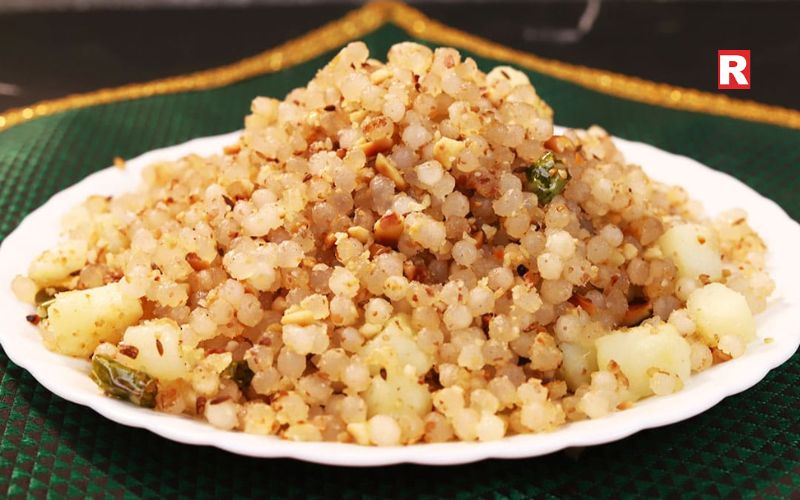
Sabudana khichdi is a staple during Navratri. It is made with soaked tapioca pearls, peanuts, and potatoes. The dish feels light but keeps the body full for hours. The soft pearls and crunchy peanuts create a good balance of texture. It is rich in carbohydrates, which provide quick energy during fasting. Peanuts add healthy fats and some protein. However, it has a high glycaemic index, so it may raise blood sugar quickly. People with diabetes or those trying to manage weight should eat it in small portions. Proper soaking is important to avoid a sticky texture. A little lemon juice at the end improves both taste and digestion.
Read more: 8 Famous Vegetarian Dishes of Uttar Pradesh and Their Timeless Legacy
Top 10 Vegan Street Foods in India Every Indian Loves
2. Sama Rice Pulao
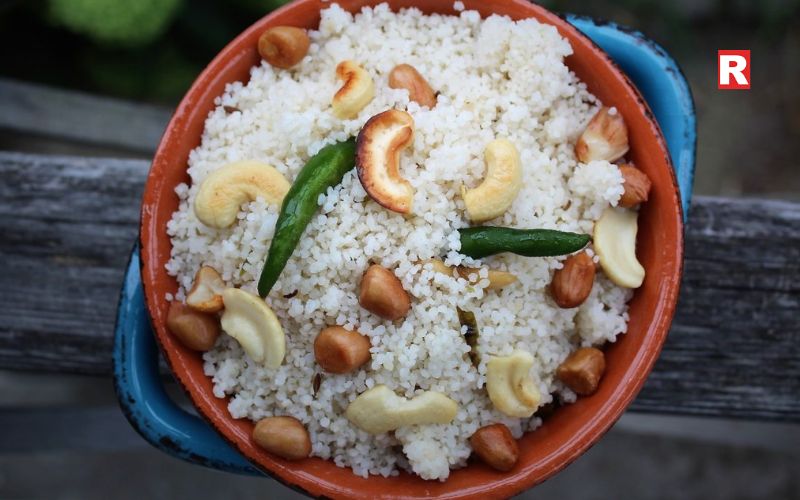
Sama rice pulao is a simple and comforting Navratri dish. It uses barnyard millet instead of regular rice. The grains cook fast and feel light on the stomach. It is usually prepared with potatoes, cumin seeds, and mild spices. Sama rice is low in calories and easy to digest. It also contains fibre, which helps in better digestion. This makes it a good option for people who want a light meal during fasting. However, those with low blood sugar should not rely on it alone, as it may not provide long-lasting energy. Pairing it with curd or peanuts can make it more balanced and filling.
3. Rajgira Paratha
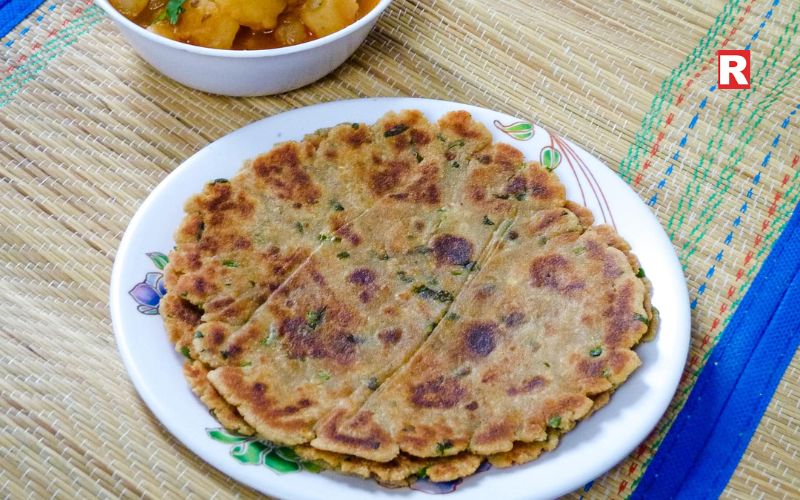
Rajgira paratha is a healthy flatbread made during fasting days. It is prepared using amaranth flour, which is naturally gluten-free. The parathas are soft and have a mild nutty taste. Rajgira is rich in protein, calcium, and iron. It supports bone health and helps maintain energy levels. These parathas are usually eaten with curd or simple chutney. Since the flour lacks gluten, the dough needs careful handling. While it is nutritious, it can feel heavy if eaten in large amounts. People with sensitive digestion or those prone to bloating should consume it in moderation. Cooking it with less oil can make it lighter and easier to digest.
4. Kuttu Ki Poori with Aloo Sabzi
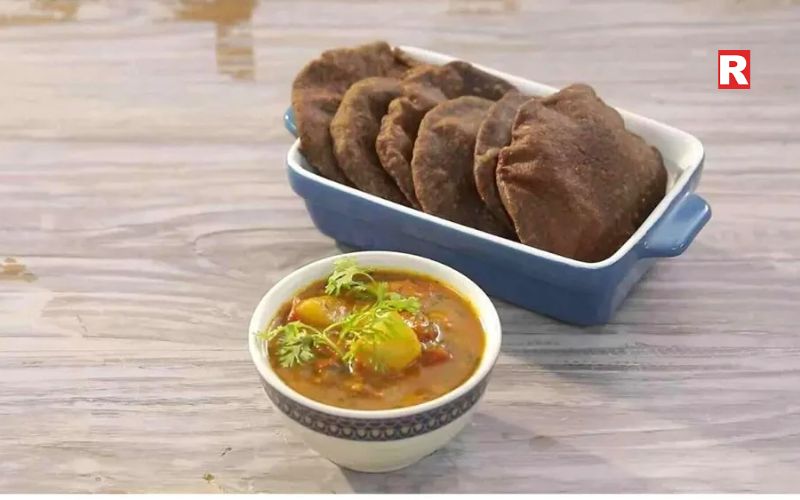
Kuttu ki poori with aloo sabzi is a festive favourite in many homes. The pooris are made from buckwheat flour and are deep-fried until crisp. They are served with a simple potato curry cooked in mild spices. Kuttu flour is rich in fibre and supports digestion. It also contains essential minerals like magnesium. Potatoes provide quick energy, which helps during fasting. However, this meal is fried and can be heavy on the stomach. People with high cholesterol or heart concerns should limit intake. It is best enjoyed occasionally rather than daily. Pairing it with curd can help balance the heaviness and improve digestion.
5. Paneer Makhana Curry
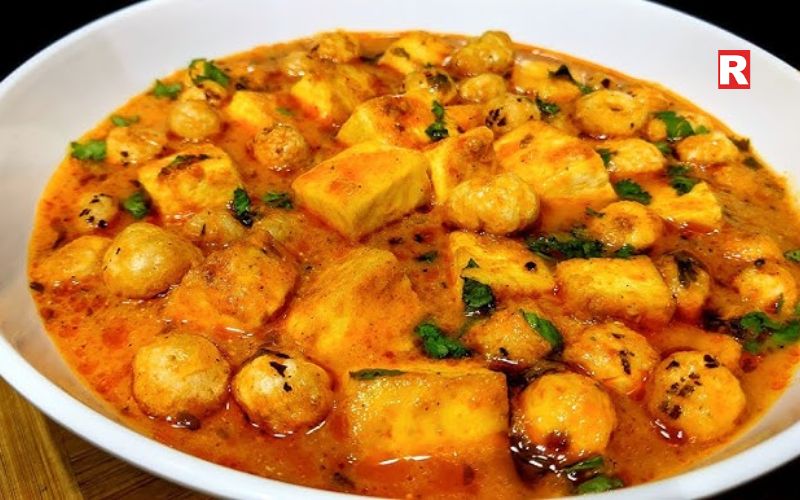
Paneer makhana curry is a rich and comforting dish for Navratri meals. It combines soft paneer cubes with roasted makhana in a creamy gravy. The base is usually made with tomatoes, cashews, and curd. Paneer provides good quality protein and calcium. Makhana is low in calories and rich in antioxidants. Together, they create a balanced dish that supports energy and strength. Despite its benefits, the curry can be high in fat due to cream and nuts. People with lactose intolerance or those managing weight should eat it carefully. Using less cream and more curd can make it a healthier option without losing flavour.
6. Arbi Fry
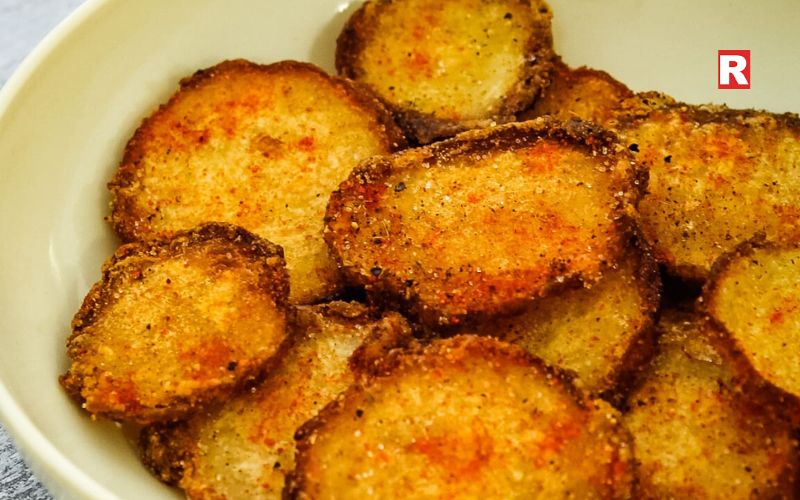
Arbi fry is a simple yet flavourful dish made from taro root. The arbi is first boiled, then sliced and shallow fried with cumin and spices. When cooked well, it turns crispy on the outside and soft inside. Arbi is rich in fibre, which supports digestion and gut health. It also provides steady energy during fasting hours. However, it can sometimes feel heavy and slightly sticky. People with weak digestion or those prone to acidity should avoid eating too much of it. Using less oil and adding mild spices can make it easier to digest. It works best as a side dish rather than the main meal.
Know more: Pani Puri Has Different Names in Different Indian States—Know Them All
7. Sabudana Vada
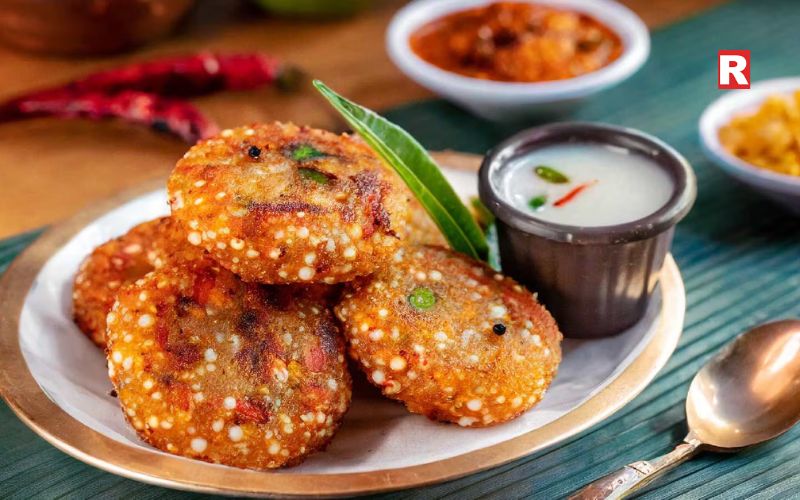
Sabudana vada is a popular Navratri snack. It is crispy outside and soft inside. It is made with soaked sabudana, mashed potatoes, and crushed peanuts. The mixture is shaped into small patties and fried until golden. It gives quick energy because sabudana is rich in carbohydrates. Peanuts add healthy fats and some protein. This makes it filling for long fasting hours. However, it is deep-fried and can be heavy. People with high cholesterol or heart issues should avoid eating it often. Those trying to lose weight should also limit portions. Air-frying is a better option. It reduces oil and makes the vada lighter and easier to digest.
8. Sweet Potato Chaat
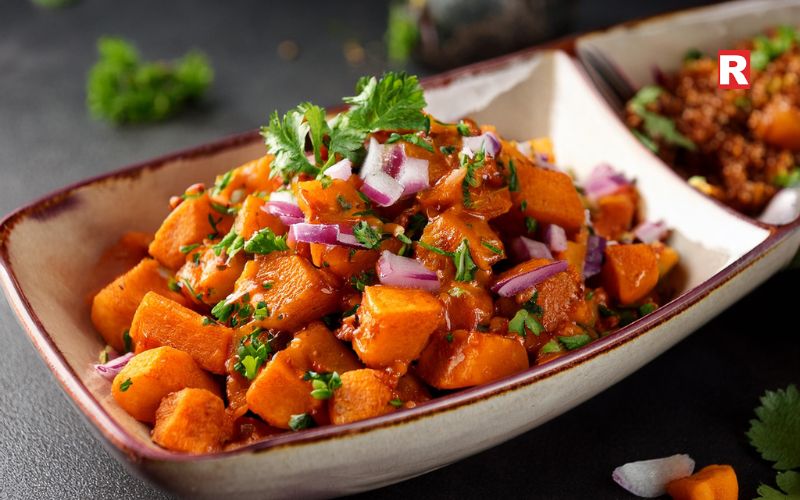
Sweet potato chaat is a simple and healthy snack. It is made by boiling sweet potatoes and cutting them into cubes. They are mixed with rock salt, black pepper, and lemon juice. The taste is naturally sweet and slightly tangy. Sweet potatoes are rich in fibre and vitamins like vitamin A. They help in digestion and keep the stomach full. They also release energy slowly, which is useful during fasting. However, they are naturally high in sugar. People with diabetes should eat them in small amounts. Overeating can also cause bloating. Adding lemon helps balance the taste and improves digestion.
9. Roasted Makhana
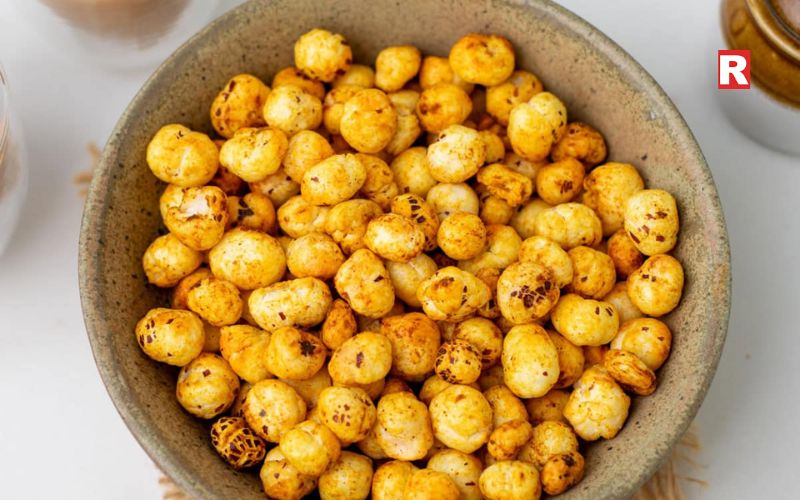
Roasted makhana is a light and easy snack. It is made by roasting fox nuts in a little ghee. A pinch of rock salt and pepper is added for taste. The texture is crunchy and satisfying. Makhana is low in calories and rich in antioxidants. It also contains calcium, which supports bone health. This makes it a good snack for all age groups. It is easy to digest and does not feel heavy. However, eating too much can cause dryness or mild constipation. People with digestive issues should eat it in moderation. Drinking enough water along with it helps maintain balance.
Also check: 20 Famous Foods from Karnataka That Define Its Rich Food Culture
10. Sabudana Kheer
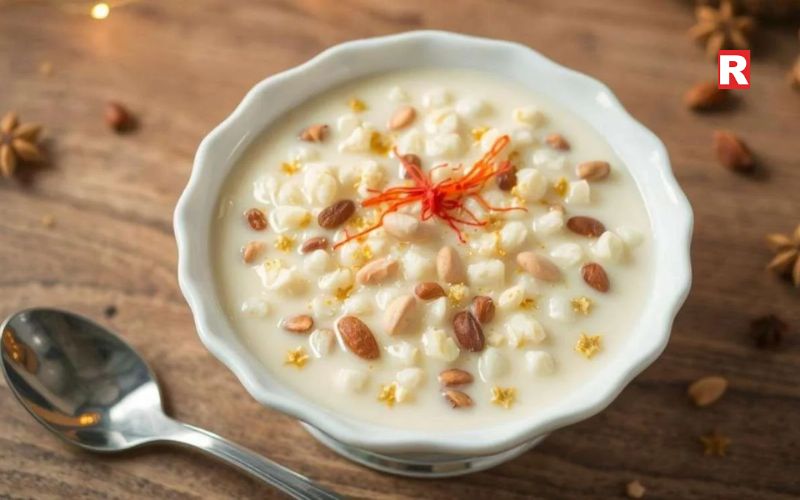
Sabudana kheer is a classic Navratri dessert. It is made with soaked sabudana, milk, and sugar. The mixture is cooked slowly until it becomes thick and creamy. Cardamom is often added for flavour. It is soft, comforting, and easy to eat after fasting. Sabudana provides quick energy, while milk adds calcium and protein. Dry fruits can increase its nutritional value. However, it is high in sugar and calories. People with diabetes should avoid or limit this dessert. It can also feel heavy if eaten in large portions. Using less sugar or natural sweeteners can make it a better option.
11. Rajgira Ladoo
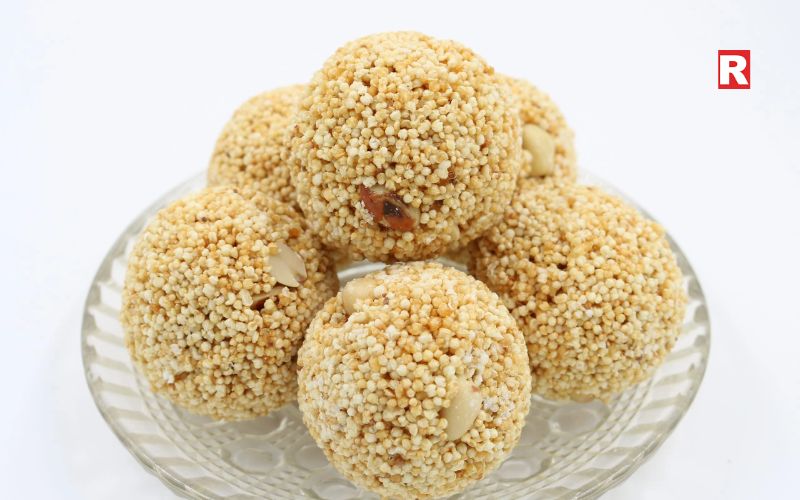
Rajgira ladoo is a traditional fasting sweet. It is made with popped amaranth and jaggery. The mixture is shaped into small balls. It is easy to store and carry. Rajgira is rich in protein, iron, and calcium. It helps in maintaining energy and supports overall health. Jaggery adds natural sweetness and provides iron. Together, they make a nutritious snack. However, jaggery is still a form of sugar. People with diabetes should be careful with portion size. Eating too many ladoos can also increase calorie intake. It is best enjoyed in moderation as a quick energy booster during the day.
12. Fruit Cream with Honey
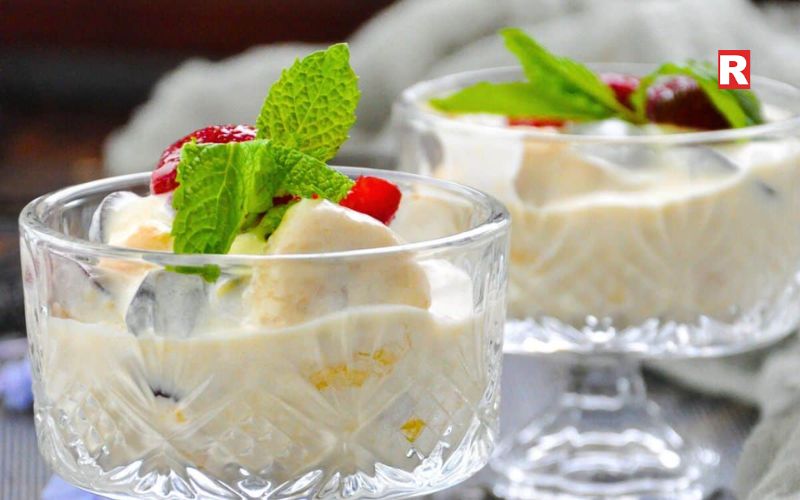
Fruit cream with honey is a refreshing dessert. It is made by mixing fresh fruits with cream and a small amount of honey. It requires no cooking and is quick to prepare. The fruits provide vitamins, fibre, and natural sugars. Cream adds richness and a smooth texture. This dish feels light after a heavy meal. It also helps in cooling the body. However, cream is high in fat and calories. People who are lactose intolerant should avoid it. Those managing weight should also be careful with portion size. Using low-fat cream or yogurt can make it a healthier and lighter option.
How to Add Flavour Without Onion and Garlic
Many people think that food without onion and garlic lacks taste. But that is not true.
You can build flavour in other ways. Use hing for a deep, savoury note. Ginger and green chilli add warmth and spice. Roasting cumin seeds before adding them to dishes enhances aroma.
Curd and lemon juice bring tanginess. Fresh coriander adds freshness. Small techniques like these make a big difference.
Health Benefits of Navratri Food
Navratri meals are not just about tradition. They also offer several health benefits. Most dishes are light and easy to digest. This gives your digestive system a break. Ingredients like sabudana and potatoes provide quick energy, which is important during fasting.
Flours like rajgira and kuttu are naturally gluten-free. This makes them suitable for people with dietary restrictions. The overall diet is simple and balanced. It often helps in reducing bloating and improving gut health.
Check more: Best Indian Sweet Brands in India
Top Famous Veg Street Foods in Kolkata That You Must Try Once in Your Life
The Top Most Famous Dishes of the World by Country
Common Mistakes to Avoid
Many people make small mistakes that affect both taste and health.
Using regular salt instead of sendha namak is a common error. Over-frying food can make it heavy and hard to digest. It is better to balance fried dishes with lighter options.
Portion control is also important. Fasting does not mean overeating. Drink enough water to stay hydrated throughout the day.
Happy Navratri!
Navratri food reflects a simple yet thoughtful way of eating. It uses limited ingredients but still delivers good taste and comfort. Meals are usually light and easy to digest. Ingredients like sabudana, kuttu, and rajgira provide energy and keep the body active during fasting. Makhana and fruits add fibre, vitamins, and support overall health. Dairy items like curd and paneer offer protein and calcium. This balance helps maintain strength without making the stomach feel heavy. However, not every dish suits everyone. Fried foods like vada and poori may not be ideal for people with heart issues or high cholesterol. Sweet dishes can affect those with diabetes. Some foods may also cause bloating if eaten in excess. Eating in moderation is important. When prepared with care, Navratri meals support both health and tradition.
Saptopriya Ghosal
Feature Writer
I am a dedicated media professional with a bachelor's degree in mass communication from the State University of Calcutta and a postgraduate degree from Amity University. My academic journey has equipped me with a profound understanding of storytelling and communication. Passionate about the dynamic world of media, I continually strive to explore new ways to engage and inform through compelling narratives.



































































































































































