
Top Craft & Boutique Alcohol Brands to Watch in 2026
Urban Indian consumers are trading up. They are shifting from mass-produced alcohol to curated craft labels. Bars are updating menus. Retailers are allocating more shelf space to boutique brands. Investors are tracking premiumisation trends.

Craft alcohol is no longer limited to niche shelves or weekend pop-ups. It is steadily influencing how urban consumers choose, experience, and spend on drinks. In 2026, craft and boutique brands stand for more than small production runs. They reflect technical precision, controlled fermentation, better distillation practices, and thoughtful ingredient sourcing. Urban drinkers are paying attention to how a spirit is distilled, how long a beer is conditioned, and where the botanicals or grains are sourced from. Quality control, batch consistency, and flavour balance matter more than ever.
Today’s consumer looks beyond alcohol percentage. They look for origin stories. They want to know the region, the raw material, and the production method. A botanical gin must show layering of flavours. A heritage Indian spirit must balance tradition with modern refinement. Even non-alcoholic craft beer must deliver body and aroma through advanced brewing techniques. The target audience is clear. Young professionals, cocktail enthusiasts, premium buyers, and mindful drinkers are driving demand. They value authenticity, transparency, and experience. For them, craft alcohol is not just a drink. It is a statement of taste, awareness, and informed choice.
Explore Top Craft & Boutique Alcohol Brands
1. Bira 91 – Making Craft Mainstream
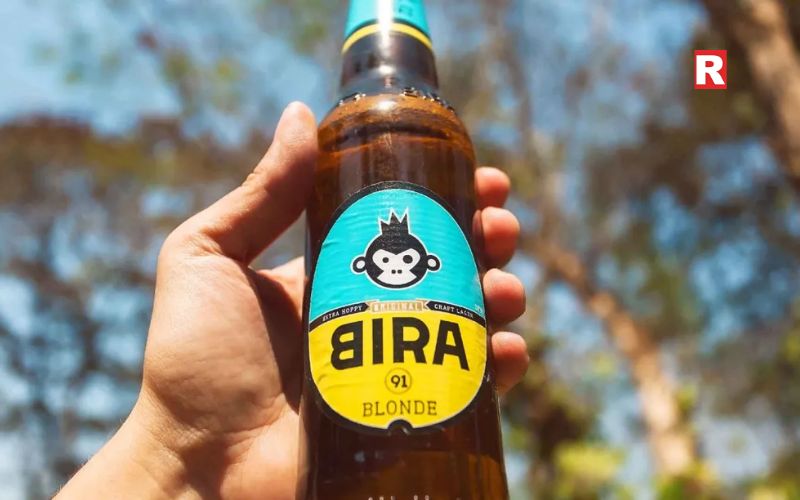
Founded in 2015, Bira 91 helped introduce craft beer culture to a wider Indian audience. The brand positioned itself between mass beer and niche microbreweries. That strategy worked. Its portfolio includes wheat beers, lagers, IPAs, and seasonal styles. The technical focus lies in balanced brewing. Clean fermentation. Controlled bitterness. Smooth finish. These are beers designed to be approachable. Bira 91 understands its target audience. Young urban professionals. Social drinkers. Consumers moving from standard lagers to flavour-driven beer. Its packaging, digital marketing, and taproom presence strengthen its brand recall. In 2026, Bira 91 remains relevant because it adapts quickly. It experiments with limited editions and focuses on distribution across metros and global markets.
Read more: Top 5 Strong Beer Brands in India: Bold Brews for the Bold Drinker
Top Japanese Beer Brands in India: Crisp, Smooth, and Full of Character
2. Simba – Award-Winning Indian Craft Beer
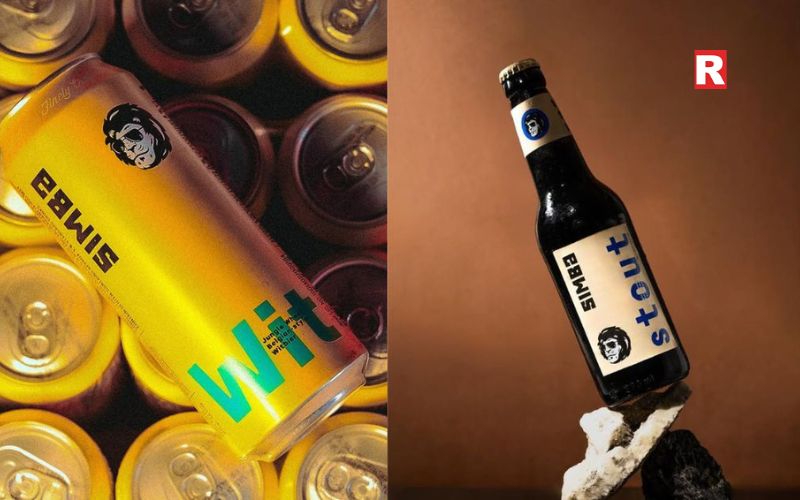
Simba Beer positions itself as premium craft. The brewery is known for strict quality control and international brewing techniques. Simba’s Strong, Wit, Stout, and Lager variants show technical depth. The malt backbone is well defined. Bitterness levels are balanced. Mouthfeel is clean. What makes Simba stand out is consistency. Many craft brands struggle with batch variation. Simba maintains standardisation. That builds trust among consumers and HoReCa buyers. Its target audience includes beer enthusiasts who want flavour but also stability. Bars and restaurants prefer brands that deliver predictable quality. Simba fits that need in 2026.
3. Nisaki Gin – Visual Innovation Meets Botanical Craft
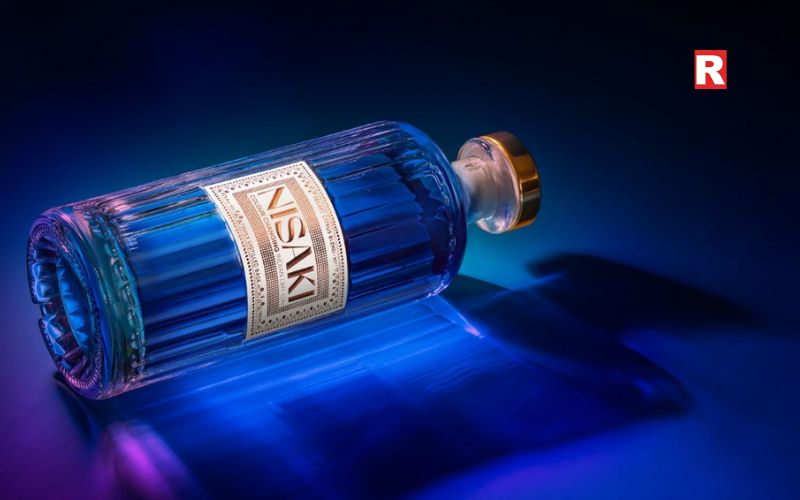
The Indian gin category continues to grow. Nisaki Gin stands out because of its rice base and colour-changing effect. This is not just a gimmick. The technical craft lies in botanical infusion and pH-sensitive natural ingredients that shift colour when tonic is added. The base spirit is distilled carefully to avoid harshness. Botanicals are layered for aroma complexity. The result is a spirit that performs well in cocktails and offers strong shelf appeal. The target audience is cocktail lovers and experimental drinkers. Mixologists also prefer visually dynamic spirits. Nisaki understands the social media factor. In 2026, visual storytelling is part of brand growth.
4. Six Brothers Mahura – Reviving Indigenous Distillation
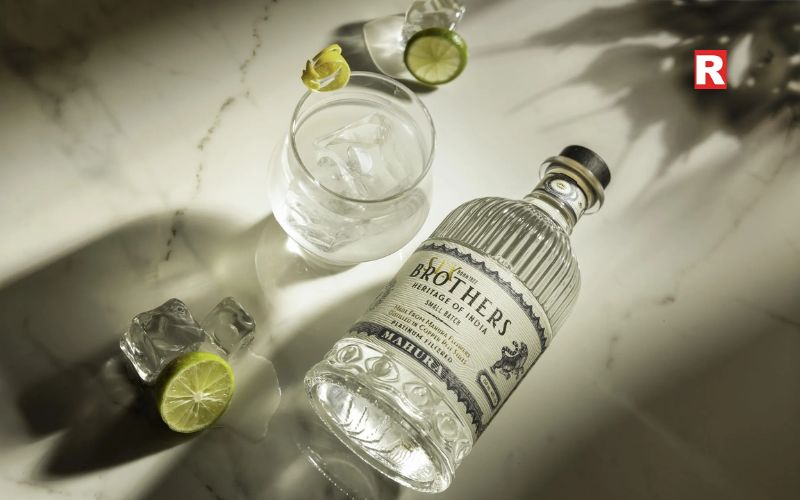
India’s craft spirit movement is increasingly focusing on heritage ingredients. Six Brothers Mahura uses mahua flowers, traditionally fermented by tribal communities. Mahua is delicate. It requires careful fermentation control to avoid off-notes. Distillation must preserve floral sweetness without excessive heat. Six Brothers modernised the process. They introduced quality testing, controlled fermentation tanks, and improved filtration. Yet they retained authenticity. The target audience includes culturally curious drinkers and premium spirit collectors. This brand appeals to consumers who want Indian provenance in their glass. In 2026, heritage spirits are not rustic experiments. They are structured, premium offerings with export potential.
5. Sur Cashew Feni – Goa’s Spirit Reimagined
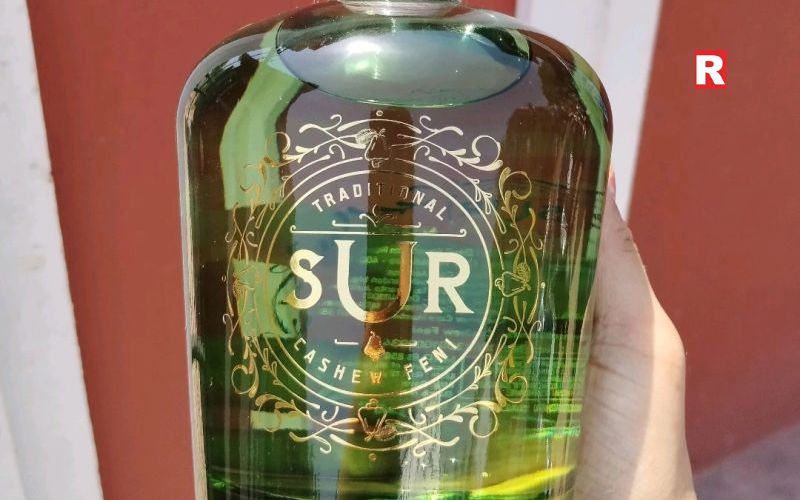
Feni has always been linked to Goa. Sur Cashew Feni elevates this regional spirit into a premium craft category. Traditional feni can be strong and sharp. Sur focuses on clean distillation. It uses fresh cashew apples. Fermentation is monitored closely. Copper pot stills refine the final output. No artificial additives. No heavy flavour masking. This appeals to urban Indian consumers who want regional authenticity without rough edges. It also targets tourists and export buyers seeking unique Indian spirits. In 2026, geographical identity is a powerful selling point. Sur understands terroir-driven branding.
6. Athletic Brewing Company – Leading the Non-Alcoholic Craft Shift
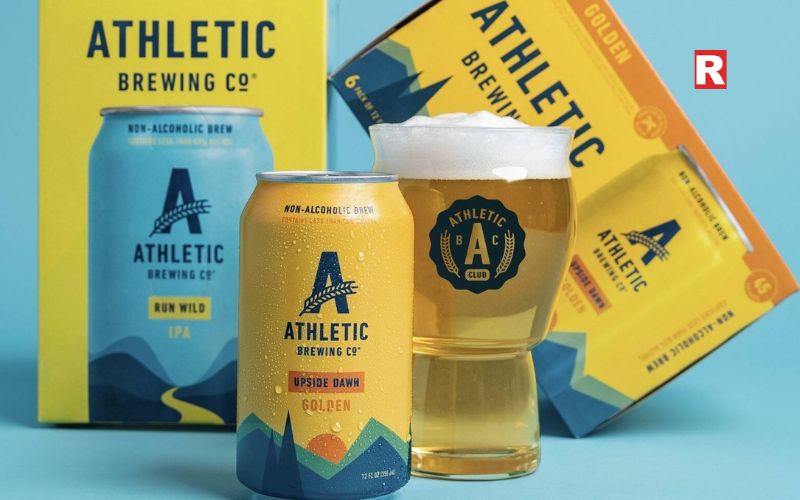
The mindful drinking movement is growing globally. Athletic Brewing Company has built a strong reputation in non-alcoholic craft beer. Producing flavourful beer without alcohol requires technical expertise. Traditional fermentation produces ethanol. Removing alcohol while preserving flavour is complex. Athletic uses proprietary brewing methods to retain hop aroma, body, and mouthfeel. Its audience includes health-conscious millennials, fitness enthusiasts, and professionals who want moderation without compromising taste. In India and globally, low and no-alcohol categories are expanding. Athletic sets a benchmark for quality in this segment in 2026.
Know more: Top Newly Launched Beer Brands to Replace Your Regular Brew
7. Tipsy Tribe – Brewery and Distillery Under One Roof
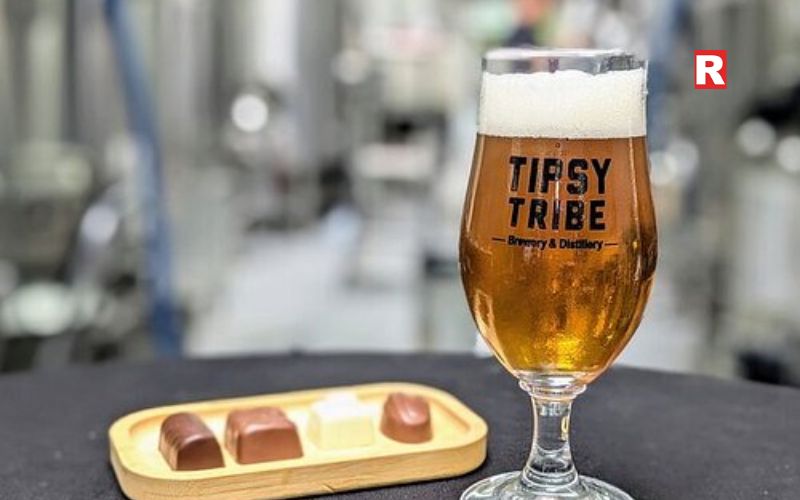
Belgium-based Tipsy Tribe combines brewing and distilling in a single concept facility. This hybrid model allows cross-category innovation. Shared yeast experimentation. Barrel aging across spirits and beer. Collaborative flavour profiles. It also builds experiential value. Consumers visit for tours, workshops, and tastings. The target audience includes craft explorers and beverage tourists. The brand positions itself as an experience, not just a bottle. In 2026, experience-led alcohol brands perform better. Consumers want interaction and education.
8. Duck Club Bourbon – Lifestyle Positioning in Craft Spirits
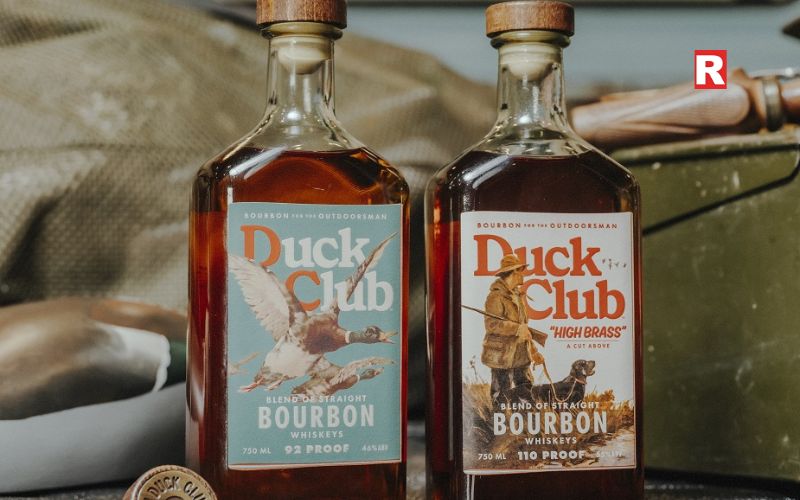
American craft brand Duck Club Bourbon merges bourbon with outdoor culture branding. Technically, bourbon must follow strict regulations. Minimum 51 percent corn. Aged in new charred oak barrels. Distilled below regulated proof levels. Duck Club focuses on flavour depth and approachable pricing. The audience includes lifestyle-driven consumers. Buyers who connect with identity branding. This demonstrates how niche positioning builds loyalty in craft alcohol.
Key Trends Defining Craft & Boutique Alcohol in 2026
Technical Precision: Small batch no longer means inconsistent. Consumers expect lab-tested quality. Controlled fermentation. Clean filtration. Stable packaging.
Ingredient Transparency: Local botanicals. Indigenous grains. Regional fruits. Brands that disclose sourcing build credibility.
Experience Over Volume: Taprooms. Distillery tours. Cocktail workshops. Brands must create physical and digital engagement.
Sustainability: Eco packaging. Water recycling. Energy-efficient brewing. Sustainability influences buying decisions.
Targeted Branding: Craft brands are sharper with segmentation. Gen Z wants visual storytelling. Millennials want authenticity. Connoisseurs want process detail.
Also check: Top British Beer Brands in India You Should Try at Least Once
What is Lager Beer? Discover the Top 5 Lager Beer Brands in India You Must Try
Top Premium Whisky Brands in India: Finest Indian Whiskies Worth Trying
Final Sip
Urban Indian consumers are trading up. They are shifting from mass-produced alcohol to curated craft labels. Bars are updating menus. Retailers are allocating more shelf space to boutique brands. Investors are tracking premiumisation trends. For readers, this list is not just discovery content. It is a guide to understanding where the industry is heading. Craft alcohol in 2026 is about skill. It is about identity. It is about informed drinking. The brands highlighted here combine technical competency, cultural relevance, and strong audience positioning. They are not chasing trends. They are shaping them. If you are building a bar menu, investing in beverage brands, or simply exploring new flavours, these craft and boutique alcohol brands are worth watching this year.
Saptopriya Ghosal
Feature Writer
I am a dedicated media professional with a bachelor's degree in mass communication from the State University of Calcutta and a postgraduate degree from Amity University. My academic journey has equipped me with a profound understanding of storytelling and communication. Passionate about the dynamic world of media, I continually strive to explore new ways to engage and inform through compelling narratives.






















































































































































