Top Commercial Cooker Brands for Restaurants: Built for Heat, Speed and Heavy Service
In a busy restaurant, that combination can have a much bigger impact than the name printed on the equipment.

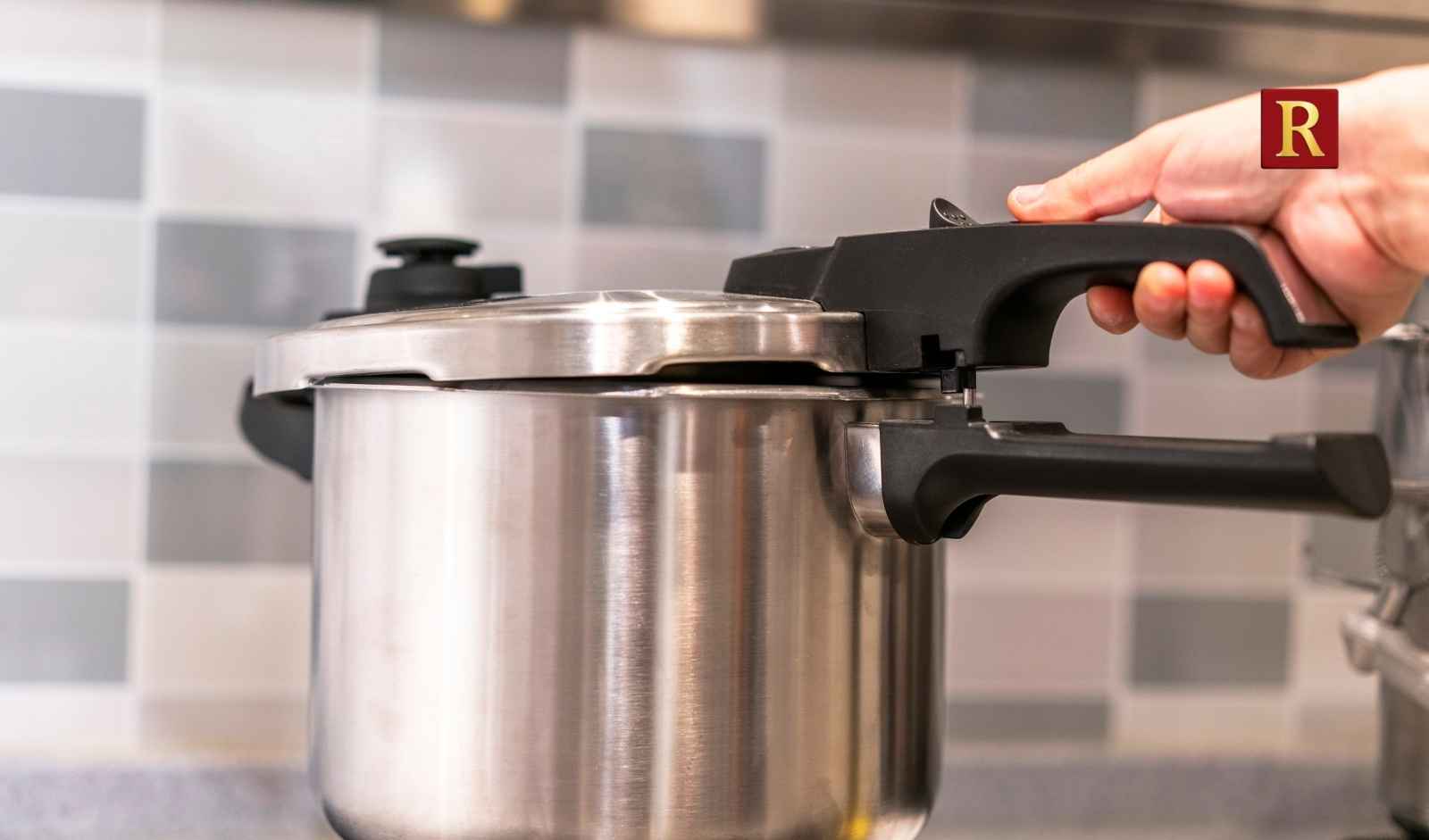
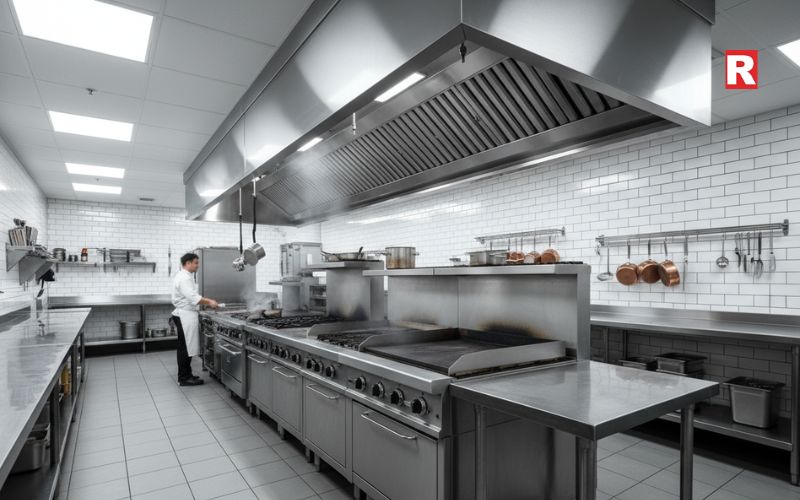
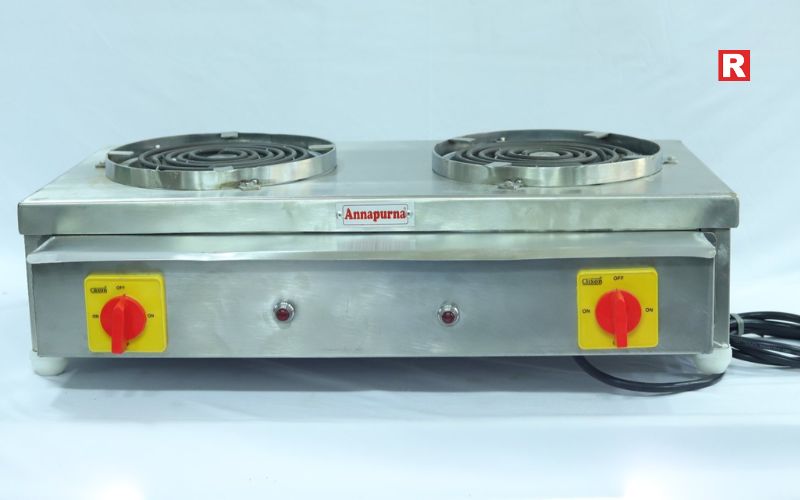
A commercial cooker is one of the hardest-working pieces of equipment in a restaurant kitchen. It may run for several hours a day and handle everything from quick sautés to large batches of gravies, sauces, rice and curries. For a restaurant, therefore, buying a cooker is not simply about choosing the model with the highest flame or the lowest price. The equipment needs to match the menu, kitchen size, cooking volume and fuel system.
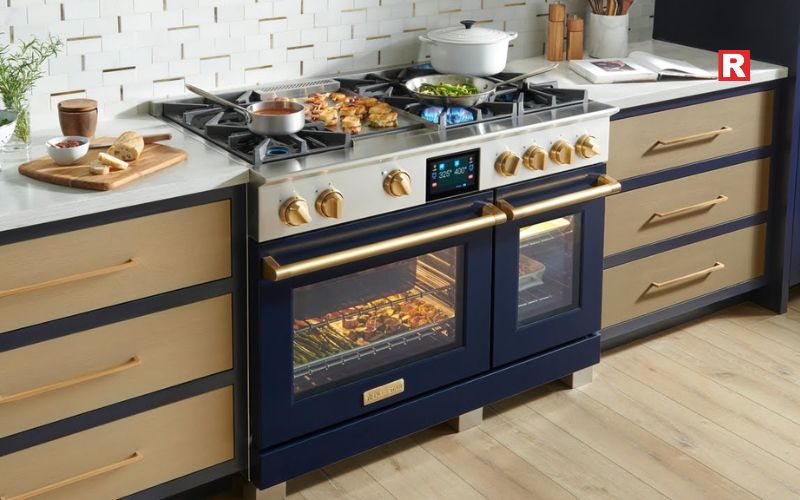
Today, commercial cooking equipment ranges from basic heavy-duty burners to modular cooking suites with gas, electric and induction options. Brands such as Electrolux Professional and Fagor Professional offer modular cooking systems, while Indian manufacturers such as Apollo focus on custom-built equipment for professional kitchens.
Why the Right Commercial Cooker Matters
A busy restaurant cannot afford slow cooking during peak hours. A weak burner can increase cooking time. Poor heat control can affect consistency. Difficult cleaning can also add to the workload after every service. The right cooker should support the kitchen rather than become another operational problem.
Reasons to Look Beyond Price When Buying a Commercial Cooker
Cooking speed: High-output burners can reduce the time needed for boiling, frying and bulk cooking.
Heat control: A powerful burner is useful, but chefs also need the ability to reduce heat for simmering and delicate preparations.
Daily workload: A cooker designed for continuous commercial use is better suited to long restaurant shifts than a domestic appliance.
Fuel efficiency: Energy consumption becomes important when equipment operates for several hours every day. Electrolux Professional, for example, says its 900XP gas cookers with automatic ignition and shutdown sensors can save up to 20 percent in gas consumption, based on its internal testing.
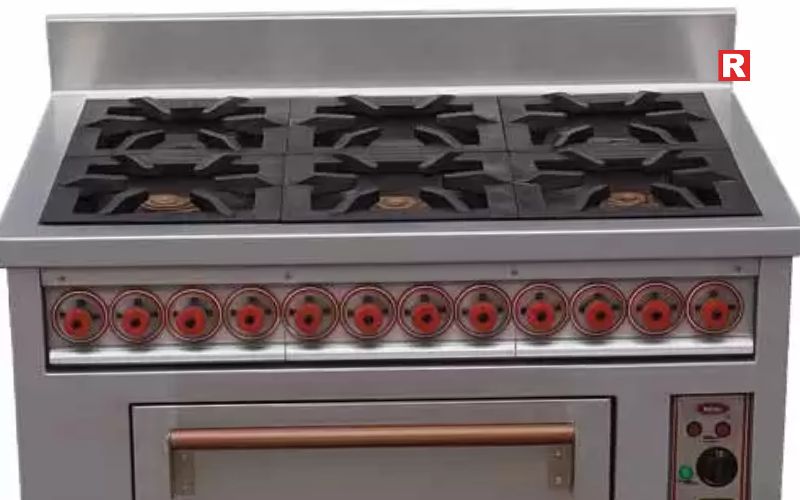
Kitchen space: A six-burner range is not always the right answer. Smaller restaurants may benefit from compact or modular equipment.
Construction: Stainless steel construction is widely used in commercial kitchens because it offers durability and is easier to maintain in demanding environments.
Maintenance: Burners, knobs, valves and other components should be accessible for cleaning and servicing.
Service support: Equipment downtime during a lunch or dinner rush can affect the entire kitchen. Spare-parts availability and after-sales support should therefore be part of the buying decision.
Menu requirements: A biryani kitchen, Chinese restaurant, café and fine-dining kitchen do not have the same cooking requirements.
Future expansion: Restaurants expecting higher volumes may benefit from modular systems that can be expanded or configured around the kitchen workflow.
Top Commercial Cooker Brands for Restaurants
1. Electrolux Professional
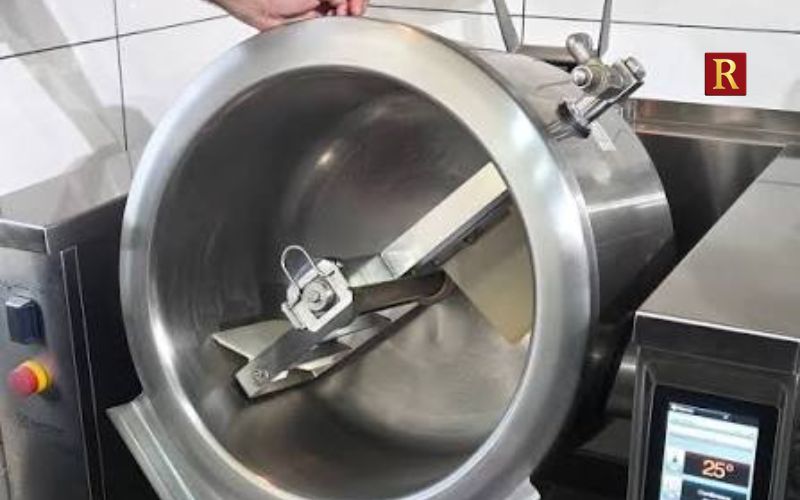
Electrolux Professional is positioned towards professional foodservice operations that need modular cooking systems. Its XP range includes 700 and 900 modular cooking configurations, allowing kitchens to combine different cooking functions according to their requirements. Its 900XP gas cooking equipment includes high-output configurations. For example, one 900XP boiling-top configuration offers up to 60 kW of gas power across six burners. This illustrates the difference between commercial cooking equipment and ordinary domestic appliances. The brand is particularly relevant for hotels, large restaurants and professional kitchens where multiple cooking processes need to operate together.
2. Fagor Professional
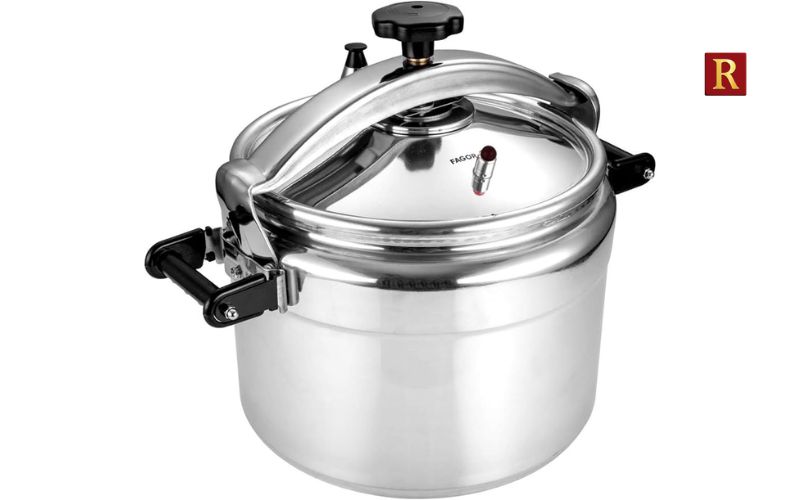
Fagor Professional takes a similar modular approach. Its commercial cooking portfolio includes 700 and 900 ranges, customised cooking systems, high-production equipment and independent cooking units. The company's 700 and 900 modular cookers are designed for intensive daily use. Gas and electric configurations are available, giving kitchens flexibility based on their infrastructure. This makes Fagor Professional worth considering for restaurants that need a complete cooking line rather than a standalone burner.
3. Apollo Equipments
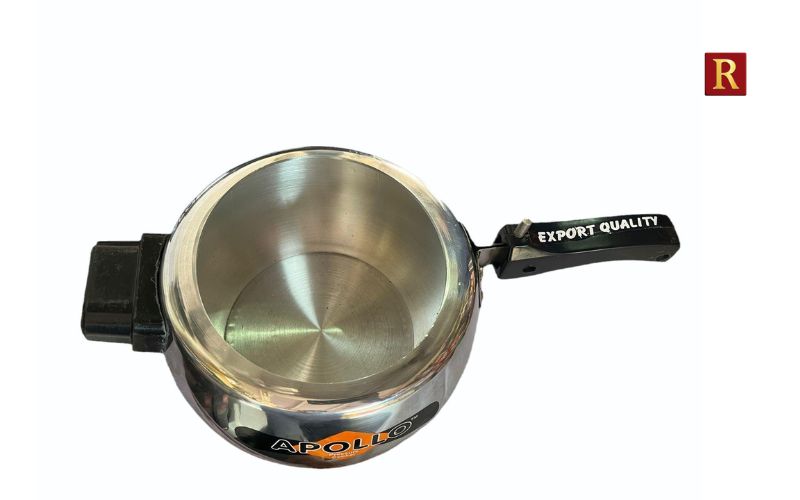
Apollo Equipments brings a more India-focused manufacturing angle to commercial kitchen equipment. The Ahmedabad-based manufacturer has been producing commercial kitchen equipment since 1986 and offers cooking equipment ranging from burners and griddles to fryers, boiling kettles, bratt pans and modular cooking suites. The company states that its equipment uses SS 304/316 stainless steel and is designed for continuous commercial use. It also offers custom dimensions and configurations.
This customisation can be particularly useful for Indian restaurants where kitchen layouts and cooking styles vary considerably. Apollo also has an energy-efficient commercial induction range, giving restaurants an alternative to traditional open-flame cooking.
4. Cookman
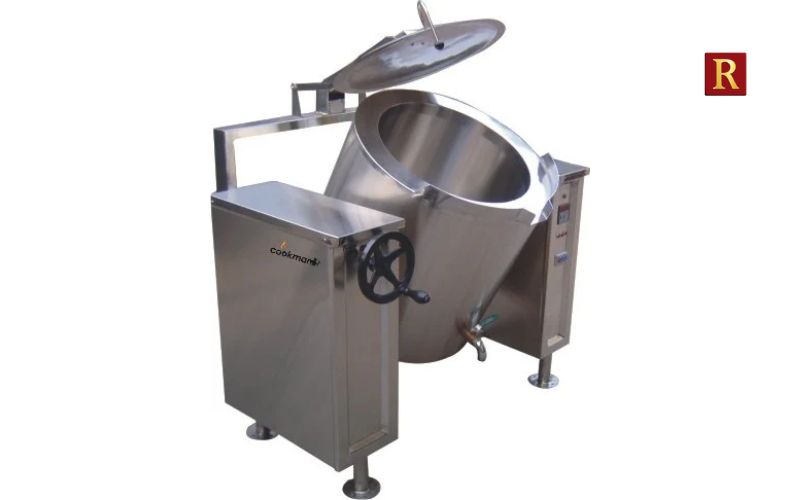
Cookman is another Indian commercial kitchen equipment name that is relevant for restaurants, cloud kitchens and food businesses looking for practical cooking equipment. Its appeal lies in the ability to work with different commercial kitchen requirements, including customised configurations. For smaller restaurants, the ability to select equipment according to available space can be more useful than simply buying the largest available range. For a cloud kitchen, where every square foot matters, equipment should be evaluated on output per unit of space rather than appearance alone.
5. Falcon Foodservice
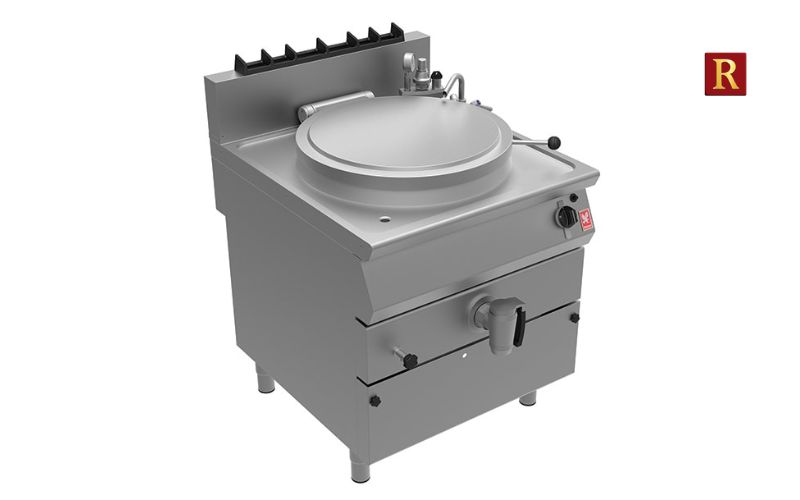
Falcon is known for professional cooking equipment and broader cookline solutions. Its commercial cooking portfolio includes ranges alongside equipment such as griddles, chargrills, fryers, induction units and other professional cooking systems. This makes the brand relevant for kitchens that want to build a complete cooking line rather than depend on one multipurpose appliance. For hotels and large restaurants, this approach can help create a more organised workflow where different cooking stations have clearly defined roles.
Match the Cooker to the Cuisine
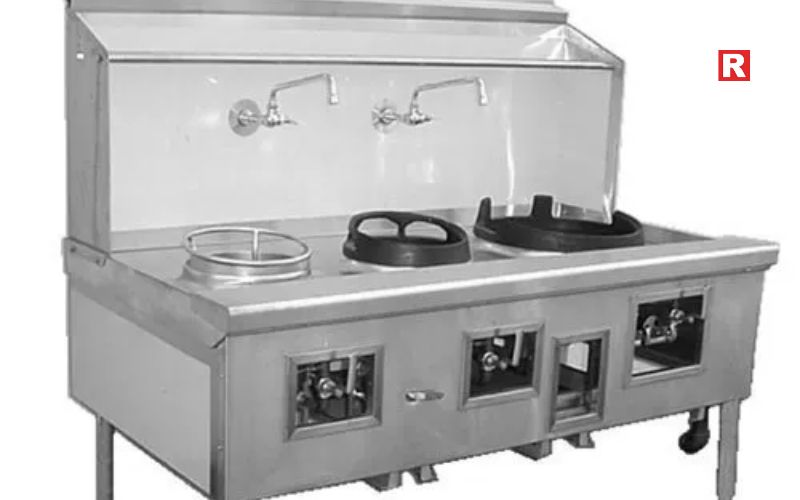
The best commercial cooker changes according to the food being prepared. An Indian restaurant may need strong burners for large vessels, curries, boiling and frying. A Chinese kitchen may place greater emphasis on intense heat and rapid heat recovery for wok cooking. A café may need a smaller cooking setup because its menu and production volume are limited. A cloud kitchen, meanwhile, needs to maximise output from a restricted footprint. Hotels and large multi-cuisine restaurants may benefit from modular cooking suites because several cooking techniques have to operate at the same time. This is why the phrase "best commercial cooker" has no universal answer. The correct choice depends on what the kitchen actually produces.
Gas, Electric or Induction?
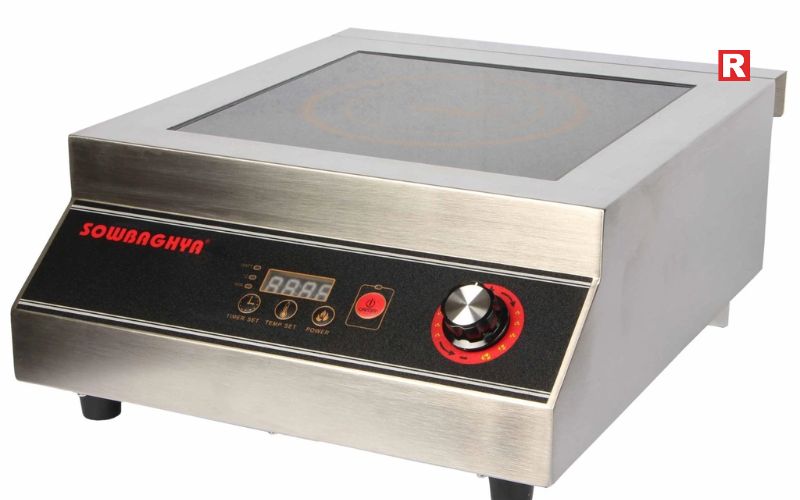
Gas remains useful for restaurants that depend on high heat and traditional cooking techniques. It is especially relevant for Indian and wok-based cooking. Induction offers precise heat control and eliminates an open flame. It can also support cleaner kitchen environments, although the electrical infrastructure must be able to handle the required load. Electric cooking equipment can work well for specific applications and commercial kitchens with suitable power capacity. The decision should therefore consider fuel availability, installation requirements, ventilation, cooking technique and operating cost.
Purchase Price Is Not the Real Cost
Restaurant owners should calculate the total cost of ownership rather than comparing purchase prices alone.
- A simple calculation is: Total Cost = Equipment + Installation + Energy + Maintenance + Spare Parts + Downtime
A cheaper cooker may not remain cheaper if it consumes more fuel or requires frequent repairs. Similarly, a premium cooking range may make financial sense if it improves productivity, lasts longer and has dependable service support.
What Should Restaurants Check Before Buying?
Before placing an order, restaurant owners should examine:
- Number and size of burners
- Heat output
- Gas or electric compatibility
- LPG or PNG requirements
- Kitchen dimensions
- Cooking volume
- Stainless steel grade
- Flame and temperature control
- Cleaning access
- Exhaust and ventilation requirements
- Warranty
- Spare-parts availability
- Installation support
- After-sales service
For larger projects, it is also worth checking whether the manufacturer can customise the equipment around the kitchen's actual workflow.
The Cooker Should Work With the Kitchen, Not Against It
Commercial cooking equipment is no longer just about putting more burners into a stainless-steel frame. Modern professional kitchens are increasingly looking at modular layouts, energy consumption, ergonomics, customisation and complete cooking systems. Electrolux Professional highlights modularity and ergonomics in its XP range, while Fagor Professional offers different cooking ranges and configurations for different hospitality formats. Apollo, meanwhile, provides custom-built commercial cooking equipment and complete kitchen solutions in India.
For restaurant owners, the most important question is therefore not simply which brand is the biggest. It is whether the cooker can handle the restaurant's menu, peak-hour workload and kitchen environment without becoming an operational bottleneck. A well-chosen commercial cooker should deliver consistent heat, support faster service, withstand long working hours and remain practical to maintain. In a busy restaurant, that combination can have a much bigger impact than the name printed on the equipment.
Saptopriya Ghosal
Feature Writer
I am a dedicated media professional with a bachelor's degree in mass communication from the State University of Calcutta and a postgraduate degree from Amity University. My academic journey has equipped me with a profound understanding of storytelling and communication. Passionate about the dynamic world of media, I continually strive to explore new ways to engage and inform through compelling narratives.