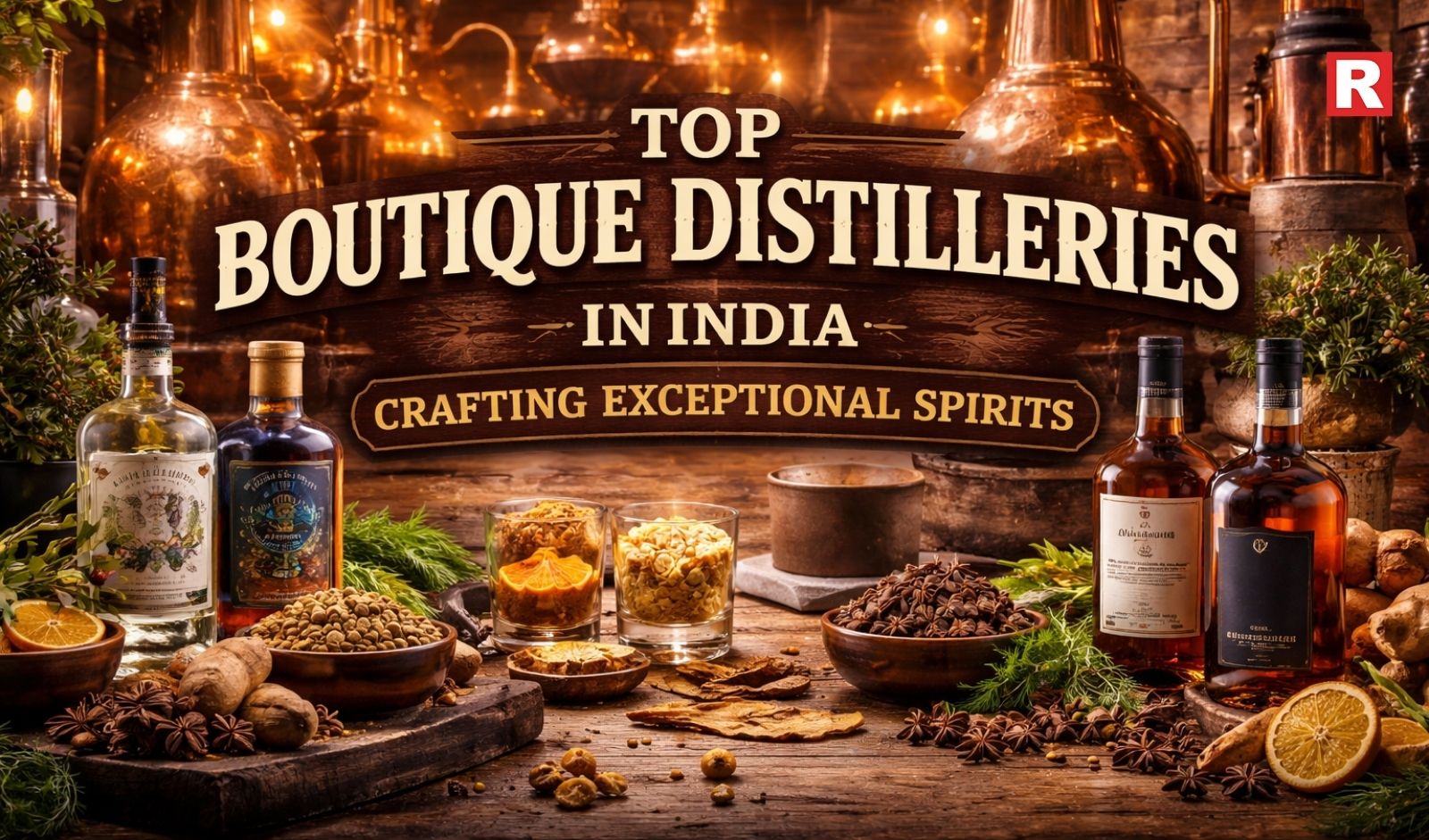
Top Boutique Distilleries in India Crafting Exceptional Spirits
The future of boutique distilling in India looks promising. Premium spirits consumption continues to grow, especially in metropolitan areas.

India’s alcohol industry has long been associated with large whisky and rum brands produced at a massive scale. But a quiet revolution is taking place. Across the country, a new generation of distillers is experimenting with small batches, regional ingredients, and modern techniques. These producers are building what is now known as India’s craft spirits movement.
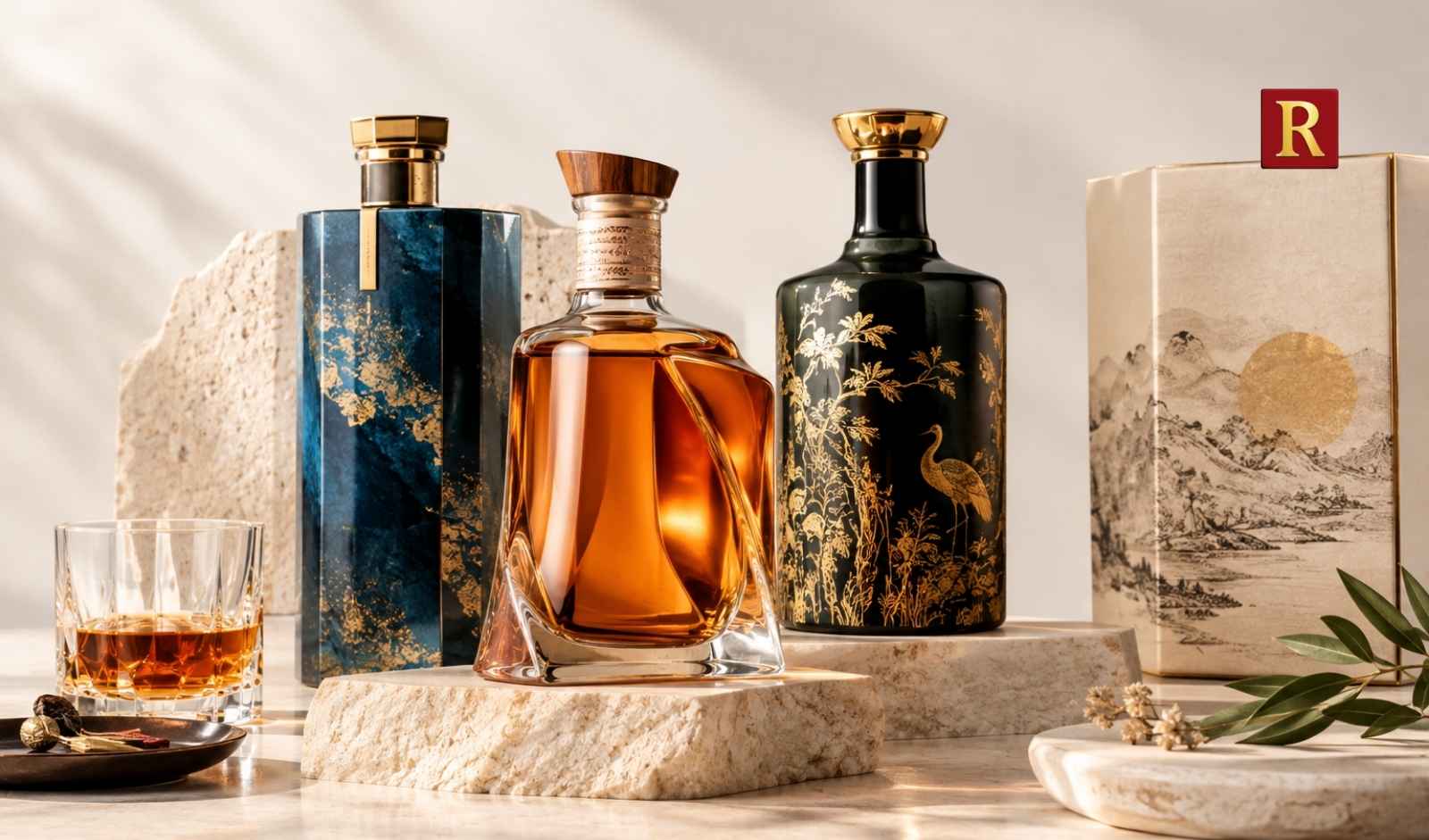
Boutique distilleries focus on quality, creativity, and authenticity. Instead of producing millions of bottles each year, they work in smaller volumes. This approach allows them to experiment with unique botanicals, carefully manage distillation, and deliver distinctive flavors. For consumers who enjoy exploring premium spirits or building a refined home bar, these distilleries offer something special. Their products combine technical precision with storytelling, reflecting India’s diverse geography and rich ingredient heritage.
The Rise of Craft Distilling in India
The global craft spirits movement has influenced alcohol industries around the world. In India, changing consumer behavior has played a key role in the rise of boutique distilleries. Urban drinkers are increasingly looking for premium experiences. They want spirits that have a story, unique flavors, and a clear identity.
Traditional mass-produced alcohol still dominates the market. However, premium categories are growing rapidly. Craft gin, single malt whisky, and experimental spirits are attracting attention from mixologists, bartenders, and enthusiasts. Many boutique distilleries are founder-driven projects. Entrepreneurs with backgrounds in hospitality, agriculture, or global spirits industries are bringing new ideas to Indian distillation. Their goal is not just to produce alcohol, but to showcase Indian ingredients and craftsmanship.
What Defines a Boutique Distillery
A boutique distillery is very different from a large commercial production unit. The main difference lies in scale and philosophy. Small batch production is one of the defining characteristics. Instead of large industrial output, these distilleries produce limited quantities. This allows them to maintain tighter quality control and experiment with flavors. Another key feature is the use of traditional distillation equipment. Many craft distillers rely on copper pot stills. Copper reacts with sulfur compounds during distillation, helping create a cleaner and more refined spirit. Local sourcing is also important. Boutique distillers often use botanicals, grains, or fruits grown in specific regions of India. This adds a sense of place to the final spirit. Most importantly, these distilleries are built around creativity. Their founders constantly test new recipes, distillation techniques, and aging methods.
Read more: Top 5 Strong Beer Brands in India: Bold Brews for the Bold Drinker
Top 20 Trendy Whiskeys You Must Try Once
The Science Behind Craft Distillation
While craft spirits celebrate creativity, distillation is also a highly technical process. Precision is required at every stage.
The journey begins with raw materials. Different spirits use different base ingredients. Whisky relies on grains such as barley. Rum is produced from sugarcane. Some experimental spirits use agave, fruits, or even flowers.
Fermentation is the next step. Yeast converts sugars into alcohol. This produces a liquid known as wash or mash.
Distillation then separates alcohol from the fermented liquid. Heat is applied to the wash in a still. Alcohol evaporates at a lower temperature than water, allowing distillers to collect concentrated spirit vapors.
Copper stills are widely used in boutique distilleries. They improve flavor by removing unwanted compounds. The distiller carefully controls the “cuts” during distillation. This means separating the early and late portions of the spirit to capture only the best middle section.
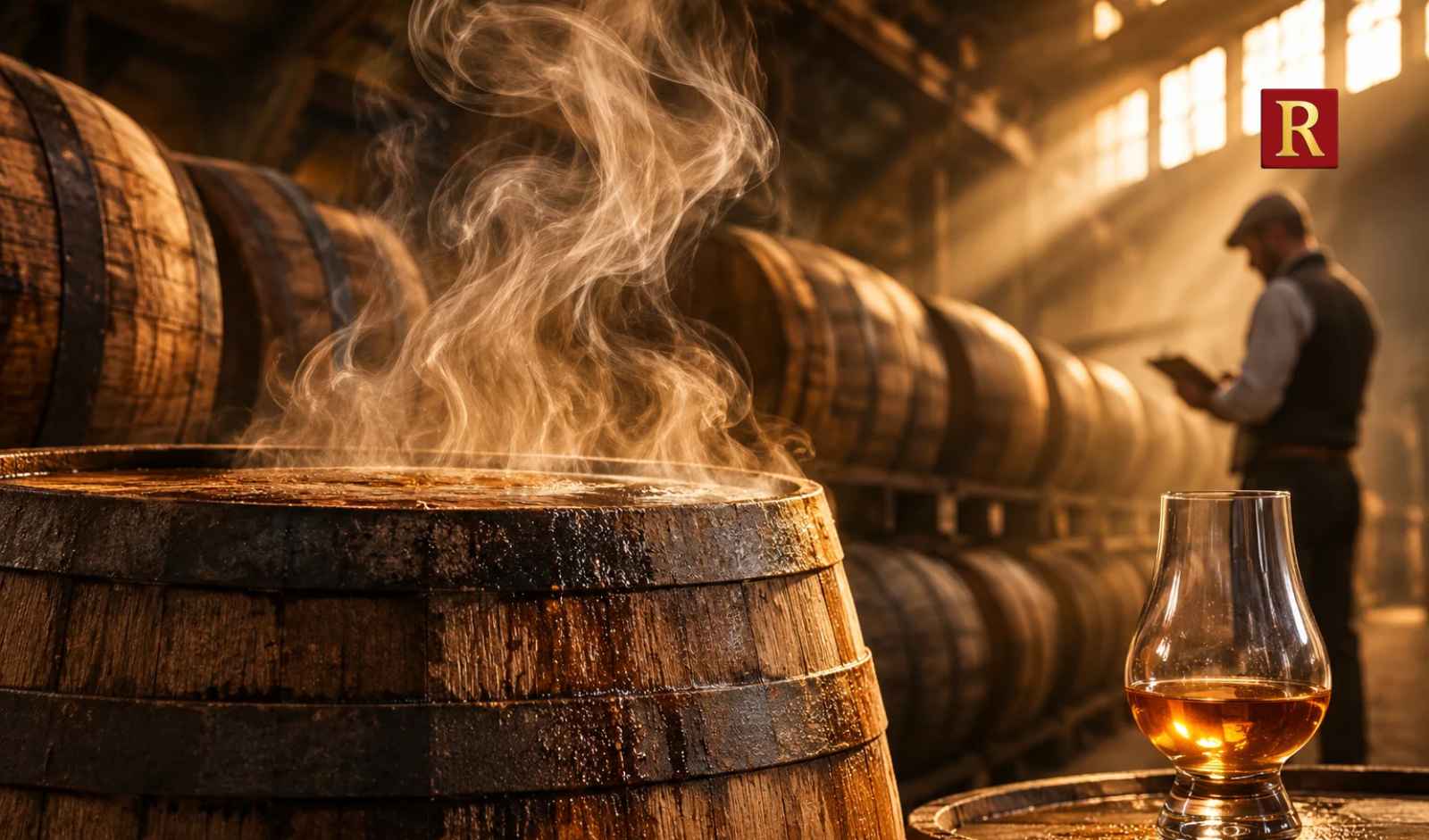
For aged spirits like whisky, maturation plays a crucial role. The spirit is stored in wooden barrels. Oak casks gradually infuse the liquid with color, aroma, and complex flavors.
Top Boutique Distilleries Transforming India’s Craft Spirits Scene
1. DesmondJi
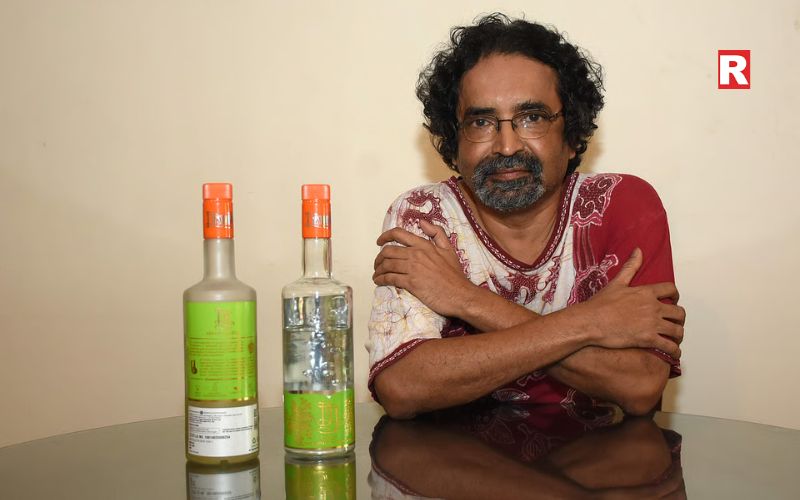
One of the most unique names in India’s boutique distilling movement is DesmondJi. The brand focuses on producing spirits inspired by indigenous ingredients. Its agave spirit is made using plants grown on the Deccan Plateau. This approach reflects how local agriculture can influence craft distillation. The brand also experiments with mahua and sugarcane-based spirits. Mahua, a traditional forest flower used in tribal fermentation practices, adds a distinctive character. By combining heritage ingredients with modern distillation techniques, DesmondJi represents a new direction for Indian spirits.
2. Paul John Distillery
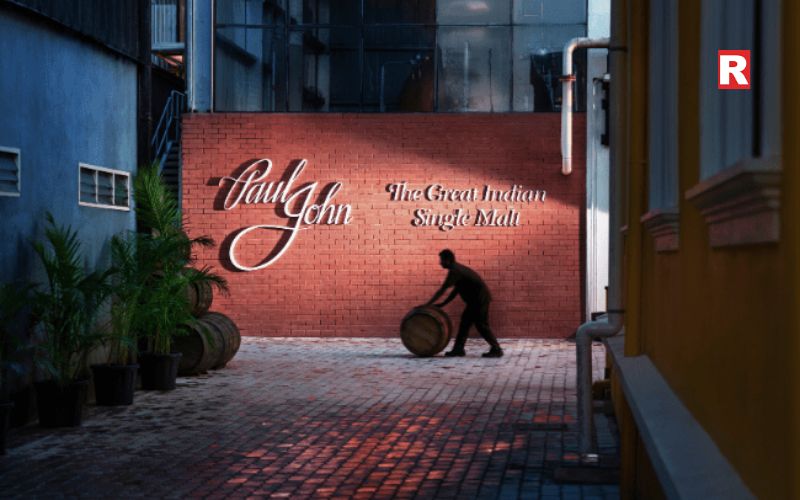
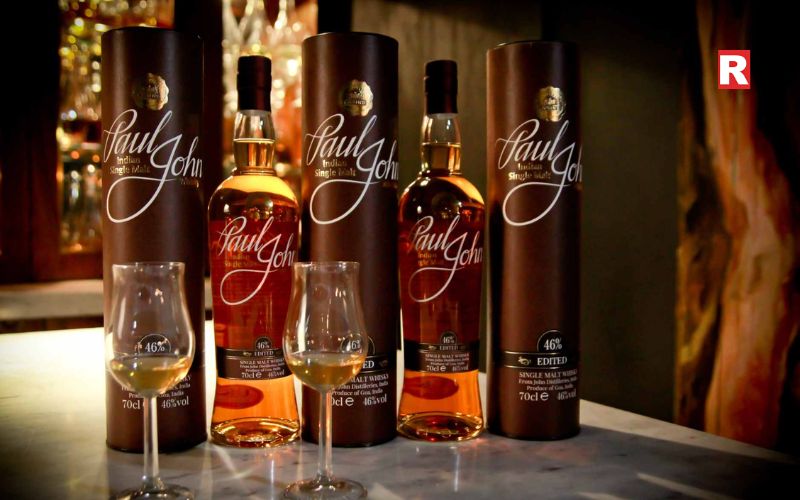
Located in Goa, Paul John Distillery has become one of the most respected whisky producers in India. Its single malts are crafted using Indian six-row barley and pure spring water. Goa’s tropical climate plays a major role in the whisky’s character. Warm temperatures accelerate the aging process inside the barrel. This allows the spirit to develop rich flavors in a shorter time compared to colder whisky regions. Paul John whiskies have won multiple global awards, helping put Indian single malts on the international map.
3. Piccadilly Distillery
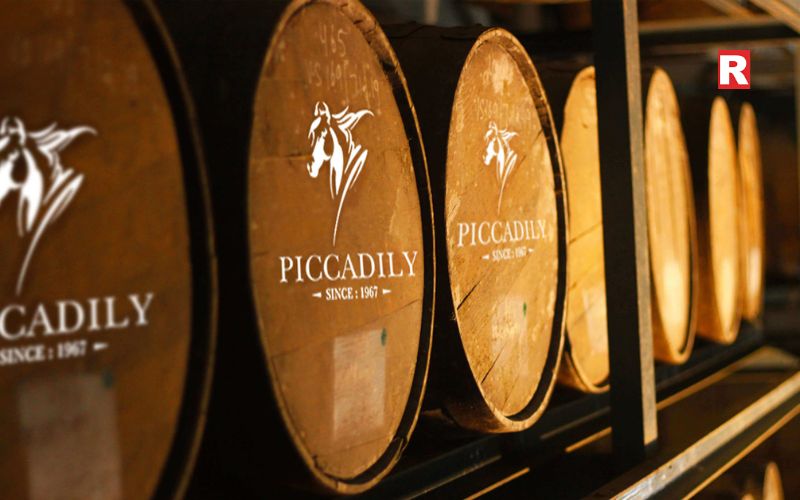
The distillery behind the Indri brand is located in Haryana and has quickly gained attention for its innovative approach to whisky maturation. Its whisky undergoes triple wood aging. This means the spirit matures in three different types of barrels, including bourbon, wine, and Pedro Ximénez sherry casks. Each barrel contributes a unique layer of flavor, from vanilla sweetness to dried fruit richness. This multi-cask maturation technique reflects the experimental spirit of India’s boutique distillers.
Know more: Best Brandy Brands in India to Experience This Winter
4. Stranger & Sons
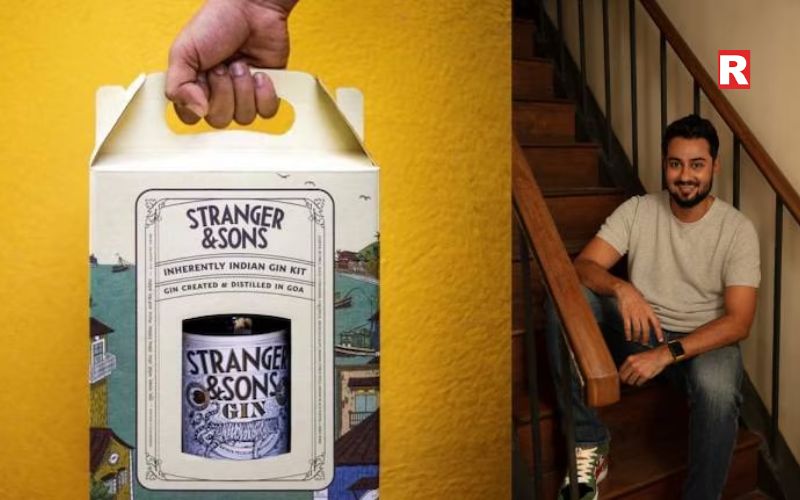
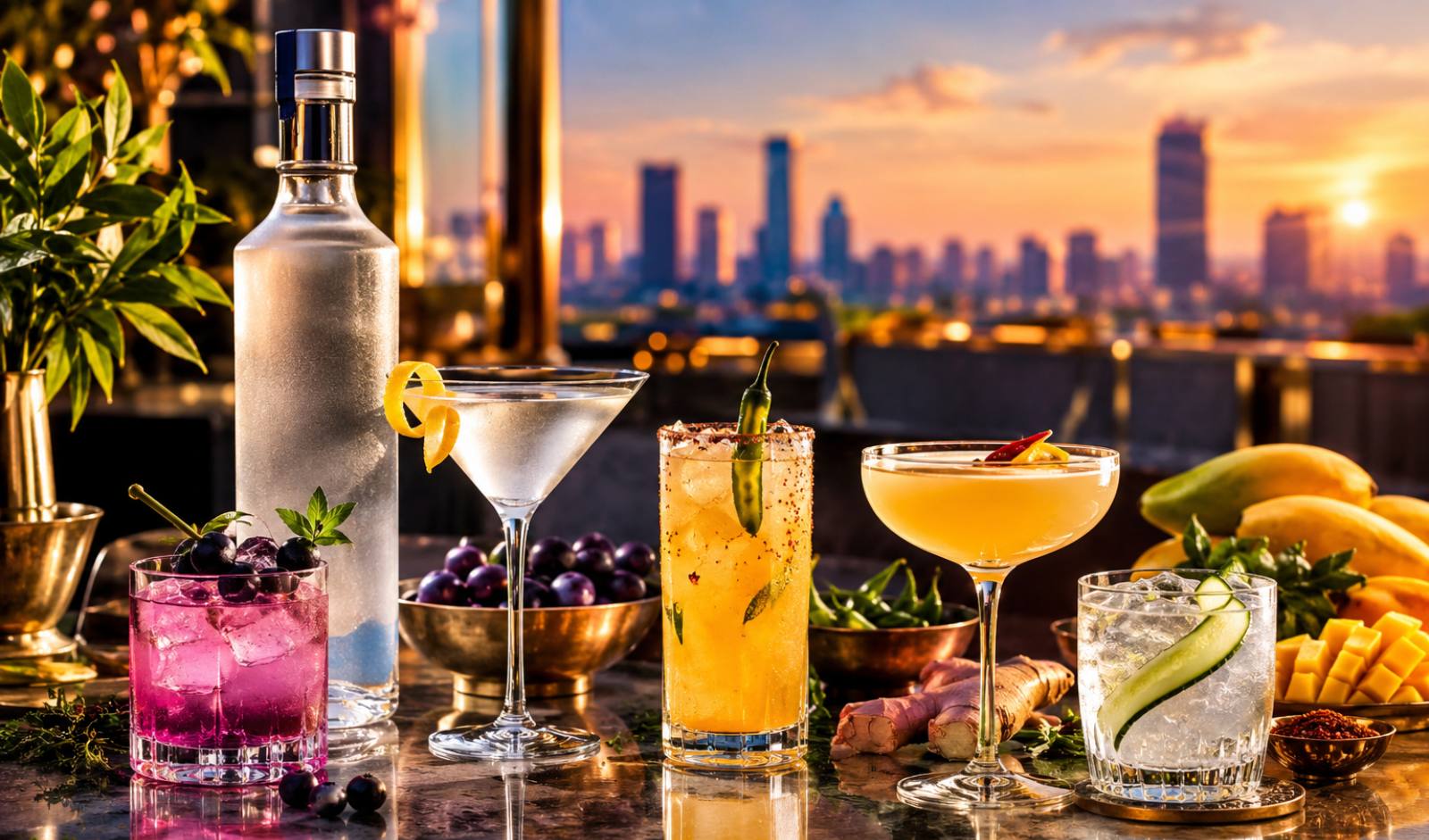
Craft gin has been one of the fastest growing segments in India’s boutique spirits industry. Stranger & Sons has played a major role in this growth. The gin is distilled in Goa and uses a mix of Indian botanicals. These include black pepper, coriander seeds, and citrus peels. The result is a spirit that works well in both classic cocktails and modern mixology. Bartenders often appreciate how its bold botanical profile stands out in drinks.
5. Nao Spirits
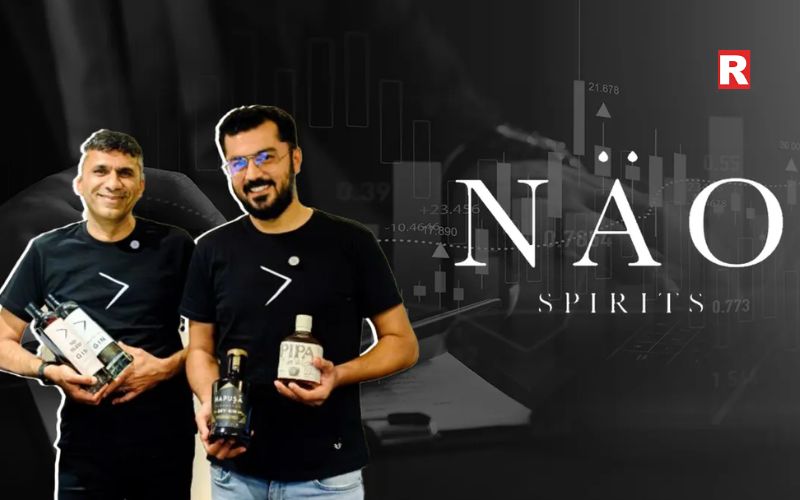
Nao Spirits is the company behind some of India’s most recognizable craft gin brands. Their products focus heavily on regional botanicals. One of their standout creations uses Himalayan juniper and turmeric. These ingredients give the spirit an earthy, aromatic profile that reflects India’s natural landscape. The company has helped introduce Indian craft gin to international markets.
Challenges Facing Boutique Distilleries
Despite the excitement around craft spirits, boutique distilleries face several challenges. India’s alcohol regulations are complex. Each state has its own rules regarding production, pricing, and distribution. Navigating these regulations can be difficult for small producers. High excise duties also increase the cost of premium spirits. This can make craft products more expensive for consumers. Distribution is another challenge. Large alcohol companies have well-established networks, while smaller brands must work harder to reach new markets. Consumer awareness is improving, but many drinkers are still more familiar with traditional mainstream brands.
Also check: Best Japanese Whisky Brands in India: Where Craft Meets Perfection in Every
Top Premium Whisky Brands in India: Finest Indian Whiskies Worth Trying
Top Premium Whisky Brands Under Rs 5000 in India
The Future!
The future of boutique distilling in India looks promising. Premium spirits consumption continues to grow, especially in metropolitan areas. Distillery tourism is also emerging as a new trend. Visitors are increasingly interested in touring production facilities and learning about the distillation process firsthand. International recognition is another positive sign. Indian craft spirits are now winning awards at global competitions. This growing reputation is encouraging more entrepreneurs to explore the craft distilling space. As innovation continues and consumer awareness expands, boutique distilleries are likely to play a major role in shaping the future of India’s alcohol industry. Their focus on craftsmanship, regional identity, and experimentation ensures that Indian spirits will continue to evolve in exciting ways.
Saptopriya Ghosal
Feature Writer
I am a dedicated media professional with a bachelor's degree in mass communication from the State University of Calcutta and a postgraduate degree from Amity University. My academic journey has equipped me with a profound understanding of storytelling and communication. Passionate about the dynamic world of media, I continually strive to explore new ways to engage and inform through compelling narratives.