
Top 15 Vitamin B12 Foods You Must Add to Your Diet
A balanced plate today can prevent bigger concerns tomorrow. Regular, thoughtful food choices help maintain strength, clarity, and overall well-being in the long run.

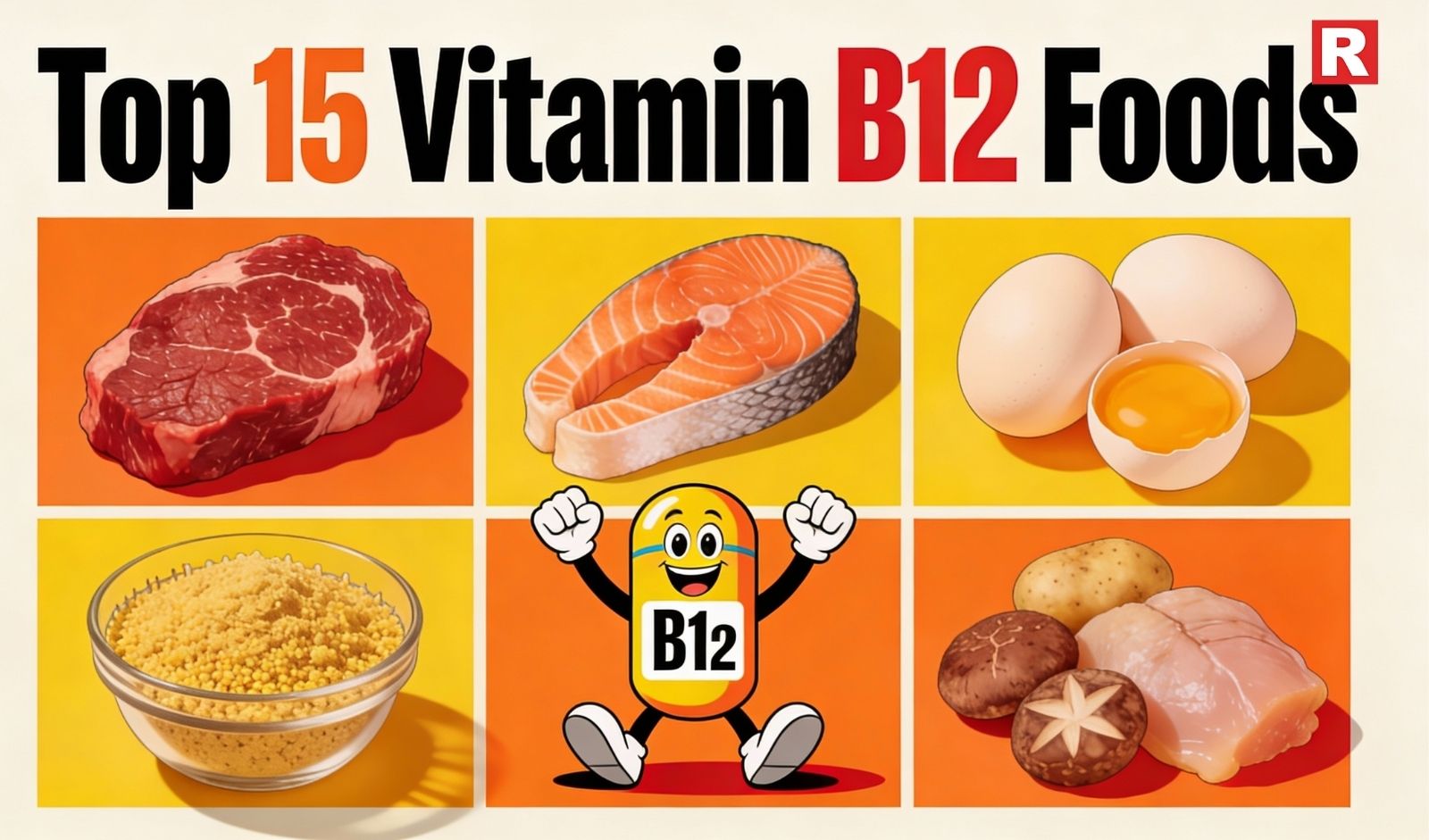
Vitamin B12 may be needed in small amounts, but its impact on the body is significant. It plays a key role in forming healthy red blood cells. It supports brain function and helps nerves work smoothly. It is also closely linked to daily energy levels. When Vitamin B12 is low, the body begins to slow down. Tiredness becomes frequent. Concentration drops. Weakness appears without a clear reason.
In India, Vitamin B12 deficiency is widely seen. Dietary habits are a major cause. A large part of the population follows a vegetarian diet. Natural plant-based sources of Vitamin B12 are extremely limited. Over time, this gap can affect physical and mental health. The body cannot produce Vitamin B12 on its own. It must be obtained through food or, when required, supplements.The positive part is that deficiency can be addressed with awareness and smart food choices. Including the right foods regularly helps maintain healthy levels. This guide highlights 15 practical Vitamin B12-rich foods that can be easily added to everyday meals.
Explore Top 15 Vitamin B12 Foods
1. Clams
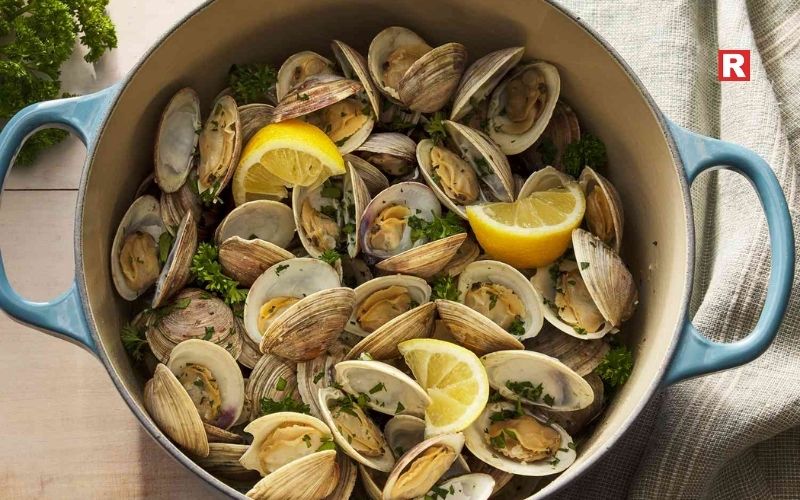
Clams are one of the most powerful natural sources of Vitamin B12. A small portion is enough to meet the daily requirement. This makes them especially useful for people with low energy levels. Clams are also rich in iron and high-quality protein. These nutrients support healthy blood formation and help prevent anaemia. They are easy to digest when cooked properly. In many cuisines, clams are lightly steamed to retain nutrients. They are also added to soups, broths, and mild curries. The natural taste pairs well with simple spices. Regular consumption can support stamina and overall vitality. For people with frequent fatigue, clams can be a valuable addition to the diet when available.
Read more: High Protein Indian Meals You Should Try
12 Delicious High-Protein Foods to Eat Daily for a Healthier You
2. Liver (Chicken or Lamb)
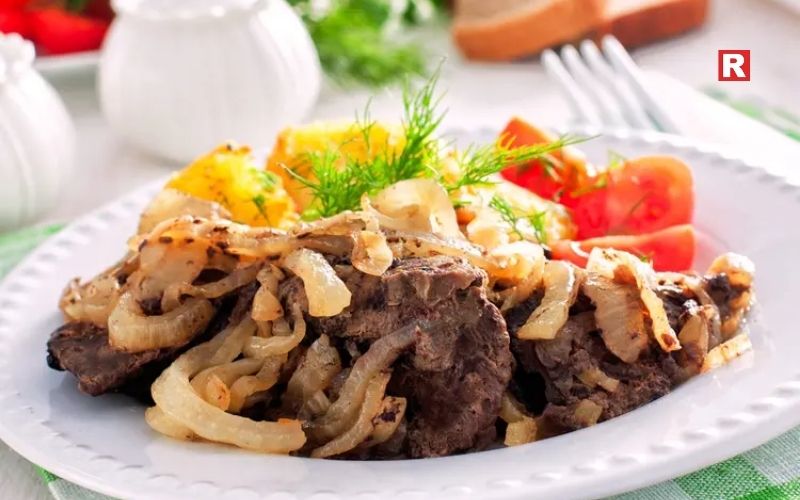
Chicken and lamb liver are extremely rich in Vitamin B12. They also contain high levels of iron and vitamin A. This combination supports healthy haemoglobin levels and better oxygen flow in the body. Liver is often recommended for people dealing with weakness or low iron. It should be eaten in limited quantities, as excess intake is not advised. Proper cooking is important for both taste and safety. Light frying with minimal oil works well. Liver is also commonly prepared as a spiced curry. When cooked correctly, it is soft and flavourful. Including liver occasionally can help improve energy levels and overall nutritional balance.
3. Sardines
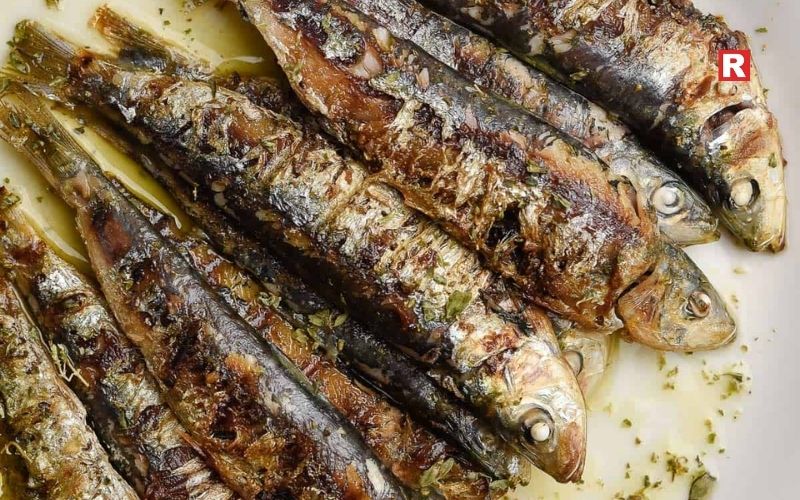
Sardines may be small, but their nutrition value is impressive. They are a strong source of Vitamin B12. They also provide omega-3 fatty acids and calcium. These nutrients support heart health, brain function, and bone strength. Sardines are often recommended for overall wellness. They are commonly eaten grilled or lightly pan-cooked. Some prefer them in curries with simple spices. Sardines are also used in salads for a protein boost. Since they are oily fish, they stay moist during cooking. Regular intake can help improve focus and reduce tiredness. Sardines are a practical choice for people looking to improve nutrient intake through food.
4. Salmon
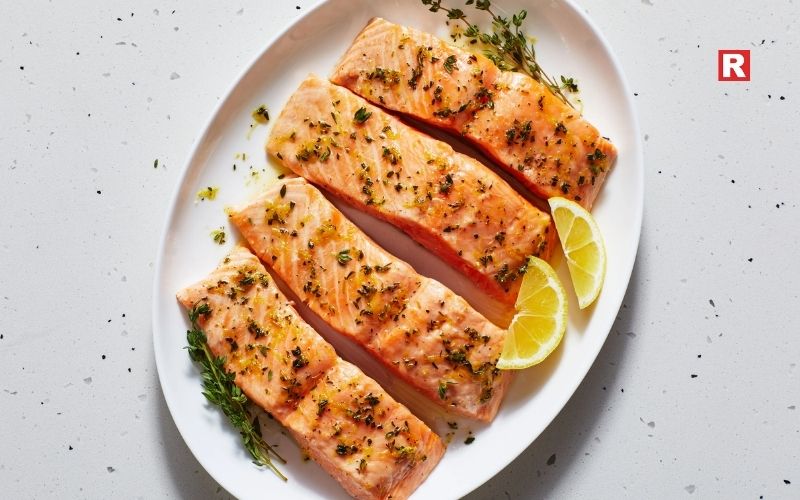
Salmon is a popular fatty fish known for its health benefits. It is a reliable source of Vitamin B12. This helps support nerve health and energy production. Salmon is also rich in protein and healthy fats. These nutrients help reduce inflammation in the body. It is often chosen for balanced meals. Salmon can be grilled, baked, or pan-cooked with simple seasoning. Overcooking should be avoided to preserve texture and nutrients. It fits well into both light meals and main dishes. Regular consumption supports brain function and muscle health. Salmon is especially useful for people with active lifestyles or high stress levels.
5. Tuna
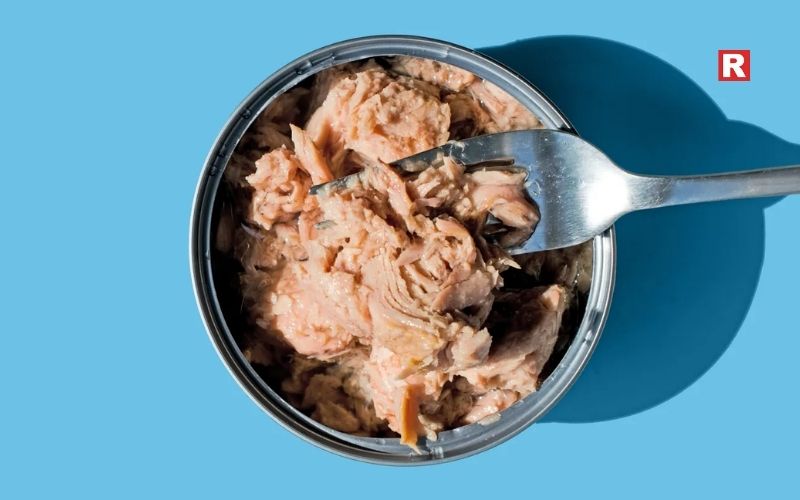
Tuna is a lean fish that provides a good amount of Vitamin B12. It is also rich in protein, which helps with muscle repair. Tuna supports sustained energy throughout the day. Fresh tuna is preferred, as it retains more nutrients. It can be cooked quickly and easily. Tuna is often used in salads, sandwiches, or light curries. The flavour is mild and pairs well with simple spices. It is filling without being heavy. Including tuna in meals can help people who feel tired or weak. When eaten in moderation, it supports overall strength and daily nutrition needs.
Know more: Power-Packed Mornings: 8 Protein-Rich Vegetarian Indian Breakfast Ideas
6. Eggs (Especially the Yolk)
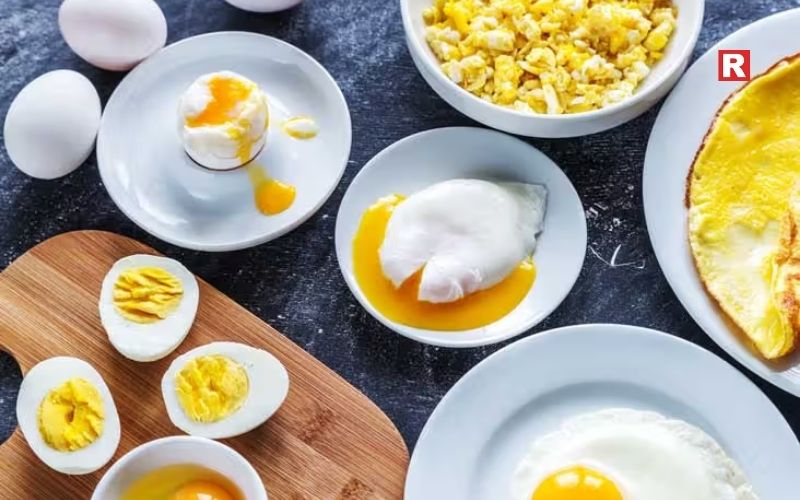
Eggs are one of the easiest sources of Vitamin B12 to include in daily meals. Most of the Vitamin B12 is found in the yolk. Eggs are affordable and widely available. They also provide protein and healthy fats. These nutrients support brain health and muscle strength. Eggs are quick to prepare and suit all meal times. Boiled eggs are simple and nutritious. Omelettes and egg bhurji are common options. Regular intake supports steady energy levels. Eggs are especially helpful for people with busy routines. When eaten as part of a balanced diet, they contribute to overall health and nourishment.
7. Chicken

Chicken contains moderate amounts of Vitamin B12. It is one of the most commonly consumed meats. Chicken is easy to cook and suits many recipes. It also provides lean protein, which supports muscle health. Regular consumption helps maintain energy and strength. Chicken dishes are widely used in Indian cooking. Curries, grills, and stir-fries are popular choices. The meat absorbs spices well and remains filling. It is suitable for lunch or dinner meals. Chicken is often recommended for people recovering from weakness. When cooked in a balanced way, it supports daily nutrition without feeling heavy.
8. Mackerel
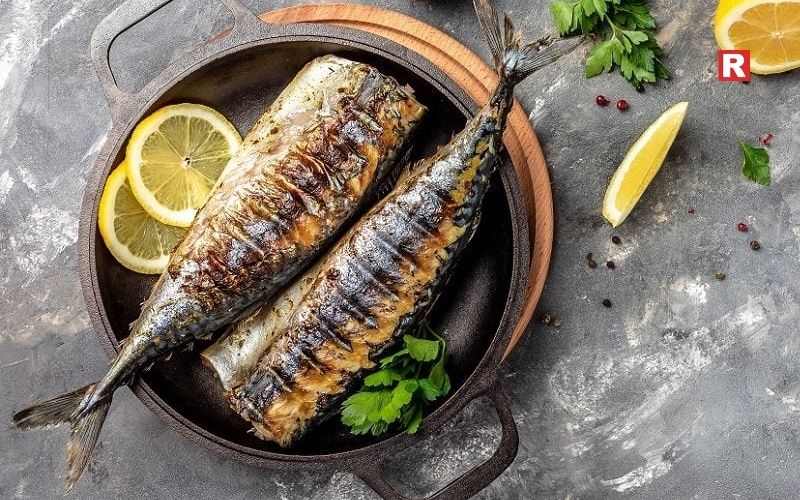
Mackerel is a fatty fish rich in Vitamin B12 and omega-3 fats. These nutrients support heart health and brain function. Mackerel is commonly used in coastal Indian cuisine. It has a strong flavour and soft texture. Simple cooking methods work best. Pan-frying with minimal oil is popular. It is also cooked in traditional fish curries. The natural oils help retain moisture during cooking. Regular intake supports focus and nerve health. Mackerel is filling and nourishing. For people looking to improve energy and mental clarity, it can be a valuable addition to meals when consumed in moderation.
Vegetarian and Fortified Vitamin B12 Sources
9. Milk
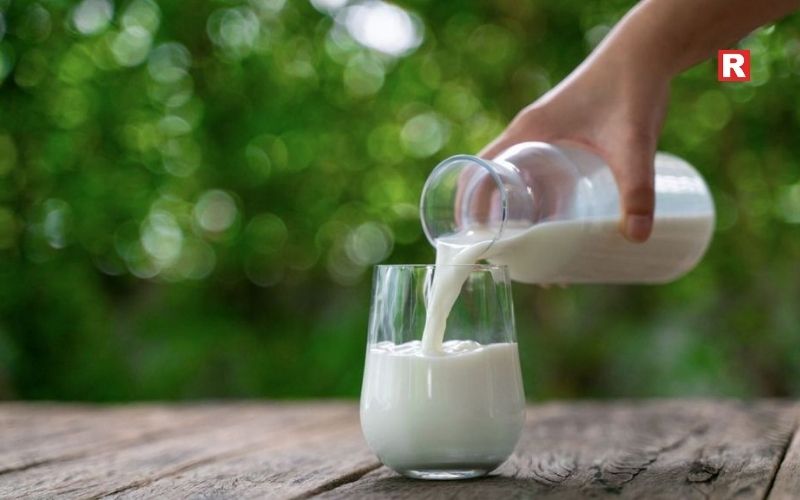
Milk is a natural source of Vitamin B12 and a daily part of many Indian diets. It supports nerve health and helps the body make healthy red blood cells. Milk also provides calcium and protein, which strengthen bones and muscles. One or two glasses a day can add to daily Vitamin B12 intake. It is easy to include at any age. Milk can be consumed plain or used in tea and coffee. Warm milk is often preferred in Indian households. It is gentle on the stomach and easy to digest for most people. Regular consumption supports steady energy levels. For vegetarians, milk remains one of the most reliable natural sources of Vitamin B12.
Also check: 5 Ways to Use Garden Cress Seeds (Halim) for Stronger Hair and Bones
10. Curd / Yogurt

Curd provides Vitamin B12 along with natural probiotics. These probiotics support gut health and improve digestion. Better digestion helps the body absorb nutrients more efficiently. Homemade curd is often preferred, as it is fresh and free from additives. Curd is commonly eaten with meals or as a side dish. It can also be consumed plain. In Indian diets, curd helps balance heavy or spicy foods. Regular intake supports both digestive and nerve health. Curd also provides protein and calcium. It suits people of all ages. For vegetarians, curd plays an important role in meeting daily Vitamin B12 needs through simple food choices.
11. Cheese
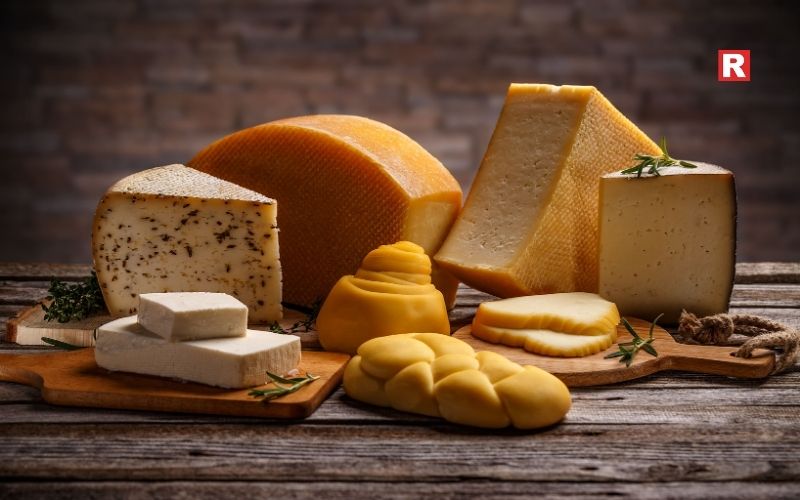
Cheese contains Vitamin B12 in small but useful amounts. It also provides calcium and protein, which support bone strength. Cheese is often enjoyed in different forms. Paneer-based cheese and processed slices are common choices. Cheese can be added to sandwiches, salads, or cooked dishes. It enhances taste while adding nutrition. Cheese is filling and satisfying. It should be consumed in moderation due to its fat content. Regular but limited intake can contribute to daily Vitamin B12 levels. Cheese works well as a quick meal option. For vegetarians, it offers an easy way to add both flavour and nutrients to everyday food.
12. Fortified Breakfast Cereals
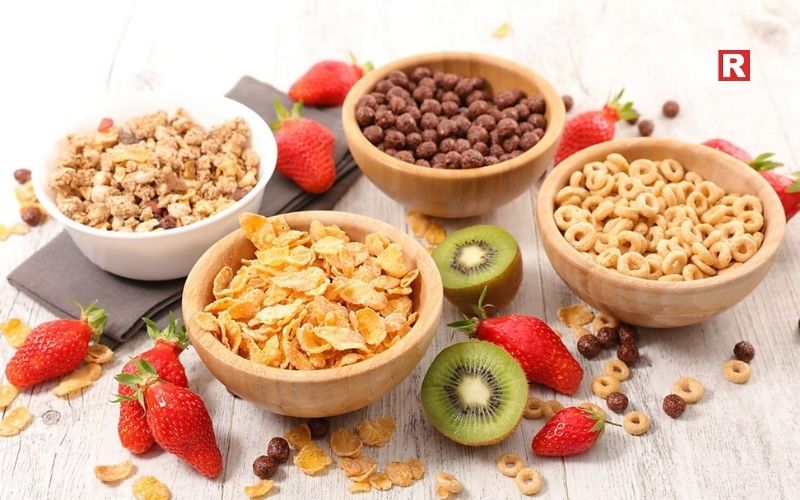
Fortified breakfast cereals are a practical source of Vitamin B12 for vegetarians. These cereals are enriched during processing. They help bridge nutritional gaps in modern diets. It is important to check labels for Vitamin B12 fortification. Cereals are quick and easy to prepare. They suit busy mornings and fast routines. Pairing cereals with milk improves overall nutrition. This combination provides protein, calcium, and Vitamin B12 together. Fortified cereals are especially useful for people who avoid animal foods. Regular consumption can help maintain energy levels. When chosen carefully, they support balanced nutrition without much effort.
13. Fortified Plant Milk (Soy, Almond)
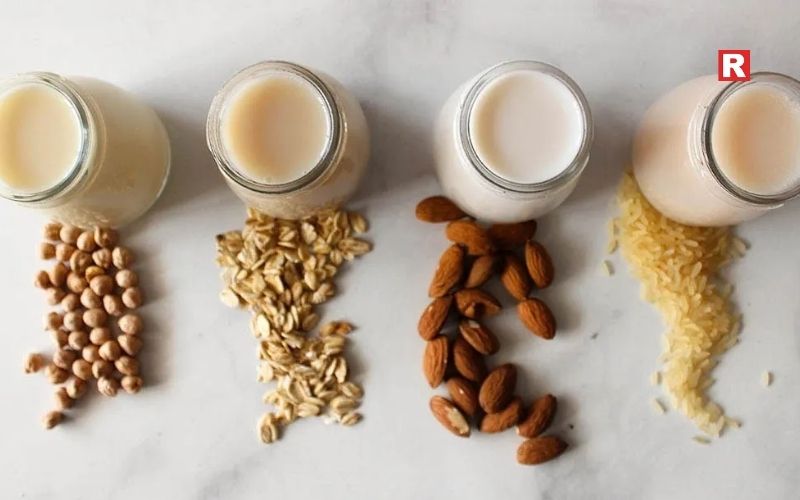
Plant-based milks do not naturally contain Vitamin B12. Fortified versions are enriched to provide this nutrient. They are suitable for vegans and lactose-intolerant individuals. Soy and almond milk are common options. These milks can be used in tea, coffee, and smoothies. They also work well with cereals. Fortified plant milk helps maintain nerve and brain health. It is important to read labels to ensure proper fortification. Regular intake supports daily Vitamin B12 needs. These milks are easy to include in modern diets. For people avoiding dairy, they offer a useful alternative source of Vitamin B12.
14. Nutritional Yeast (Fortified)
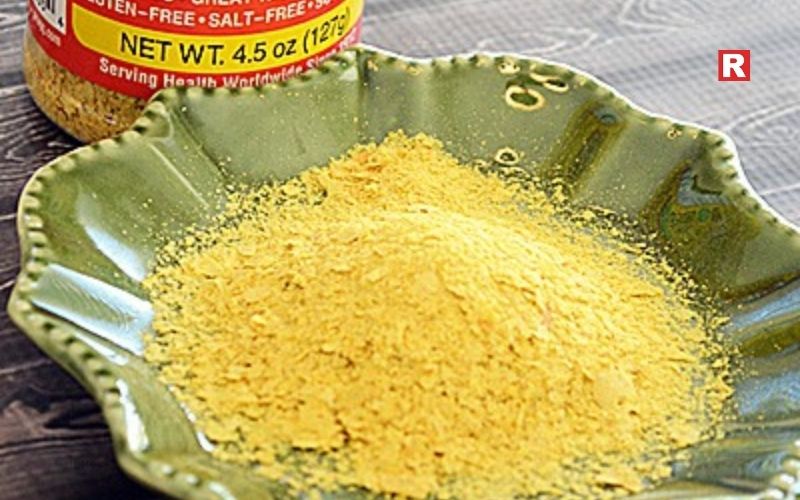
Fortified nutritional yeast is one of the best vegan sources of Vitamin B12. It has a mild, cheesy flavour that many people enjoy. Nutritional yeast is often used as a seasoning. It can be sprinkled on salads, soups, or snacks. It blends easily into everyday foods. Always check that it is fortified, as natural versions may not contain B12. It is low in fat and rich in protein. Regular use can help vegans meet daily Vitamin B12 needs. Nutritional yeast is easy to store and use. It supports energy levels and nerve health when included consistently.
15. Paneer
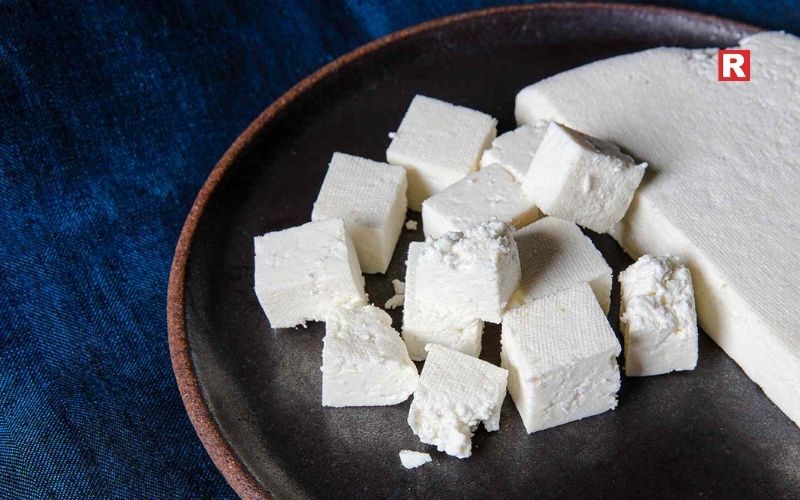
Paneer is a popular dairy product in Indian cooking. It contains moderate amounts of Vitamin B12 from milk. Paneer is rich in protein and keeps meals filling. It supports muscle health and energy levels. Paneer is used in many traditional dishes. It can be grilled, sautéed, or added to curries. Light cooking helps retain texture and nutrients. Paneer absorbs spices well and suits many flavours. It is easy to digest for most people. Regular intake supports balanced nutrition for vegetarians. Paneer remains a practical and familiar way to add Vitamin B12 through everyday meals.
Why Vitamin B12 Deficiency Is Common in India
Vitamin B12 deficiency is widespread in India due to dietary habits. Vegetarian diets lack natural B12 sources. Even non-vegetarians may not consume enough animal-based foods regularly. Digestive issues also reduce absorption. Conditions like gastritis and low stomach acid affect B12 uptake. Long-term deficiency can go unnoticed. Symptoms develop slowly and are often ignored.
Common Signs of Vitamin B12 Deficiency
Constant tiredness
Weakness
Tingling or numbness in hands and feet
Poor memory and focus
Pale or yellowish skin
Shortness of breath
If these signs persist, a blood test is important.
Check more: 7 Desi Alternatives to Oatmeal for Weight Loss
5 Foods to Avoid for Better Cholesterol
Try These Winter Snacks to Warm Up Your Winter Evening
Happy Eating!
Vitamin B12 plays a vital role in keeping the body active and alert. It helps produce energy and supports brain and nerve health. When levels drop, the body sends clear signals. Tiredness becomes constant. Focus reduces. Weakness sets in slowly. In India, deficiency is common due to food habits. The good news is that it can be managed with mindful eating. Non-vegetarians have access to many natural sources such as fish, eggs, and meat. Vegetarians need to be more careful. Dairy products and fortified foods become important in their daily meals. Ignoring early signs can lead to long-term problems. In such cases, medical guidance becomes necessary. Supplements may also be advised. A balanced plate today can prevent bigger concerns tomorrow. Regular, thoughtful food choices help maintain strength, clarity, and overall well-being in the long run.
Saptopriya Ghosal
Feature Writer
I am a dedicated media professional with a bachelor's degree in mass communication from the State University of Calcutta and a postgraduate degree from Amity University. My academic journey has equipped me with a profound understanding of storytelling and communication. Passionate about the dynamic world of media, I continually strive to explore new ways to engage and inform through compelling narratives.



































































































































































