
Top 15 Famous Foods of Jharkhand You Must Try
For those seeking authentic and lesser-known food experiences, Jharkhand presents a unique opportunity. It is not just about eating but understanding a region through its ingredients, techniques, and everyday meals.

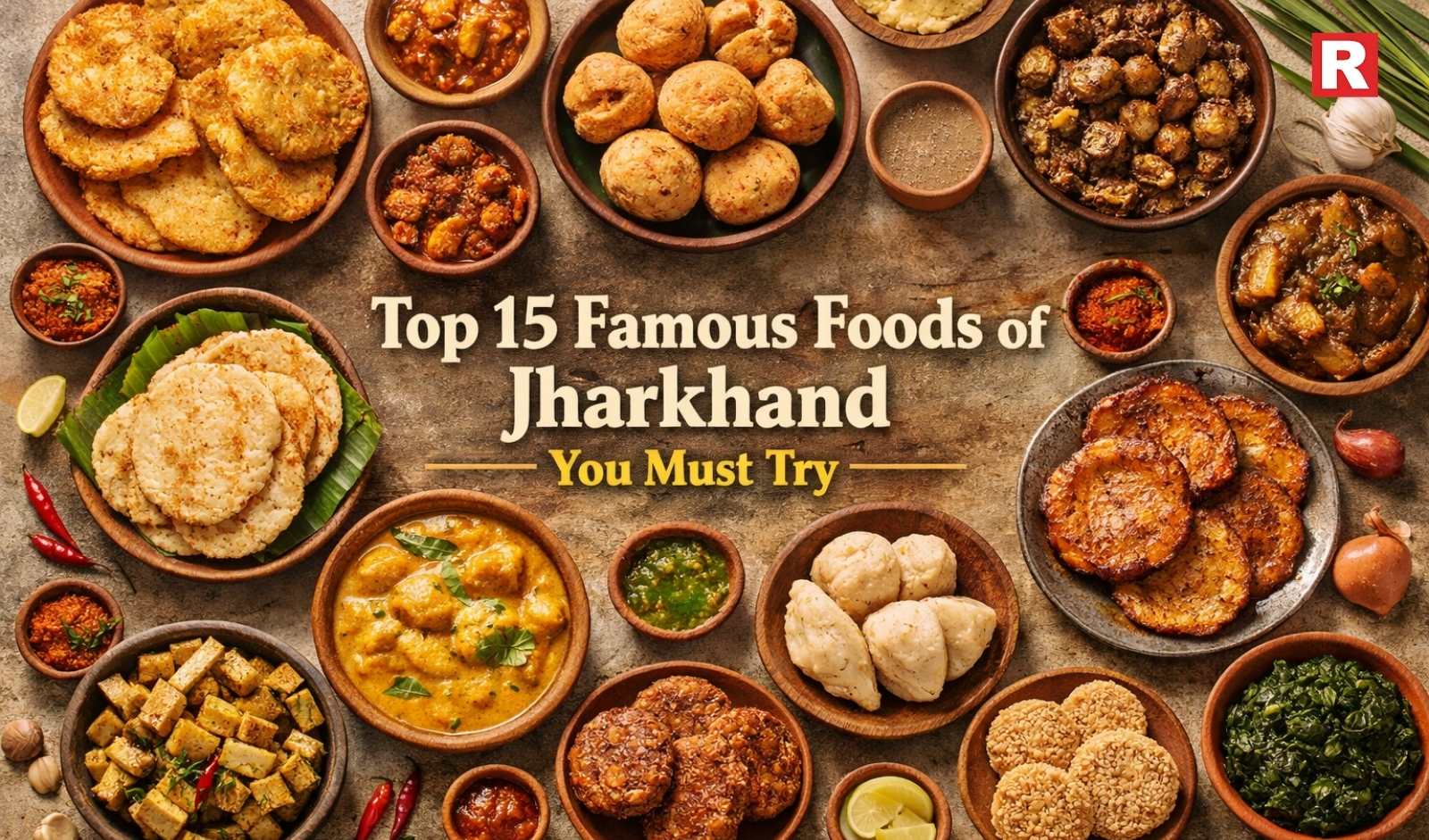
Jharkhand is often known for its forests and mineral wealth, but its food tells a deeper story. The cuisine here is rooted in tribal life and local ecology. It relies on what the land offers. Grains like millets and rice are staples. Forest produce such as leafy greens, mushrooms, and roots are used widely. Cooking methods are simple but precise. Slow boiling, roasting over fire, and minimal use of oil define the approach. Spices are used carefully, not heavily. This keeps the natural taste of ingredients intact.
The food feels light but remains satisfying. It also supports better digestion and balanced nutrition. For travellers and food explorers, this cuisine offers something rare. It presents authenticity without excess. Each dish reflects season, climate, and community habits. For those interested in regional Indian food, Jharkhand provides a clear and honest experience shaped by tradition and technique.
Why Jharkhand Cuisine Stands Out
Jharkhand’s food is shaped by nature. Many ingredients come straight from forests and farms. Bamboo shoots, wild mushrooms, and leafy greens are common. People here cook with what is available in each season.
Cooking methods are also unique. Roasting over fire, steaming, and slow cooking are widely used. Fermentation is common too, especially in traditional drinks. Another key feature is simplicity. Spices are used carefully. The goal is to enhance the ingredient, not overpower it. This makes the food both healthy and flavorful.
Discover Top 15 Famous Foods of Jharkhand
1. Dhuska
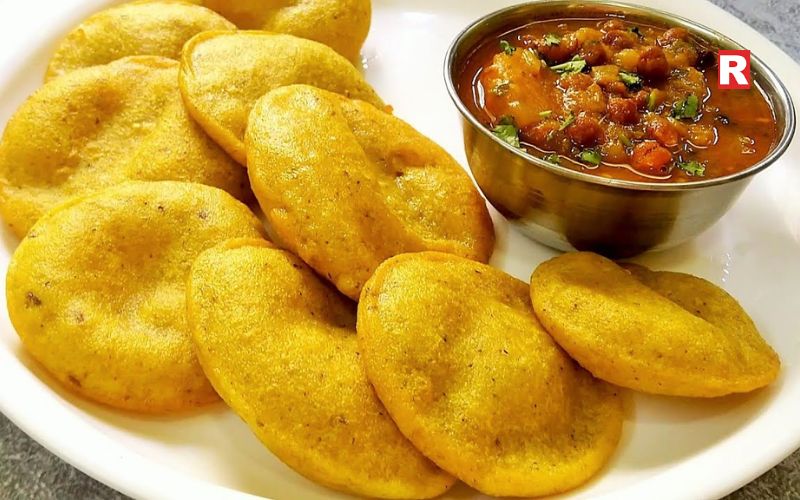
Dhuska is a staple snack in Jharkhand and is widely consumed across both urban and rural areas. It is made using a fermented batter of rice and lentils, which gives it a slight depth in flavor. The dough is deep-fried, resulting in a crisp outer layer and a soft, airy center. It is usually paired with aloo curry or spicy chana, which balances its mild taste. Vendors often prepare it fresh, making it a popular street food choice. It fits well as a breakfast or evening snack due to its light yet satisfying nature. Its simple ingredients and quick preparation make it accessible and widely preferred among locals.
Read more: 8 Famous Vegetarian Dishes of Uttar Pradesh and Their Timeless Legacy
20 Famous Foods from Karnataka That Define Its Rich Food Culture
2. Litti Chokha
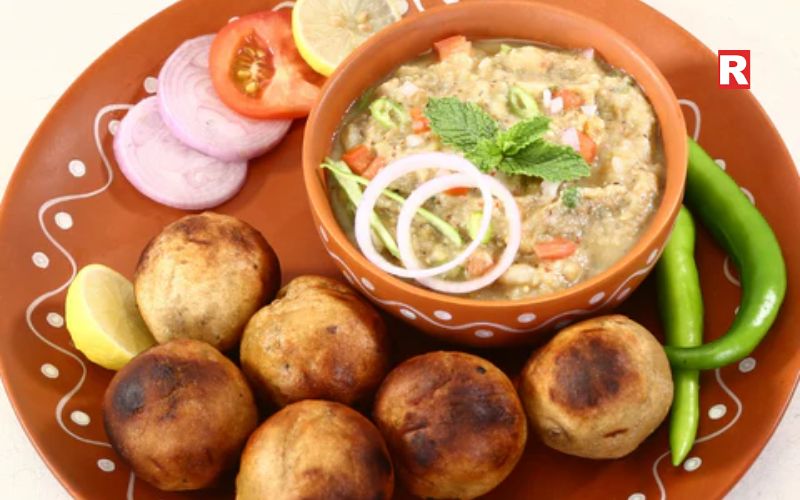
Litti Chokha is a filling and traditional dish commonly eaten in Jharkhand. Litti consists of wheat balls stuffed with sattu, which is roasted gram flour mixed with spices and mustard oil. These balls are baked over charcoal or cow dung cakes, which adds a smoky flavor. Chokha is served alongside and is made by mashing boiled potatoes, roasted brinjal, and tomatoes with basic spices. The dish is rich in fiber and protein, making it both nutritious and satisfying. It is often consumed during lunch and is popular in both homes and roadside stalls. Its bold flavors and rustic cooking method make it stand out.
3. Rugra (Putka)
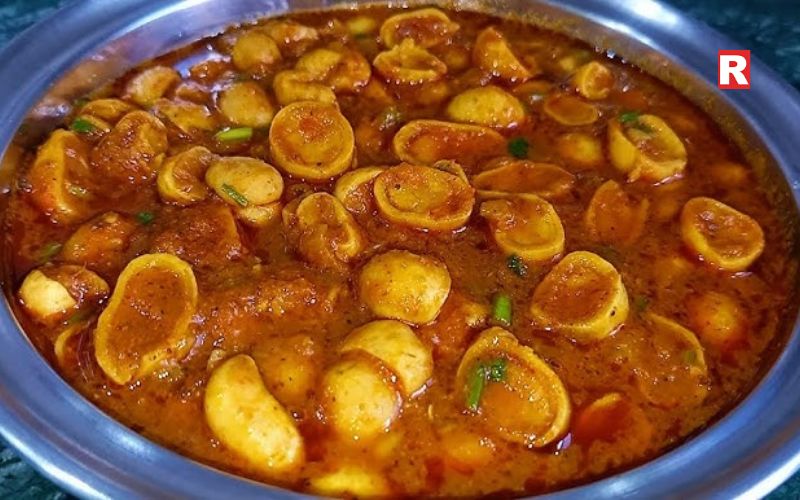
Rugra, also known as Putka, is a rare forest produce found in Jharkhand. It grows underground and appears during the monsoon season. It resembles a mushroom but has a denser texture. Locals collect it from forest areas, making it a seasonal delicacy. It is cleaned and cooked with spices to prepare a rich curry. The taste is earthy and slightly meaty, which makes it unique among vegetarian dishes. Due to its limited availability, it holds high value in local markets. It reflects the deep connection between tribal communities and forest-based food sources. Rugra is often enjoyed with rice during special occasions.
4. Chilka Roti
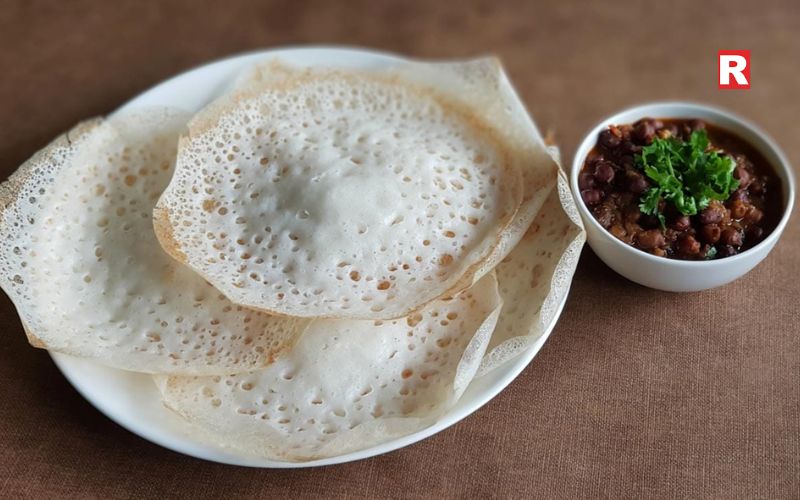
Chilka Roti is a simple and healthy dish commonly prepared in Jharkhand households. It is made using a batter of rice and chana dal, which is soaked and ground together. The batter is spread on a hot pan and cooked like a thick pancake. It does not require much oil, making it a lighter option. The texture is soft with a slightly crisp edge. It is usually served with green chutney or vegetable curry. This dish is easy to digest and is often eaten for breakfast or dinner. Its nutritional value and basic preparation make it a regular part of daily meals.
5. Handia
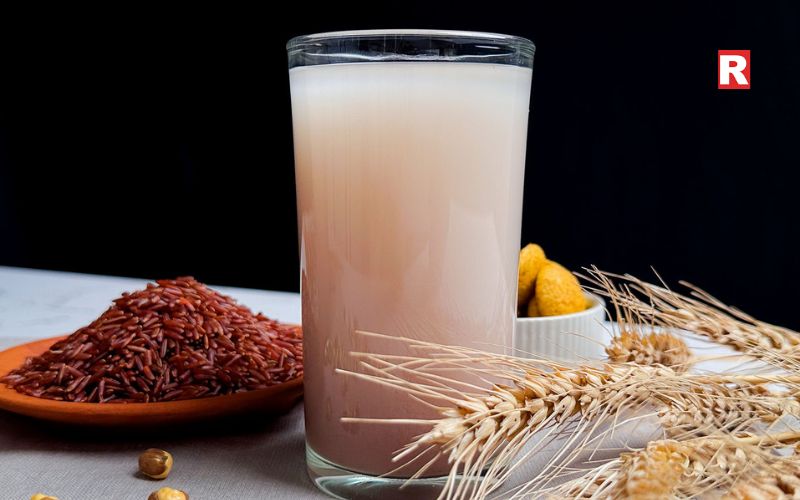
Handia is a traditional fermented drink that holds cultural importance in Jharkhand. It is made by fermenting boiled rice with natural herbs and yeast tablets called ranu. The fermentation process takes a few days and gives the drink its mild sour taste. It has low alcohol content and is consumed during social gatherings and festivals. Handia is often prepared at home using age-old methods passed down through generations. It plays a key role in tribal rituals and community bonding. The drink reflects local knowledge of fermentation and sustainable practices. It is usually served in clay pots, adding to its traditional appeal.
6. Thekua

Thekua is a traditional sweet snack that carries strong cultural value in Jharkhand. It is made using wheat flour, jaggery, and ghee, which are mixed into a firm dough. The dough is shaped by hand or with simple molds and then deep-fried until golden brown. The texture turns crisp on the outside while staying slightly firm inside. It is most commonly prepared during festivals like Chhath, where it is offered as prasad. The use of jaggery gives it a rich and earthy sweetness. It has a long shelf life, making it easy to store. Thekua reflects simplicity, tradition, and the importance of festive food in daily life.
7. Malpua (Jharkhand Style)
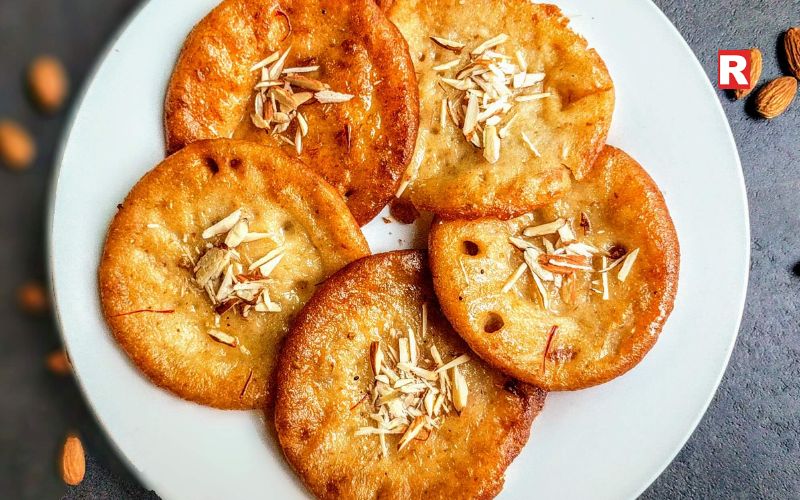
Malpua in Jharkhand has a distinct style compared to other regions. It is thicker and less sugary, which makes it more balanced in taste. The batter is made using flour, milk, and a small amount of sugar. It is poured into hot oil and deep-fried until it turns soft and slightly crisp at the edges. In some cases, it is lightly dipped in sugar syrup, but not heavily soaked. It is often prepared during festivals and family functions. The texture is soft and slightly dense. Its mild sweetness and rich base make it a preferred dessert. It reflects local taste preferences for less sugary sweets.
Know more: 20 Famous Foods from Assam That Reflect Its True Food Culture
8. Bamboo Shoot Sabzi
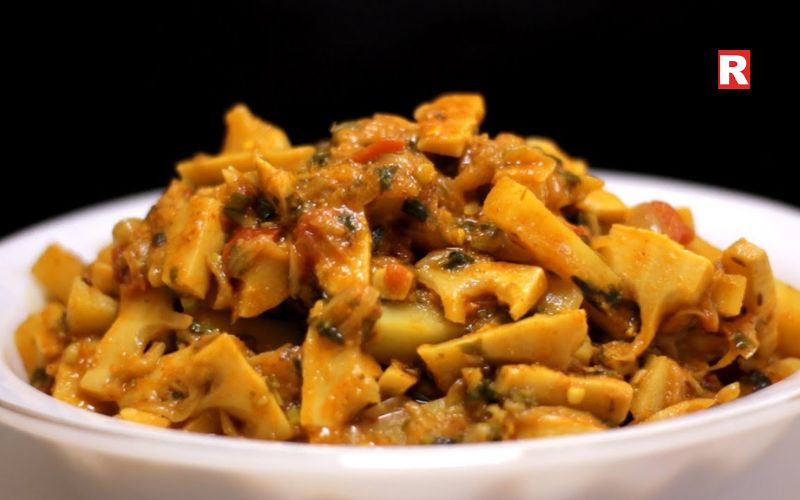
Bamboo shoot sabzi is a common dish in Jharkhand’s tribal cuisine. Bamboo shoots are sourced fresh from forest areas and require careful preparation. They are first cleaned and boiled to reduce bitterness. After that, they are cooked with basic spices to enhance their natural flavor. The dish has a strong, earthy taste with a slight tang. It is usually served with plain rice, which balances its bold flavor. Bamboo shoots are also known for their nutritional value, including fiber content. This dish shows how local communities use forest produce in daily cooking. It reflects sustainable food habits and deep knowledge of natural ingredients.
9. Pitha
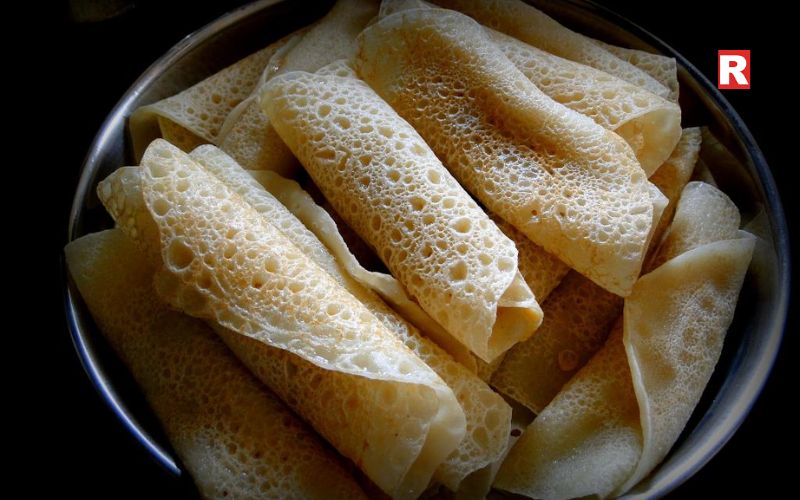
Pitha is a traditional dish made using rice flour and is widely prepared in Jharkhand. It comes in both sweet and savory forms. The sweet version is filled with jaggery and coconut, while the savory one may include lentils or spiced fillings. The outer layer is made from soft rice dough. It is shaped and then either steamed or fried, depending on the type. Pitha is commonly prepared during festivals and special gatherings. It is light, easy to digest, and made using simple ingredients. The dish represents tradition and home-style cooking. It is often made in batches and shared among family members.
10. Local Saag
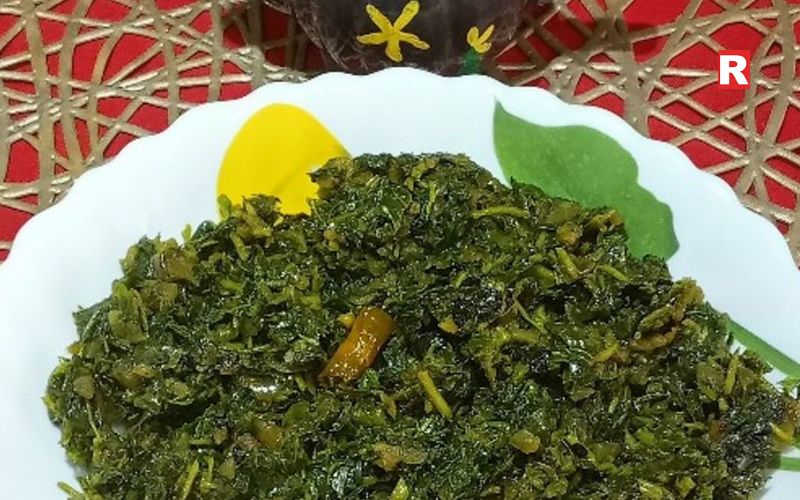
Local saag is an important part of daily meals in Jharkhand. A variety of leafy greens are used, many of which are collected from nearby forests. These greens are rich in nutrients and are cooked in a simple way. They are usually sautéed with garlic, salt, and minimal spices to retain their natural taste. The texture is soft, and the flavor is mild but fresh. Saag is often served with rice and dal, forming a balanced meal. It is easy to prepare and widely consumed across households. This dish highlights the use of seasonal and locally available ingredients in Jharkhand cuisine.
11. Kadhi Bari (Jharkhand Style)
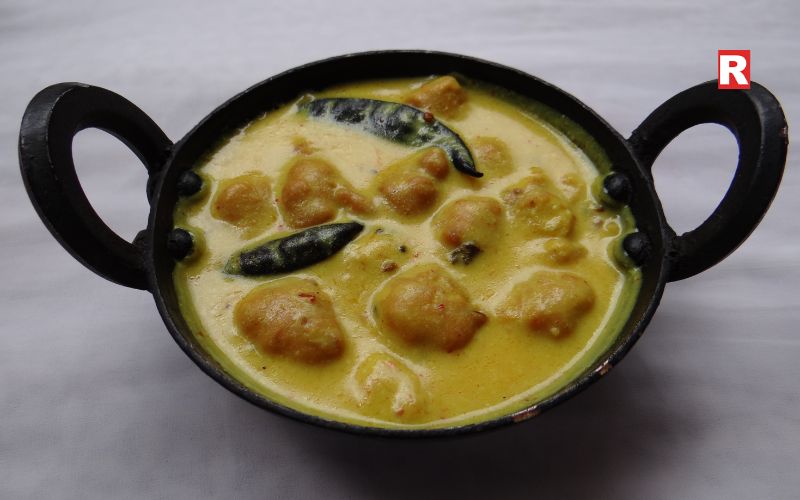
Kadhi Bari is a simple and comforting dish found in many homes across Jharkhand. It is made using gram flour dumplings, known as bari, which are deep-fried and then added to a yogurt-based curry. The curry has a mild tang due to the use of curd. The Jharkhand version is lighter and uses less oil compared to other regional styles. The spices are basic, which allows the natural taste to stand out. It is usually served with steamed rice, making it a complete meal. The texture is soft, and the flavor is balanced. This dish reflects everyday cooking and is often prepared for lunch in households.
12. Arsa Roti
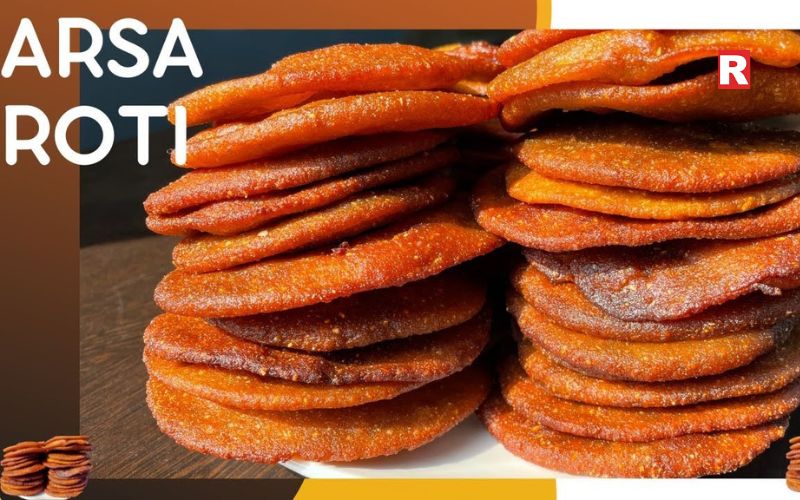
Arsa Roti is a traditional sweet dish that is closely linked to festivals and special occasions. It is made using rice flour and jaggery, which are mixed into a soft dough. The dough is shaped into small flat rounds and then deep-fried until golden. The outer layer becomes slightly crisp, while the inside stays soft and chewy. The use of jaggery gives it a deep and natural sweetness. It is often prepared during weddings and local celebrations. The dish is simple but carries cultural value. It is easy to store for a few days. Arsa Roti reflects traditional cooking methods and festive food habits in Jharkhand.
13. Tilkut
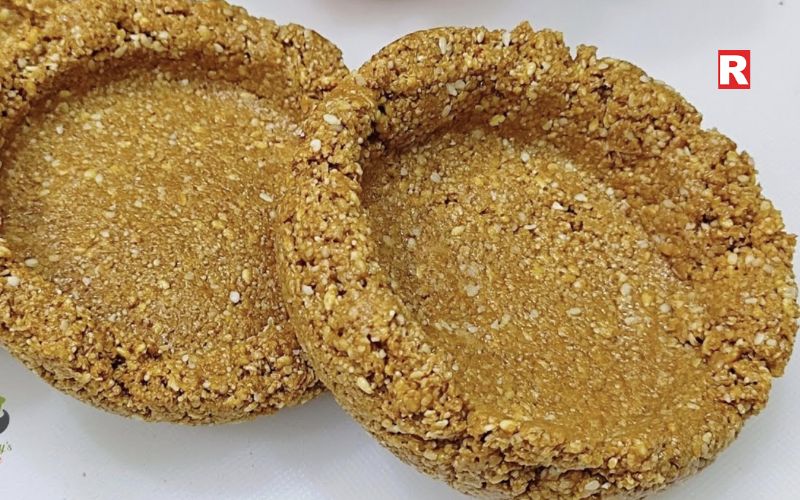
Tilkut is a well-known sweet in Jharkhand, especially during the winter season. It is made using sesame seeds and jaggery or sugar. The ingredients are heated and then pounded together to form a compact mixture. This mixture is shaped into round discs. The texture is firm and slightly crunchy. Tilkut is known for its ability to provide warmth and energy during cold weather. Sesame seeds are rich in nutrients, which adds to its value. It is easy to carry and has a good shelf life. It is often sold in local markets during winter. Tilkut reflects seasonal eating habits and the use of simple, nutritious ingredients.
Check more: 10 Mountain Foods to Keep You Warm While Visiting One
14. Ghugni
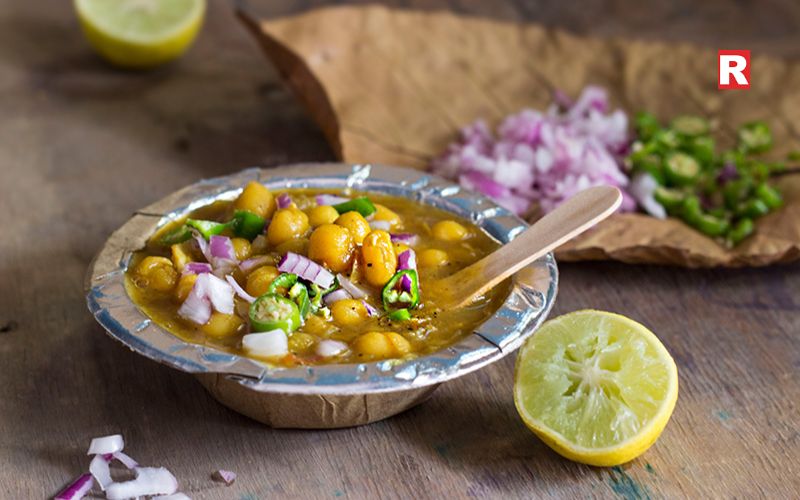
Ghugni is a popular street food that is widely enjoyed across Jharkhand. It is made using black chickpeas that are soaked and then cooked with spices. The preparation is simple but full of flavor. It is usually served hot and topped with chopped onions, green chilies, and a squeeze of lemon juice. The taste is spicy and slightly tangy. It is often eaten as an evening snack or quick bite. Street vendors prepare it fresh, which adds to its appeal. It is affordable and filling. Ghugni is a common sight in local markets and reflects the everyday street food culture of the region.
15. Chana Madra (Regional Style)
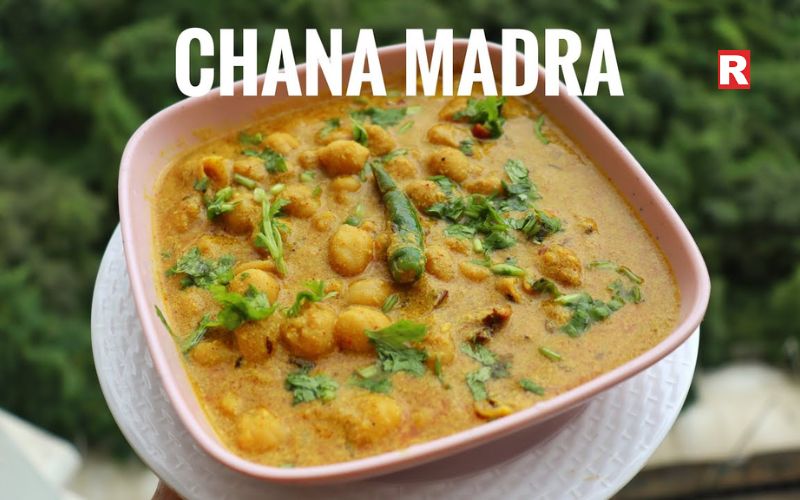
Chana Madra in Jharkhand is a rich and creamy dish made using chickpeas and yogurt. The chickpeas are cooked until soft and then added to a thick yogurt-based gravy. The spices used are mild, which keeps the flavor smooth and balanced. The texture is dense and slightly creamy. It is usually prepared during special meals or gatherings. This dish is different from regular chickpea curries as it focuses more on texture than strong spices. It is often served with rice or flatbread. The preparation requires careful cooking to maintain consistency. Chana Madra reflects a more refined and festive side of Jharkhand cuisine.
Street Food Culture in Jharkhand
Jharkhand’s food culture is shaped by simplicity, seasonality, and strong community roots. Street food and traditional meals are closely connected to daily life, local ingredients, and festivals. The cuisine reflects a practical approach to cooking, where freshness and availability decide what goes on the plate.
Everyday Street Food Culture: Small roadside stalls serve fresh and hot food throughout the day. Dishes like Dhuska with aloo curry and Ghugni are widely consumed. They are affordable, filling, and part of regular eating habits.
Season-Based Eating Patterns: Food choices change with seasons. Ingredients are used when they are naturally available. For example, Rugra is consumed during monsoon, while Tilkut is prepared in winter.
Strong Festival Connection: Many dishes are linked to festivals. Thekua is made during Chhath, while Pitha is prepared during harvest celebrations and family gatherings.
Community and Cultural Bonding: Food is not just for consumption. It plays a key role in social bonding. Meals are often shared, and recipes are passed down through generations.
Tips for First-Time Food Explorers
Start with simple dishes like Dhuska or Chilka Roti. They are easy to enjoy and widely available. If you like trying new flavors, go for Rugra or bamboo shoot dishes. Most food in Jharkhand is vegetarian-friendly. Even non-vegetarian dishes are simple and not too heavy. Local markets and small eateries offer the most authentic taste. Choose freshly cooked food for the best experience.
Also check: Top 5 States With the Spiciest Food in India
5 Cities That Serve the Best Non-Vegetarian Street Food
Why Sattu Is Emerging as India’s Ultimate Summer Superfood
Happy Exploring!
Jharkhand’s cuisine remains one of the most underrated regional food cultures in India. It is rooted in local ecology, seasonal produce, and tribal cooking methods. The food relies on minimal spices but delivers strong, natural flavors. Techniques like slow cooking, fermentation, and fire roasting add depth without complexity. Most dishes use locally sourced grains, forest greens, and rare ingredients like Rugra. This makes the cuisine both sustainable and nutrient-rich. For food explorers and culinary travelers, it offers a refreshing break from mainstream Indian flavors. Dishes like Dhuska provide texture contrast, while preparations with bamboo shoots and wild mushrooms introduce earthy notes. The simplicity is its strength. Each recipe reflects tradition, availability, and cultural identity. For those seeking authentic and lesser-known food experiences, Jharkhand presents a unique opportunity. It is not just about eating, but understanding a region through its ingredients, techniques, and everyday meals.
Saptopriya Ghosal
Feature Writer
I am a dedicated media professional with a bachelor's degree in mass communication from the State University of Calcutta and a postgraduate degree from Amity University. My academic journey has equipped me with a profound understanding of storytelling and communication. Passionate about the dynamic world of media, I continually strive to explore new ways to engage and inform through compelling narratives.



































































































































































