
Top 15 Famous Foods in Banaras: A Complete Culinary Guide to Varanasi’s Local Flavours
Banaras feeds the senses, but it also showcases craft. Every bite carries memory, training, and inherited skill from the city’s narrow lanes.

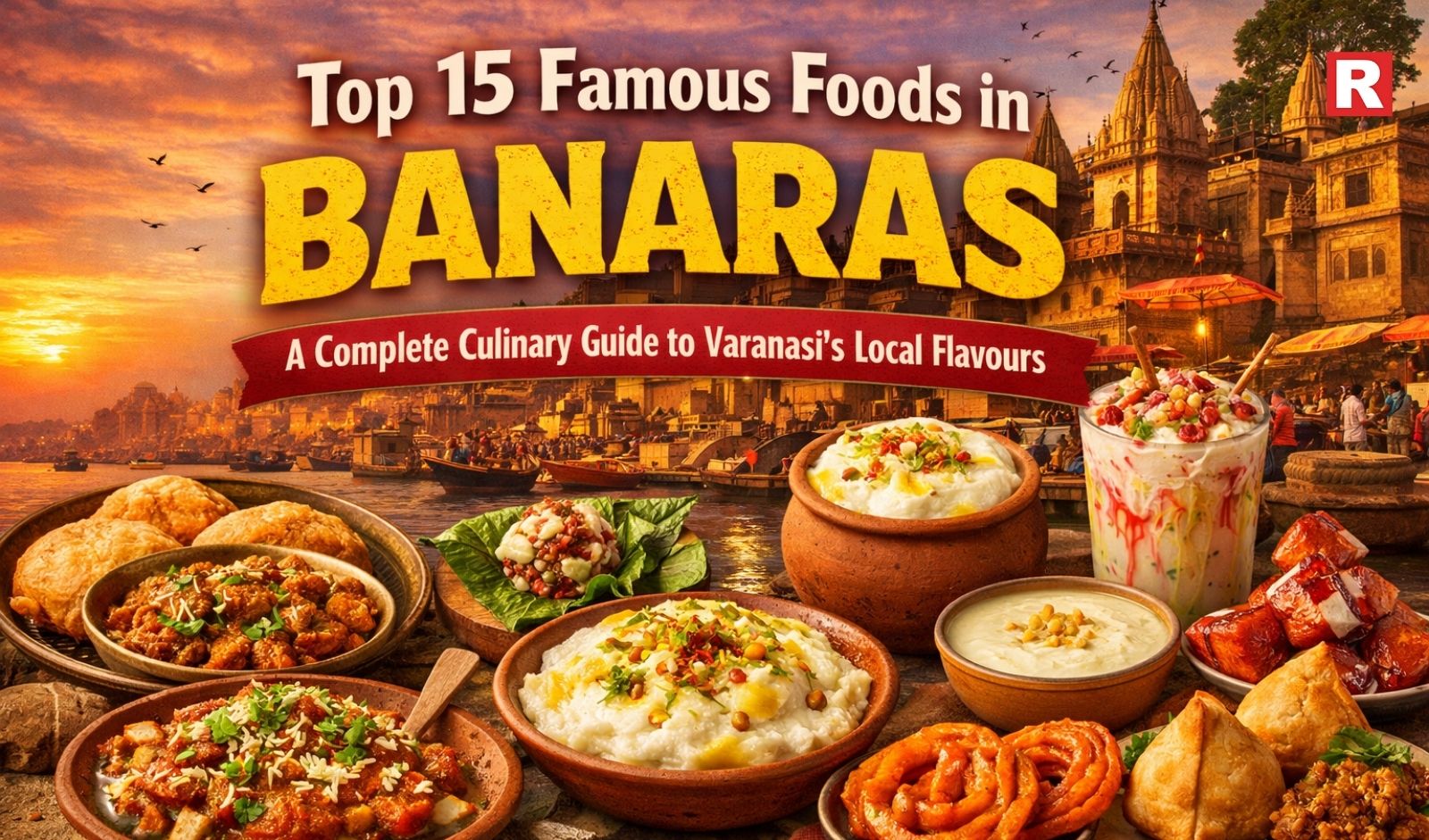
Varanasi stands among the world’s oldest living cities. It is known for faith and ritual. It is equally known for food. In this city, meals follow a rhythm. Breakfast begins at sunrise near the ghats. Evening snacks appear as temple bells ring. Winter and summer bring different menus. Food here respects season and climate. Most dishes are vegetarian. Ghee is used with confidence and skill. Spices are measured by instinct, not spoons.
Vendors specialise in one or two items only. This sharp focus builds mastery over time. Recipes are protected within families. Techniques such as slow milk reduction, controlled fermentation, and precise frying temperatures are common practice. These are not trends. They are habits formed over generations. For travellers, this offers more than taste. It offers insight into living food traditions. For food lovers and culinary explorers, Banaras presents structure, discipline, and identity on every plate.
Discover Top 15 Famous Foods in Banaras
1. Kachori Sabzi
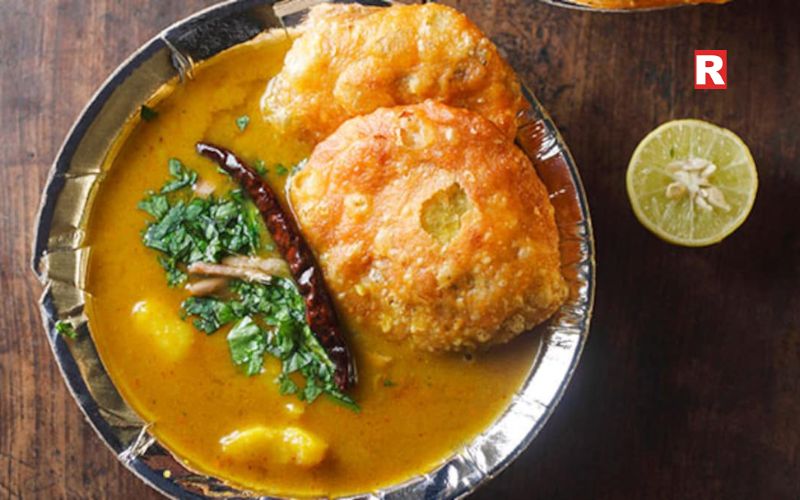
In Banaras, the morning begins with hot kachori sabzi served straight from large iron kadhais. Vendors start frying as early as sunrise. Badi kachori is filled with coarsely ground urad dal and spices. Choti kachori has a finer lentil mix. Both are fried slowly to keep the crust crisp and flaky. The sabzi is a thin potato and pumpkin curry, flavoured with asafoetida and fennel. The dish is rich in carbohydrates and provides plant protein from lentils. It gives quick energy and keeps one full for hours. However, it is deep fried and high in ghee. People with diabetes, heart conditions, or weak digestion should limit intake. It is heavy for those avoiding oily food.
Read more: 8 Famous Vegetarian Dishes of Uttar Pradesh and Their Timeless Legacy
5 Cities That Serve the Best Non-Vegetarian Street Food
2. Tamatar Chaat
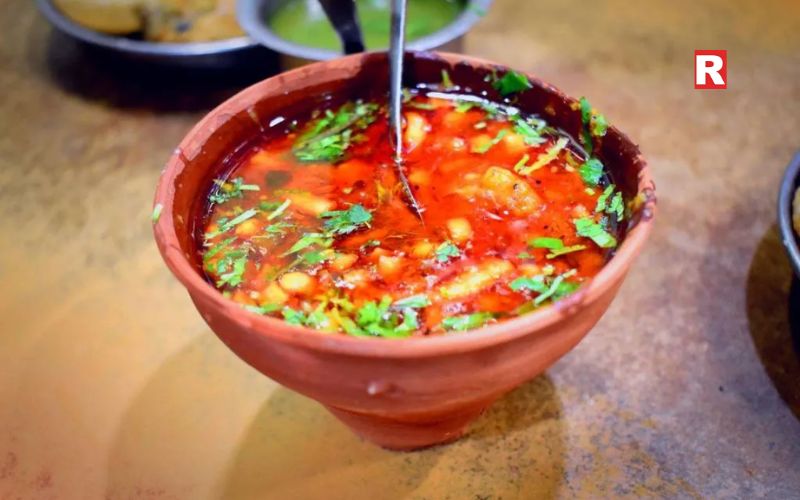
Tamatar chaat is a signature street dish of Banaras. It is cooked fresh on a flat iron tawa. Tomatoes are chopped and slow-cooked in desi ghee until soft. Boiled potatoes are added and mashed into the mix. Crushed puris bring slight crunch. Local spice blends, coriander, and sev are added on top. The taste is sweet, tangy, and mildly spicy. It contains vitamin C from tomatoes and some fiber from potatoes. The ghee adds richness and calories. It suits those who enjoy bold flavours and vegetarian street food. However, it may not suit people with acidity, gastric issues, or those on low-fat diets. The butter and spices can feel heavy for sensitive stomachs.
3. Banarasi Paan
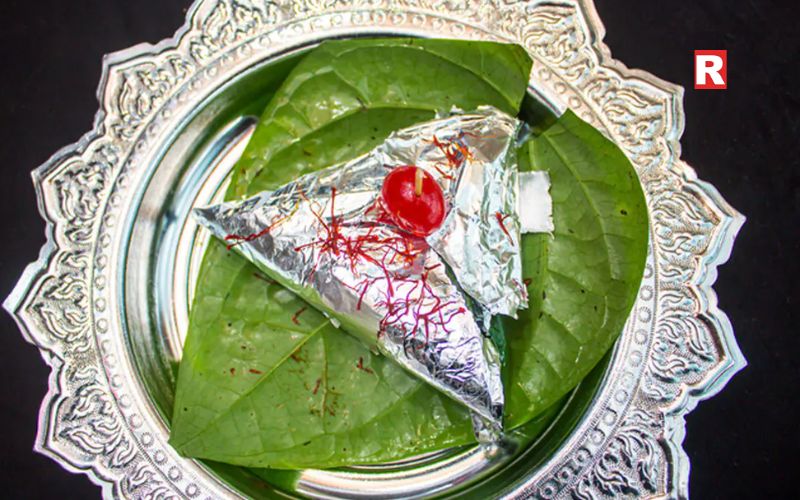
Banarasi paan holds cultural importance in the city. A fresh betel leaf is cleaned and trimmed. It is layered with lime paste, catechu, areca nut, fennel seeds, and sweet gulkand. The leaf is folded neatly into a triangle and served fresh. Some versions are sweet, while others are plain. Paan can help freshen breath and support digestion in mild cases. Fennel and betel leaf contain natural compounds that stimulate saliva. However, areca nut is strong and habit-forming. Regular consumption may affect oral health. It is not suitable for children, pregnant women, or people with mouth ulcers. Those with dental problems should avoid frequent intake. It should be consumed occasionally, not daily.
4. Malaiyyo (Nimish)
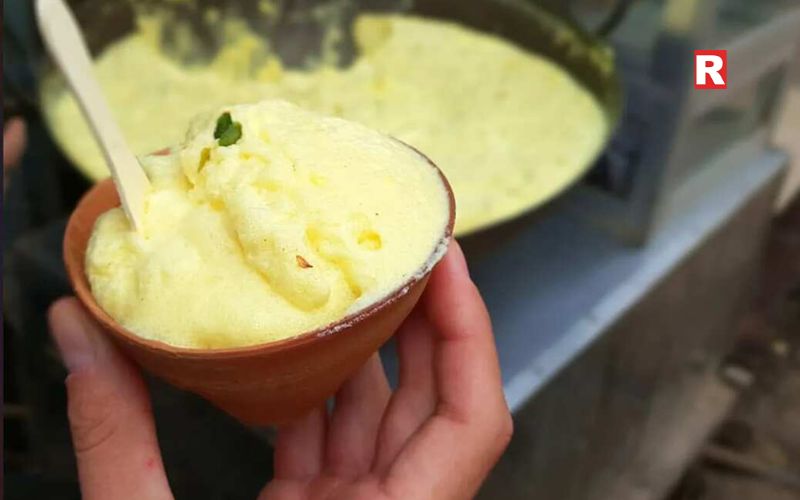
Malaiyyo is a rare winter sweet found in Banaras. It is prepared only during cold months. Full-fat milk is boiled and left outside overnight. Early morning dew helps create a natural foam layer. The milk is churned lightly to form soft froth. Saffron and sugar are added for flavour. The final texture is airy and delicate. It melts instantly on the tongue. Malaiyyo is rich in calcium and healthy fats from milk. It provides quick energy and warmth in winter. However, it contains high sugar and cream content. People with diabetes, lactose intolerance, or high cholesterol should avoid it. It is best enjoyed in small portions due to its richness.
5. Baati Chokha
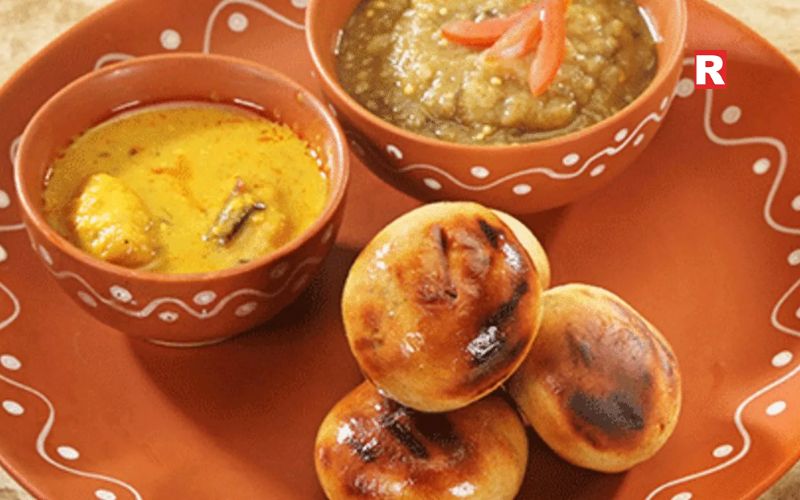
Baati chokha reflects rustic flavours of the region. Baatis are round wheat dough balls baked over charcoal fire. This gives a smoky taste and firm crust. They are broken open and soaked in ghee before serving. Chokha is made from roasted brinjal, tomatoes, and boiled potatoes mashed with mustard oil and spices. The dish offers complex carbohydrates from wheat and fiber from vegetables. It also contains healthy fats from mustard oil. It is filling and suitable for those needing sustained energy. However, the added ghee increases calorie content. People with obesity, heart disease, or strict low-fat diets should consume it in moderation. It may feel heavy for those with weak digestion.
6. Banarasi Thandai
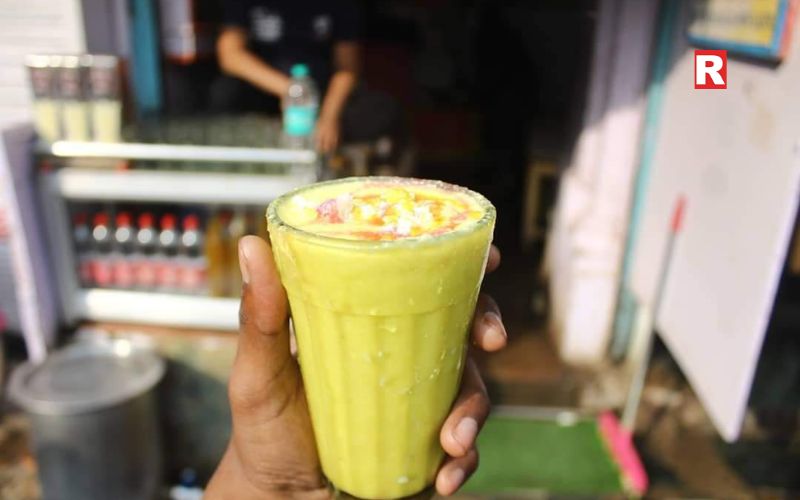
Banarasi thandai is closely linked with festivals such as Mahashivratri. It is prepared by soaking almonds, melon seeds, fennel seeds, black pepper, and cardamom. These ingredients are ground into a smooth paste. The paste is mixed with chilled full-fat milk and saffron. The grinding process is important. A fine paste gives a creamy texture. Thandai is rich in healthy fats, calcium, and antioxidants. Almonds provide vitamin E. Fennel helps digestion. It cools the body during warm weather. However, it is calorie-dense due to nuts and milk. People with nut allergies, lactose intolerance, or diabetes should avoid it. Those on low-calorie diets should consume it in small portions.
Know more: 20 Famous Foods from Karnataka That Define Its Rich Food Culture
7. Choora Matar
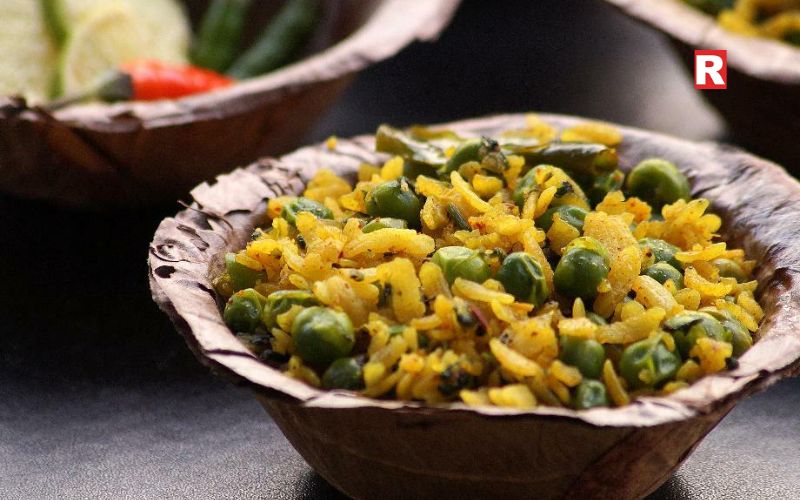
Choora matar is a simple winter breakfast in Banaras. Flattened rice is rinsed lightly to soften it. Fresh green peas are sautéed in a pan with cumin and mild spices. The soaked rice is added and mixed gently. The dish is warm, soft, and mildly spiced. It provides carbohydrates for energy and plant protein from peas. Peas also add fiber and vitamin C. It is light on the stomach compared to fried foods. This makes it suitable for older people and children. However, people with high blood sugar should watch portions due to the rice content. Those with severe digestive issues may avoid excess spices.
8. Launglata
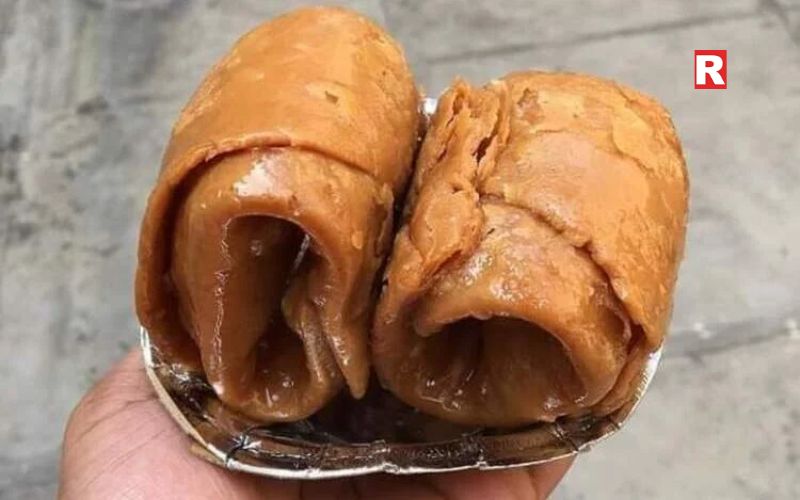
Launglata is a traditional sweet found in sweet shops across Banaras. It is made from refined flour dough rolled into small parcels. The filling contains sweetened khoya and dry fruits. A clove is fixed on top before frying. During frying, the clove releases a warm aroma into the pastry. After frying, it is dipped in sugar syrup. The outside stays crisp while the inside remains soft. It is high in calories, sugar, and saturated fat. Khoya provides calcium and some protein. However, it is not suitable for people with diabetes, high cholesterol, or heart disease. It should be avoided by those following strict weight-loss plans.
9. Chena Dahi Vada
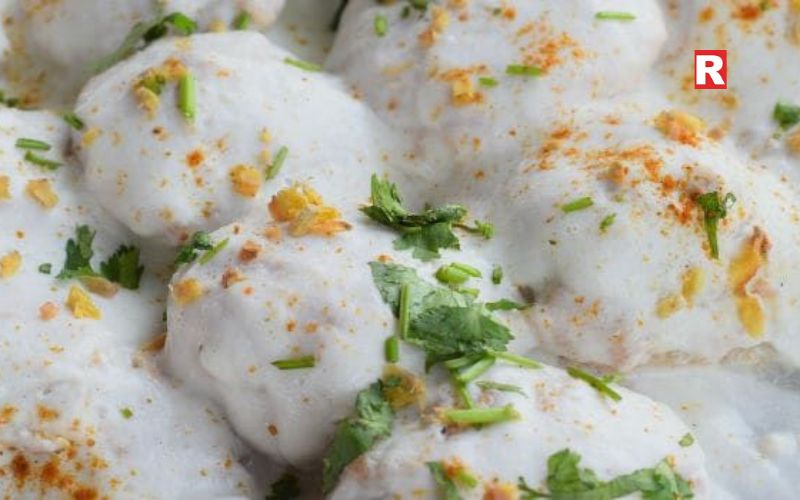
Chena dahi vada is a soft and sweet variation of the regular dahi vada. Fresh chena is kneaded until smooth. Small dumplings are shaped and lightly cooked. They are soaked in sweetened yogurt. The yogurt must be thick but not too heavy. The dumplings absorb moisture and become soft. This dish provides protein and calcium from milk and yogurt. It also contains probiotics that support gut health. The sweetness makes it popular among children. However, it contains added sugar. People with diabetes or lactose intolerance should avoid it. Those sensitive to dairy may also face discomfort. Portion control is important due to its sugar content.
10. Rabri Jalebi
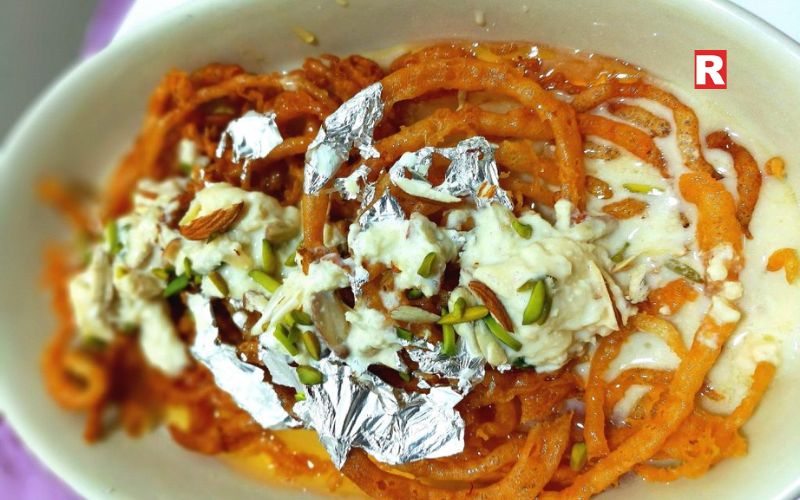
Rabri jalebi is a rich dessert often eaten in the evening. Jalebi batter is made from refined flour and fermented overnight. Fermentation improves flavour and texture. The batter is piped into hot ghee in spiral shapes and fried until crisp. The fried jalebis are soaked in sugar syrup. Rabri is prepared by slowly reducing milk for hours. It becomes thick and creamy. The hot jalebi is topped with chilled rabri. The dish is high in sugar and fat. It provides calcium from milk but mainly offers quick energy. People with diabetes, obesity, or heart problems should avoid it. It is best enjoyed occasionally in small servings.
11. Lassi
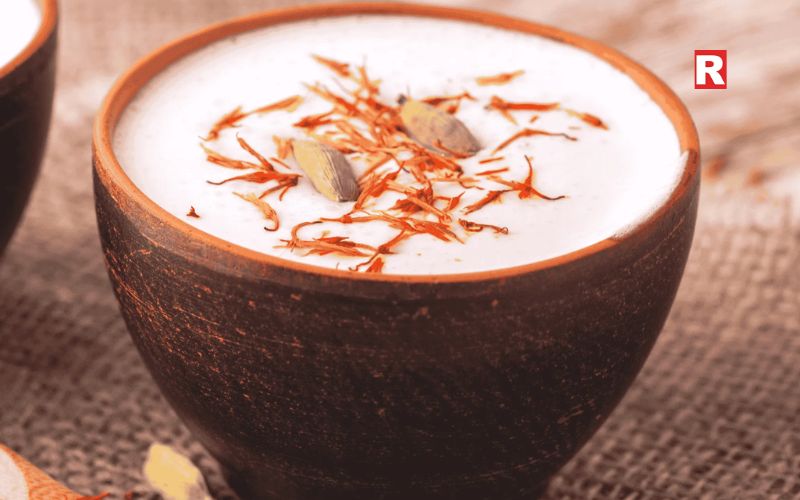
Banaras lassi is known for its thick and creamy texture. It is traditionally served in a clay cup called kulhad. A well-known place for this drink is Blue Lassi Shop. Fresh yogurt is hand-whisked until smooth and airy. It is often topped with a layer of malai and sometimes seasonal fruits. The clay cup helps keep the drink cool and adds an earthy aroma. Lassi is rich in calcium, protein, and probiotics. It supports digestion and gut health. However, it contains full-fat dairy and added sugar in many versions. People with lactose intolerance, high blood sugar, or strict low-fat diets should avoid or limit it.
Also check: Top Famous Veg Street Foods in Kolkata That You Must Try Once in Your Life
12. Banarasi Samosa
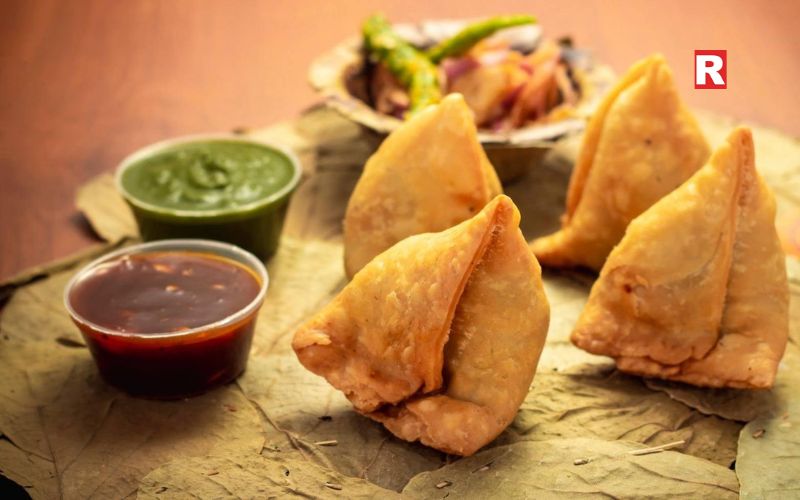
Banarasi samosa is smaller in size but strong in flavour. The outer layer is made from refined flour dough rolled thin and folded neatly. The filling usually contains boiled potatoes, green peas, and dry spices. Some vendors reduce potato quantity and increase peas for texture. Frying temperature is carefully maintained. Proper heat ensures a crisp shell without excess oil absorption. Samosa provides carbohydrates for energy and small amounts of protein from peas. It is filling and easy to carry. However, it is deep fried and high in calories. People with heart disease, obesity, or high cholesterol should avoid frequent intake. It may also trigger acidity in sensitive individuals.
13. Kalakand
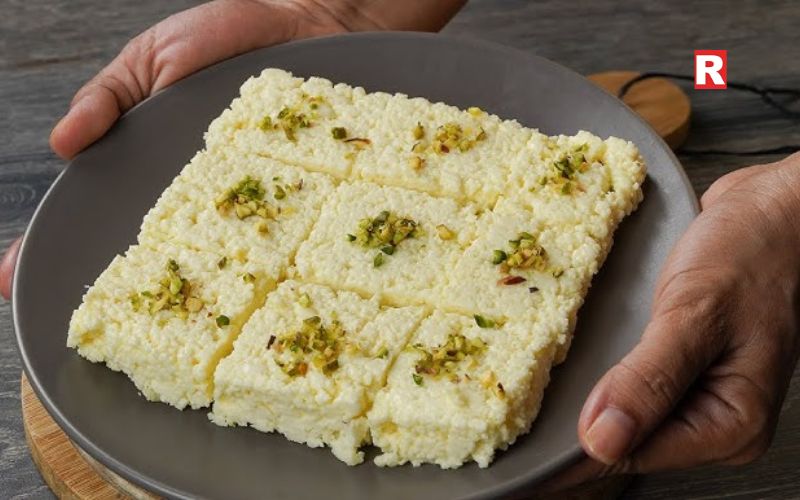
Kalakand is a soft milk-based sweet widely enjoyed in Banaras. It is prepared by slowly reducing fresh milk over heat. A mild acidic agent is added to create a grainy texture. The mixture is cooked until thick but still moist. Unlike barfi, it retains softness and slight crumble. It reflects the region’s strong dairy tradition. Kalakand is rich in calcium and provides protein from milk solids. It also offers quick energy due to sugar content. However, it is high in saturated fat and sugar. People with diabetes, lactose intolerance, or high cholesterol should avoid it. It is best eaten in small portions during special occasions.
14. Chaat at Kashi Chaat Bhandar
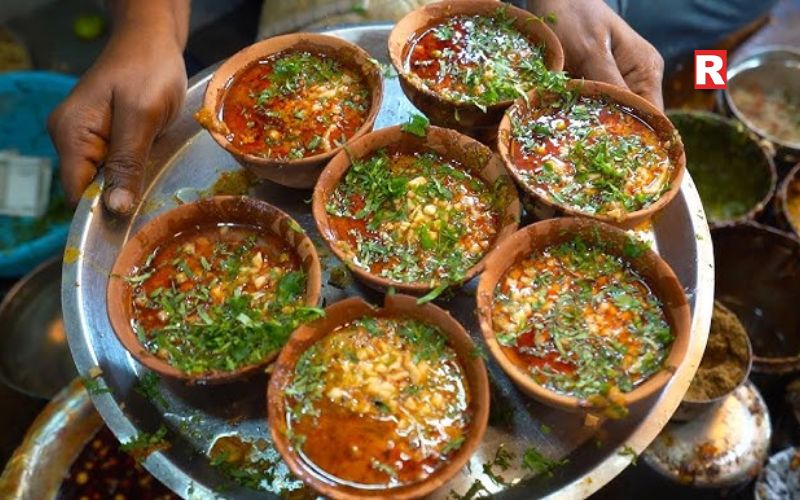
Kashi Chat Bhandar is known for its organised service and balanced flavours. The chaat includes items like aloo tikki, tamatar chaat, and dahi puri. Ingredients are pre-prepared but assembled fresh. Spice levels are controlled to maintain consistency. Even during heavy rush, portion sizes remain standard. The dishes provide carbohydrates from potatoes and puris, along with some protein from yogurt and legumes. Yogurt adds probiotics. However, many items are fried and topped with sweet chutneys. People with diabetes, high blood pressure, or digestive issues should eat cautiously. Excess spice and oil may not suit sensitive stomachs.
15. Kulfi Falooda
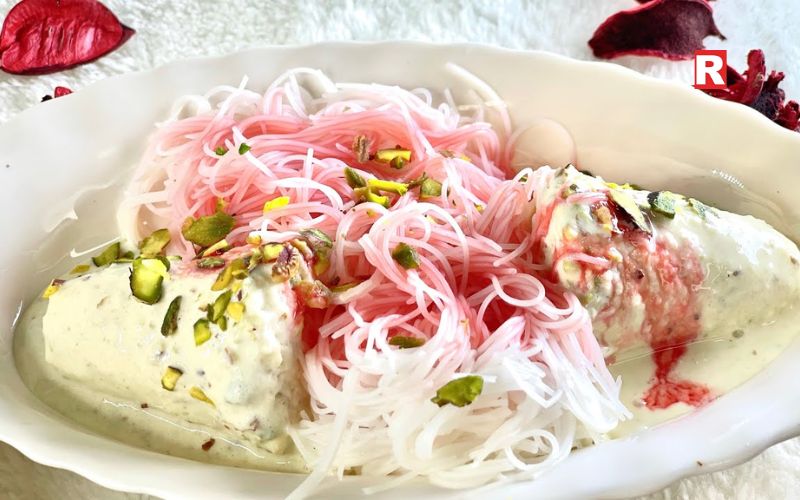
Kulfi falooda is a popular evening dessert in Banaras. Kulfi is made by slowly reducing milk until thick and creamy. The mixture is sweetened and frozen gradually. Slow freezing prevents large ice crystals and keeps the texture dense. It is sliced and served with falooda sev and rose syrup. Sometimes basil seeds are added. The dessert provides calcium and small amounts of protein from milk. It also delivers quick energy because of sugar. However, it is high in calories and saturated fat. People with diabetes, obesity, or lactose intolerance should avoid it. It may also not suit those following low-sugar or low-fat diets.
Check more: 20 Famous Foods from Assam That Reflect Its True Food Culture
Top 5 States With the Spiciest Food in India
10 Awadhi Cuisine Classics You Must Try at Least Once
What Makes Banaras Food Unique
Banaras street food is deeply tied to time. Kachori in the morning. Chaat in the evening. Malaiyyo only in winter. Slow cooking is common. Ghee is used generously. Iron utensils enhance flavour and add trace minerals. Most vendors specialise in one or two items only. This micro-specialisation builds mastery. The city’s spiritual rhythm also influences food. Many dishes are vegetarian due to temple culture. Festivals shape seasonal menus. Food is not random here. It follows a pattern.
Banaras food is not built for trends. It is built on memory and repetition. Vendors inherit recipes. Measurements are often by instinct, not by scale. The balance of sweet and spice is a defining trait. Even savoury dishes may carry slight sweetness. Texture also matters. Crisp, soft, airy, dense. Every dish focuses on mouthfeel. For travellers, this city offers more than sightseeing. It offers edible history.
Happy Eating!
To understand Varanasi, one must eat by the clock. The city reveals itself through timing. Morning begins with fresh kachori fried at steady heat. By noon, thick lassi offers relief from the sun. As evening falls, chaat vendors balance spice and sweetness with precision. At night, kulfi sets slowly to achieve its dense texture. Each hour has its own speciality. This structure is not random. It reflects discipline shaped over decades. Vendors master one dish and repeat it daily with consistency. Ingredients shift with season. Techniques depend on temperature and humidity. For travellers, this approach adds depth to the experience. It turns a food walk into cultural study. Banaras feeds the senses, but it also showcases craft. Every bite carries memory, training, and inherited skill from the city’s narrow lanes.
Saptopriya Ghosal
Feature Writer
I am a dedicated media professional with a bachelor's degree in mass communication from the State University of Calcutta and a postgraduate degree from Amity University. My academic journey has equipped me with a profound understanding of storytelling and communication. Passionate about the dynamic world of media, I continually strive to explore new ways to engage and inform through compelling narratives.



































































































































































