
Top 10 High-Protein Vegetarian Foods You Can Easily Add to Your Daily Diet
Getting enough protein on a vegetarian diet is both practical and sustainable. Indian kitchens already include many protein-rich foods used in daily cooking.

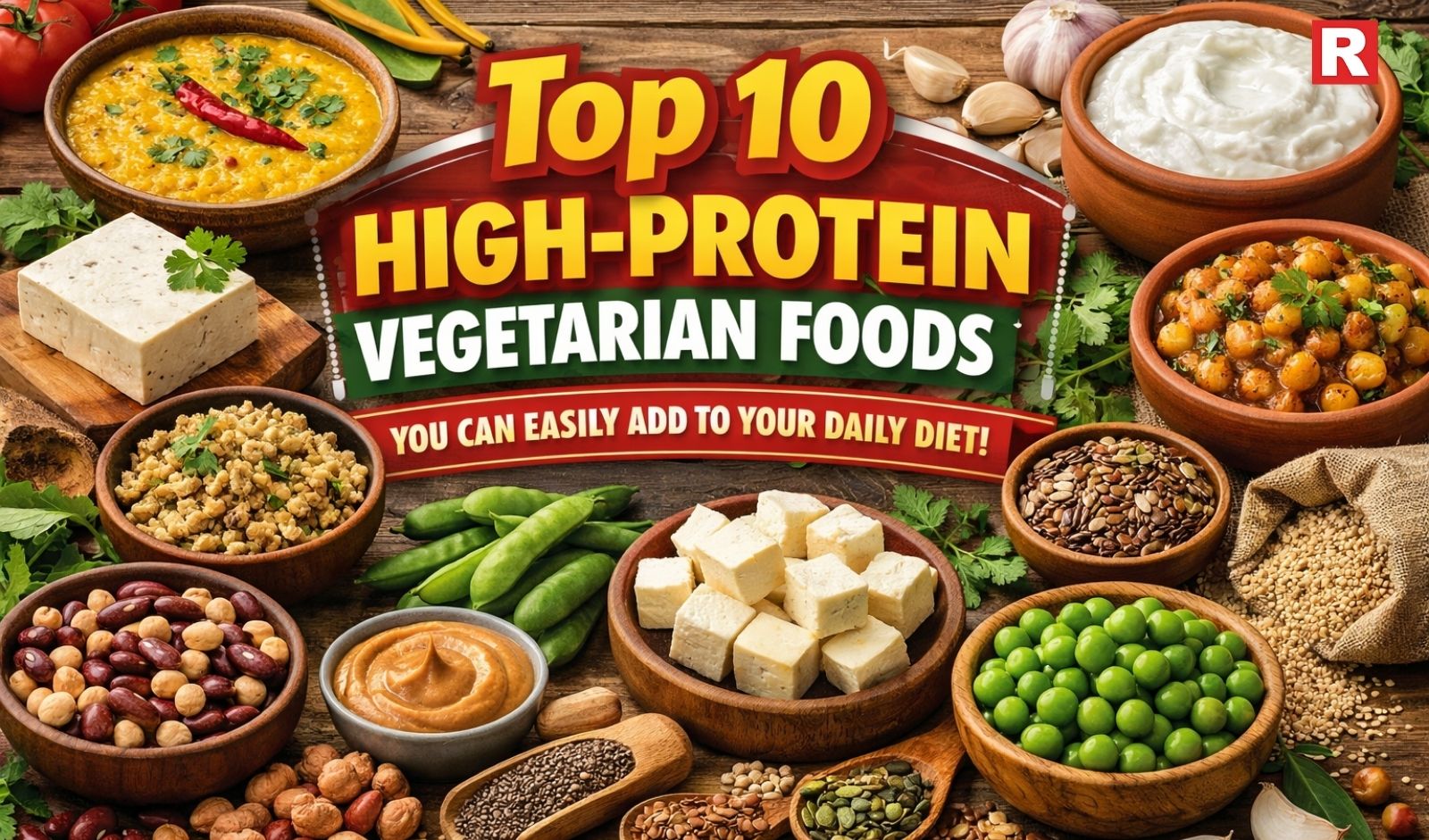
Protein is not just for bodybuilders or gym lovers. It is essential for everyone. It supports muscle repair, keeps energy levels stable, improves immunity, and helps you stay full for longer. In India, many people still believe that protein mainly comes from meat, eggs, or supplements. This is not true.
Indian vegetarian food already includes several natural, affordable, and effective protein sources. You do not need fancy powders or imported foods. With a little planning, you can meet your daily protein needs using regular kitchen ingredients. This article breaks down the top 10 high-protein vegetarian foods that fit easily into Indian meals. These foods are practical, widely available, and suitable for daily consumption.
Find Top 10 High-Protein Vegetarian Foods
1. Paneer
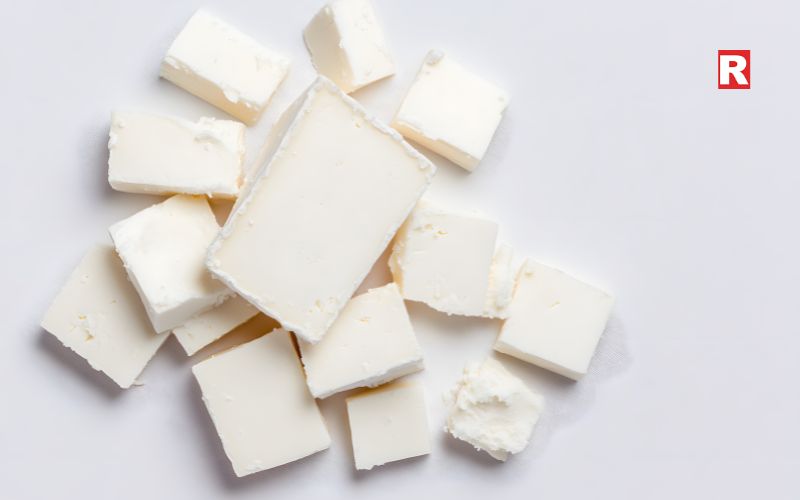
Paneer is a popular protein source in vegetarian diets across India. It is made by curdling milk and separating the solids. Paneer provides all essential amino acids needed by the body. It supports muscle strength and daily energy needs. Paneer is also rich in calcium, which helps maintain strong bones and teeth. It keeps the stomach full for longer, which helps control hunger. Paneer fits easily into Indian cooking. It can be used in curries, bhurji, salads, and grilled dishes. Because of its mild taste, it blends well with spices and vegetables.
Protein content: Around 18–20 grams per 100 grams
Why it works: Paneer supports muscle strength and bone health. It is rich in calcium and keeps you full for longer, which helps with weight control.
How to include it: Add paneer bhurji to breakfast. Use grilled paneer in salads. Add cubes to vegetable curries or wraps. Homemade paneer is even better if you want to control fat levels.
Read more: 8 Famous Vegetarian Dishes of Uttar Pradesh and Their Timeless Legacy
5 Cities That Serve the Best Non-Vegetarian Street Food
2. Soybeans
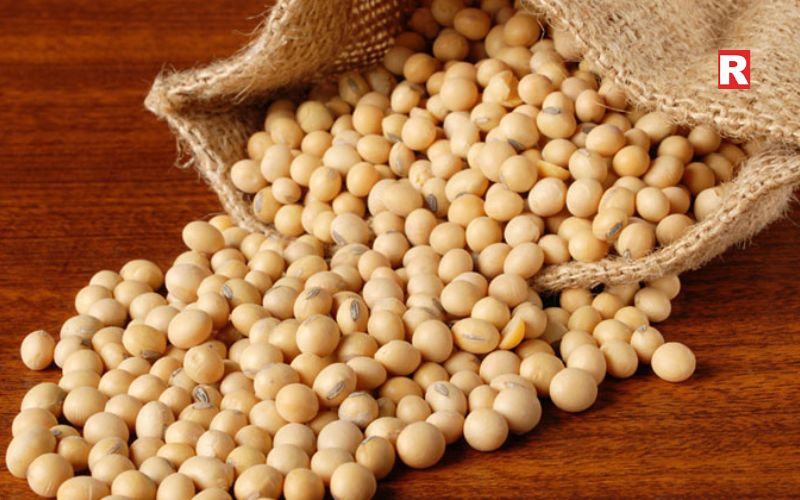
Soybeans are one of the richest plant-based protein foods. They are widely used in vegetarian diets across the world. Soybeans provide all essential amino acids needed for the body. They help support muscle repair and daily energy. Soybeans are also high in fibre, which supports digestion and gut health. They contain iron and other important minerals. Soybeans are suitable for people who do not consume dairy products. They are filling and help manage hunger. In Indian cooking, soybeans can be added to curries, salads, and stir-fries. Soy products like soy chunks and tofu are also common choices.
Protein content: Around 36 grams per 100 grams
Why it works: Soybeans provide complete protein and are also rich in iron and fibre. They are especially useful for people who do not consume dairy.
How to include it: Boiled soybeans can be added to salads. Use them in dry sabzis or curries. Soy chunks and soy granules are also convenient alternatives.
3. Lentils (Dal)
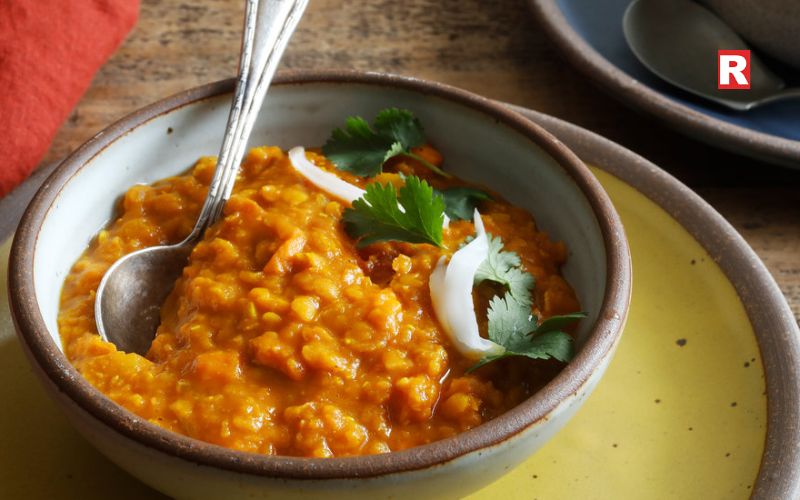
Dal is a regular part of everyday meals in many Indian households. It is made from lentils such as moong, masoor, toor, and chana. Dal provides a good amount of plant-based protein. It supports daily energy and muscle health. Dal is also rich in fibre, which helps digestion. It is easy on the stomach and suitable for all age groups. Dal pairs well with rice and roti, making meals balanced and filling. It can be cooked in many ways, from simple home-style dal to soups and chillas. Its simplicity and nutrition make it a dependable food choice.
Protein content: Around 9 grams per cooked cup
Why it works: Lentils are easy to digest and rich in fibre. They provide steady energy and support gut health.
How to include it: Have dal with rice or roti. Prepare dal soups or dal chillas. Mixing different lentils improves amino acid balance.
4. Chickpeas (Chana)
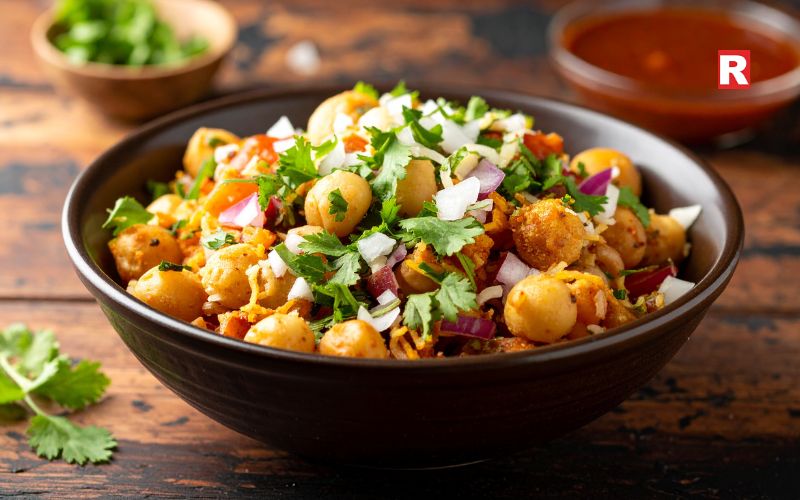
Chickpeas are widely used in Indian cooking and fit many regional dishes. They are known for being filling and nutritious. Chickpeas provide a good amount of plant-based protein and fibre. They help keep hunger in check for longer hours. Chickpeas also support digestion and steady energy levels. They are rich in iron and complex carbohydrates. Chickpeas can be cooked in many forms. They are used in chana masala, curries, and dry sabzis. Boiled chickpeas work well in salads. Roasted chickpeas are often eaten as a simple and healthy snack.
Protein content: Around 19 grams per 100 grams (dry)
Why it works: Chickpeas help control hunger and support digestion. They also provide iron and complex carbohydrates.
How to include it: Prepare chana masala. Add boiled chana to salads. Roast chickpeas for a healthy snack option.
5. Greek Yogurt or Thick Curd
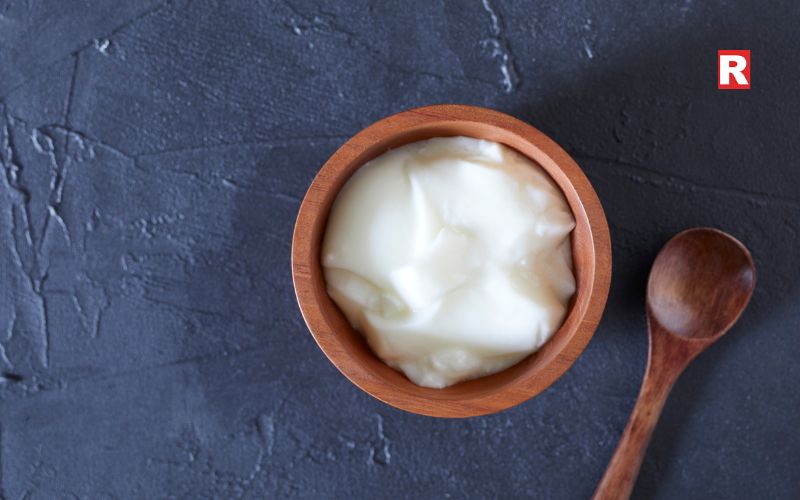
Curd has been a part of Indian meals for generations. Thicker varieties like hung curd or Greek-style curd offer more protein. Curd supports digestion and gut health due to natural probiotics. It also helps improve nutrient absorption. Curd provides calcium, which supports bone strength. It is light on the stomach and suits all age groups. Curd can be eaten with meals or used in different dishes. It is added to raita, smoothies, and dips. Thicker curd works well in marinades and gravies. Its cooling nature makes it suitable for daily consumption.
Protein content: Around 10 grams per 100 grams
Why it works: Curd supports gut health due to probiotics. It also improves protein absorption.
How to include it: Have it with meals. Use it in smoothies. Make curd-based dips or raita. Homemade hung curd works well.
Know more: High Protein Indian Meals You Should Try
6. Tofu
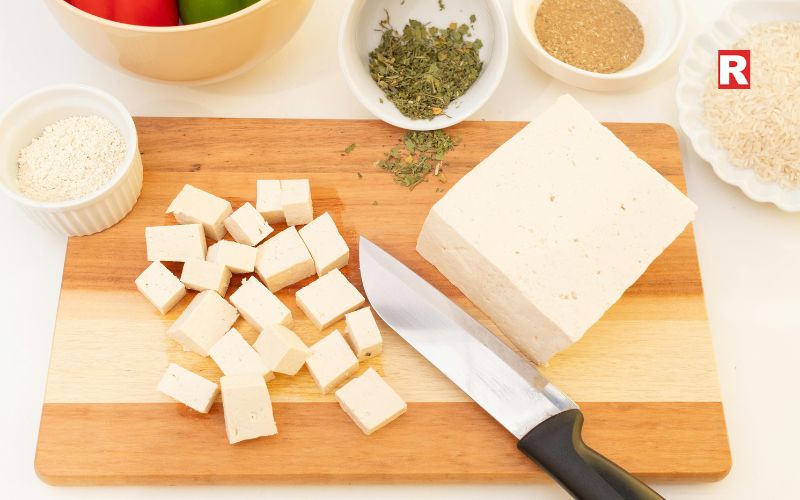
Tofu is a soy-based food commonly used in vegetarian diets. It is a suitable option for people who avoid dairy products. Tofu provides a good amount of plant-based protein. It is low in fat and easy to digest. Tofu has a mild taste, which allows it to absorb spices and flavours well. It works well in Indian-style cooking. Tofu can replace paneer in many dishes. It is used in stir-fries, curries, and grilled recipes. Tofu also contains iron and calcium. Its soft texture makes it easy to cook and suitable for regular meals.
Protein content: Around 8–10 grams per 100 grams
Why it works: Tofu is low in fat and easy to cook. It absorbs flavours well and suits Indian spices.
How to include it: Add tofu to stir-fries. Use it in gravies instead of paneer. Grill or shallow-fry it for snacks.
7. Quinoa
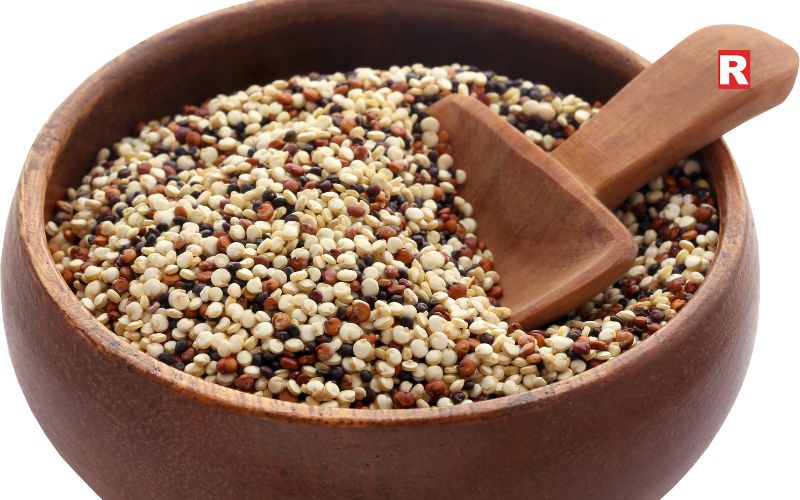
Quinoa is slowly becoming a popular grain choice in Indian homes. It is valued for its strong nutrition profile. Quinoa provides a good amount of plant-based protein. It contains all essential amino acids. This makes it a complete protein source. Quinoa is also rich in fibre, which supports digestion. It is gluten-free and easy to digest. Quinoa keeps the stomach full for longer. It works well as a rice substitute. Quinoa can be used in khichdi, salads, and pulao-style dishes. Its light texture and mild taste suit Indian spices and cooking methods.
Protein content: Around 14 grams per 100 grams (raw)
Why it works: Quinoa is a complete plant protein and gluten-free. It also provides magnesium and fibre.
How to include it: Use quinoa instead of rice in khichdi. Add it to salads. Make quinoa pulao or breakfast bowls.
8. Peanuts
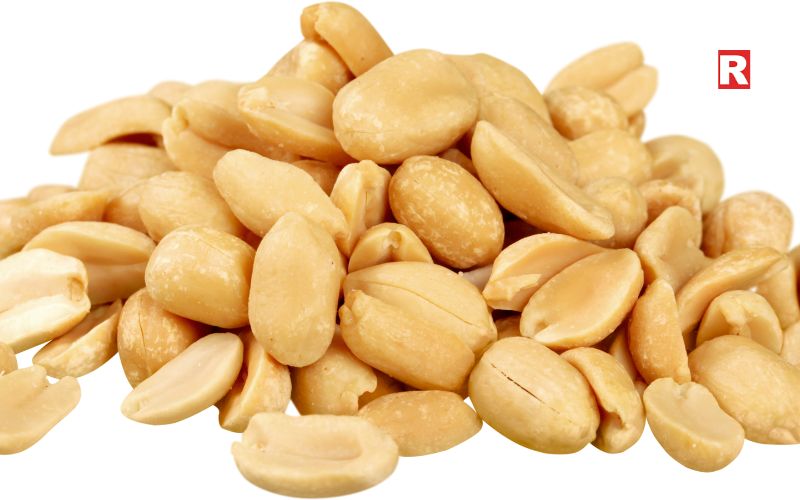
Peanuts are one of the most affordable protein-rich foods in India. They are easily available across cities and small towns. Peanuts provide a good amount of plant-based protein and healthy fats. They help support energy levels throughout the day. Peanuts also contain fibre, which helps control hunger. They are filling and satisfying when eaten in small portions. Peanuts are used in many Indian dishes. They are added to chutneys, sabzis, and snacks. Roasted peanuts are commonly eaten between meals. Natural peanut butter is another popular way to include them in the diet.
Protein content: Around 26 grams per 100 grams
Why it works: Peanuts are energy-dense and rich in healthy fats. They support heart health when consumed in moderation.
How to include it: Eat roasted peanuts as snacks. Add them to chutneys. Use natural peanut butter without added sugar.
9. Seeds (Pumpkin, Chia, Flax, Sunflower)
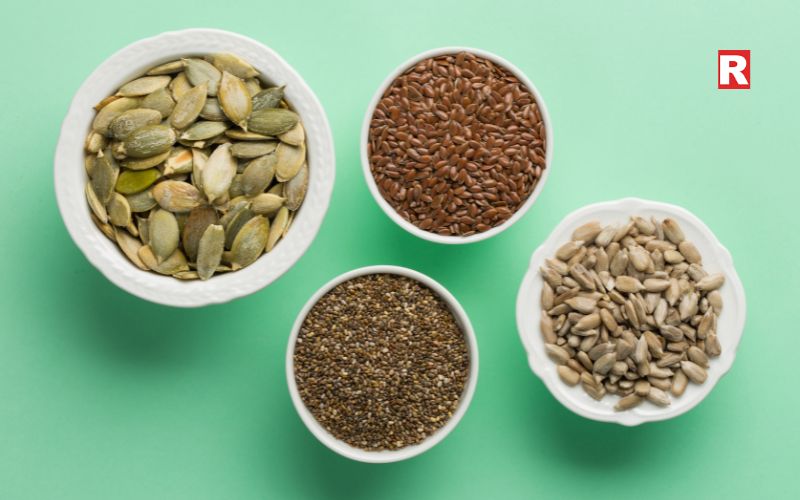
Seeds may be small in size, but they offer strong nutritional value. Common seeds include pumpkin, chia, flax, and sunflower. They provide plant-based protein along with healthy fats. Seeds support heart health and overall energy levels. They also contain fibre, which helps digestion. Many seeds are rich in minerals like magnesium and zinc. Seeds are easy to add to daily meals. They can be sprinkled over salads and curd. They are added to smoothies and breakfast bowls. Roasted seeds are often eaten as snacks. Regular intake in small amounts supports balanced nutrition.
Protein content: Around 18–30 grams per 100 grams, depending on the seed
Why it works: Seeds provide protein along with omega fats and minerals. They support skin, heart, and hormonal health.
How to include it: Sprinkle seeds on salads. Add them to smoothies or curd. Mix them into homemade laddoos or energy bars.
10. Green Peas
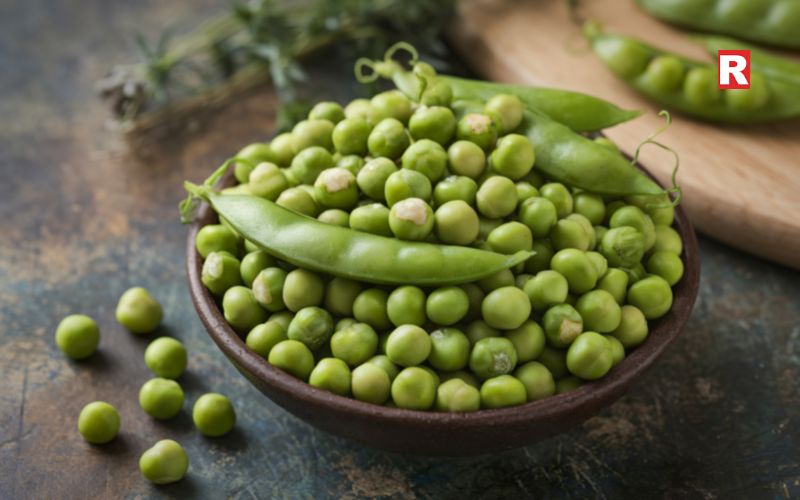
Green peas are often overlooked in daily meals, but they offer good nutrition. They provide a useful amount of plant-based protein. Green peas also contain fibre, which supports digestion. They help maintain steady energy levels. Green peas are light on the stomach and easy to digest. They suit people of all age groups. Green peas are commonly used in Indian cooking. They are added to sabzis, pulao, and curries. Green peas also work well in soups and cutlets. Fresh and frozen peas both retain their nutritional value and are easy to use in regular meals.
Protein content: Around 5 grams per 100 grams
Why it works: They are easy to digest and suitable for all age groups.
How to include it: Add peas to sabzis, pulao, soups, or cutlets. Fresh and frozen peas both work well.
Why Vegetarian Protein Works Well
Plant-based protein fits naturally into Indian food habits. It is easier to digest, lower in saturated fat, and more sustainable. A vegetarian diet also allows flexibility. You can combine different foods to improve overall protein quality. For example, dal with rice or roti creates a balanced amino acid profile. Adding curd or paneer further improves nutrition. Variety matters more than relying on a single food.
You do not need protein powders for daily health.
- Add paneer or tofu to regular sabzis
- Combine dal with rice or millets
- Snack on roasted chana or peanuts
- Include curd or seeds daily
- Replace refined carbs with quinoa or legumes
Small changes, done consistently, make a big difference.
Also check: 12 Delicious High-Protein Foods to Eat Daily for a Healthier You
5 Ways to Use Garden Cress Seeds (Halim) for Stronger Hair and Bones
7 Desi Alternatives to Oatmeal for Weight Loss
Eat Healthy, Stay Healthy!
Getting enough protein on a vegetarian diet is both practical and sustainable. Indian kitchens already include many protein-rich foods used in daily cooking. Lentils, paneer, curd, legumes, seeds, and grains together create balanced meals. The focus should remain on variety rather than excess. Eating the same food every day limits nutrition. Mixing different protein sources improves overall intake and digestion. Regular meals matter more than occasional high-protein choices. Portions should stay realistic and suited to daily needs. There is no need to follow food trends or extreme diet plans. Simple home-cooked meals work best in the long run. Over time, these habits support steady energy levels and muscle health. They also help maintain strength and immunity. A consistent vegetarian diet, planned with care, reduces the need for supplements and supports long-term well-being naturally.
Saptopriya Ghosal
Feature Writer
I am a dedicated media professional with a bachelor's degree in mass communication from the State University of Calcutta and a postgraduate degree from Amity University. My academic journey has equipped me with a profound understanding of storytelling and communication. Passionate about the dynamic world of media, I continually strive to explore new ways to engage and inform through compelling narratives.



































































































































































