
Top 10 Foods to Boost Your Mineral Intake Naturally
Over time, these little changes can make a big difference to your health, energy, and mood.

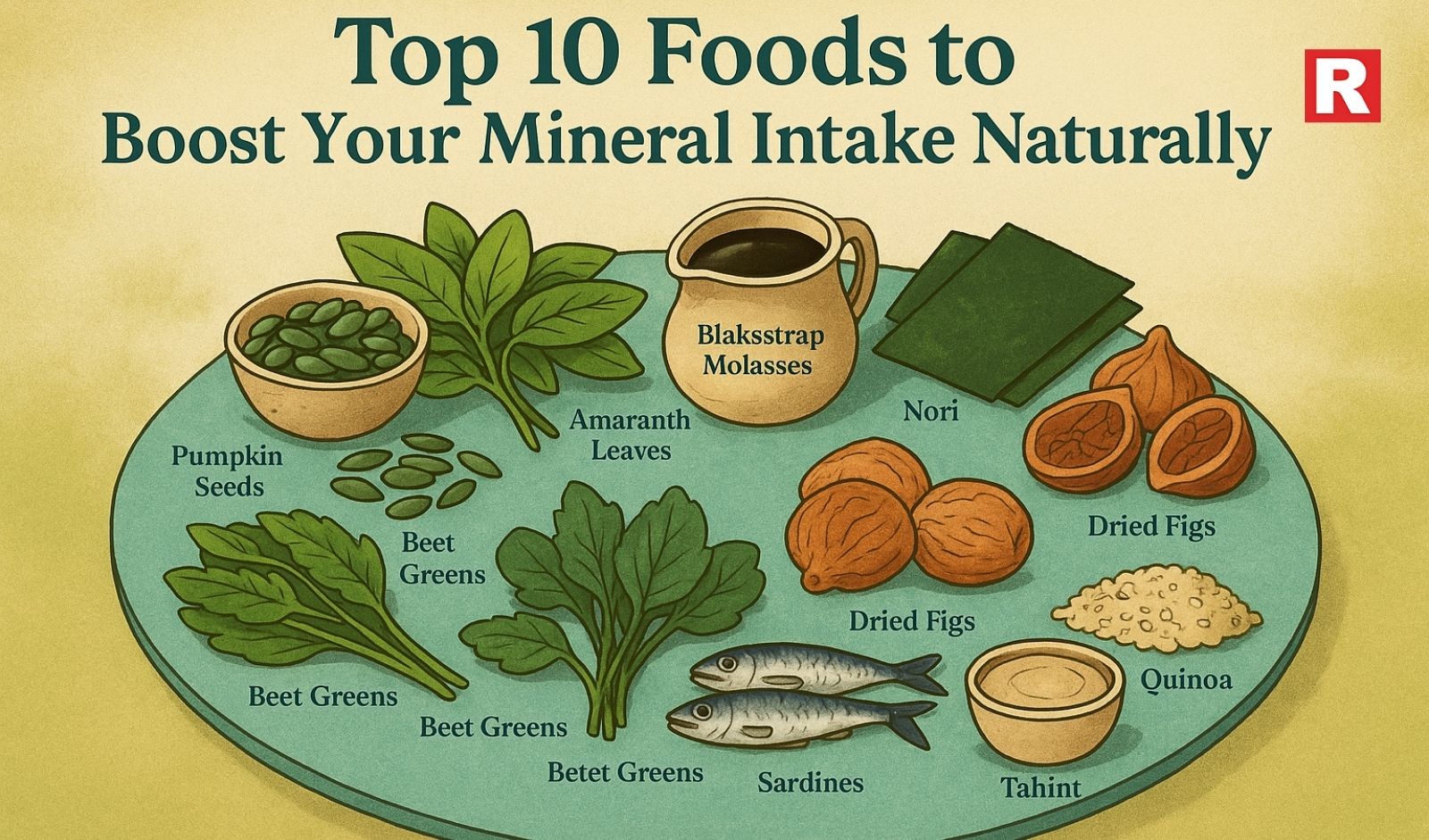
Minerals work quietly in the body, yet they are vital for health. They help the heart beat, keep bones strong, and give the skin a healthy glow. Without enough minerals, the body can feel tired, weak, and unbalanced. Many people assume their daily meals give them all they need. In reality, a large number miss the mark. The answer does not have to be in pills. Food can supply these essential nutrients in a natural way. Some sources are common, like leafy greens and nuts. Others are less expected, such as pumpkin seeds, seaweed, or blackstrap molasses.
Adding mineral-rich foods to meals is simple. A spoon of chia seeds in breakfast, a serving of lentils for lunch, or grilled sardines for dinner can make a difference. These foods carry calcium, magnesium, iron, zinc, and more. Small daily choices can keep the body supplied with these building blocks. With the right mix on the plate, energy rises, bones stay strong, and overall health improves naturally.
Read more: 12 Delicious High-Protein Foods to Eat Daily for a Healthier You
5 Ways to Use Garden Cress Seeds (Halim) for Stronger Hair and Bones
10 Powerful Foods to Boost Your Mineral Intake Naturally
Nutrient-dense, easy-to-find foods that strengthen bones, boost energy, and support overall health.
1. Amaranth Leaves – A Forgotten Green Superfood
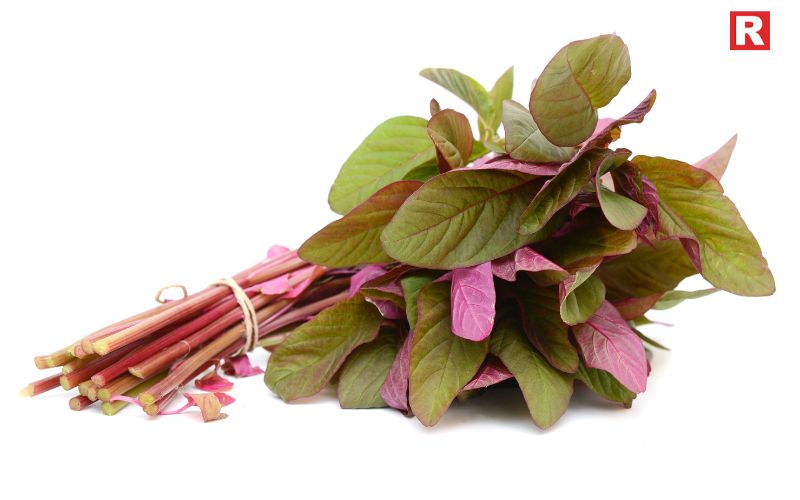
- Key minerals: Calcium, Iron, Magnesium, Manganese
Amaranth leaves are a traditional leafy vegetable that has nourished communities for centuries, yet they remain overshadowed by more popular greens like spinach. Packed with bioavailable minerals, they provide an impressive combination of calcium, iron, magnesium, and manganese in a single serving. These minerals play a role in everything from maintaining skeletal strength to supporting enzyme functions in the body. In many rural regions, amaranth is consumed daily as part of soups, stews, and flatbreads, offering an affordable yet potent source of nutrition. Unlike many modern “superfoods,” amaranth is locally available, requires minimal cultivation resources, and thrives in poor soil conditions. For individuals with increased nutritional needs — such as pregnant women or athletes — incorporating amaranth leaves into meals can be a simple and sustainable way to improve mineral intake naturally.
- Why it works: The calcium supports strong bones, while iron keeps your energy levels steady. Magnesium in amaranth leaves helps relax muscles and aids sleep.
- How to eat: Lightly sauté with garlic, or add to soups. Cooking helps reduce oxalates, making the minerals easier to absorb.
2. Pumpkin Seeds – Tiny but Mighty
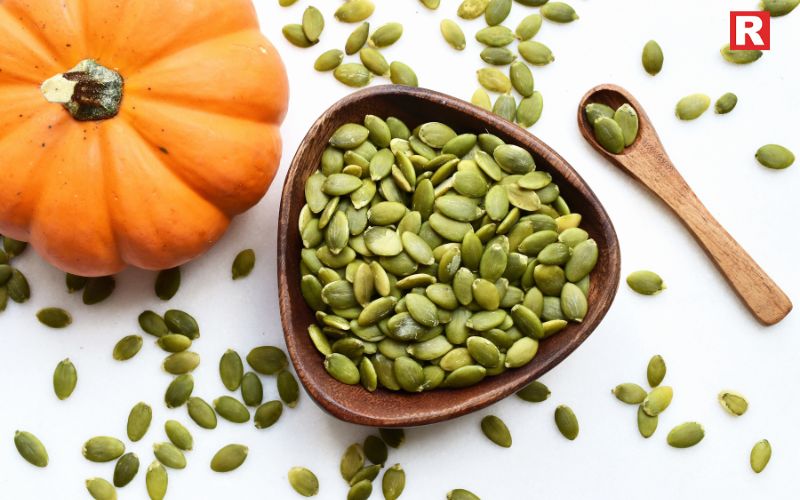
- Key minerals: Zinc, Magnesium, Copper
Pumpkin seeds, also known as pepitas, are among the most concentrated plant sources of essential minerals. Traditionally used in Central American cuisines, they have gained global recognition for their nutrient density. Their green kernels are rich in zinc, magnesium, copper, and plant-based protein, making them a valuable dietary addition for both vegetarians and omnivores. Historically, pumpkin seeds were sun-dried and eaten as snacks or incorporated into sauces like Mexico’s traditional mole. Modern research links their magnesium content to improved cardiovascular health and their zinc levels to better immunity and skin health. Beyond their nutrient profile, they are versatile and require no complex preparation — a quick roast can enhance their flavour while preserving their health benefits. Adding them to the daily diet supports long-term wellness without processed supplementation.
- Why it works: Just a handful covers nearly half your daily magnesium needs. Perfect for busy days when you don’t have time for elaborate meals.
- How to eat: Roast them with a pinch of sea salt for crunch, or sprinkle over salads and porridge.
Know more: Power-Packed Mornings: 8 Protein-Rich Vegetarian Indian Breakfast Ideas
3. Blackstrap Molasses – The Mineral Syrup
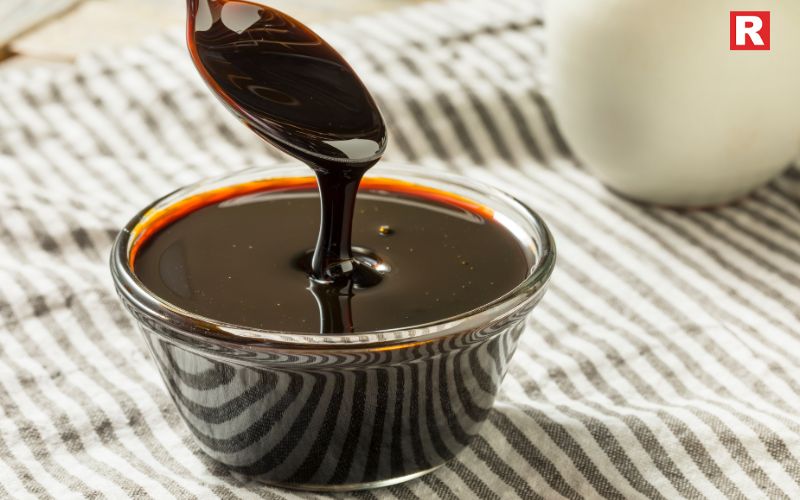
- Key minerals: Iron, Calcium, Potassium
Blackstrap molasses is a thick, bittersweet syrup produced during the final stage of refining sugarcane into table sugar. While the refined sugar is stripped of nutrients, the molasses retains an impressive concentration of minerals like iron, calcium, and potassium. Once a staple in traditional diets, especially in the Caribbean and Southern United States, blackstrap molasses was valued for its ability to prevent anemia and support strong bones. It contains complex compounds that make its iron content more bioavailable than some plant sources. Its potassium helps maintain fluid balance and nerve function, while its calcium supports skeletal integrity. Unlike artificial sweeteners, it offers both flavour and nourishment. Used in moderation, it can be stirred into porridge, baked goods, or herbal teas, making it a functional sweetener with historic and nutritional significance.
- Why it works: Its iron boosts energy, calcium strengthens bones, and potassium keeps your blood pressure balanced.
- How to eat: Stir a teaspoon into warm water or milk for a morning tonic.
4. Sardines – Small Fish, Big Benefits
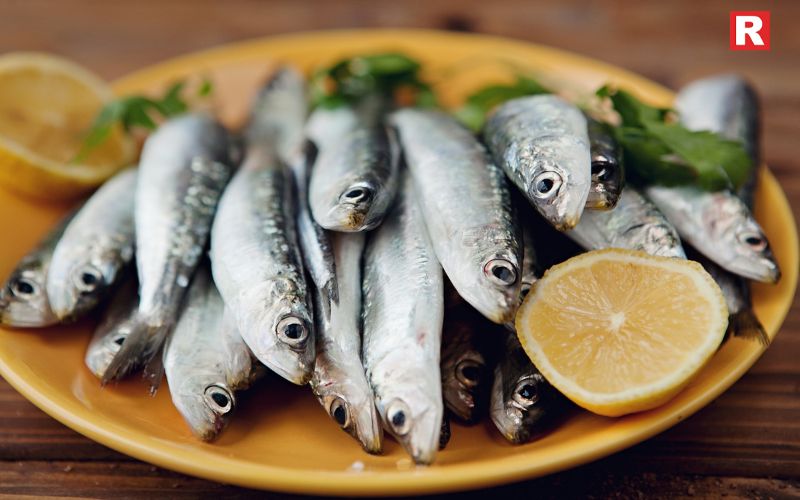
- Key minerals: Calcium, Phosphorus, Selenium
Sardines are one of the most nutrient-dense seafood options, delivering a powerful mineral boost in a compact form. Eaten whole — including the bones — they provide an exceptional source of calcium, phosphorus, and selenium. These small, oily fish were a dietary staple along Mediterranean and coastal communities for centuries due to their abundance and affordability. They also provide omega-3 fatty acids, which complement their mineral content in supporting heart health and reducing inflammation. Unlike larger fish, sardines are low on the food chain and therefore have lower levels of mercury, making them safer for regular consumption. In addition to being canned in oil or brine for convenience, they can be grilled, smoked, or preserved in sauces. Their combination of high-quality protein and minerals makes them a true whole-food option for sustainable nutrition.
- Why it works: Eating the whole fish gives you a combination of protein and minerals that’s hard to match.
- How to eat: Try them grilled or mixed into pasta with olive oil and herbs.
5. Dried Figs – Sweet and Strong

- Key minerals: Calcium, Iron, Potassium
Dried figs are one of nature’s oldest preserved fruits, prized for both their sweetness and their dense nutrient profile. They are particularly high in calcium, potassium, and iron, making them beneficial for bone health, blood circulation, and maintaining fluid balance. Historically, figs were sun-dried to ensure a year-round food supply in arid regions like the Middle East and Mediterranean. Their natural sugars provide quick energy, which made them a valuable food for travellers and labourers. Beyond minerals, figs contain soluble fibre that supports digestion and gut health. Their high potassium content helps counteract excess sodium in modern diets, supporting healthy blood pressure levels. Whether eaten plain or added to breads and salads, dried figs deliver a satisfying sweetness paired with tangible health benefits, making them a natural functional snack.
- Why it works: Their natural sugars give quick energy, while the minerals work in the background to keep your body balanced.
- How to eat: Eat them as a snack, or chop and mix into yogurt or oatmeal.
Also check: Top 5 States With the Spiciest Food in India
6. Nori (Seaweed Sheets) – Ocean’s Mineral Gift
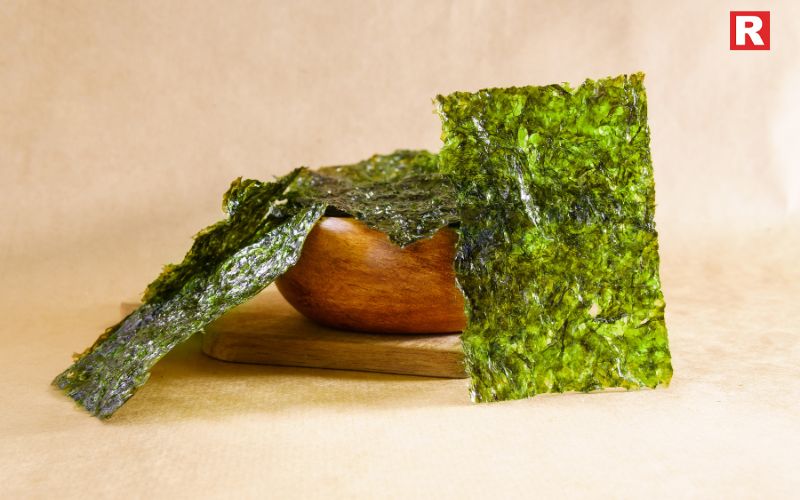
- Key minerals: Iodine, Magnesium, Iron
Nori, the thin sheets of dried seaweed familiar from sushi rolls, is a powerhouse of trace minerals that many land-based foods cannot match. Rich in iodine, magnesium, and iron, nori has been part of East Asian diets for centuries, contributing to the low rates of iodine deficiency in these regions. Iodine plays a critical role in thyroid hormone production, which regulates metabolism, energy levels, and growth. Nori also offers plant-based iron, which, when consumed with vitamin C-rich foods, can help improve absorption. Its umami flavour comes from naturally occurring glutamates, enhancing the taste of dishes without excessive salt. Beyond sushi, nori can be toasted and crumbled over rice, noodles, or vegetables, delivering both flavour and valuable nutrients. As an ocean-derived food, it represents a unique bridge between marine resources and human nutrition.
- Why it works: Just one sheet can contribute to your iodine needs for the day.
- How to eat: Wrap around rice, crumble over salads, or snack on plain roasted sheets.
7. Beet Greens – The Part You Throw Away
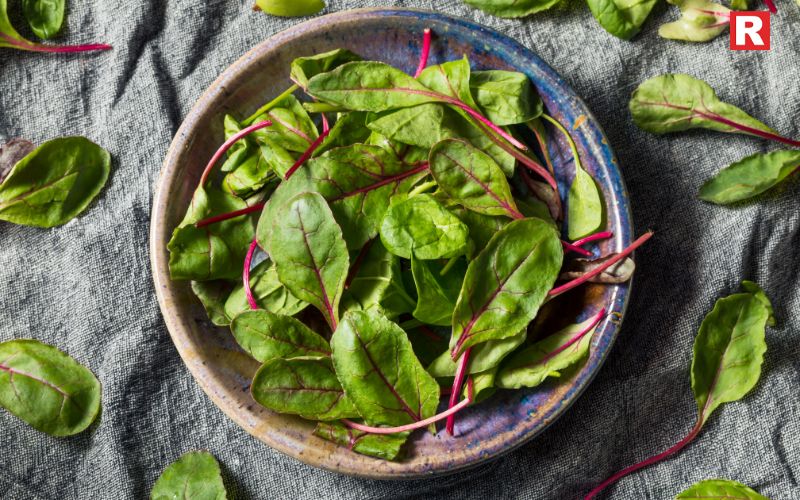
- Key minerals: Magnesium, Calcium, Iron
Beet greens are often overlooked and discarded, despite being richer in certain minerals than the beetroot itself. These leafy tops are high in magnesium, calcium, and iron, all of which are essential for energy metabolism, muscle function, and bone strength. In many traditional cuisines, especially in Eastern Europe and parts of Asia, beet greens were used in soups, sautés, and pies to make the most of the entire plant. Their earthy, slightly bitter flavour pairs well with garlic, onions, and citrus, which can enhance mineral absorption. Eating beet greens regularly can help replenish mineral reserves, especially for those with increased needs due to physical activity or stress. Incorporating them into the diet not only reduces food waste but also reintroduces a forgotten source of concentrated, plant-based minerals.
- Why it works: Beet greens also contain iron for healthy red blood cells.
- How to eat: Sauté with onions and olive oil or mix into omelettes.
8. Tahini – The Creamy Mineral Spread

- Key minerals: Calcium, Magnesium, Phosphorus
Tahini, a paste made from ground sesame seeds, is a staple in Middle Eastern and Mediterranean cuisines. Beyond its rich, nutty flavour, it delivers substantial amounts of calcium, magnesium, and phosphorus, making it a plant-based ally for bone health and cellular function. Sesame seeds are particularly dense in minerals due to their high oil content, which aids in nutrient preservation. Grinding them into tahini increases their digestibility, allowing the body to absorb minerals more effectively. In traditional diets, tahini is enjoyed in dips like hummus, drizzled over vegetables, or blended into sauces. Its combination of healthy fats, protein, and minerals makes it both satiating and nourishing. Regular consumption of tahini can help fill mineral gaps in vegetarian or dairy-free diets while adding depth and creaminess to savoury and sweet dishes.
- Why it works: Sesame seeds are tiny, but when ground, the minerals are easier for your body to absorb.
- How to eat: Spread on toast, whisk into salad dressings, or blend into hummus.
9. Shiitake Mushrooms – The Earthy Boost
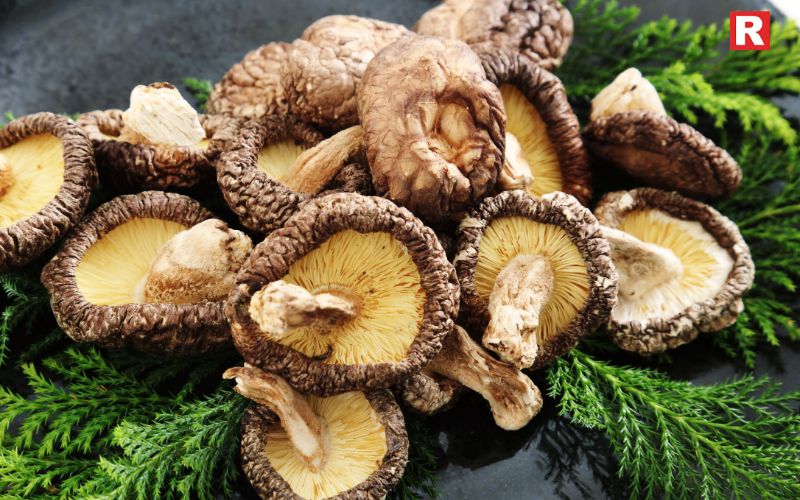
- Key minerals: Copper, Selenium, Zinc
Shiitake mushrooms, long valued in East Asian medicine and cuisine, are not just a source of rich, earthy flavour — they are also an excellent provider of copper, selenium, and zinc. These minerals contribute to immune resilience, antioxidant defense, and tissue repair. Shiitakes also contain bioactive compounds like lentinan, which has been studied for its immune-supporting properties. Traditionally grown on hardwood logs, these mushrooms were reserved for special meals in Japan and China, symbolising longevity and vitality. Modern cultivation has made them more widely available while preserving their nutrient content. Incorporating shiitake mushrooms into the diet not only boosts mineral intake but also offers unique phytochemicals rarely found in other foods. They can be sautéed, roasted, or simmered in broths to release both their nutrients and their savoury depth.
- Why it works: They also contain compounds that may help lower cholesterol and support heart health.
- How to eat: Add to stir-fries, soups, or grill with a touch of olive oil.
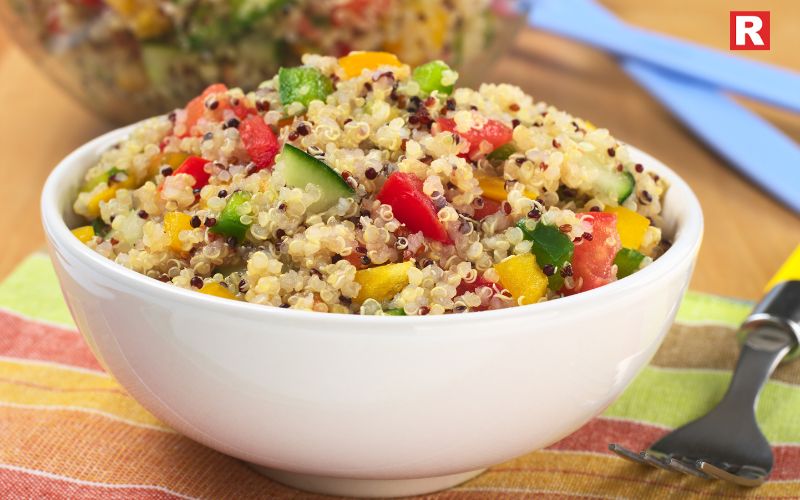
10. Quinoa – The Mineral Grain
- Key minerals: Magnesium, Manganese, Phosphorus
Quinoa, native to the Andean highlands, is a seed often used as a grain substitute due to its soft texture and mild, nutty flavour. It stands out nutritionally because it is a complete protein while also providing a rich mix of minerals, including magnesium, manganese, and phosphorus. Magnesium supports muscle relaxation and nerve transmission, manganese functions as an antioxidant cofactor, and phosphorus contributes to energy metabolism. Historically, quinoa was considered sacred by the Inca civilisation, who relied on it as a staple crop in the harsh mountain climate. Its natural resilience allows it to grow in poor soil conditions with minimal water, making it a sustainable choice for modern agriculture. As a versatile food, quinoa adapts to savoury or sweet preparations, delivering both energy and essential minerals in one serving.
- Why it works: It’s versatile, easy to cook, and pairs with almost any meal.
- How to eat: Use in place of rice, mix into salads, or make a breakfast porridge with fruits.
Why Natural Foods Beat Supplements
While supplements can help in specific cases, natural foods offer more than just isolated minerals. They come with other nutrients, fibre, and plant compounds that work together for better absorption. For example, the vitamin C in amaranth leaves helps your body absorb its iron more effectively.
Check more: 7 Healthy Chicken Dishes to Maintain Your Diet
Top 10 Health Benefits of Eating Dry Fruits Daily
7 Protein-Rich Vegan Foods That Pack a Punch – No Meat, No Problem!
Tips to Absorb Minerals Better
- Pair iron-rich foods with vitamin C sources like lemon or berries.
- Soak nuts and seeds to reduce compounds that block mineral absorption.
- Cook certain greens to reduce oxalates and unlock more minerals.
Signs You Might Be Low in Minerals
- Constant tiredness
- Muscle cramps
- Brittle nails
- Frequent colds
- Mood changes
If you notice these, adding more of these foods to your diet could help.
Replace Your Pill!
You don’t need exotic supplements to meet your mineral needs. You just need to be mindful about adding foods like amaranth leaves, pumpkin seeds, blackstrap molasses, sardines, dried figs, nori, beet greens, tahini, shiitake mushrooms, and quinoa to your meals. Start small—maybe swap your usual snack for pumpkin seeds, or add tahini to your sandwich. Over time, these little changes can make a big difference to your health, energy, and mood.
Saptopriya Ghosal
Feature Writer
I am a dedicated media professional with a bachelor's degree in mass communication from the State University of Calcutta and a postgraduate degree from Amity University. My academic journey has equipped me with a profound understanding of storytelling and communication. Passionate about the dynamic world of media, I continually strive to explore new ways to engage and inform through compelling narratives.



































































































































































