These 7 Desserts Restaurants Are Putting in the Spotlight This Festive Season
The strongest festive desserts are those that taste balanced, work within the kitchen's operations, justify their selling price and give customers a reason to remember the meal after the last bite.

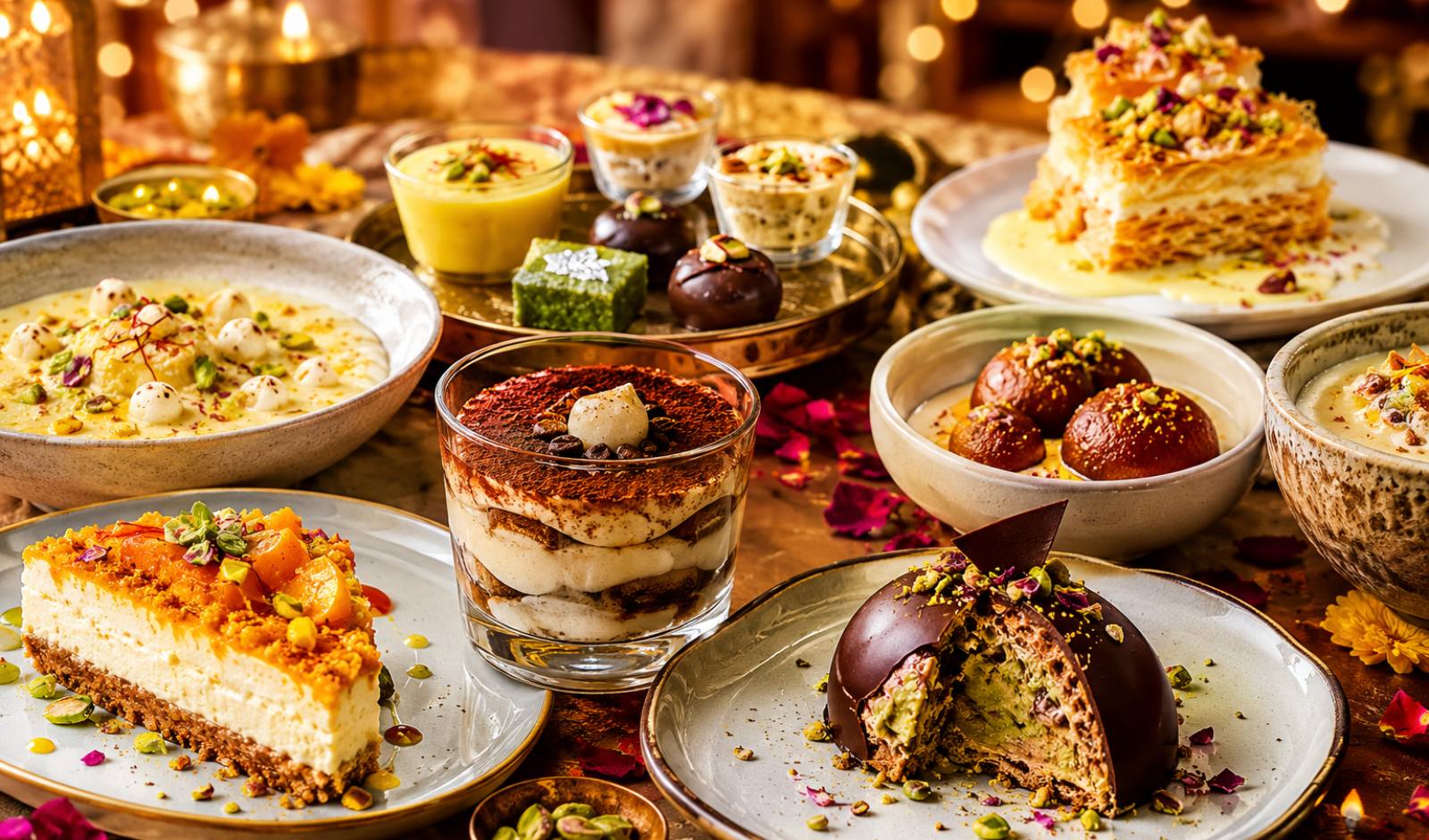
India's festive season is giving restaurants another reason to rethink their dessert menus. While gulab jamun, kheer and ladoo remain familiar favourites, chefs are finding new ways to present these flavours through modern pastry techniques, contrasting textures and global dessert formats. From motichoor ladoo cheesecake to coffee rasgulla tiramisu, the focus is shifting towards desserts that combine familiarity with surprise. For restaurants, these creations can also help introduce limited-period menus, encourage customers to try something new and create memorable endings to festive meals. The opportunity lies in more than presentation. A successful festive dessert must balance sweetness, texture, preparation time, ingredient costs and consistency across service. Here are seven dessert concepts worth watching this festive season, along with the culinary techniques and restaurant opportunities behind them.
7 Desserts Restaurants Are Putting in the Spotlight
1. Motichoor Ladoo Cheesecake Brings Indian Mithai to Modern Pastry
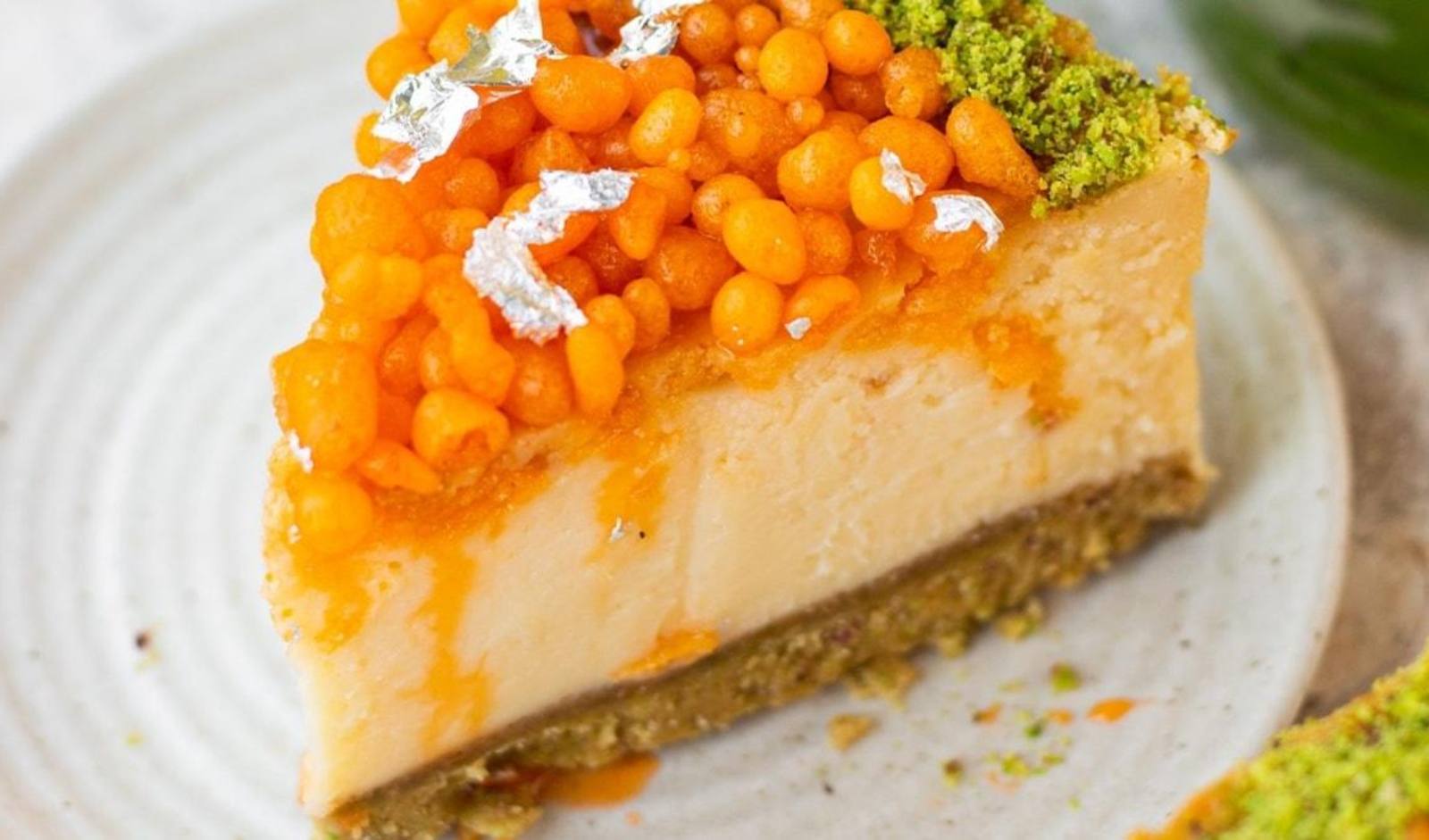
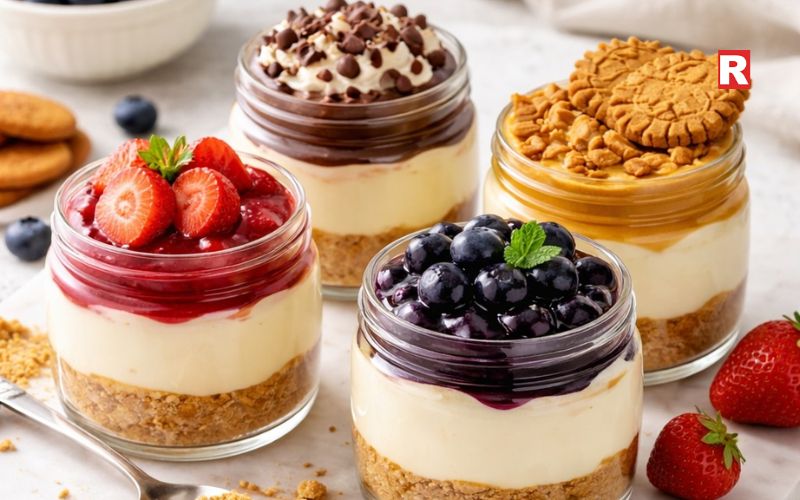
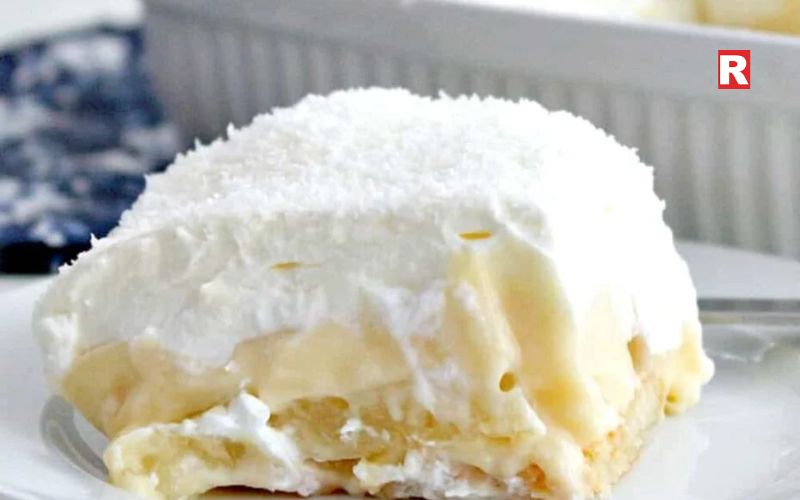
Motichoor ladoo and cheesecake come from different dessert traditions, but their flavours can work together when sweetness and texture are carefully balanced. The ladoo brings its familiar orange boondi, ghee-rich character and cardamom notes, while cheesecake contributes a creamy texture and mild tanginess. Restaurants can build this dessert using a biscuit base, cream cheese filling, a measured quantity of motichoor crumbs and a saffron-infused topping. A few strands of saffron or crushed pistachios can add aroma and colour without making the plate unnecessarily elaborate. The main technical challenge is sweetness management. Motichoor ladoo already contains sugar syrup, so adding a heavily sweetened cheesecake filling can make the dessert overwhelming. A less-sweet filling and a controlled amount of ladoo are essential to maintaining balance. For restaurant operators, the format also offers flexibility. Individual portions can be prepared ahead, chilled and finished during service, making the dessert suitable for festive dining menus and café counters.
- What makes it interesting: It turns a recognisable Indian sweet into a contemporary dessert without removing the flavour that makes it familiar.
2. Coffee Rasgulla Tiramisu Gives a Global Classic an Indian Twist
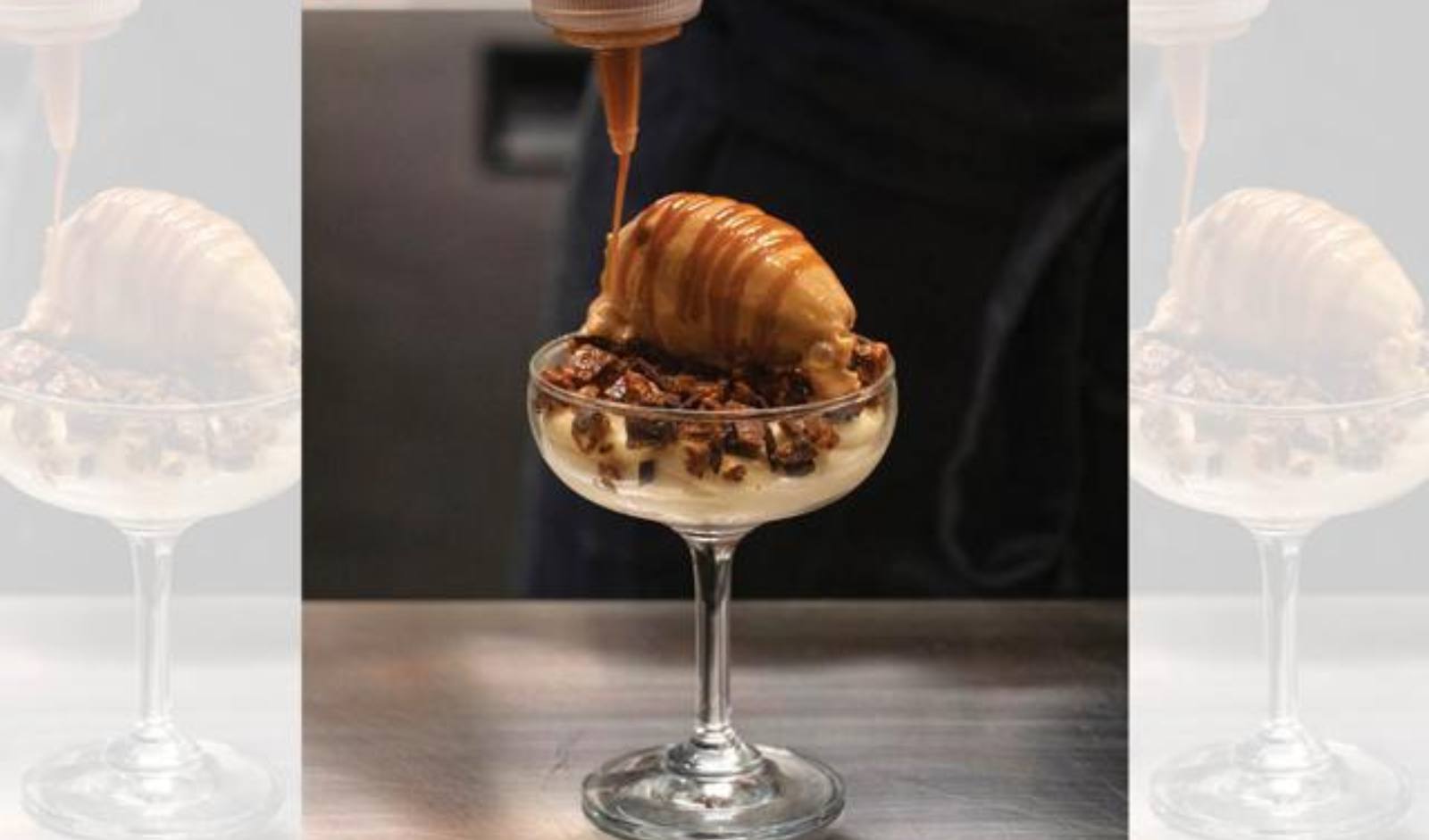
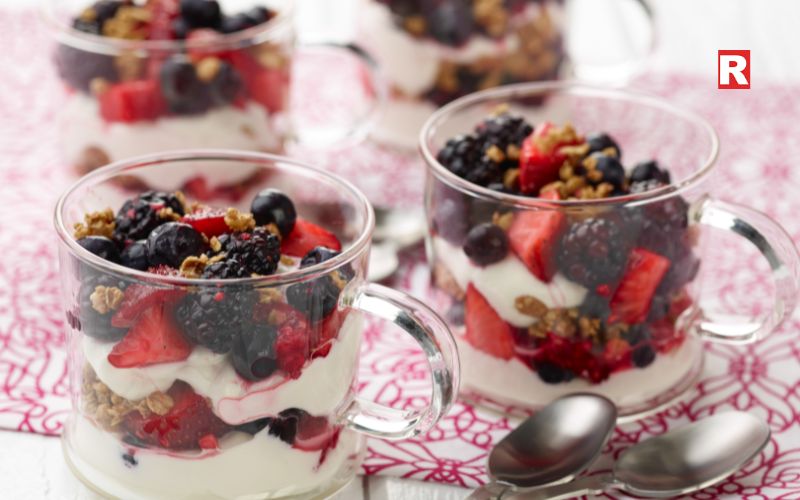
Tiramisu is known for its coffee-soaked layers and creamy mascarpone filling. Rasgulla, meanwhile, has a soft chenna texture and a syrup-based preparation. Bringing the two together creates an unusual combination of coffee bitterness, dairy richness and Indian sweetness. Bombay Sweet Shop has featured a Coffee Rasgulla Tiramisu, providing a real-world reference for the fusion concept. The preparation requires more care than simply placing rasgulla inside a tiramisu. Rasgulla must be drained properly so that excess syrup does not dilute the cream or make the layers watery. The coffee element should provide contrast without overpowering the delicate flavour of chenna. Restaurants can serve the dessert in individual glasses or as a layered plated portion. Transparent glassware also makes the construction visible, allowing diners to appreciate the contrast between the cream and the sweet. For businesses, the concept demonstrates how a familiar international dessert can be adapted using an Indian ingredient. It may appeal to diners who want something recognisable but different from the usual festive mithai selection.
- What makes it interesting: The dessert brings together two distinct preparation methods, making texture control as important as flavour.
3. Pistachio Kunafa Chocolate Dessert Moves Beyond the Viral Chocolate Bar
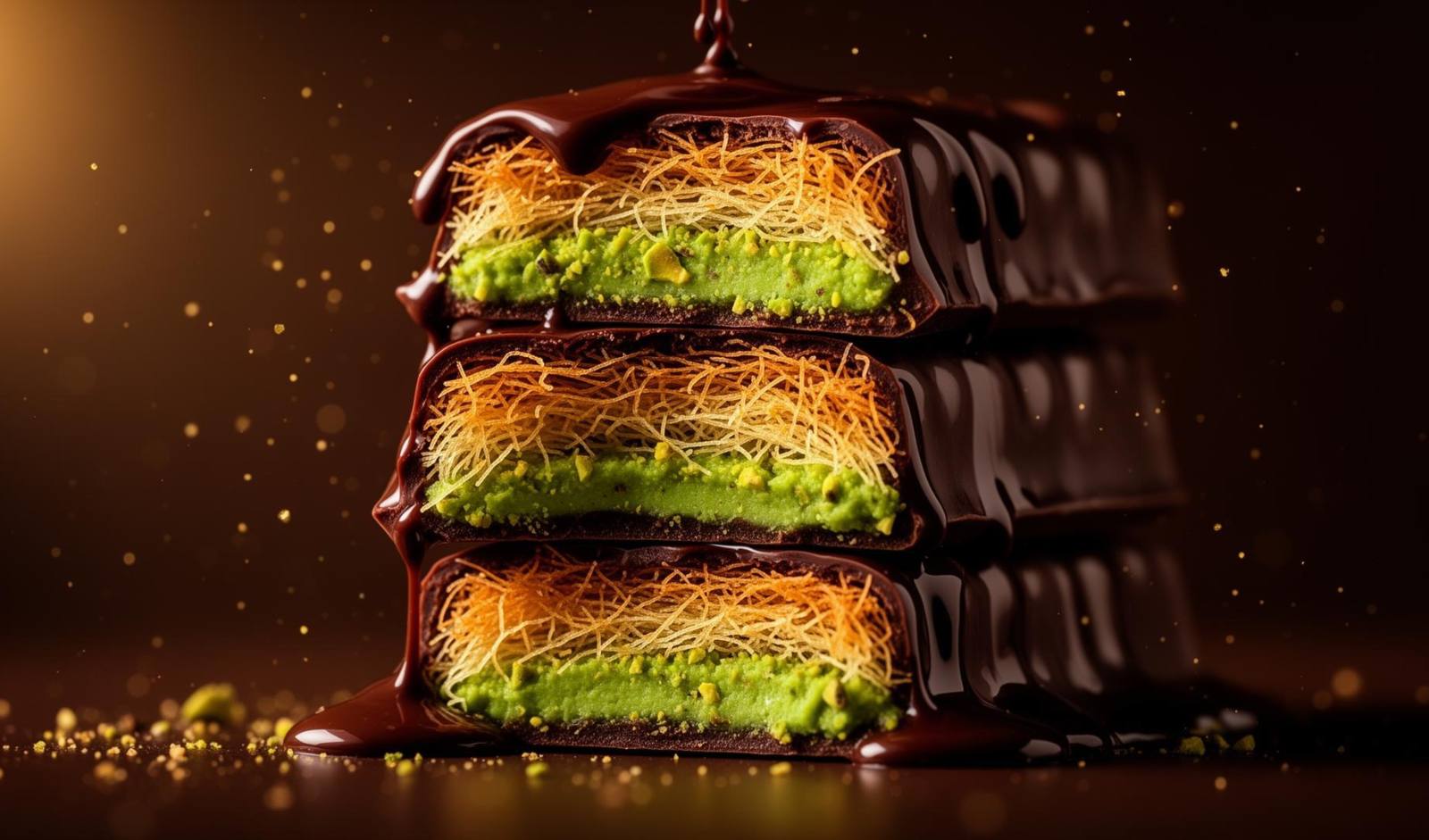
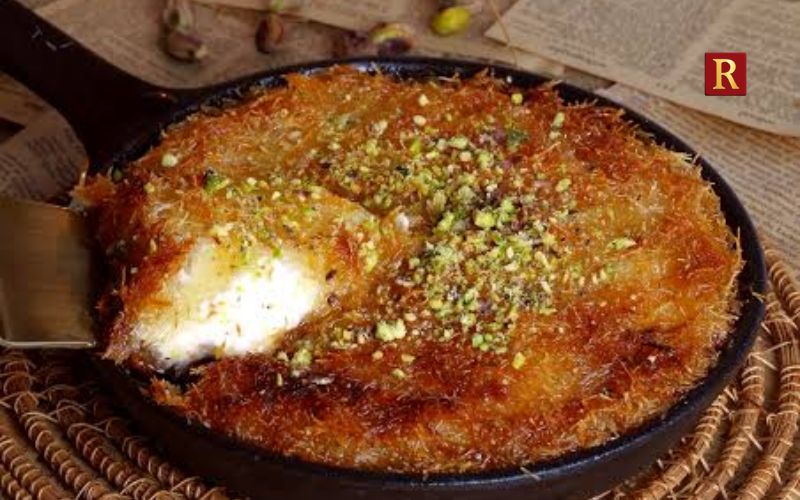
The pistachio-and-kunafa combination has become recognisable through the popularity of Dubai-style chocolate. For restaurants, the next opportunity is to move beyond the chocolate bar and use the same combination of crunchy pastry, nutty filling and rich chocolate in a plated dessert. The concept combines crisp kataifi pastry, pistachio cream and chocolate ganache. A restaurant could serve it as a layered chocolate dome, a compact pastry or a warm dessert with a crisp centre. The objective is to create a clear contrast between the crunchy pastry and smooth pistachio filling. However, maintaining that contrast requires careful preparation. Moisture from the filling can soften the pastry, particularly when the dessert is assembled well before service. Restaurants need to control storage conditions and assemble certain components closer to serving time. Ingredient costs are another consideration. Pistachios can be expensive, and a generous filling can quickly increase the cost per portion. Standardised recipes and controlled portion sizes help restaurants maintain consistency without compromising the experience. The creative opportunity lies in making the dessert distinctive. Instead of copying an existing viral product, chefs can experiment with Indian pistachio sweets, cardamom, saffron or a less-sweet chocolate base.
- What makes it interesting: A viral flavour combination becomes more valuable when a restaurant turns it into a well-executed signature dessert rather than another imitation.
4. Warm Gulab Jamun with Saffron Rabri Adds a Restaurant-Style Finish
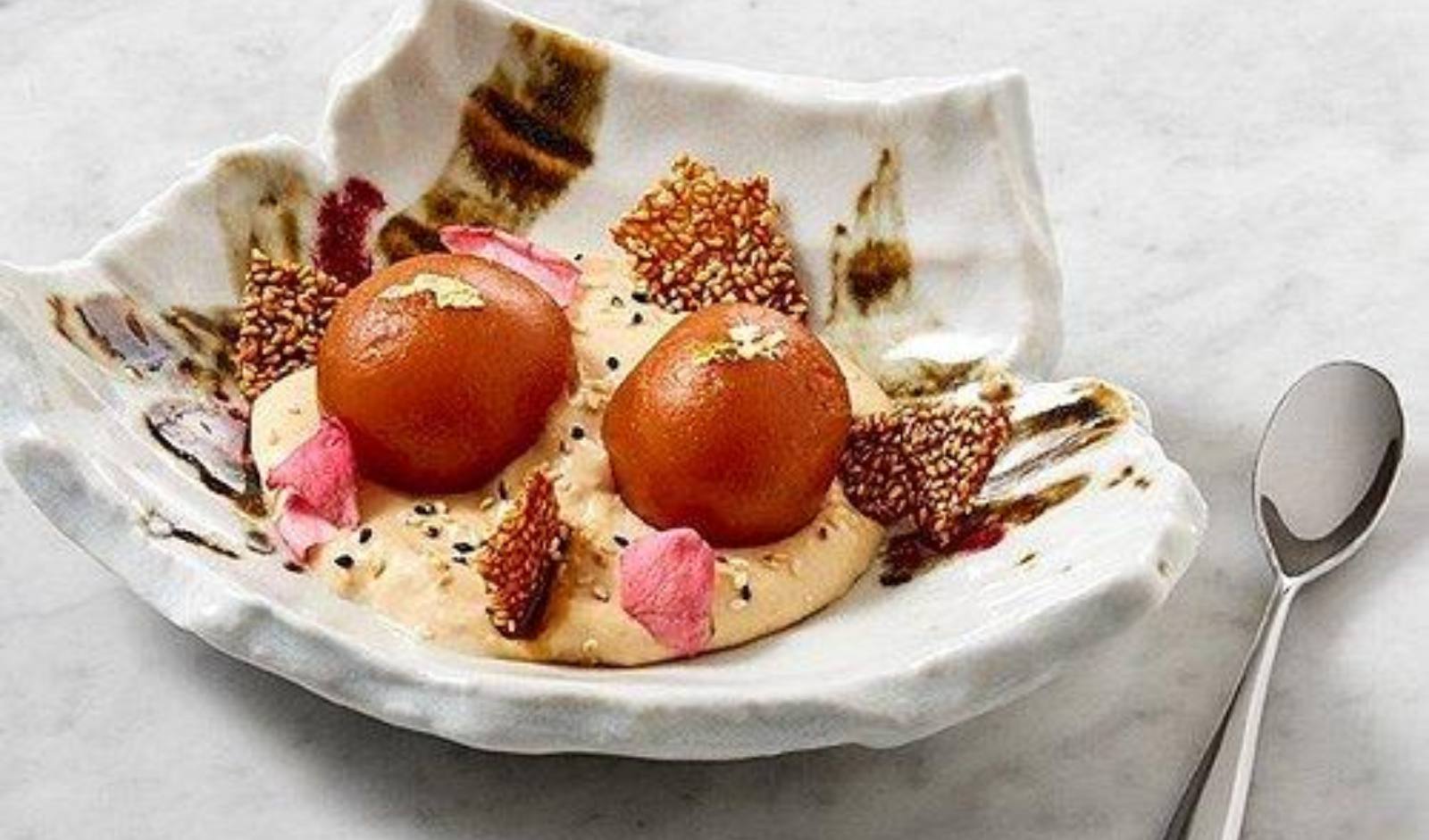
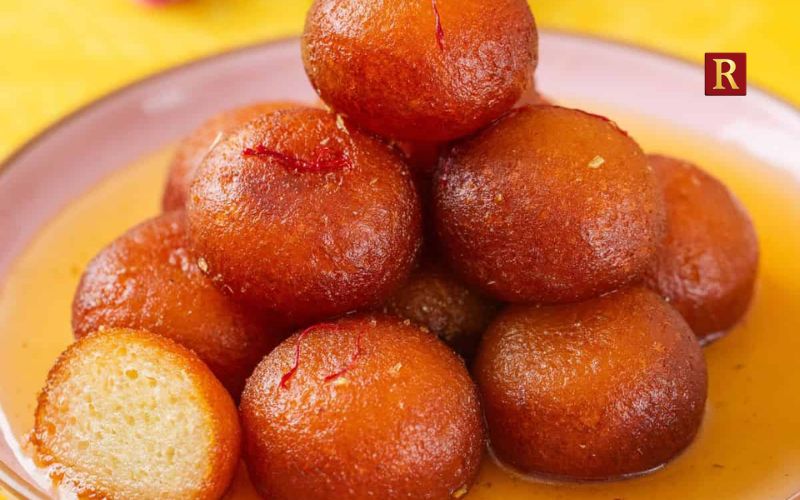
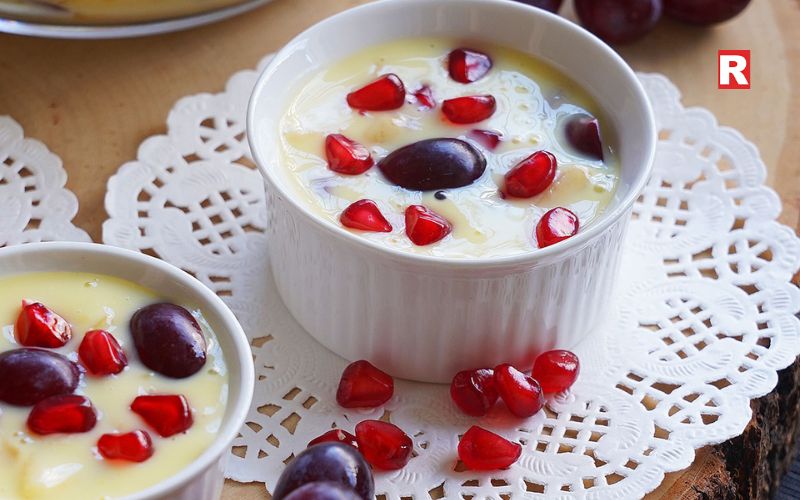
Gulab jamun remains a familiar choice during Indian celebrations, but its presentation can change the way diners experience it. Instead of serving the sweet in syrup alone, restaurants can pair warm gulab jamun with saffron rabri and a crisp almond or pistachio element. The combination works because each component brings something different. Gulab jamun provides a soft, syrup-soaked centre, rabri contributes a rich milk flavour, and praline adds crunch. The contrast between the warm sweet and cooler rabri can make the dessert feel more composed without requiring an entirely new recipe. Execution is critical. Gulab jamun should be heated evenly without becoming excessively soft, while the rabri must have enough body to remain on the plate. Too much syrup can overwhelm the milk component and make the dessert excessively sweet. Restaurants can also manage food costs by serving one or two appropriately sized gulab jamuns with a measured quantity of rabri. This allows the kitchen to retain the familiar dessert while improving presentation and portion consistency. The format works particularly well for hotel restaurants, premium casual-dining outlets and festive set menus where diners expect a recognisable sweet with a little more attention to detail.
- What makes it interesting: The innovation comes from temperature, texture and plating rather than unnecessary flavour combinations.
5. The Mini Mithai Tasting Flight Makes Variety Part of the Experience
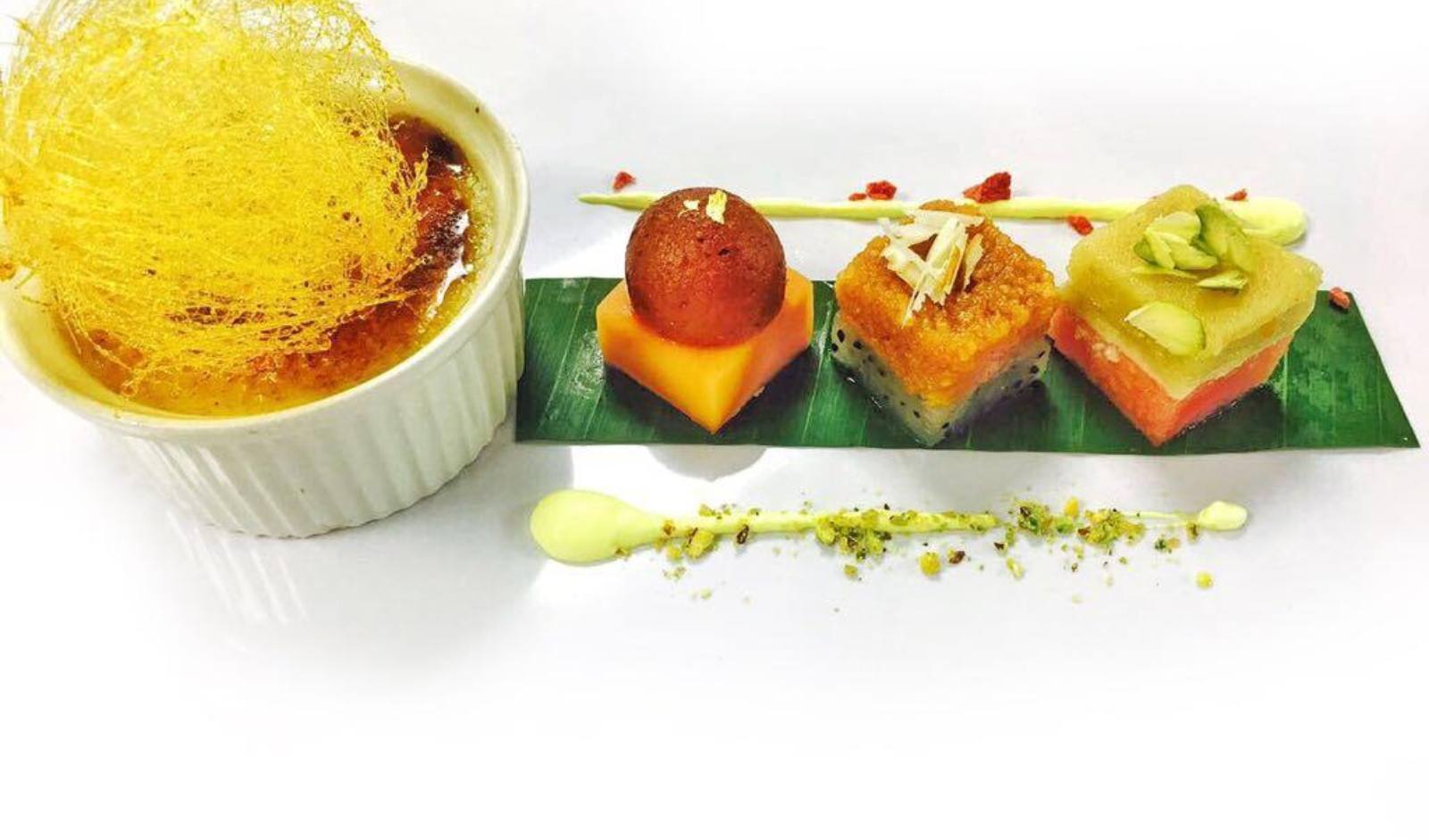
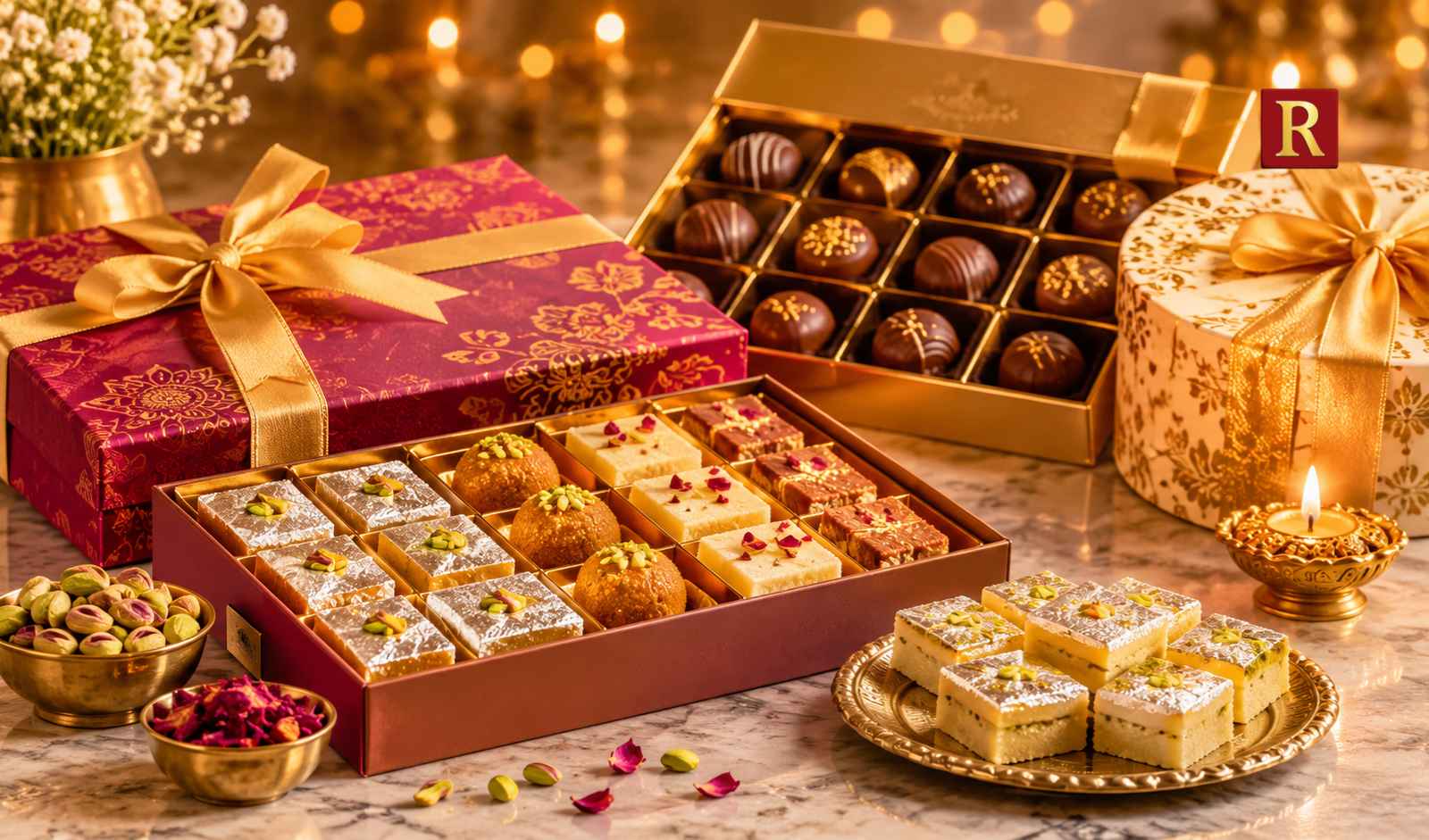
Festive meals often end with a familiar question: should diners choose one dessert or try several? A mini mithai tasting flight offers an alternative by presenting a small selection of sweets in one curated serving. A restaurant could build a flight around three to five contrasting desserts, such as kesar phirni, pistachio burfi, chocolate peda and a seasonal fruit-based sweet. The selection can combine traditional recipes with contemporary interpretations, giving diners a broader experience without requiring full-sized portions. The concept also creates an opportunity to introduce regional Indian sweets that customers might not order individually. A lesser-known sweet can sit alongside a familiar favourite, making experimentation feel less risky. For restaurant operators, portion control is central to the format. Each component needs a standard serving size, a defined presentation and a preparation process that fits the kitchen's existing workflow. Miniature desserts can require more assembly time per serving, so the labour involved must be considered alongside ingredient costs. The format also works for group dining and festive sharing menus. Restaurants can offer a common platter for a table or a tasting flight designed for individual diners. A 2025 report on eateries in Pune and Mumbai highlighted smaller festive sweets and sampler-style offerings as alternatives to oversized portions.
- What makes it interesting: A tasting flight can help restaurants showcase variety, introduce unfamiliar flavours and create a structured dessert experience.
6. Saffron Pheni Milk Cake Gives a Traditional Ingredient a New Role
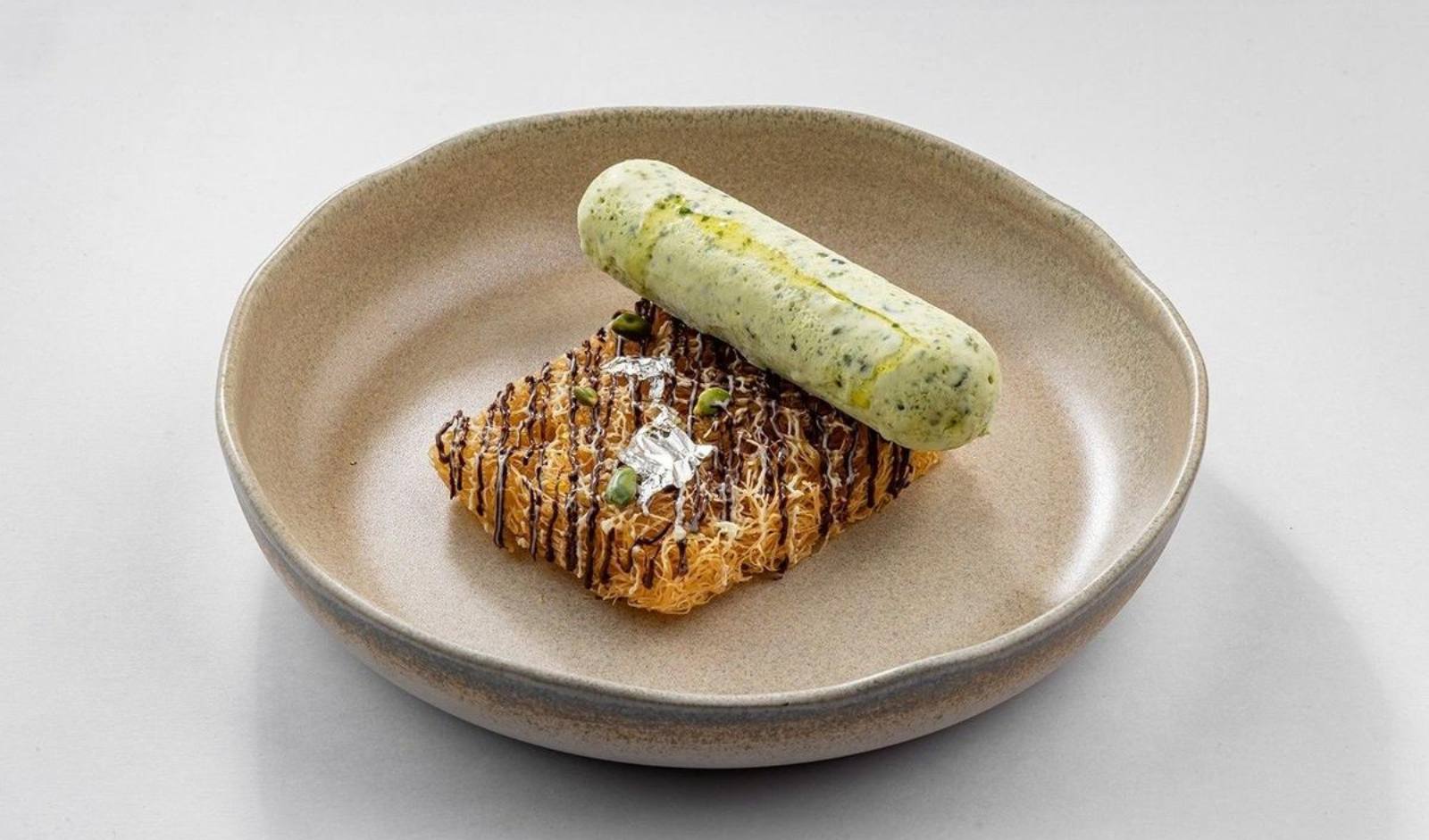
Pheni, made from fine, delicate strands, is associated with festive eating in several parts of India. Its texture and ability to absorb milk-based flavours make it an interesting starting point for a modern restaurant dessert. One possible interpretation is a saffron pheni milk cake, combining a soft milk-based layer with crisped pheni, saffron cream and a restrained pistachio garnish. Rather than serving the ingredient in its traditional form, the chef uses its texture to create a dessert with distinct layers. The main technical challenge is moisture management. Fine pastry strands can lose their crispness when they come into contact with cream or syrup. Restaurants would need to test the timing of assembly, the consistency of the milk cake and the amount of liquid used. There is also an opportunity to tell a more specific food story. Instead of presenting another generic festive pastry, restaurants can explain the ingredient's regional associations and how the kitchen has adapted it. This dessert should be treated as a creative menu concept unless a restaurant or chef confirms an actual offering. That distinction matters when an article discusses dishes that are being developed rather than already served commercially.
- What makes it interesting: It puts a traditional ingredient at the centre of the dessert instead of using it merely as a garnish.
7. Sweet Potato and Makhana Kheer Brings Seasonal Indian Ingredients into Festive Dining
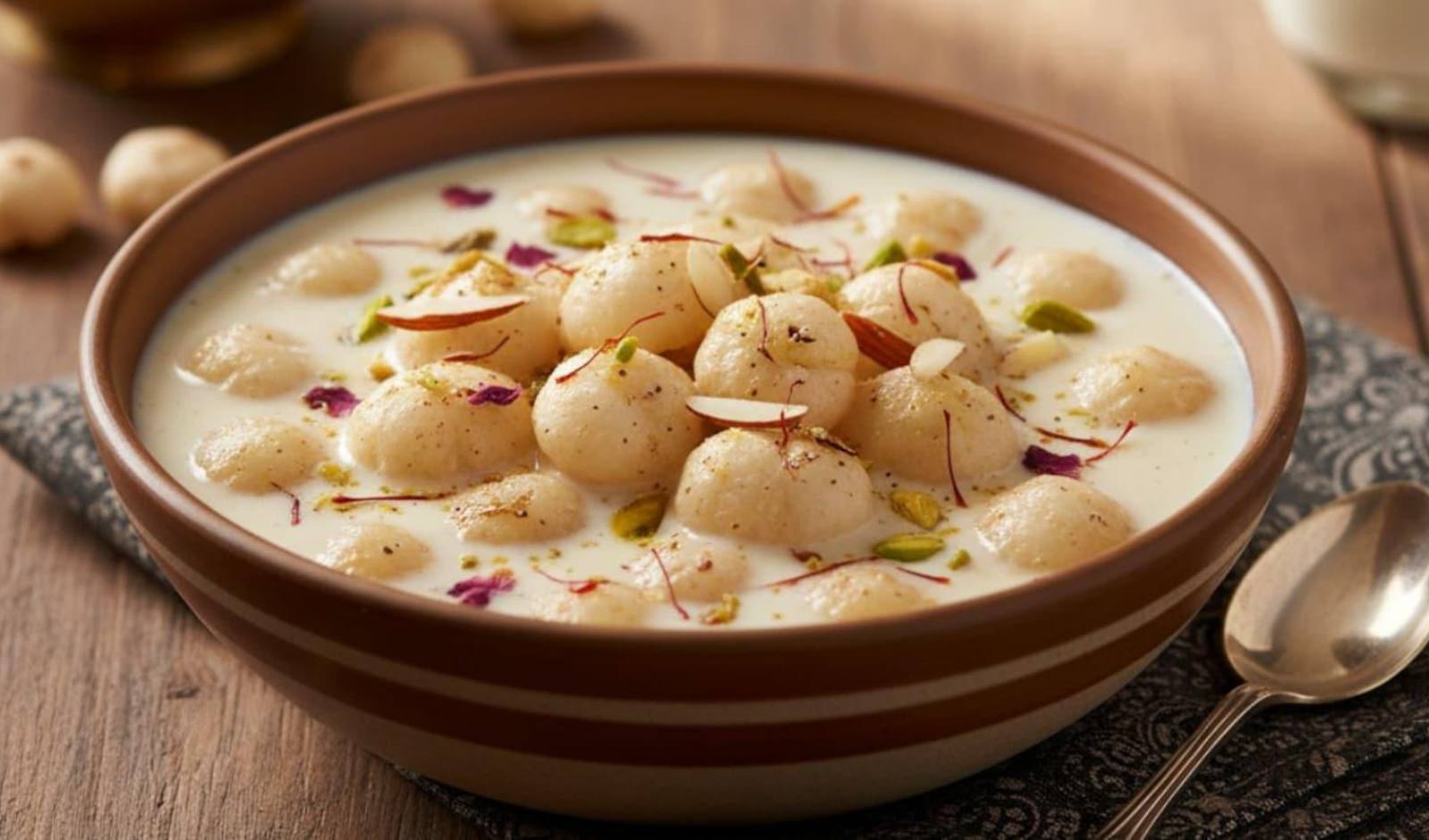
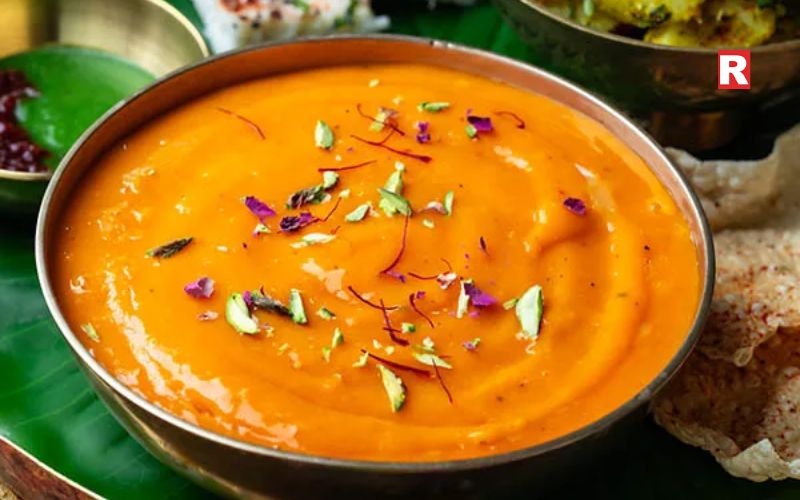
Festive desserts do not always need elaborate pastry, imported chocolate or expensive nut fillings. Sweet potato and makhana kheer offers another direction by building on ingredients familiar to Indian kitchens. Sweet potato contributes natural sweetness and a soft texture, while makhana, or fox nuts, can add a contrasting bite. Milk, cardamom and saffron help create a familiar flavour profile that fits festive dining. The recipe needs careful handling to avoid becoming too heavy. The amount of added sugar should reflect the natural sweetness of the sweet potato, and the consistency should remain creamy without becoming overly thick. Makhana can be prepared separately and added at the right stage to preserve some texture. The dessert can also be adapted for menus that accommodate particular fasting traditions, but restaurants must verify the ingredients and preparation method against the relevant dietary requirements rather than assuming that every version is suitable. Chef Sanjeev Kapoor has shared a makhana and sweet potato kheer as a Navratri recipe, providing a reference for the combination. For restaurants, this approach offers a way to build a seasonal dessert around familiar ingredients while controlling complexity in the kitchen.
- What makes it interesting: The dessert demonstrates how regional ingredients and traditional flavours can create a fresh menu proposition without relying on a viral trend.
What Restaurants Should Consider Before Adding Festive Desserts
A dessert can attract attention on a menu but still create operational challenges. Before introducing a festive special, restaurant teams should evaluate the following factors.
- Ingredient cost: Calculate the cost of every component, including garnishes, sauces and toppings, rather than estimating the cost from the main ingredient alone.
- Portion size: Standardise the weight or volume of each serving to protect margins and ensure consistency.
- Preparation time: Identify which components can be prepared ahead and which need to be finished during service.
- Texture and storage: Test whether crisp elements stay crisp and creamy or syrup-based elements maintain their intended consistency.
- Menu fit: Match the dessert to the restaurant's positioning, price range, customer preferences and kitchen capabilities.
- Delivery performance: Test packaging and transit conditions before offering layered or temperature-sensitive desserts through delivery channels.
- Seasonal availability: Confirm ingredient supply, expected demand and the period for which the dessert will remain on the menu.
Restaurants should also measure how each special performs. Sales per day, contribution margin, customer feedback, repeat orders and preparation time can help determine whether a festive dessert deserves a place on the permanent menu.
The Bottom Line
The festive dessert opportunity lies in finding the right balance between familiarity and experimentation. Motichoor ladoo cheesecake and coffee rasgulla tiramisu bring Indian sweets into contemporary formats, while pistachio kunafa chocolate desserts build on a recognisable global flavour combination. Gulab jamun with rabri shows how a traditional sweet can benefit from thoughtful execution, and mithai tasting flights offer diners more variety in smaller portions. Other concepts, such as saffron pheni milk cake and sweet potato makhana kheer, demonstrate how traditional ingredients can inspire new menu ideas without losing their cultural connection. For restaurants, the objective should not be to introduce novelty for its own sake. The strongest festive desserts are those that taste balanced, work within the kitchen's operations, justify their selling price and give customers a reason to remember the meal after the last bite.
Saptopriya Ghosal
Feature Writer
I am a dedicated media professional with a bachelor's degree in mass communication from the State University of Calcutta and a postgraduate degree from Amity University. My academic journey has equipped me with a profound understanding of storytelling and communication. Passionate about the dynamic world of media, I continually strive to explore new ways to engage and inform through compelling narratives.