
The Winning Formula: What's Driving Growth for Global QSRs in India
Companies are investing in technology, loyalty ecosystems, data analytics and omnichannel experiences to improve customer lifetime value rather than focusing solely on increasing transaction volumes.

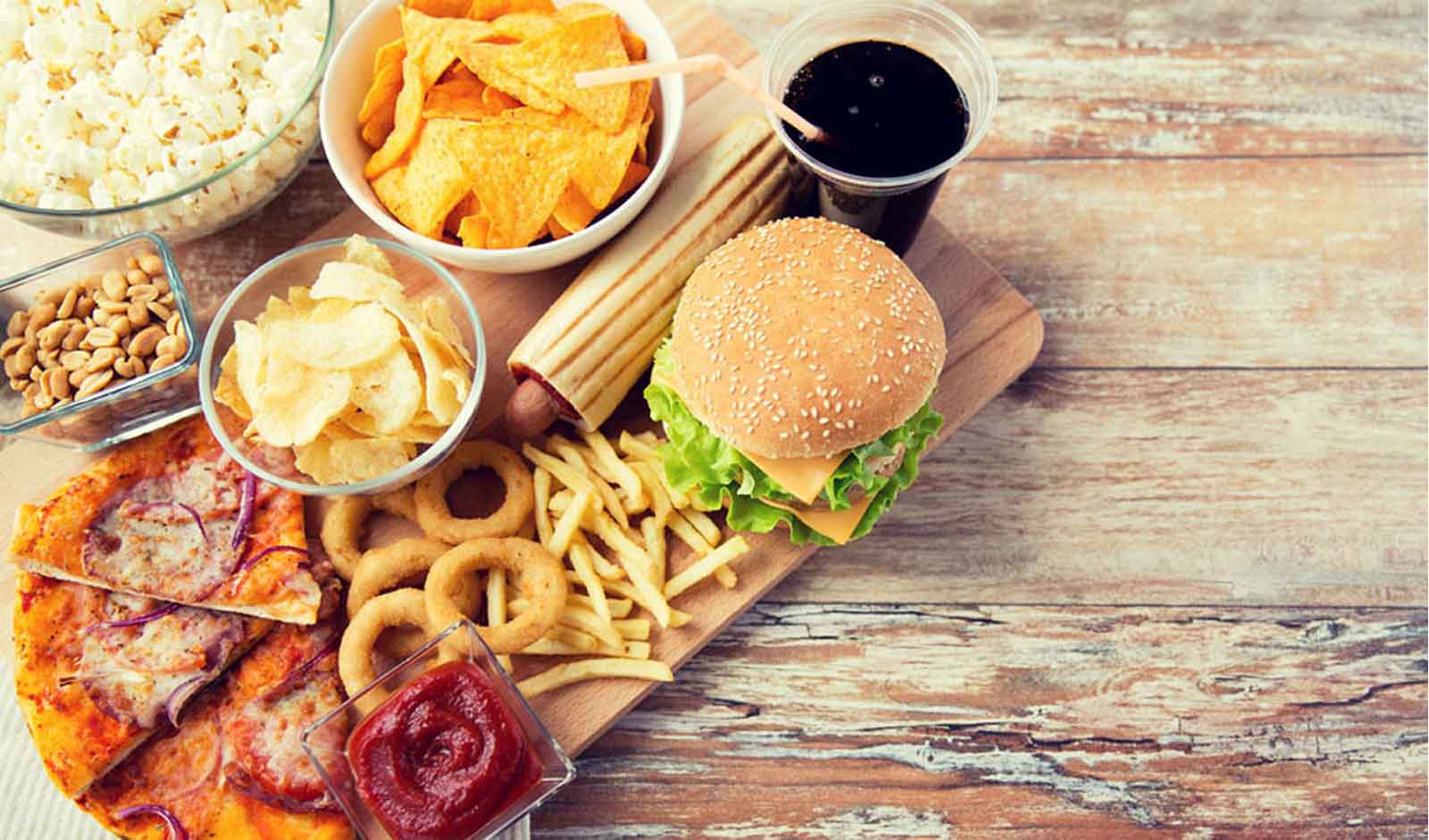
After nearly two years of battling inflation, cautious consumer spending and pressure on margins, India's quick-service restaurant (QSR) industry is showing clear signs of a turnaround. Growing at a CAGR of 9.26% over 2026-2031, the QSR segment is set to reach USD 47.28 billion by 2031, with digital orders now driving 70% of the growth in the segment.
The latest quarterly performances from Westlife Foodworld (McDonald's West & South India), Devyani International (KFC and Pizza Hut) and Restaurant Brands Asia that operats Burger King India indicate that the industry is moving beyond recovery and into a phase of sustainable, profitable growth. While each company operates different brands and follows its own strategy, their results reveal striking similarities: stronger same-store sales, improving profitability, disciplined restaurant expansion and an increasing reliance on digital ecosystems.
Same-store Sales is Back
One of the strongest indicators of a healthy restaurant business is Same-Store Sales Growth that reflects the performance of existing restaurants rather than growth driven solely by new outlets.
Restaurant Brands Asia, that operates Burger King in India, posted an impressive 12.6 percent same-store sale, its highest in the last fifteen quarters. Westlife Foodworld reported 4.3 percent, with May and June delivering consistent mid-single-digit growth, while Devyani International's KFC business registered 3.3 percent same-store sales growth, reflecting improving consumer demand across established restaurants.
The numbers suggest that customers are returning to restaurants with greater frequency, a positive sign for an industry that has spent the past few years navigating changing consumption patterns.
Though, affordability continues to remain at the heart of India's QSR growth but brands are now approaching value more strategically than ever before. McDonald's and KFC credited its Rs 99 Everyday Value platform for driving guest traffic during the quarter, while operators across the sector continue to invest in value meals and bundled offerings that attract consumers without significantly eroding profitability.
There’s no denying that consumers are looking for affordable dining experiences but at the same time they are not ready to compromise on convenience, quality or consistency. Rather than relying on aggressive discounting, leading QSR brands are building long-term value propositions that encourage repeat visits and higher customer loyalty.
“As we celebrate 30 years of McDonald's in India, we remain focused on delivering great value, expanding accessibility and driving sustainable growth through our omnichannel platform and restaurant expansion strategy,” shared Amit Jatia, Chairperson, Westlife Foodworld Limited while releasing the result.
Profitability is Driven by Convenience
If affordability is bringing customers through the door, digital platforms are ensuring they stay engaged. Westlife Foodworld reported that 74 percent of its sales now come through digital channels, while the McDonald's app ecosystem has crossed 55 million cumulative downloads, with more than 3.7 million monthly active users.
Across the sector, investments in mobile applications, loyalty programmes, delivery integration and personalized marketing are transforming digital channels into powerful business drivers. Digital is no longer simply an ordering platform, it has become central to customer engagement, data-driven marketing and revenue growth.
Perhaps the most encouraging takeaway from the quarter is the return of healthy profitability.
Westlife Foodworld reported 12 percent revenue growth, with Operating EBITDA increasing 11 percent year-on-year while maintaining an Operating EBITDA margin of 12.9 percent.
“We have started FY27 on a strong note, with improving same-store sales and double-digit revenue growth reflecting the strength of our value platform and disciplined execution. Despite near-term inflationary pressures, we continued to deliver sustained profitability while strengthening customer engagement across channels,” added Jatia.
Similarly, Restaurant Brands Asia delivered one of its strongest quarters in recent years, with consolidated revenue rising 17.9 percent, while standalone restaurant EBITDA increased more than 68 percent, reflecting improved restaurant economics. And, Devyani International posted a nearly four-fold increase in net profit, with consolidated revenue growing 16.5 percent, highlighting stronger operational performance despite higher operating expenses.
“Q1 FY27 has been an important milestone in our journey towards sustainable and profitable growth in India. We have built upon positive momentum from the second half of last year and delivered strong growth in restaurant and company operating profits. Our continued focus on value, menu innovation, digital capabilities and disciplined execution enabled us to achieve our strongest quarterly same-store sales growth in the last fifteen quarters,” added Rajeev Varman, Whole-time Director and Group Chief Executive Officer, Restaurant Brands Asia.
Together, these results suggest that India's leading QSR companies are no longer chasing growth at the expense of profitability. Instead, they are demonstrating that operational efficiency, stronger store productivity and disciplined cost management can coexist with expansion.
Expansion Continues With Greater Discipline
Restaurant expansion remains a key growth strategy, but companies are increasingly prioritizing quality over quantity. Westlife Foodworld now operates 482 restaurants across 79 cities and remains on track to reach 580–630 restaurants by December 2027.
Restaurant Brands Asia expanded its network to 752 restaurants, adding new outlets while simultaneously improving store-level profitability. Devyani International, meanwhile, continues to strengthen its presence across multiple brands and is progressing with its proposed merger with Sapphire Foods, a move expected to create one of India's largest QSR operators. The emphasis today is on selecting stronger markets, improving unit economics and ensuring every new restaurant contributes meaningfully to long-term profitability.
Another common thread across all global QSRs are growing importance of execution. Competition in India's QSR market is no longer centred solely on menu innovation. Success increasingly depends on digital engagement, customer retention, operational efficiency, delivery capabilities and restaurant productivity.
Companies are investing in technology, loyalty ecosystems, data analytics and omnichannel experiences to improve customer lifetime value rather than focusing solely on increasing transaction volumes. And, we can absolutely say that for India's QSR sector, the conversation has moved beyond recovery. The focus is now firmly on building resilient businesses capable of delivering sustainable growth in an increasingly competitive marketplace.
Nusra
Consultant Associate Editor
A seasoned journalist with more than a decade experience in restaurant and retail business. I eat, drink, breathe and sense food as a source of my living and lifestyle. A foodie by birth and a journalist by choice. I started my career with Hindustan Times doing hard news, moving into features and finally landing myself in a food coma. Love to talk, hear and publish all food stories that makes anyone happy and hearty for more than a decade now. Apart from food, I love reading fiction, helping others and finding joy in little things...









































