The Whisky That Never Reaches the Bottle: The Economics of Evaporation
In that sense, the Angel's Share is not just a romantic part of whisky-making. It is a cost of patience—one that distilleries must calculate long before the bottle reaches a shelf.

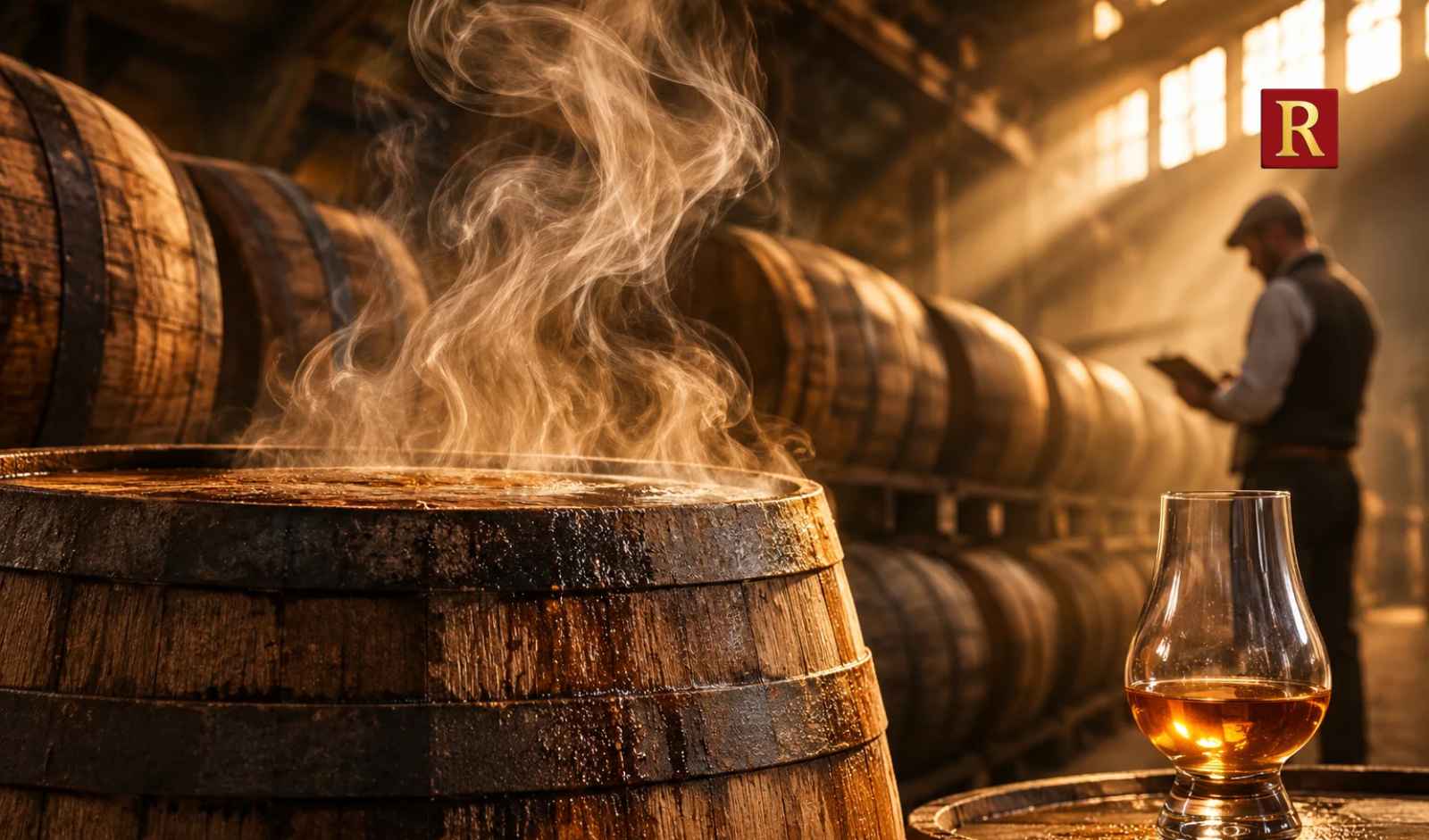
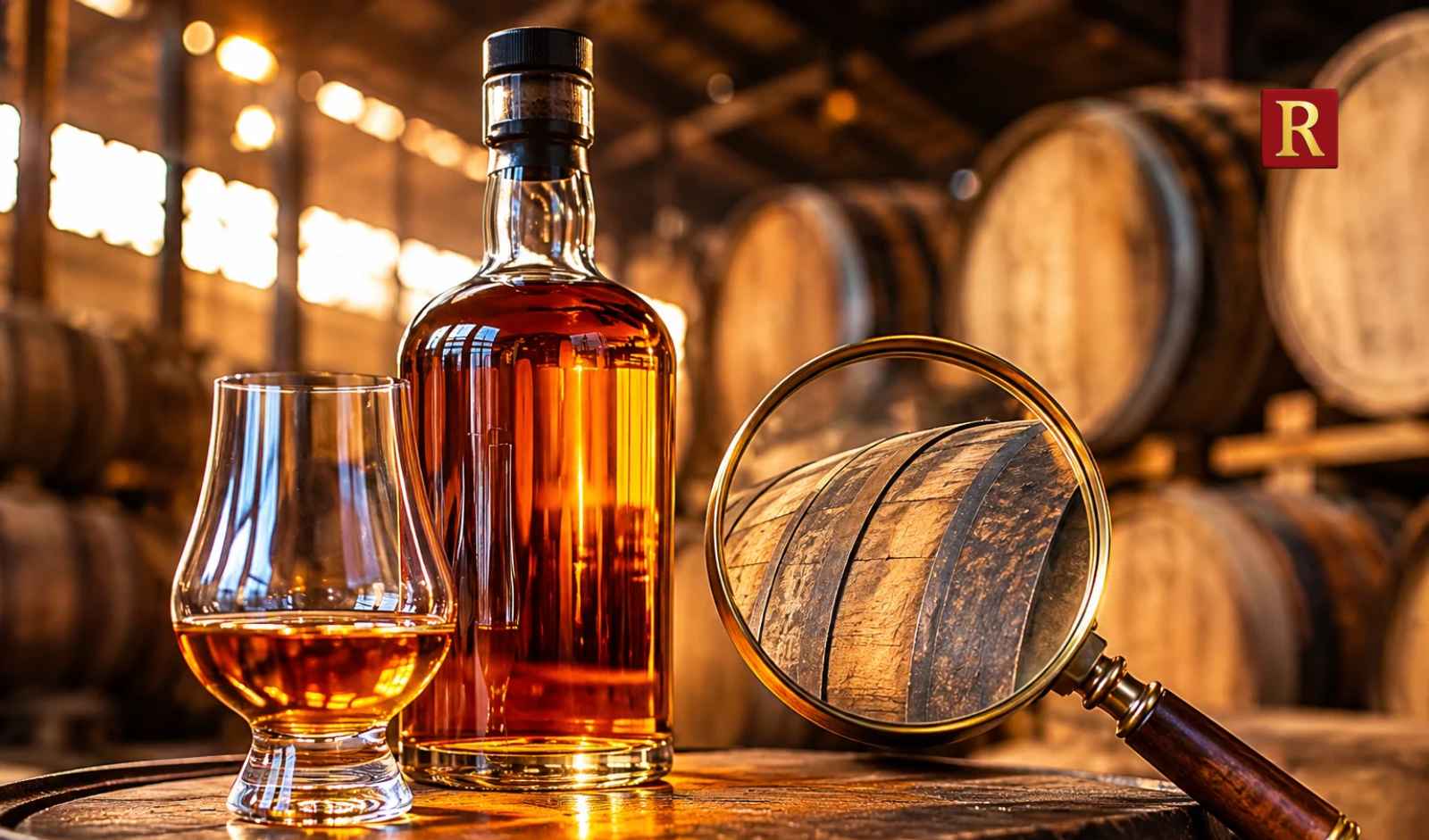
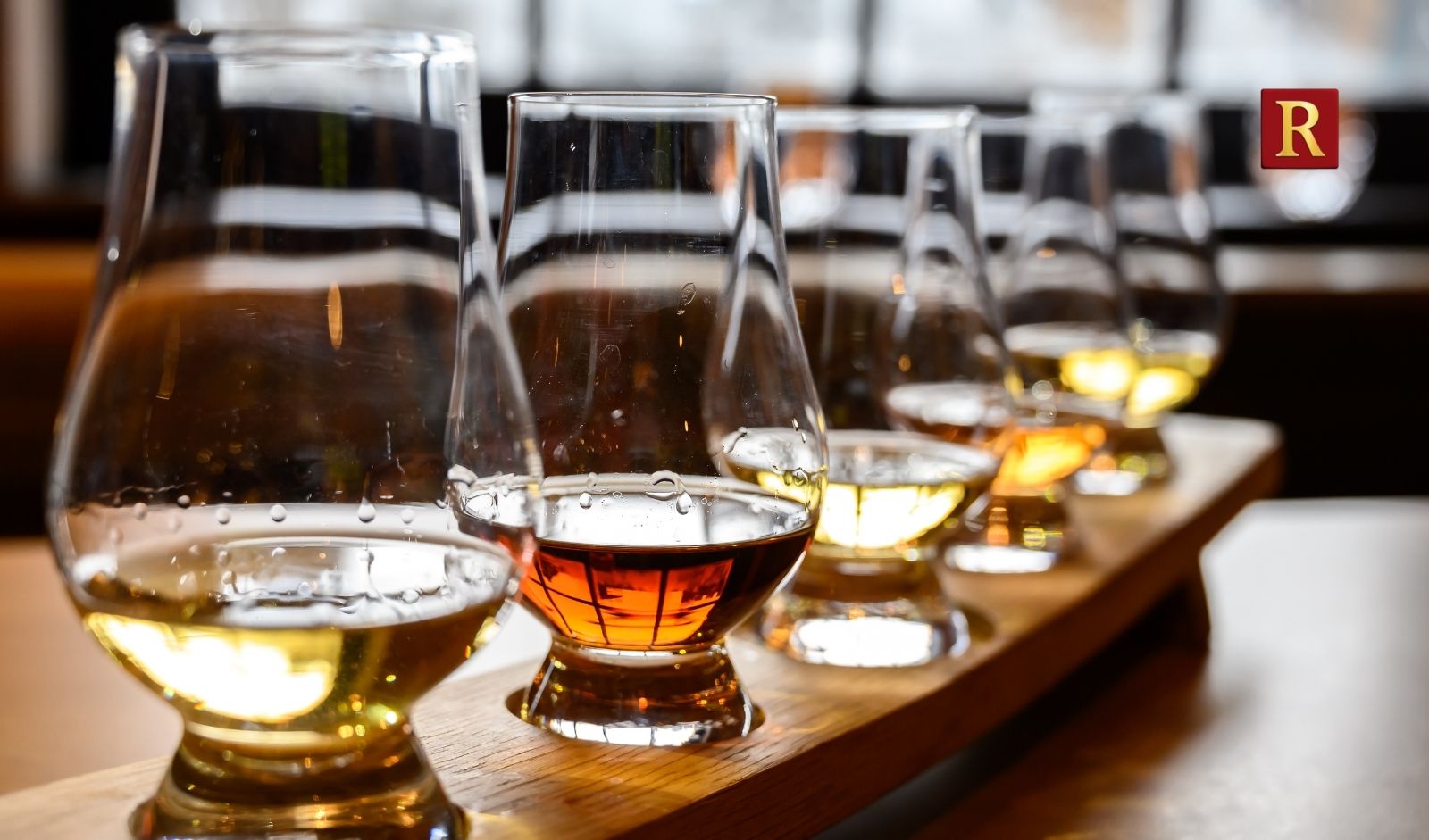
Whisky ageing is often associated with patience, oak barrels and the slow development of flavour. But while a spirit spends years inside a cask, something else is happening that distilleries cannot completely prevent: the liquid is gradually disappearing. Known as the Angel's Share, this natural evaporation is one of the hidden costs of whisky production. Every year, a portion of the spirit escapes through the pores of the wooden cask, reducing the volume available for bottling. For distilleries holding thousands of barrels over several years, the loss can translate into thousands of litres of whisky that never reach the market. The process is part of maturation, but it also creates a business challenge. Distillers must account for the whisky that disappears while managing storage costs, inventory, ageing time and the value of the liquid that survives.
What Is the Angel's Share in Whisky?
The Angel's Share refers to the whisky lost through evaporation during maturation in wooden casks. As whisky rests inside oak barrels, small quantities of water and alcohol escape through the wood and into the surrounding atmosphere. Casks are not completely airtight. Wood is a natural, porous material, and its structure allows vapour to move through the staves. The amount of whisky lost depends on several factors, including temperature, humidity, the type of cask, warehouse conditions and maturation duration.
The evaporation is not entirely undesirable. Whisky ageing involves interactions between the spirit, wood and oxygen that help develop its flavour, aroma, colour and texture. The cask contributes compounds that influence the character of the spirit, while chemical reactions gradually change the whisky over time. For distilleries, however, this creates an unusual trade-off. Maturation can improve the product's character and market value, but every additional year in the cask also means more liquid is exposed to evaporation.
How Much Whisky Disappears During Ageing?
Evaporation is often discussed as an annual percentage of the cask's volume. In Scotland, a loss of around 2 percent annually is commonly cited, although actual rates vary depending on the warehouse and cask conditions. The impact becomes more significant as whisky ages because annual losses compound. A cask does not keep losing the same amount of liquid based on its original fill volume; each year's loss is calculated against the remaining spirit. Consider a 200-litre cask under a hypothetical 2 percent annual evaporation rate.
Age of whisky | Approx. volume remaining | Total volume lost |
At filling | 200 litres | 0 litres |
3 years | 188.2 litres | 11.8 litres |
5 years | 180.8 litres | 19.2 litres |
10 years | 163.4 litres | 36.6 litres |
12 years | 156.9 litres | 43.1 litres |
18 years | 138.7 litres | 61.3 litres |
25 years | 121 litres | 79 litres |
Illustrative calculations based on a compounded 2 percent annual loss. Actual cask losses vary considerably. Over 12 years, a 200-litre cask could lose approximately 43 litres under this model. That is equivalent to more than 61 bottles of 700 ml whisky that could otherwise have been available by volume. Across hundreds or thousands of casks, the impact becomes much larger. The loss is not simply a few litres disappearing from an individual barrel; it can affect the volume a distillery expects to bottle years later.
Why India Loses More Whisky to Evaporation
The Angel's Share is particularly significant in tropical whisky-producing regions, where warmer temperatures can increase evaporation and accelerate the interaction between spirit and wood. Indian whisky maturation operates under different environmental conditions from traditional Scottish ageing. While Scotland is known for cooler maturation environments, Indian distilleries face warmer temperatures that can contribute to higher annual cask losses.
Reported examples illustrate the difference, with Scottish maturation often cited at around 2 percent annual evaporation, while figures reported for Indian maturation include approximately 8–10 percent for Goa and 11–12 percent for Bengaluru. These are reported examples, not fixed rates for every distillery or warehouse. Higher evaporation can mean that Indian distillers lose a greater share of their original cask volume in just a few years. This creates a distinctive challenge for Indian single malt producers. Warmer conditions may allow whisky to develop wood-driven characteristics more quickly, but the distillery may also have significantly less liquid remaining as the whisky ages. Faster maturation therefore does not automatically mean lower production costs or better yields. The economics of ageing whisky in India involve balancing flavour development, age, cask management and the amount of spirit that survives until bottling.
Six Factors That Determine How Much Whisky Evaporates
Evaporation is not controlled by age alone. The environment surrounding a cask and the characteristics of the barrel determine how quickly the liquid volume changes.
Temperature: Warmer conditions generally increase evaporation. Temperature fluctuations can also affect how spirit interacts with the wood during maturation.
Humidity: Humidity influences the relative loss of water and alcohol. In drier conditions, water can evaporate more readily, while in humid environments, alcohol loss may become more pronounced.
Cask size: Smaller casks have a higher wood surface area relative to the volume of spirit they hold. This can intensify wood interaction and influence evaporation, although actual losses also depend on the environment and cask construction.
Wood and cask condition: Oak species, wood grain, stave thickness, previous cask use and the condition of the barrel influence the movement of vapour through the wood.
Warehouse design: Traditional warehouses, modern racked storage facilities, ventilation, insulation and building materials can create different maturation environments. Warehouse design can therefore influence both whisky development and volume loss.
Cask position: Barrels stored at different elevations or locations within the same warehouse may experience different temperature and airflow conditions. This can result in variations in maturation and evaporation even among casks filled at the same time.
These factors make whisky maturation difficult to standardise completely. Two casks containing the same spirit, filled on the same day and stored in the same facility, may still mature differently.
The Financial Cost of Whisky That Never Gets Bottled
For whisky producers, evaporation represents more than a reduction in liquid. It affects inventory planning, capital investment, storage costs and the potential number of bottles available for sale. A distillery invests in raw materials, production, casks and warehousing before the whisky generates revenue. Depending on the product, the spirit may remain in storage for several years or decades. During this period, capital remains tied up in ageing inventory, while the volume of whisky available for bottling continues to decline.
The longer the maturation period, the greater the cumulative exposure to evaporation. Consider a distillery that fills 1,000 casks, each holding 200 litres of spirit. Its initial inventory is 200,000 litres. If the casks experience a hypothetical 2 percent annual loss over 12 years, the remaining volume would be approximately 156,900 litres.
The 12-year inventory calculation
Initial cask volume: 200,000 litres
Remaining volume: 156,900 litres
Volume lost: 43,100 litres
Share of original volume lost: 21.6 percent
Illustrative example based on 2 percent annual compounded evaporation across 1,000 casks. Not an actual distillery inventory. The distillery would have approximately 43,100 litres less cask volume to work with before bottling adjustments. This is equivalent to around 61,600 standard 700 ml bottles by liquid volume. This loss affects future production planning. Distillers must estimate how much whisky will survive maturation, determine how many bottles can be produced and ensure the remaining liquid can support the costs incurred throughout the ageing process. The financial pressure is particularly important for older whiskies, which have spent longer in casks and may have experienced greater cumulative volume loss. But evaporation alone does not determine a whisky's price. Demand, brand positioning, taxes, packaging, distribution, blending decisions and commercial margins also influence what consumers eventually pay.
Can Distilleries Reduce the Angel's Share?
As whisky producers expand their ageing inventories, understanding and managing evaporation becomes an important part of warehouse operations. Distilleries can monitor warehouse temperature and humidity, evaluate different cask types, track maturation conditions and study how cask position affects ageing. Such data can help them estimate future yields more accurately and identify conditions that lead to excessive losses.
Warehouse design is also becoming an important consideration. Insulation, roofing, ventilation and building materials influence the internal climate of a maturation facility. Research into warehouse construction and environmental conditions has examined how these factors can affect whisky loss, suggesting that storage infrastructure plays a role in managing maturation. However, reducing evaporation is not as simple as sealing a cask or maintaining a constant temperature. Whisky maturation depends on interactions between the spirit, wood and surrounding environment. Changes made to preserve more liquid could also affect how the whisky develops. For producers, the challenge is finding a balance between protecting inventory and allowing the spirit to mature in a way that delivers the desired flavour and quality. The goal is not necessarily to save every drop, but to understand the relationship between volume loss, maturation and the final product.
The Angel's Share Also Has an Environmental Cost
The whisky that evaporates from casks does not simply disappear without consequence. The vapour released during maturation includes ethanol and other volatile compounds that enter the surrounding atmosphere. In areas with a high concentration of whisky warehouses, these emissions can become an environmental consideration. Ethanol released into the atmosphere can participate in chemical reactions that contribute to ground-level ozone formation under suitable conditions.
As whisky production and maturation inventories grow, the environmental impact of warehouse emissions becomes another issue for distillers to consider alongside energy consumption, water use and packaging. The Angel's Share may be part of whisky's heritage and maturation process, but it also raises questions about how the industry can manage its environmental footprint while continuing to age spirit at scale.
Is the Angel's Share a Loss or the Price of Better Whisky?
The Angel's Share represents one of whisky production's unusual trade-offs. Distilleries invest in spirit that may spend years inside a cask, knowing that a portion of it will evaporate before bottling. The remaining whisky must carry the cost of that lost volume, along with the expense of production, storage and time. Yet evaporation is also part of the maturation process that gives whisky its character. The industry cannot look at the cask only as a container of liquid to be preserved. It is also an environment where the spirit develops, changes and acquires qualities that define the final product.
For whisky producers, the challenge is understanding how much liquid they can afford to lose, how long they want to mature it and what value the remaining spirit can deliver. Every year a cask rests in a warehouse, the whisky becomes older, but the volume becomes smaller. In that sense, the Angel's Share is not just a romantic part of whisky-making. It is a cost of patience—one that distilleries must calculate long before the bottle reaches a shelf.
Saptopriya Ghosal
Feature Writer
I am a dedicated media professional with a bachelor's degree in mass communication from the State University of Calcutta and a postgraduate degree from Amity University. My academic journey has equipped me with a profound understanding of storytelling and communication. Passionate about the dynamic world of media, I continually strive to explore new ways to engage and inform through compelling narratives.