
The Top Most Famous Dishes of the World by Country
For travelers, tasting these dishes is a way to connect with the culture of a country. For locals, they are traditions passed down through generations. Food is more than nutrition—it is identity.

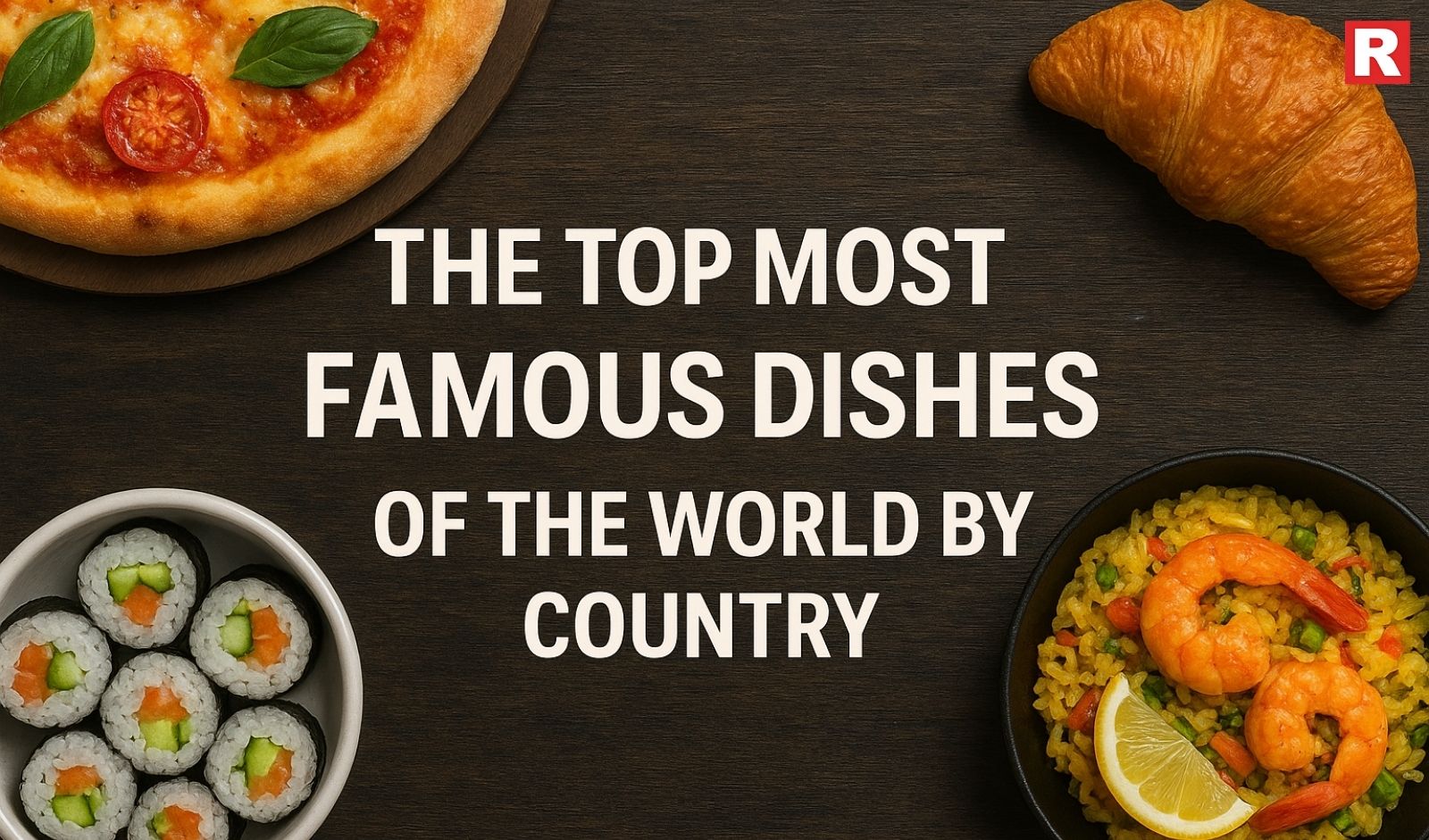
Food has always been a way to connect people and cultures. Every nation has a dish that reflects its history and values. These dishes are more than recipes, they are traditions passed through generations. In Italy, pizza is not just a meal but a part of everyday life, born in Naples and loved across the globe. Japan is known for sushi, a dish that highlights balance, freshness, and respect for ingredients. India brings curry, rich in spices and flavors, telling stories of trade and heritage. Mexico celebrates tacos, a simple yet versatile food that represents community and street culture. France is remembered for baguettes and croissants, symbols of art and craft in baking. China’s dumplings are linked to family and festivals, often enjoyed during special occasions. Each of these foods carries meaning, showing how culture is served on a plate. They remind people of home, identity, and pride. Famous dishes go beyond taste, they reflect who people are and where they come from.
Read more: 12 Delicious High-Protein Foods to Eat Daily for a Healthier You
7 Types of Whiskies Everyone Should Try Once
Discover the Most Famous Dishes in the Country
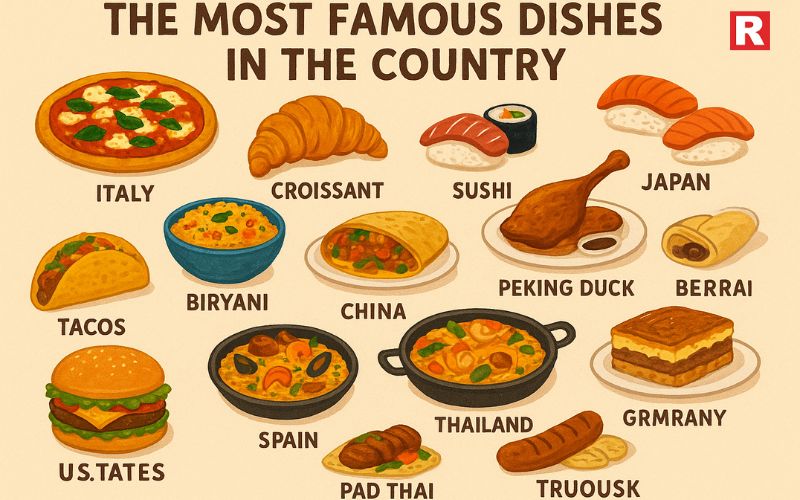
Explore iconic dishes from around the world that define culture, history, and heritage, bringing people together through taste and tradition.
Italy – Pizza
Italy’s ultimate comfort food, combining dough, tomato, and cheese into a global cultural treasure. Pizza originated in Naples and evolved into an international icon. The Margherita, with basil, mozzarella, and tomato, represents Italy’s tricolor. UNESCO honored Neapolitan pizza-making as heritage. Today, pizza is a worldwide symbol of casual dining.
France – Croissants
France’s buttery breakfast pastry, flaky layers baked to golden perfection, symbolizing elegance and tradition. Croissants became popular in Paris in the 19th century. The process involves folding dough and butter repeatedly. Today, croissants are served in cafés worldwide, often with coffee, and remain a favorite indulgence for travelers.
Japan – Sushi
Japan’s refined dish, vinegared rice and raw fish combined into delicate, artistic servings. Sushi began as a method to preserve fish but developed into culinary art. From nigiri to rolls, sushi reflects Japanese precision and elegance. Authentic sushi remains a highlight for visitors seeking Japan’s traditional cuisine.
India – Biryani
India’s aromatic rice dish blends spices, meat, or vegetables into rich cultural layers. Biryani was introduced by Persian influences but perfected in India. Hyderabad’s biryani is spicy, while Lucknow’s version is milder. Each style represents regional taste. Today, biryani is celebrated as India’s most iconic festive dish.
China – Peking Duck
China’s royal specialty, crispy-skinned duck carved and served with pancakes and sauces. Peking Duck dates back to the Ming Dynasty. It requires careful preparation to achieve crisp skin and tender meat. Traditionally served with pancakes, cucumber, and sweet sauce, it remains a symbol of Chinese culinary excellence.
Mexico – Tacos
Mexico’s street food star, tortillas filled with endless meat, beans, or vegetable combinations. Tacos were originally indigenous food, later adapted with Spanish influence. They can be soft or crispy, topped with salsa. Today, tacos represent Mexican culture and are enjoyed across the globe in countless variations.
United States – Burgers
America’s most famous dish, beef patty inside a bun with cheese and condiments. The hamburger rose in popularity in the early 1900s and became tied to U.S. fast-food culture. Today, it is found in restaurants, barbecues, and fast-food chains worldwide, representing American casual dining.
Know more: 6 Unexpected Benefits of Eating Jackfruit (Kathal) – Nature’s Spiky Surprise!
Spain – Paella
Spain’s saffron-flavored rice dish, cooked with meat, seafood, and vegetables in a shallow pan. Paella originated in Valencia. Traditionally made with rabbit and chicken, it now has seafood variations. Cooked in wide pans, it is often shared during gatherings, making it a symbol of Spanish community dining.
Thailand – Pad Thai
Thailand’s stir-fried noodle dish combines sweet, sour, salty, and spicy flavors. Pad Thai became popular during World War II as affordable street food. Cooked with shrimp, tofu, peanuts, and lime, it is Thailand’s most famous dish, loved by both locals and tourists around the world.
Greece – Moussaka
Greece’s layered casserole combines eggplant, potatoes, minced meat, and creamy béchamel sauce. Moussaka has Middle Eastern roots but gained fame in Greece. The dish is baked until golden and creamy. It is widely served in Greek households and restaurants, representing the comfort of Mediterranean food traditions.
Turkey – Kebab
Turkey’s grilled meat dish, enjoyed as skewers, rotisserie, or stuffed wraps. Kebabs date back to the Ottoman Empire. Doner kebabs, cooked on a vertical rotisserie, spread globally. Kebabs remain a symbol of Turkish street food, served with bread, rice, or salads in countless variations.
Brazil – Feijoada
Brazil’s national stew, combining black beans, pork, and beef into rich flavors. Feijoada reflects Brazil’s diverse influences, blending African, Portuguese, and indigenous traditions. Traditionally served with rice, greens, and oranges, it is eaten during weekend gatherings, making it both a cultural and social meal.
Germany – Bratwurst
Germany’s signature sausage, grilled or fried, paired with mustard and bread. Bratwurst is made from pork, veal, or beef. It is enjoyed during festivals and at Oktoberfest alongside beer. This iconic sausage represents Germany’s strong meat traditions and remains a highlight of German street food.
Vietnam – Pho
Vietnam’s noodle soup, with fragrant broth, rice noodles, herbs, and meat. Pho is a staple of Vietnamese cuisine, especially breakfast. Its broth, simmered for hours, creates deep flavors. Served with beef or chicken, pho has become a beloved global dish, representing Vietnam’s culinary pride.
South Korea – Kimchi
Korea’s fermented cabbage dish, seasoned with chili, garlic, and ginger. Kimchi is served at almost every Korean meal. It offers probiotics and vitamins, making it both healthy and delicious. Beyond nutrition, it represents Korean tradition, family recipes, and cultural resilience through history.
Argentina – Asado
Argentina’s barbecue tradition, grilling beef and sausages over open flames. Asado is more than food—it is a cultural gathering. Argentine beef is cooked slowly over fire and shared with friends. It remains a national symbol of hospitality, family, and meat excellence.
Russia – Borscht
Russia’s beetroot soup, served hot or cold, with sour cream garnish. Borscht is common across Eastern Europe, but Russia popularized it worldwide. Its bright red color comes from beets, combined with cabbage and potatoes. It reflects the farming culture and resilience of cold-climate cuisine.
Ethiopia – Injera
Ethiopia’s spongy flatbread, doubling as plate and utensil. Injera, made from teff flour, is served with stews placed on top. Diners tear off pieces to scoop food. This style of communal eating reflects Ethiopia’s culture of sharing and togetherness.
Lebanon – Hummus
Lebanon’s chickpea dip, blended with tahini, garlic, and lemon juice. Hummus is part of the Middle Eastern mezze tradition. Served with pita bread, it is nutritious and flavorful. Today, hummus has gained international fame as a healthy snack and plant-based protein source.
Morocco – Tagine
Morocco’s slow-cooked stew, cooked in clay pots with spices and vegetables. Tagine combines lamb, chicken, or vegetables with spices like saffron and cumin. The clay pot creates slow, tender cooking. It reflects Morocco’s blend of Berber, Arab, and Mediterranean influences.
Australia – Meat Pie
Australia’s hand-sized savory pie, filled with meat and gravy. Meat pies are popular at sports games and family events. Served with tomato sauce, they symbolize Australia’s casual and hearty food culture. They remain the country’s favorite snack food.
Sweden – Swedish Meatballs
Sweden’s savory-sweet meatballs, served with cream sauce and lingonberry jam. Swedish meatballs gained worldwide popularity through IKEA. They reflect Nordic comfort food, with balanced flavors of spiced meat, sauce, and tart berries. In Sweden, they are a traditional family dish.
Peru – Ceviche
Peru’s seafood dish, raw fish cured in citrus juices with onions and chili. Ceviche symbolizes Peru’s coastal heritage. Lime juice “cooks” the fish, making it fresh and tangy. Often served with corn or sweet potatoes, it is now a global seafood favorite.
Jamaica – Jerk Chicken
Jamaica’s spicy grilled chicken, marinated with peppers and allspice. Jerk chicken is cooked over pimento wood, giving it a smoky flavor. It blends African and Caribbean traditions. Today, it is Jamaica’s most famous dish and a global ambassador of Caribbean spice.
Belgium – Waffles
Belgium’s crispy sweet pastry, topped with fruit, cream, or chocolate. Belgian waffles are thicker and have deep pockets, perfect for toppings. Once eaten plain, they gained fame as street food. They represent Belgium’s pastry excellence and are loved worldwide.
Thailand – Tom Yum Soup
Thailand’s spicy and sour soup, flavored with lemongrass, chili, and lime. Tom Yum is made with shrimp or chicken. It reflects Thailand’s bold flavor balance and aromatic ingredients. Known for its hot and sour taste, it is both refreshing and warming.
Israel – Falafel
Israel’s deep-fried chickpea balls, often eaten in pita bread with salad. Falafel is a popular Middle Eastern street food. Crispy outside, soft inside, it is high in protein. Often paired with hummus and tahini, falafel has gained international recognition as a vegetarian favorite.
Also check: Top 5 States With the Spiciest Food in India
7 Healthy Chicken Dishes to Maintain Your Diet
Cuba – Ropa Vieja
Cuba’s shredded beef stew, cooked with tomatoes, peppers, and spices. Ropa Vieja means “old clothes,” as the shredded beef resembles torn fabric. Served with rice and beans, it reflects Spanish influence on Cuban food culture. It remains a national dish of Cuba.
Austria – Wiener Schnitzel
Austria’s breaded veal cutlet, fried until golden and crispy. Wiener Schnitzel is Austria’s most famous dish. Traditionally made with veal, it is served with lemon wedges and potato salad. It reflects Austria’s culinary refinement and remains popular in Central Europe.
Netherlands – Stroopwafel
Netherlands’ caramel-filled waffle, chewy and sweet. Stroopwafels are two thin waffles filled with syrup. They originated in Gouda and are enjoyed with coffee or tea. Today, they are a Dutch cultural export, beloved by travelers and locals alike.
Philippines – Adobo
Philippines’ savory stew, chicken or pork simmered in vinegar, soy sauce, and garlic. Adobo is simple yet flavorful. Each region in the Philippines has its own variation. It reflects the resourceful use of local ingredients and is regarded as the country’s unofficial national dish.
Colombia – Arepa
Colombia’s corn cake, grilled or fried, served with cheese or fillings. Arepas are versatile, eaten at breakfast or dinner. They can be stuffed with meats, eggs, or cheese. This staple food reflects Colombia’s indigenous traditions and has become a regional favorite across South America.
Portugal – Pastel de Nata
Portugal’s custard tart, creamy filling with flaky pastry. Pastel de Nata was created by Lisbon monks in the 18th century. Its creamy custard and caramelized surface make it one of the most beloved desserts in the world today.
Nigeria – Jollof Rice
Nigeria’s one-pot rice dish, cooked with tomatoes, peppers, and spices. Jollof Rice is a West African staple. It is often served at celebrations and family events. Each country in the region has its own variation, but Nigeria’s is especially famous for its flavor.
Iran – Kebab
Iran’s grilled meat skewers, seasoned with saffron and spices. Iranian kebabs are distinct from Turkish ones. They often feature lamb, chicken, or fish, marinated with saffron. Served with rice or bread, they remain a centerpiece of Persian cuisine and hospitality.
Poland – Pierogi
Poland’s dumplings, filled with potatoes, cheese, or meat. Pierogi are boiled or fried and served with butter or sour cream. They reflect Polish traditions of hearty, comforting food. Today, they are a symbol of Poland’s cultural pride and resilience.
Malaysia – Nasi Lemak
Malaysia’s coconut rice dish, served with sambal, peanuts, egg, and anchovies. Nasi Lemak is Malaysia’s national dish. Its balance of sweet, spicy, and savory makes it unique. Originally a farmer’s meal, it is now widely enjoyed for breakfast or lunch.
Indonesia – Nasi Goreng
Indonesia’s fried rice dish, flavored with kecap manis (sweet soy sauce). Nasi Goreng is versatile, often served with fried egg and satay. It is a street food staple that reflects Indonesia’s creative use of spices. It is considered the country’s unofficial national dish.
Switzerland – Fondue
Switzerland’s melted cheese dish, eaten with bread cubes dipped in communal pot. Fondue became popular as a way to use leftover cheese. Today, it represents Swiss alpine tradition. Diners share from the same pot, making it a social and cultural experience.
South Africa – Bobotie
South Africa’s baked dish, spiced minced meat topped with egg custard. Bobotie reflects Cape Malay influences. It blends savory meat with mild sweetness, often served with rice and chutney. It represents South Africa’s diverse culinary heritage.
Panama – Sancocho
Panama’s chicken stew, flavored with yuca, corn, and herbs. Sancocho is a comfort dish enjoyed at family gatherings. Slow-cooked with traditional spices, it reflects Panama’s rural food traditions. It is often considered the country’s national soup.
Morocco – Couscous
Morocco’s semolina dish, steamed and served with stew. Couscous is a staple of North African cuisine. Served with meat, vegetables, and broth, it represents Morocco’s agricultural history and is often eaten on Fridays for family meals.
Ecuador – Encebollado
Ecuador’s fish soup, flavored with cassava and pickled onions. Encebollado is often eaten for breakfast and is known as a hangover cure. Made with tuna and cassava, it reflects Ecuador’s coastal food culture.
Pakistan – Biryani
Pakistan’s spiced rice dish, layered with meat and vegetables. Pakistani biryani is known for its rich spices and bold flavors. Karachi and Lahore have their own versions. It is a centerpiece dish at celebrations and gatherings.
Singapore – Chili Crab
Singapore’s seafood dish, crab cooked in thick, spicy tomato-chili sauce. Chili Crab is messy but delicious. It reflects Singapore’s creative food culture, blending Chinese and Malay influences. It is one of Singapore’s most famous exports.
Norway – Gravlax
Norway’s cured salmon, flavored with dill and sugar. Gravlax was traditionally a method to preserve fish. Today, it is served with mustard sauce and bread. It reflects Norway’s fishing heritage.
Finland – Karjalanpiirakka
Finland’s rye-crust pastries, filled with rice porridge or potatoes. Karjalanpiirakka originated in Karelia. They are often topped with egg butter. This dish represents Finland’s rustic culinary traditions.
Tunisia – Brik
Tunisia’s fried pastry, filled with egg and tuna. Brik is crispy and golden, often served during Ramadan. It represents Tunisia’s mix of Mediterranean and North African flavors.
Check more: Top 7 Food Safety Practices Every Restaurant Should Follow
7 Chinese Dishes That Can Be a Healthy Option for Your Diet
Top 10 Health Benefits of Eating Dry Fruits Daily
Vietnam – Banh Mi
Vietnam’s sandwich, baguette filled with meat, vegetables, and herbs. Banh Mi combines French bread with Vietnamese flavors. Filled with pork, pickles, and chili, it reflects colonial history. Today, it is a global street food favorite.
Estonia – Blood Sausage
Estonia’s hearty sausage, made with barley and blood. Blood Sausage is a traditional winter food, often eaten at Christmas. It reflects Estonia’s farming traditions and rustic cuisine.
Why These Dishes Matter Globally
Each dish tells a story of survival, culture, and creativity. Pizza was once food for the poor, but today it is a global industry. Sushi reflects the Japanese respect for skill and simplicity. Biryani shows the blending of Persian and Indian flavors. Dishes like tacos, burgers, and kebabs have become global fast-food icons.
For travelers, tasting these dishes is a way to connect with the culture of a country. For locals, they are traditions passed down through generations. Food is more than nutrition—it is identity.
Happy Eating!
The world’s most famous dishes are not only about taste. They are stories told through food. Each dish reflects the land, the people, and their way of life. Italy gave pizza, a symbol of comfort and sharing. Japan offers sushi, built on freshness and balance. Vietnam is known for pho, a bowl filled with warmth and tradition. India brings curry, full of spices that speak of history and trade. France celebrates bread and pastries, crafted with skill and care. Mexico shares tacos, food that connects families and communities. China’s dumplings bring together festivals and family bonds. These dishes are more than meals, they are experiences. They let people travel through flavor, even when sitting at home. Food is a map of culture, always inviting discovery.
Saptopriya Ghosal
Feature Writer
I am a dedicated media professional with a bachelor's degree in mass communication from the State University of Calcutta and a postgraduate degree from Amity University. My academic journey has equipped me with a profound understanding of storytelling and communication. Passionate about the dynamic world of media, I continually strive to explore new ways to engage and inform through compelling narratives.



































































































































































