The Top 5 Bar Menu Design Ideas
A good menu design is easy to read, showcases all the items available in the bar, is aesthetically pleasing, and answers the customer’s queries.


Bars and clubs are the most visited places by young people to enjoy a good night of music and drinks. It is a place that serves good food and drinks, and is the best place to let go of all problems and just enjoy the time. However, if the customers don’t even know what to order even after seeing the menu, then it is a big problem, and it can even cause a problem in the revenue of the bar. So, for the people and the bar, the need of having a good menu design that showcases all the dishes and drinks of the bar is most important.
A good menu design is easy to read, showcases all the items available in the bar, is aesthetically pleasing, and answers the customer’s queries. A menu card is not just about listing the drinks and prices; it is also about crafting a narrative, showing the customers the most popular drinks, and encouraging them to try new and profitable items.
So, in this article, we will be guiding you in creating a designer menu card by telling you about the top 5 bar menu design ideas.
Read more: Ice Cream Prices to Become Hot this Summer
1. Embrace Your Bar's Unique Personality and Theme
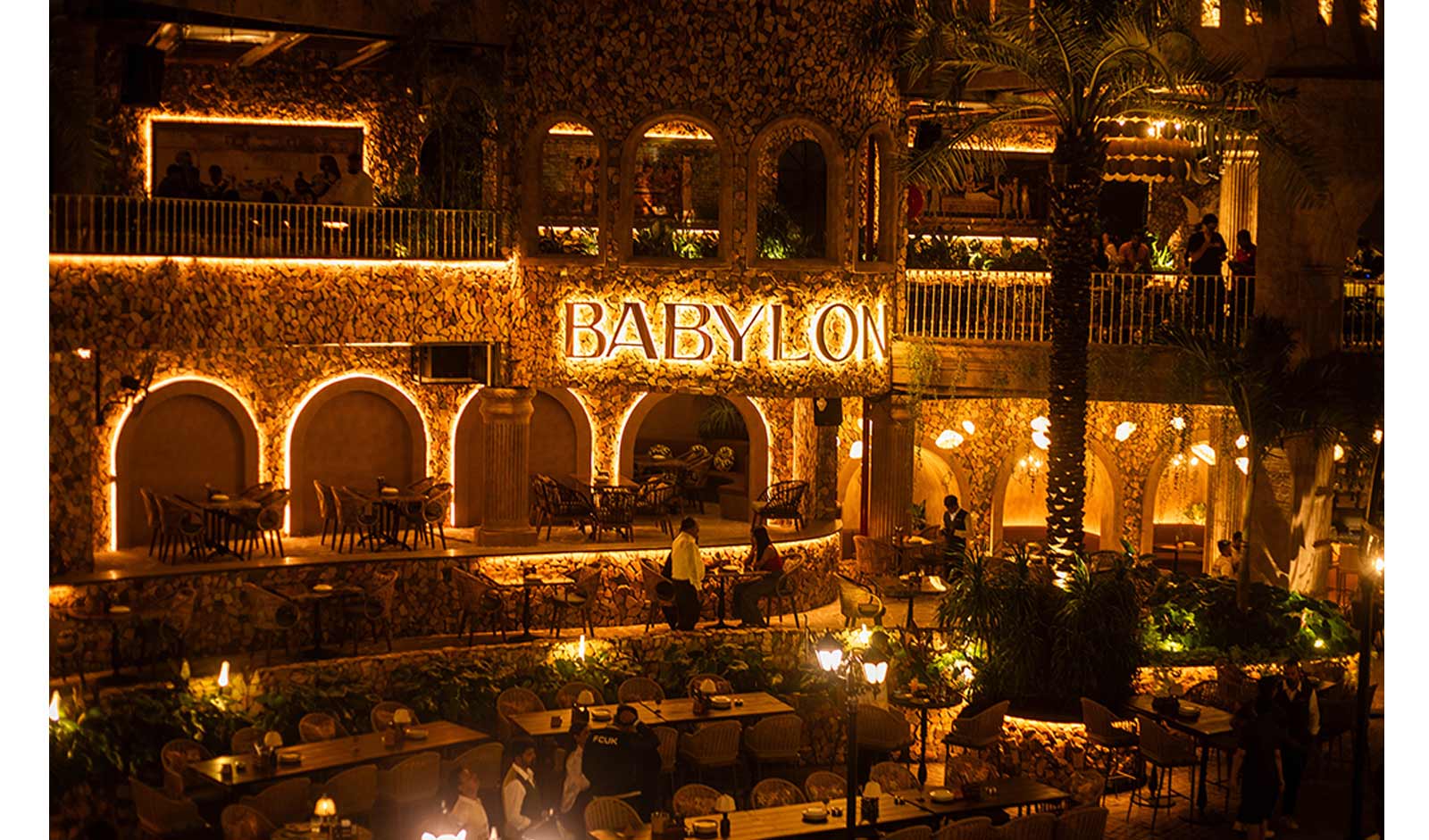
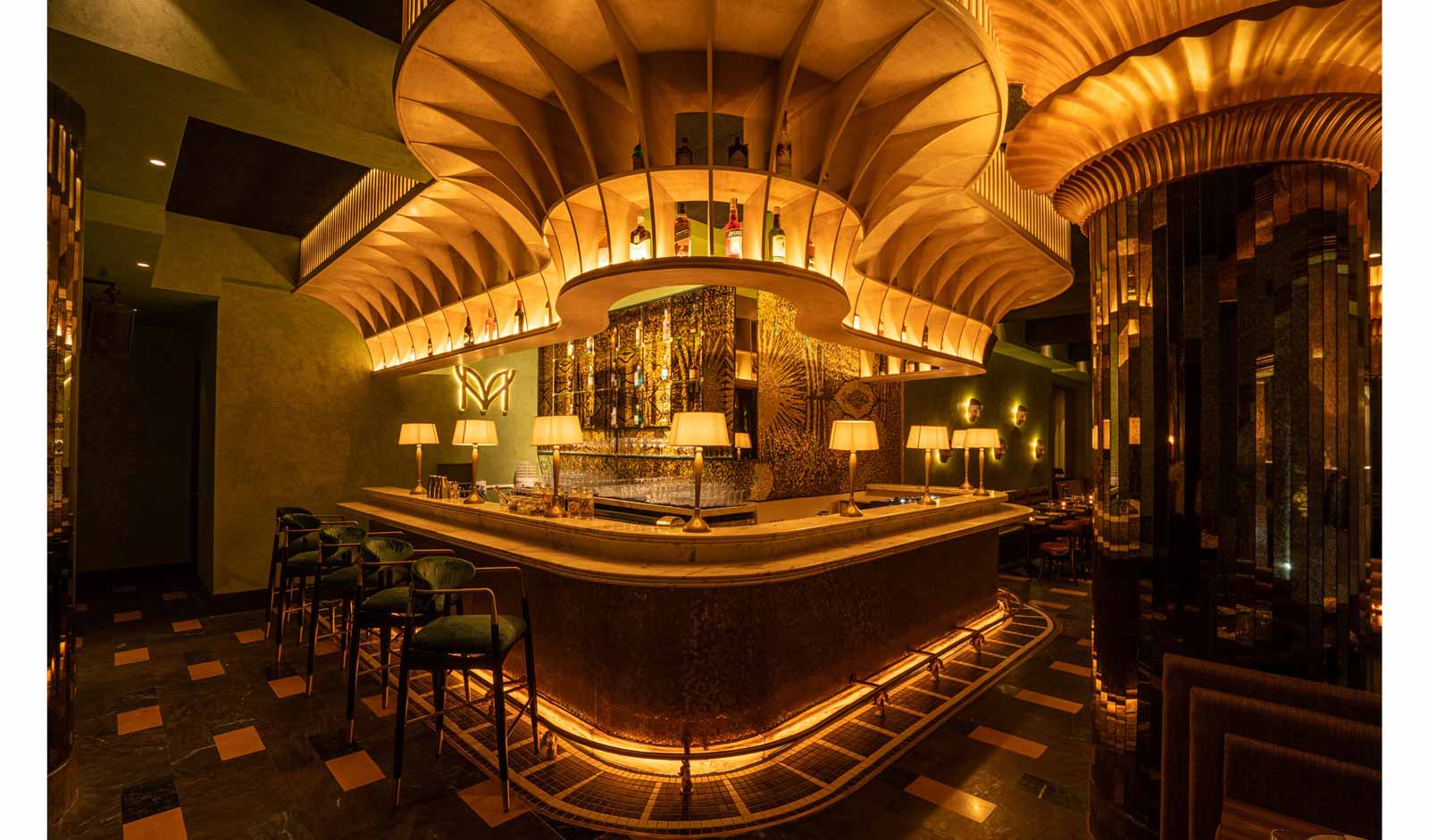
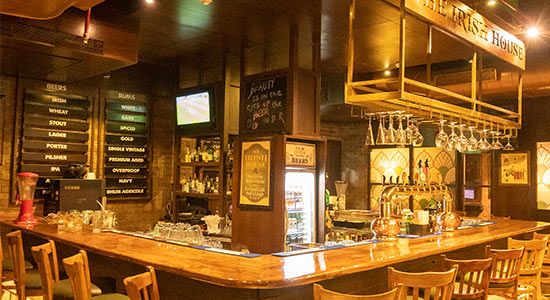
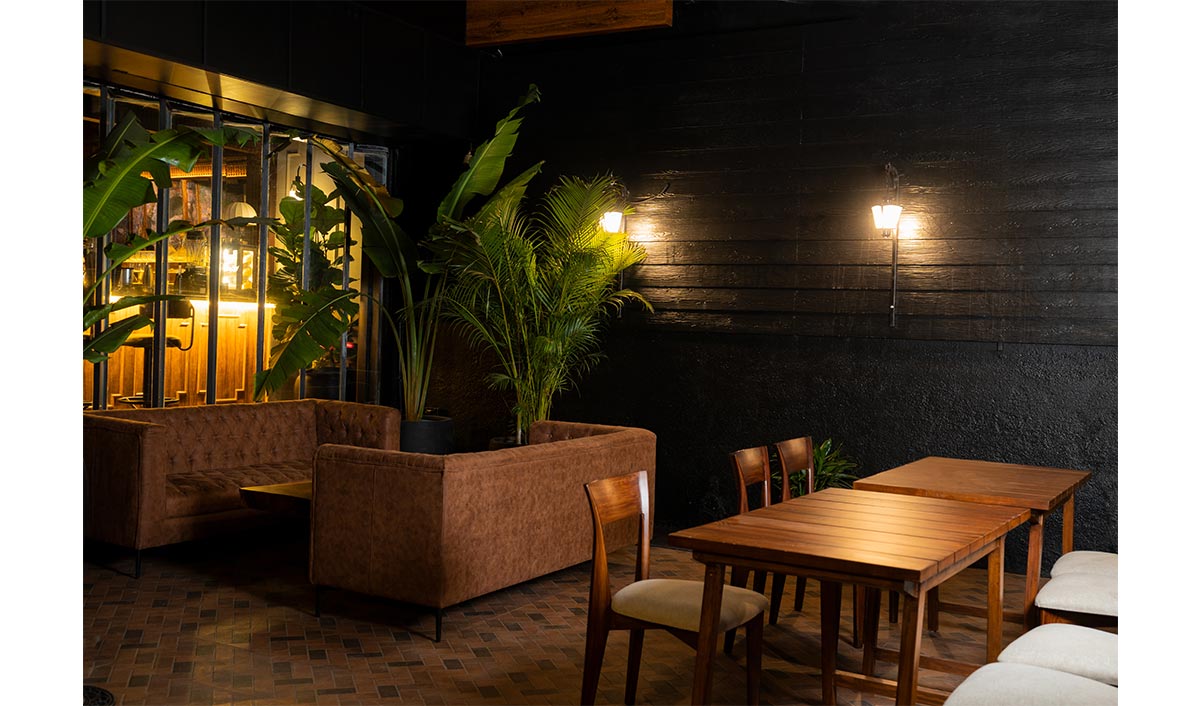
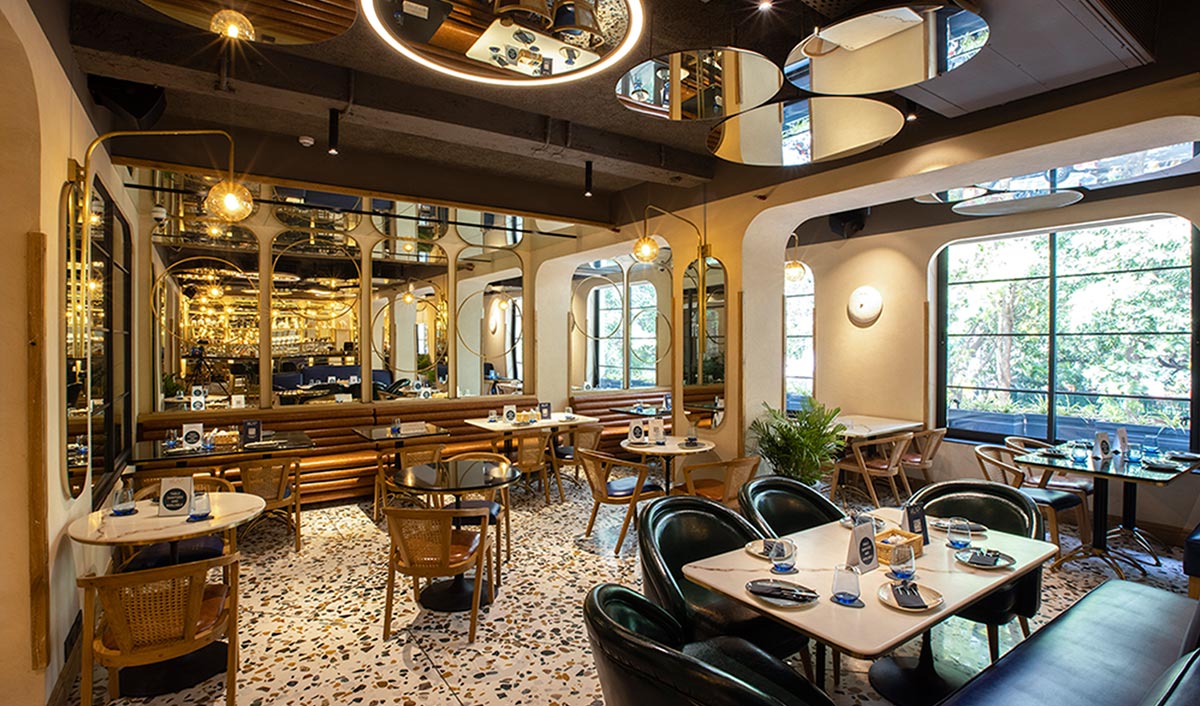
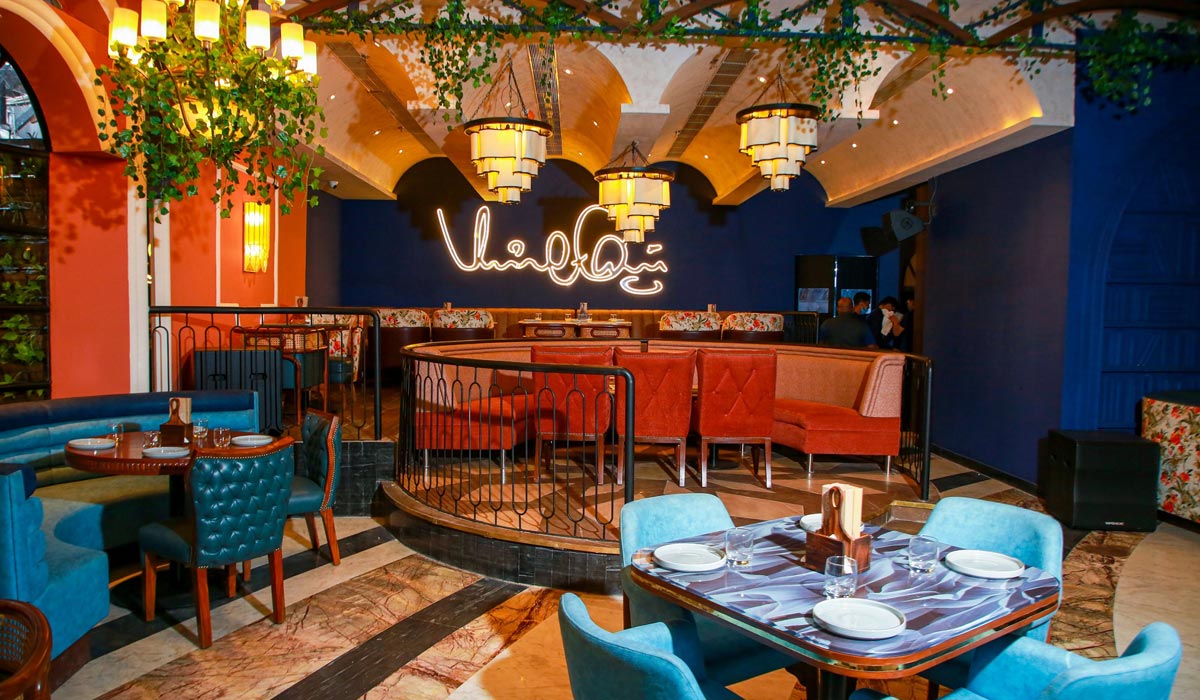
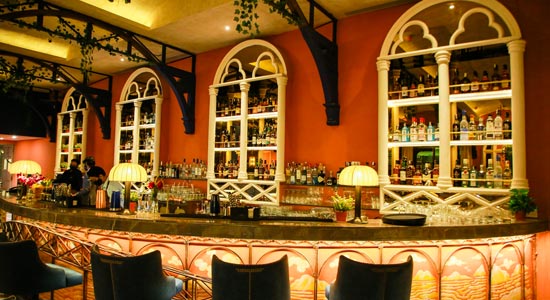
Your bar menu is a good opportunity to showcase your brand identity. The first idea is to add the themes of your bar to the menu card. However, before doing that, you need to know what kind of bar you are working in. What is it that makes your bar unique? What are the special drinks of your bar? Is your bar a tiki bar with a tropical theme? An elegant wine lounge? A boisterous sports bar? This theme should flow naturally into the design of your menu. Consider muted colors, vintage fonts, and possibly a "secret" area for a speakeasy. Exotic names, lively colors, and humorous illustrations are essential for a tiki bar.
Also, you need to know who your primary customers are. What kind of customers have you been serving till now? Are your customers searching for craft cocktails as young professionals? Are they casual drinkers who like to drink beer mostly? Create a menu that appeals to their preferences and needs. A neighborhood pub's menu might be more substantial and informal, whereas a high-end establishment's menu might be elegant and simple.
Also, create a backstory or a narrative for your bar. Like a brief history, the inspiration behind your cocktails, or your beer selection. This adds depth and personality, making the menu more engaging than a simple list.
Ensure that the fonts, colors, imagery, and overall style on your menu are consistent with your bar's logo, interior décor, website, and social media presence. Consistency builds brand recognition and trust.
Why this makes your menu pop: Customers are immediately drawn into your world by a menu that embodies your bar's distinct personality, which enhances the coherence and memorability of their experience. It draws them deeper into your brand's narrative by letting them know that they've found a location with a unique identity.
Latest: 10 Food Presentation Ideas to Make Every Plate Pop
2. Master Readability and Intuitive Organization
If a menu is beautiful but difficult to navigate, then it is useless. Therefore, make sure that your menu is user-friendly and clear. To do that, select a font that is easy on the eyes, even in the environment of the bar, which is mostly dimly lit. Decorative fonts should only be used for headings or small accents. The main description and prices should be clear. Avoid using too many different font types. It can make the menu look cluttered and amateurish. Considering the environment, the font size should be large enough for comfortable reading.
You can use a variety of font types or sizes, weights (bold/light), and even colors to create a visual hierarchy. Create specific headings and subheadings for different types of drink groups. For example, cocktails and beers are two different types of headings for a group.
Don’t add too much information on one page or in one space. It will just look jammed. Ample whitespace (negative space) makes the menu feel less overwhelming, allows the eye to rest, and helps individual items stand out. An overly filled menu feels chaotic and cheap.
Although descriptions are important, avoid verbosity. Get straight to the point, highlighting key ingredients or unique selling points.
Why this makes your menu pop: A well-structured and easily readable menu expedites ordering, eases customer annoyance, and offers a seamless, pleasurable experience. Your entire business is enhanced by this professionalism.
Read more: 6 Types of Refrigerators you need for Your Restaurant
3. Implement Strategic Menu Engineering and Pricing

Menu engineering is a strategic process of designing your menu to maximize profitability. It's about more than just aesthetics; it's about psychology. To create a menu that looks both systematic and aesthetically pleasing, first, you need to group the items.
First of all, put the high-profit, high-popularity items in prime viewing areas. High-popularity but low-profit items should be avoided in premium spots unless they serve as a hook for other items. The low-popularity but high-profit items should be considered to be made more appealing through better descriptions or strategic placement. Consider removing the low-popularity, low-profit items. This is to free up space for more profitable offerings.
Psychologically, there are certain areas of the menu that the customers tend to scan first. They are known as “Sweet spots” of the menu. For the menus with multiple panels, these spots are at the top right corner, then in the middle, and then the top left. You should place your star drinks here. For single panels, the top half or the central area can be powerful.
Strategic Pricing Presentation helps to place the items according to their price. First, don’t just align the prices in a neat column down the right side of the menu. This can encourage the customers to look for the cheapest item. Instead, place the price after the drink description, subtly next to the text. Studies have shown that people often look for the ₹ symbol first in the menu. If it is removed, customers perceive the price symbol as less significant. Consider adding a very high-priced item to the menu that you don’t have expectations of selling much. This will make the other drinks look much cheaper. Offer deals like "Cocktail of the Week + Appetizer for ₹X" to encourage higher average spending.
Why this makes your menu pop: Without making customers feel coerced, clever menu engineering gently sways their preferences toward more lucrative items. This directly maximizes your revenue.
4. Craft Enticing Descriptions and Leverage Visual Cues

You can awaken the customer’s senses by describing the experience of the drinks. So, don’t just list ingredients. Instead of "Gin & Tonic," try "Crisp gin paired with artisanal tonic, a hint of lime, and aromatic juniper berries for a refreshing lift." Use adjectives that appeal to taste, smell, and even sound (e.g., "effervescent," "velvety," "smoky," "zesty").
Make use of USP (Unique Selling Points). Like using local ingredients, home-made syrup, freshly squeezed juices, and premium spirits. Also, for premium drinks like wines or craft beers, add a brief note about the region they are imported from. Give them a theme-appropriate name that symbolizes their origin.
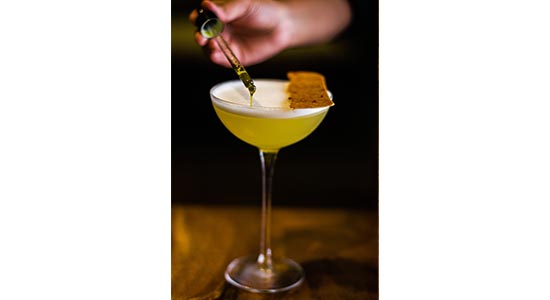
To make your menu look appetizing, consider adding images of your best beverages and drinks. Using high-quality, professional photographs of your signature or artistic drink can make the menu look more presentable and aesthetic. However, do not add too many photos as this can make the menu look over-cluttered. Use them to highlight just the few “star” drinks. Adding icons to the menu is also an interesting idea. This can help the customer to see some key information like “gluten or vegan free” without scanning the entire menu.
Why this makes your menu pop: The menu feels exciting and decadent thanks to clever visuals that capture the eye and arouse desire right away, as well as evocative descriptions that entice taste buds and promote exploration.
What's new: 10 Tips to choose the best Dishwasher for your restaurant
5. Consider Materials, Format, and Digital Integration

The physical form and durability of your menu contribute significantly to its overall aesthetic and perceived quality. Choose durable and high-quality materials to make the physical copy of the menu. Bars are a high-traffic area so menus are frequently handled to each other.
Material Quality: The material quality needs to be sturdy and long lasting.
- Laminated paper is affordable, reusable, and long-lasting.
- Synthetic Paper: Provides a high-end feel and is waterproof and tear-resistant.
- Wood or leather: For an upscale, elegant, or rustic look. These can be more expensive, but they feel luxurious and have great durability.
Hardcover/Bound Menus: For lengthy cocktail books or wine lists.
Format & Size: The menu ought to be manageable and comfortable to grasp.
- Single Sheet: Excellent for daily specials or more condensed, targeted lists.
- Bi-fold/tri-fold: Frequently used and adaptable.
- Booklet: Perfect for lists with a lot of options, like wine lists.
Chalkboard/Digital Boards: Digital boards or chalkboards are great for posting daily specials, happy hour offers, or quickly shifting lists of craft beers. They provide both flexibility and a contemporary or rustic look.
Digital Integration (Tablets/QR Codes):
- QR Codes: On paper menus or table tents, print a QR code that points straight to your online menu. This provides comprehensive information (such as complete ingredient lists and tasting notes), easy updates, and the potential to improve hygiene.
- Tablets: Interactive tablet menus for upscale bars can provide ordering options, thorough descriptions, and eye-catching graphics. They offer a high-end, contemporary experience despite being an investment.
Why this makes your menu pop: The physical form of the menu's tactile experience and visual presentation highlight the high caliber and meticulousness of your bar. Digital integration improves the overall experience by providing convenience and a contemporary touch.
Read more: What Is Cold Brew Coffee? Facts You Must Know
In the end
Your bar menu is a vital part of your brand's story and a dynamic sales tool that does much more than facilitate transactions. You may turn a simple list into an engaging experience for your clients by carefully implementing these five design concepts, which range from mastering readability and thoroughly comprehending the distinct personality of your bar to strategically engineering your offerings, creating captivating descriptions, and choosing the appropriate materials. A well-designed menu isn't just a benefit in the cutthroat bar industry of Faridabad, Gurgaon, and beyond; it's a necessary component for creating sustained success that makes every drink as enjoyable as the aesthetic appeal.
Mahak Sharma
Content Writer
Mahak Sharma is a passionate content writer with 2 years of experience crafting compelling content across various niches, tailoring her writing to suit different audiences and platforms. She is dedicated to producing engaging content for readers so that they can understand and enjoy the articles. Her strengths lie in crafting SEO-friendly, well-structured articles that drive visibility and engagement.