The Taste of Belonging
Long before Michelin stars and London acclaim, Atul Kochhar’s culinary journey began in the warmth of a Punjabi household.

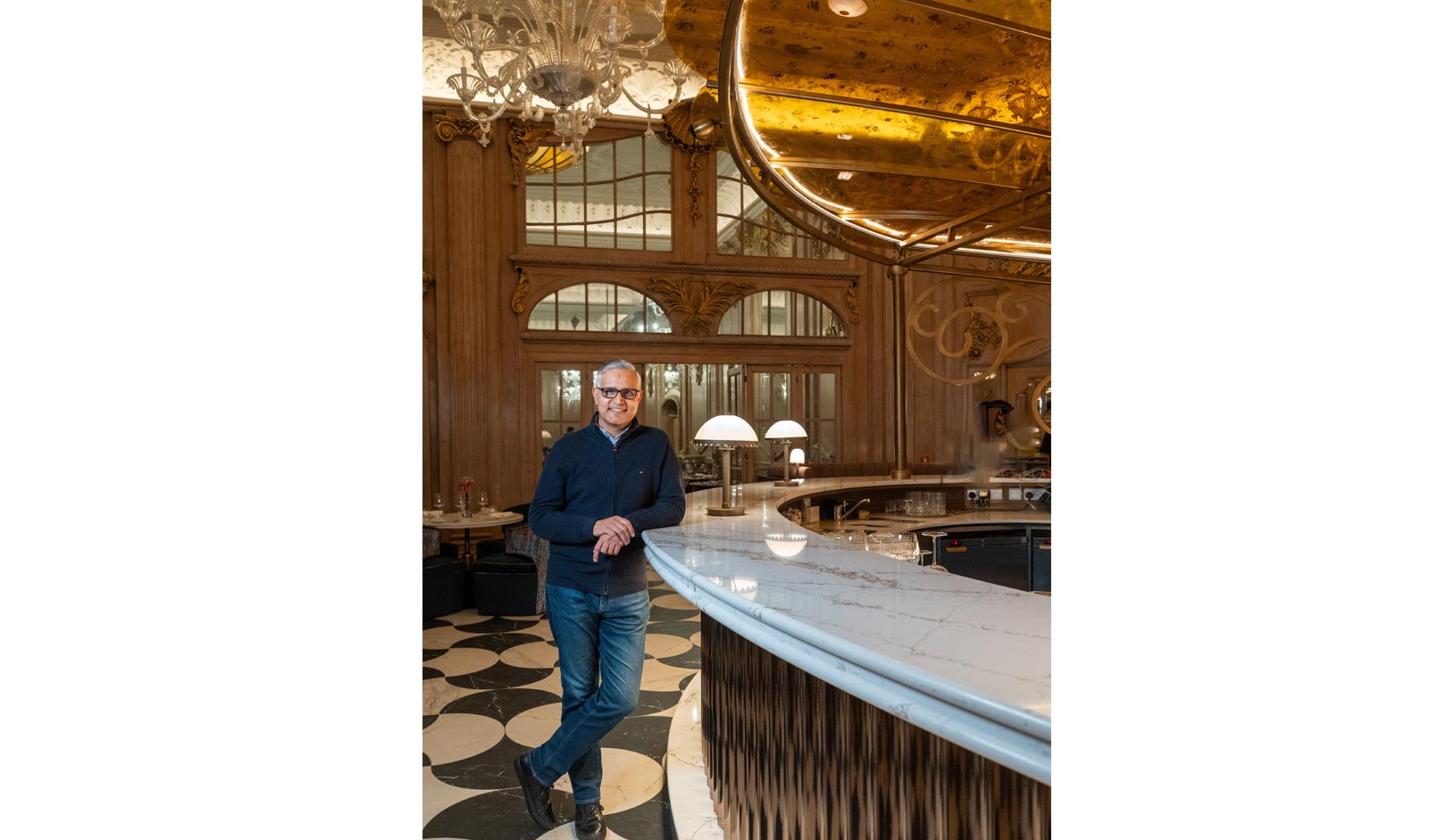
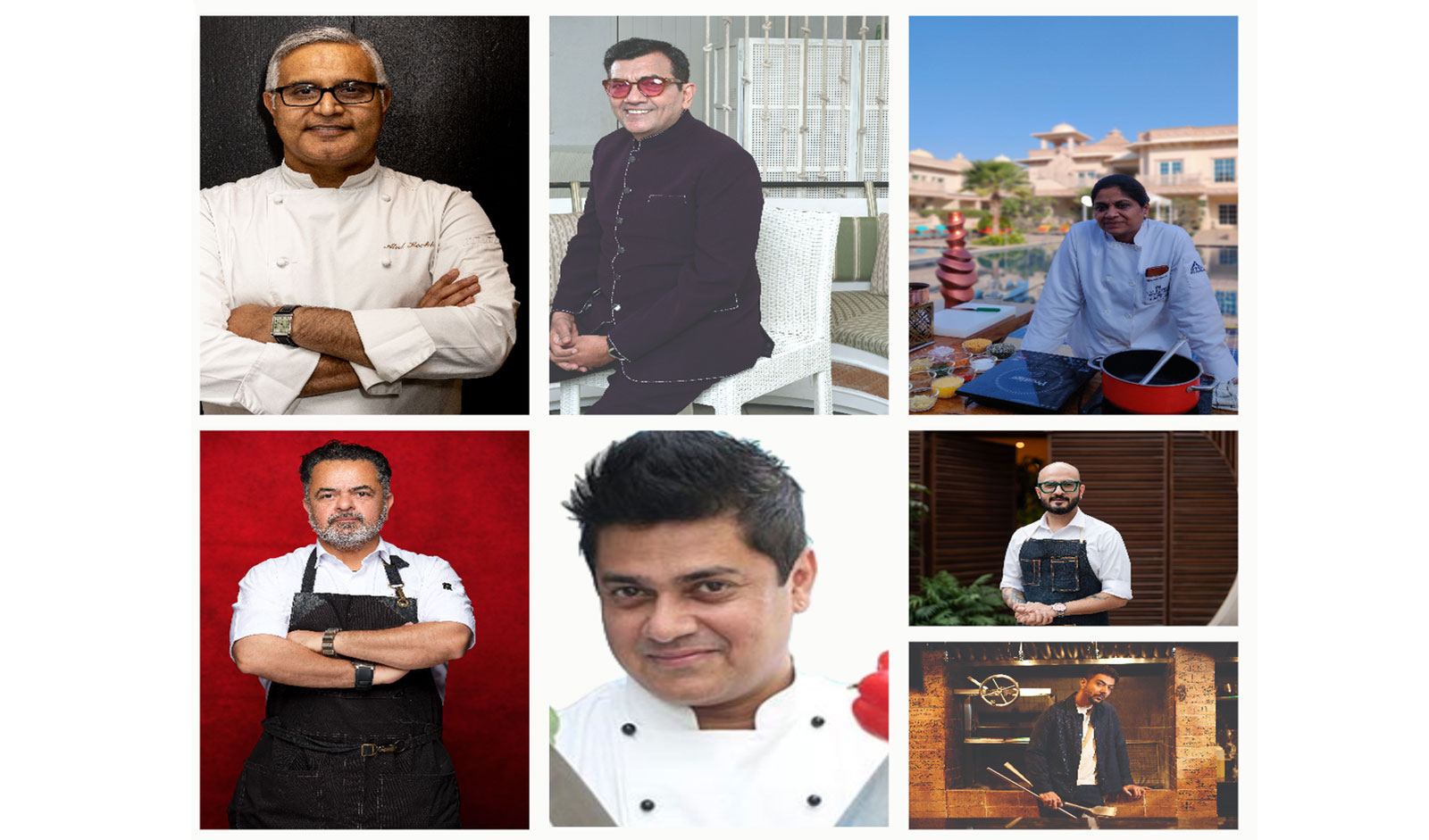
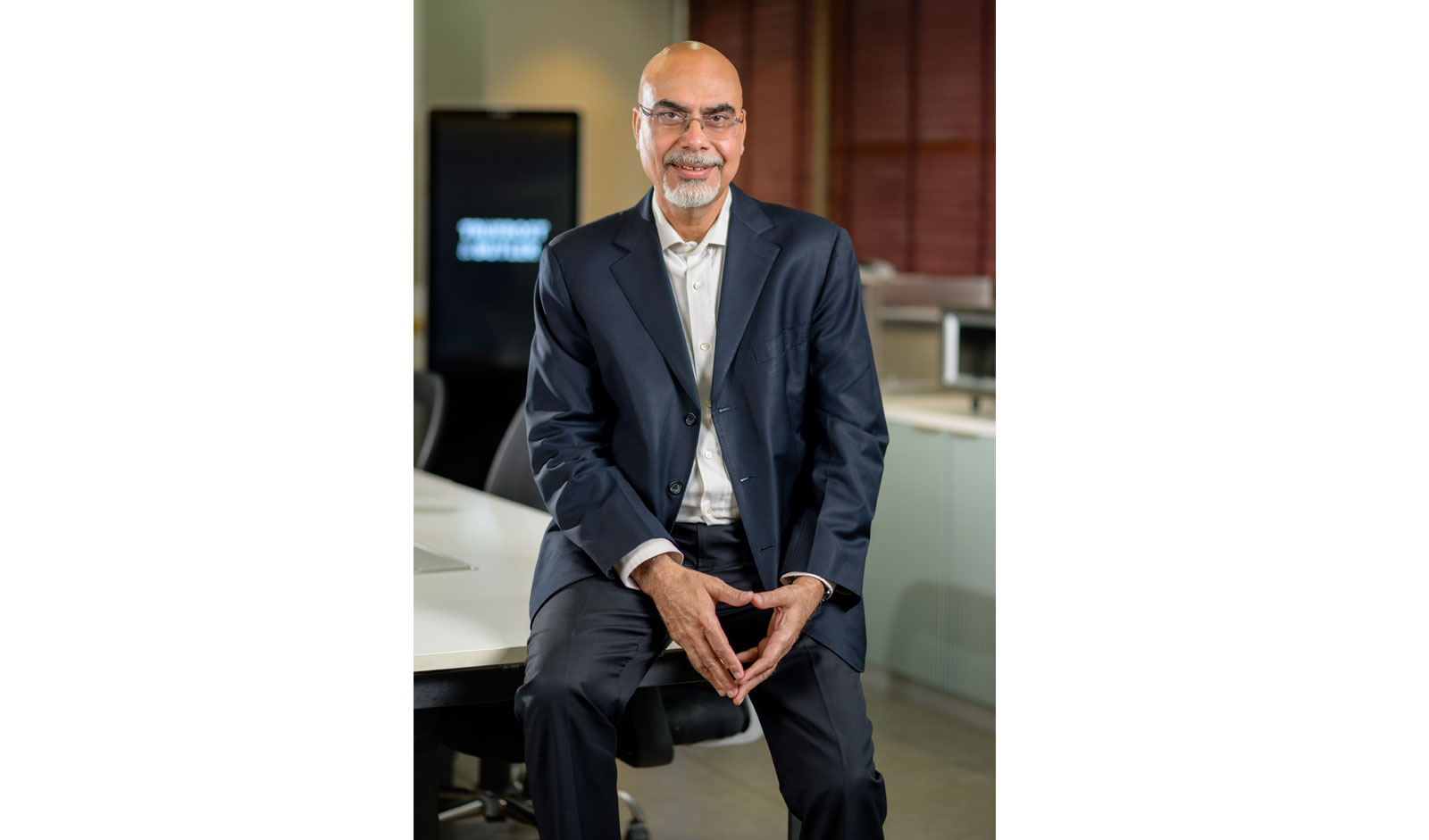
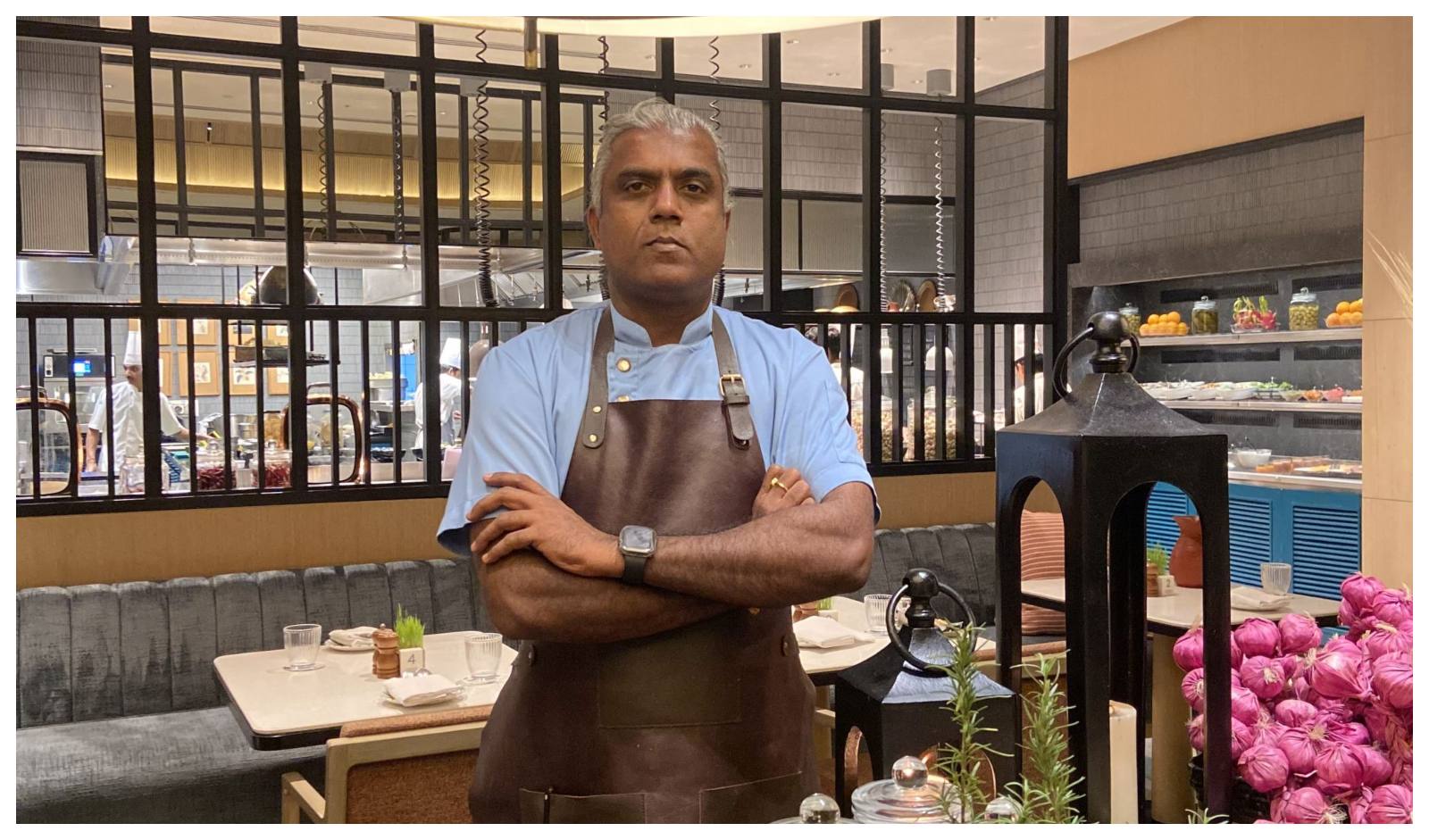
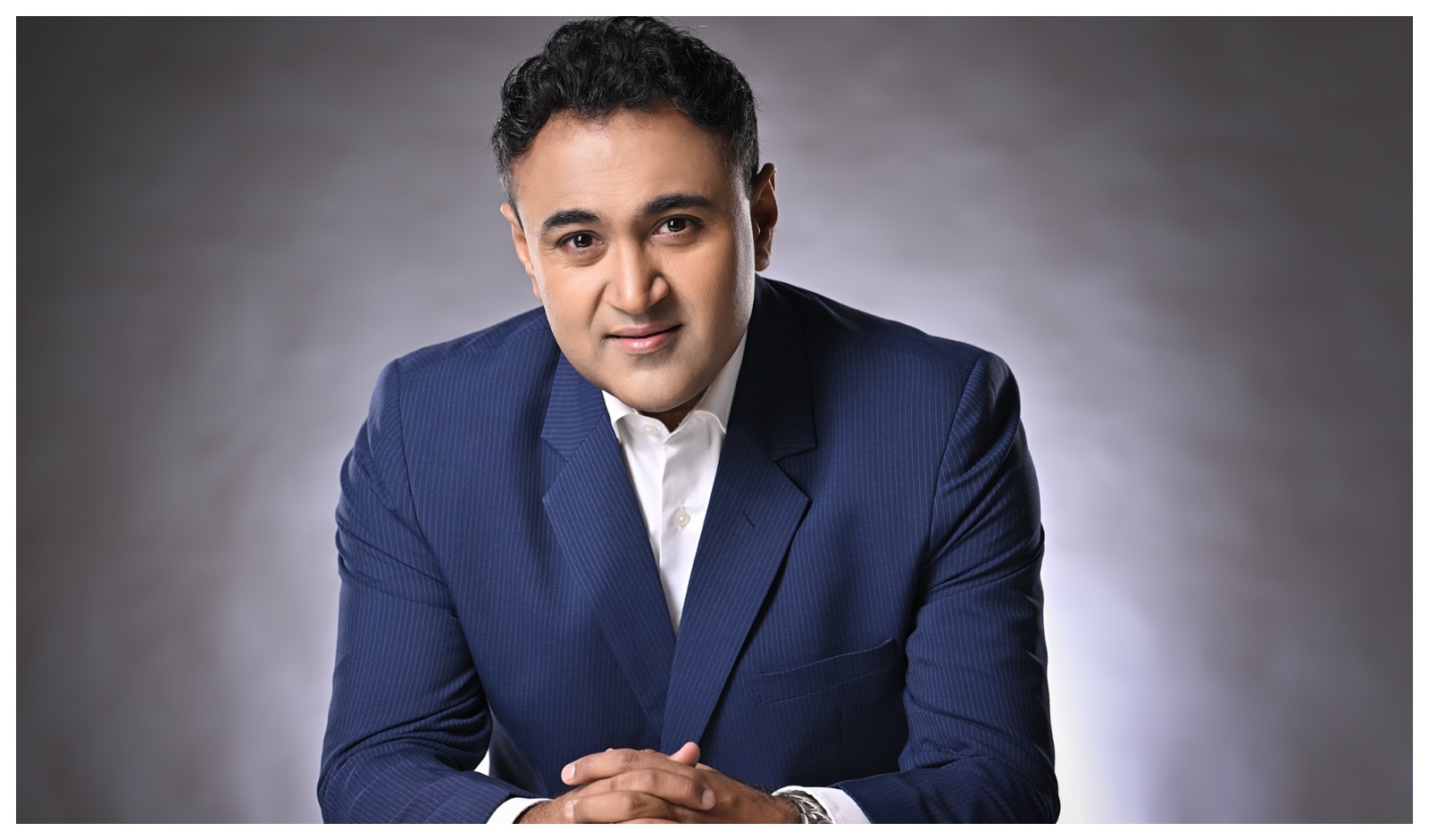
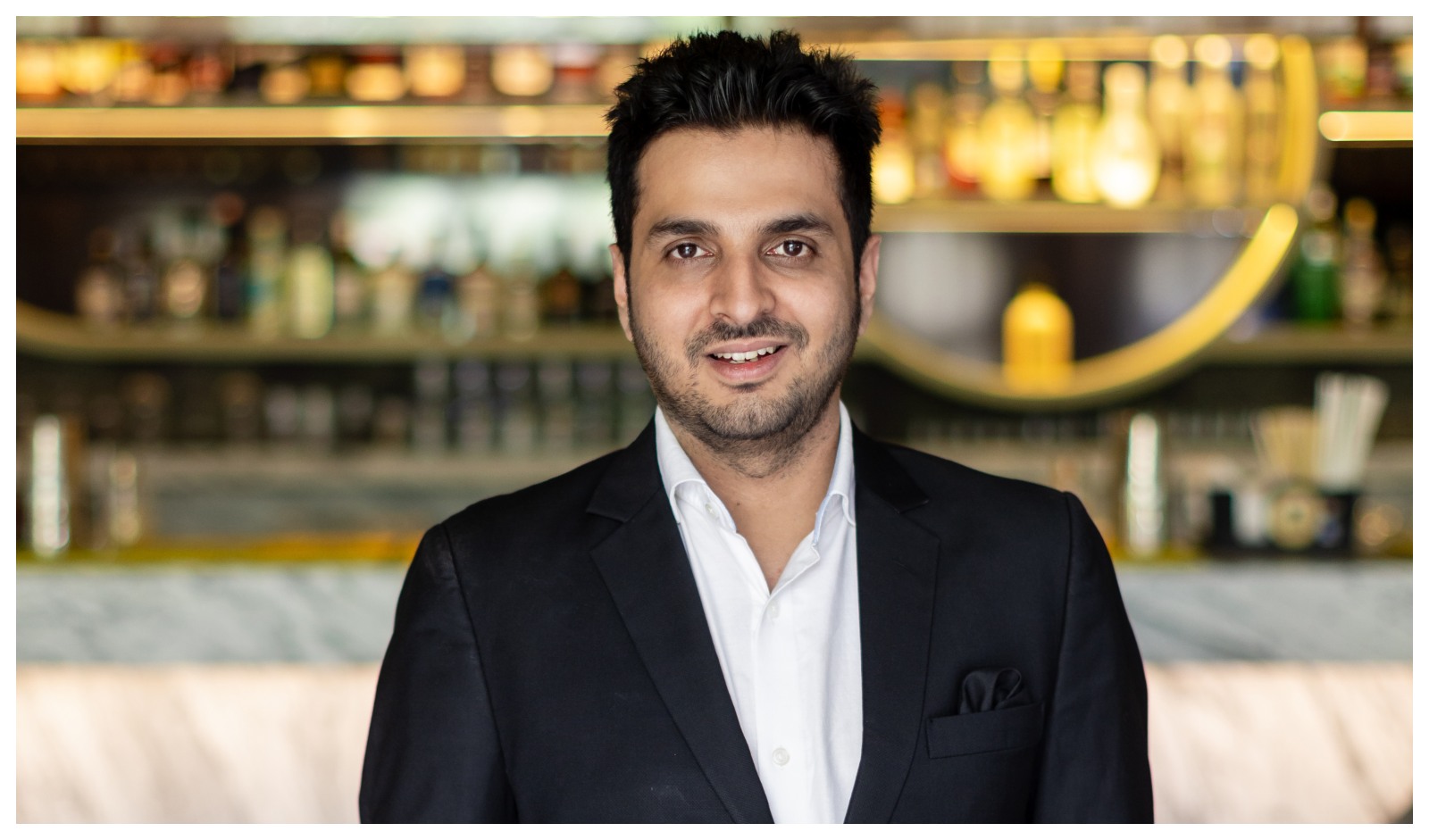
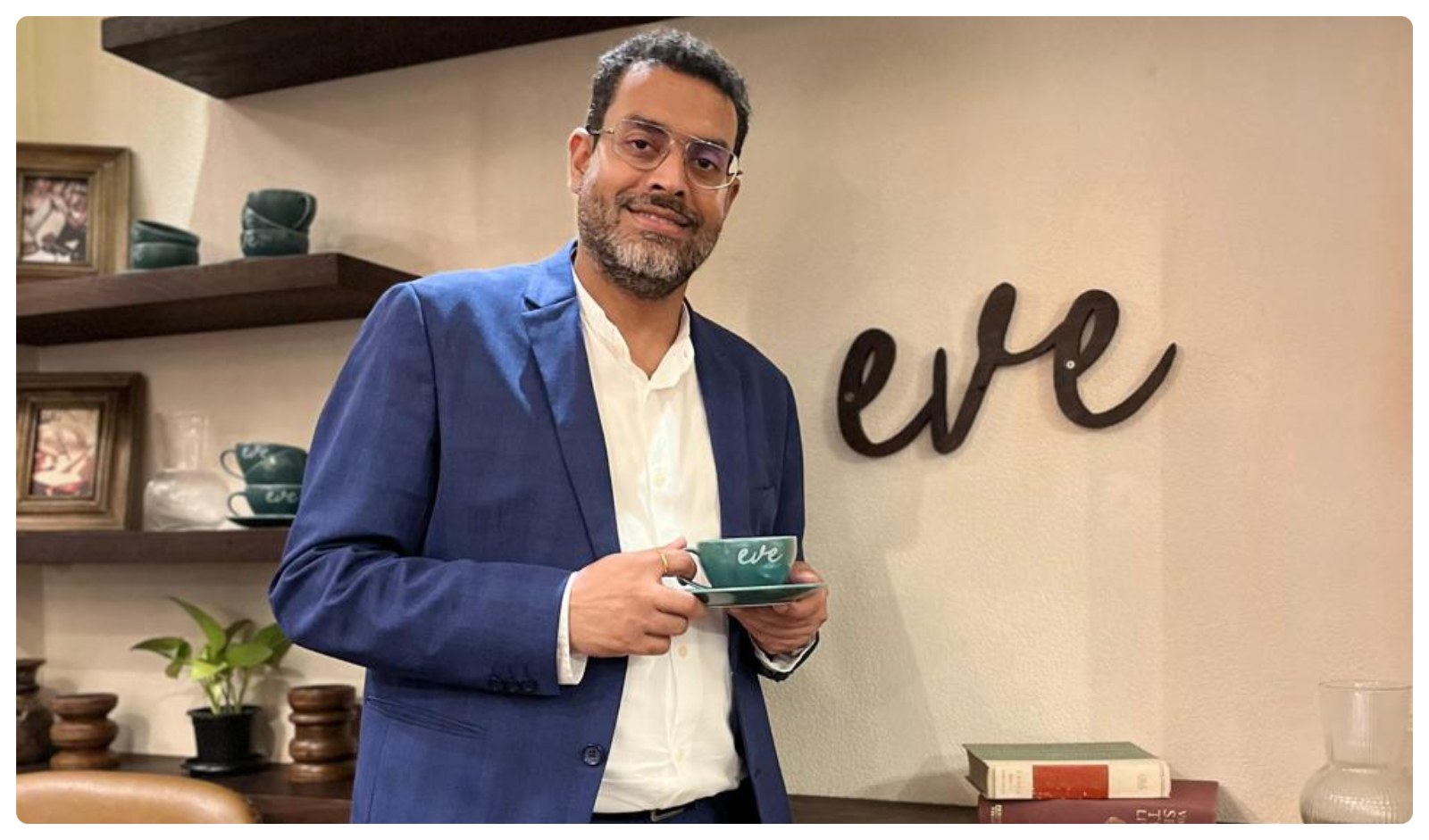
There is a quiet confidence about Atul Kochhar that mirrors the food he creates, layered, thoughtful, deeply rooted, yet unafraid to evolve. Soft-spoken and reflective, the boy who grew up in Jamshedpur could hardly have imagined that one day he would redefine Indian fine dining on the global stage.
More than two decades ago, Kochhar became the first Indian chef to receive a Michelin star as head chef of Tamarind in London, a milestone that forever altered the perception of Indian cuisine in the West. At a time when Indian food in Britain was largely boxed into the “curry house” stereotype, Kochhar introduced refinement, regional storytelling, and ingredient-driven innovation to the table.
“Today, after building some of the UK’s most respected Indian restaurants, authoring cookbooks, mentoring chefs, and becoming a familiar television personality, Kochhar remains driven by the same belief that first took him to London — that Indian cuisine always had a bigger story to tell.
From Jamshedpur to the World
Long before Michelin stars and London acclaim, Kochhar’s culinary journey began in the warmth of a Punjabi household. His grandfather owned a bakery, and food was always central to family life. Raised in Jamshedpur, then part of Bihar, now Jharkhand, Kochhar grew up navigating contrasts. Home was deeply Punjabi, but the world outside was culturally different. It sparked an early curiosity about how people across India lived, cooked, and ate.
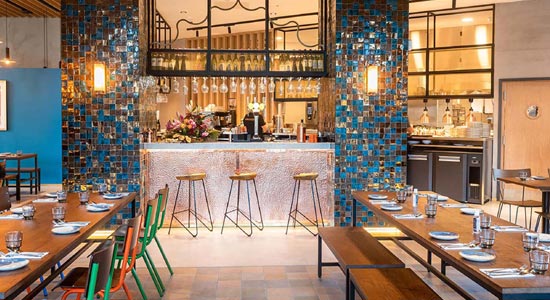
“We think differently, live differently, and cook differently in every region,” he reflects. “That became a fascinating study for me.” And, that curiosity only deepened when he moved to Chennai for hotel school. It was there he realised that Indian cuisine was not singular, it was an intricate mosaic of traditions, techniques, and identities.
Making of a Michelin-Chef
Kochhar initially entered hospitality with the ambition of becoming a hotelier. But by his second year in hotel school, he knew the kitchen was where he belonged. After graduating, he joined the prestigious Oberoi School of Management, where his philosophy around food began to take shape. “I became more of an ingredient-based chef rather than a cuisine-based chef,” he says. “That was the best thing that happened to me.”
In 1994, he moved to the United Kingdom to help open Tamarind in London. It was a turning point — new ingredients, new culture, new expectations. Rather than replicate Indian food exactly as it existed back home, Kochhar immersed himself in British produce and European techniques while remaining grounded in Indian flavours and spices.
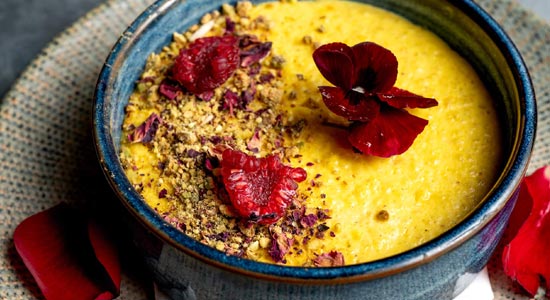
“When the call came from the Evening Standard, I thought it was a prank and hung up,” he recalls, remembering the moment with a smile. “When they called back and the penny dropped, there was a massive smile on my face. I stood there for five minutes just grinning. Then I called my dad, and he said, I think you're on the right path now. You will do okay.”
What it changed was bigger than him. At the time, Indian restaurants in Britain were transitioning from casual curry houses into serious culinary destinations. Kochhar’s success helped accelerate that transformation, proving Indian cuisine could command the same respect as French or Italian fine dining. Today, diners in Britain understand the vast diversity of Indian regional cuisine.
“There are menus dedicated to Kerala, Hyderabad, Calcutta, what I call the cuisines of India. Indian cooking in the UK is now respected and celebrated, and that is wonderful to see,” he proudly says.
Redefining Indian Fine-Dining: From Tamarind to Benares
Success did not make Kochhar reckless. Where others rapidly expanded restaurant empires, he chose patience over scale. He spent twelve years building and refining Benares before moving on to new ventures. “I prefer to perfect my work before moving to something else,” he says. That philosophy became central to his entrepreneurial identity. Opening Benares gave him confidence. Leaving it years later taught him resilience. “Sometimes you have to step back to move forward.”
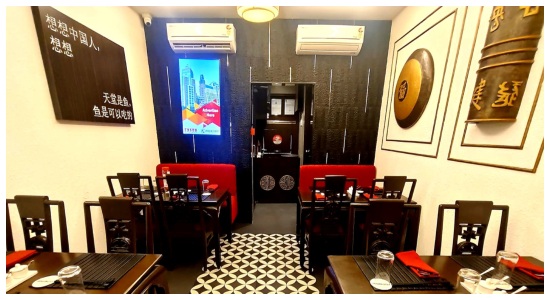
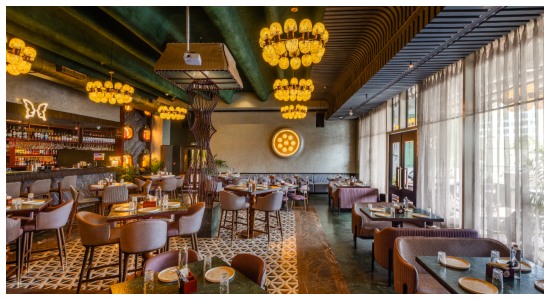
His later ventures; including Kanishka, Sindhu, Masalchi, Vaasu, Indian Essence, and Essence each developed their own unique personality while remaining anchored in quality, authenticity, and precision. For Kochhar, attention to detail is non-negotiable.
“The moment you go on autopilot, standards slip.”
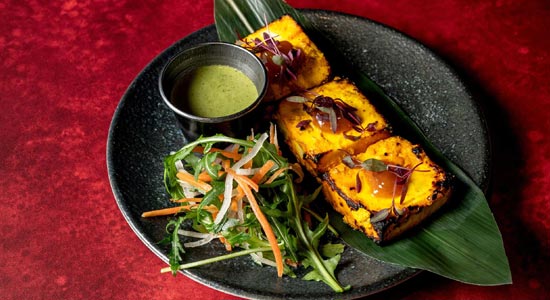
That philosophy continues to shape every restaurant he builds. For him, each restaurant has its own personality, which keeps things interesting. But the foundation is always the same, quality, authenticity, and care. He also believes that a Michelin star also changes one from within. “It makes you sharper, more focused, a little less tolerant of almost right. You realise that excellence isn't a big moment, it's the small things you repeat every single day,” he points.
Perhaps Kochhar’s greatest contribution has been his insistence that Indian cuisine is not monolithic. At Kanishka, he explored flavours inspired by India’s North-East, culinary traditions influenced by Tibet, Nepal, and China, where fermentation, drying, and salting take precedence over powdered spice blends. “That world is extraordinary and almost entirely unknown outside the region,” he says.
His cooking style remains instinctive rather than performative.
“When I mix Indian spices with British ingredients, I simply ask, does this feel right? Does it respect both sides?”
That philosophy has helped him bridge cultures without diluting authenticity. And while Indian food in London has evolved dramatically over the past two decades, Kochhar believes discipline and respect for tradition must remain at the heart of innovation. “You are not just cooking for yourself.”
The Business of Excellence
For him, running a successful restaurant is about more than creativity or awards. “Quality, authenticity, and care,” he says simply. A Michelin star, he explains, changes a chef internally. It sharpens focus. It teaches that excellence is not one grand gesture but hundreds of small details repeated consistently every day. That mindset has become especially important in today’s restaurant landscape, where social media visibility can often overshadow substance. “The food matters,” he says. “But the feeling matters just as much.” He believes the next generation of hospitality leaders must understand this earlier than his generation did — that hospitality is ultimately about people, not prestige.
The Last Lesson
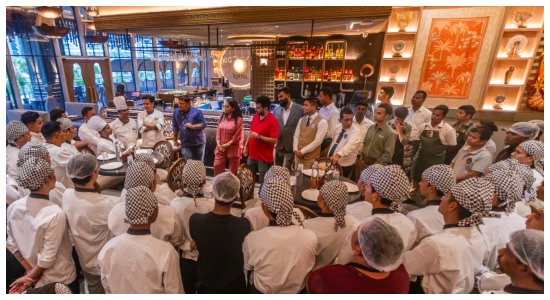
Despite the accolades, Kochhar speaks most passionately about mentorship. “What really stays with me is the people I have mentored,” he says. “If I can help a young chef believe in their own story, that feels like real success.”
He encourages aspiring chef-entrepreneurs to love their food, stay humble, remain honest, and respect the discipline of the craft. Learn to respect ingredients. And learn to respect the people who are already in the industry, because there is a lot you can learn from them. One should never stop learning as you learn every day.
“Attention is everything,” he repeats. His own story is proof of that philosophy. Leaving the security of The Oberoi in 1994 was not merely a career move, it was an act of belief. Belief that Indian cuisine had a larger story to tell in Britain. Belief that his background was not a limitation, but a strength.
When asked how he hopes history remembers him, Kochhar pauses thoughtfully before returning to the memory of his father’s words after the Michelin star announcement. “Son, I think you are on the right path now. You will do okay.” “If history says something close to that,” he smiles, “I will be very happy.”
Nusra
Consultant Associate Editor
A seasoned journalist with more than a decade experience in restaurant and retail business. I eat, drink, breathe and sense food as a source of my living and lifestyle. A foodie by birth and a journalist by choice. I started my career with Hindustan Times doing hard news, moving into features and finally landing myself in a food coma. Love to talk, hear and publish all food stories that makes anyone happy and hearty for more than a decade now. Apart from food, I love reading fiction, helping others and finding joy in little things...