
The Spirit of Change: How Gin Is Redefining India's Cocktail Culture
Gin witnessed its biggest growth phase during and immediately after the pandemic, becoming a mainstream cocktail spirit across urban bars and restaurants.

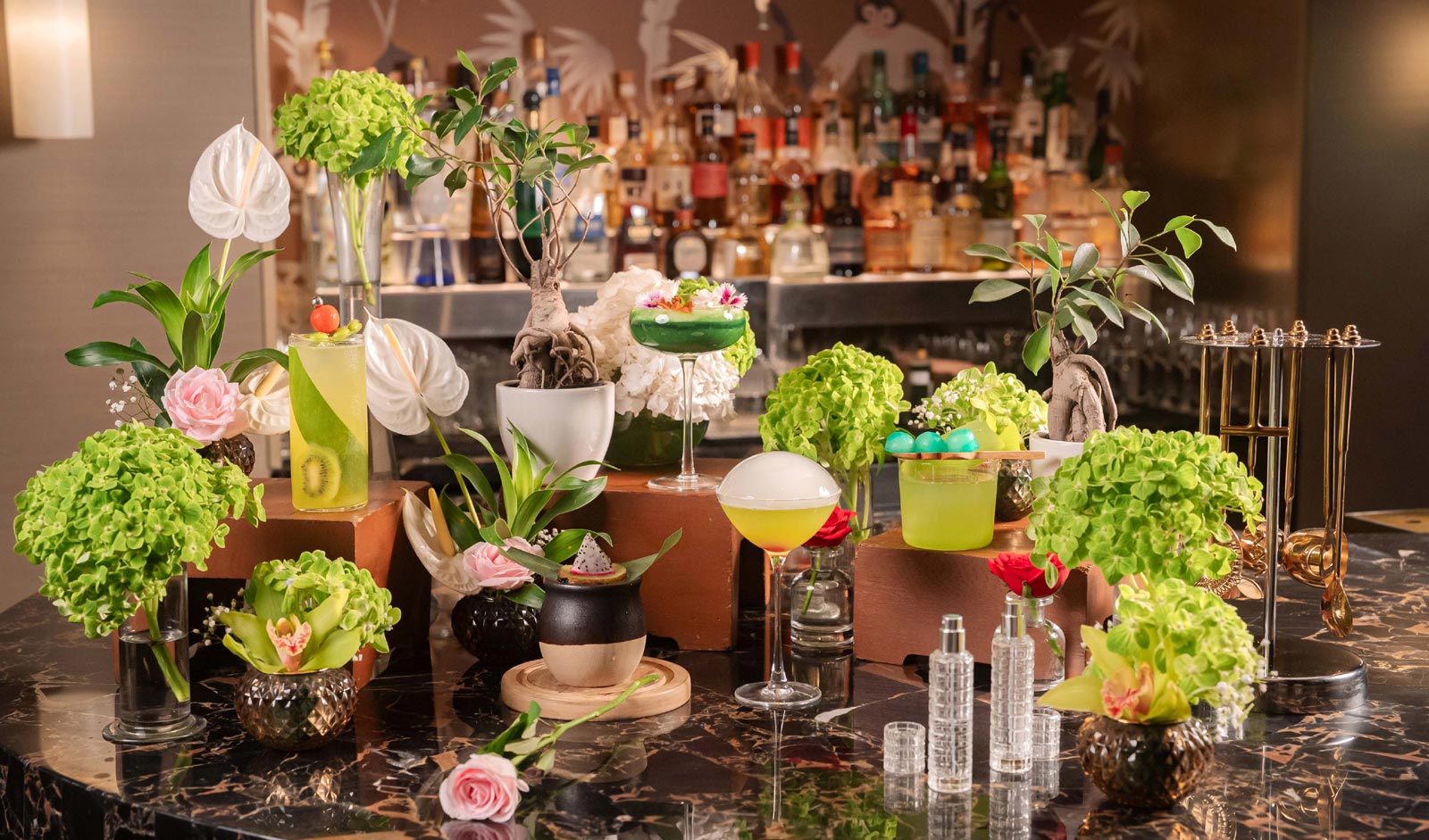
India's gin renaissance is no longer a trend, it's a fundamental shift on how consumers drink and how bars design their menus. Once considered a niche spirit with limited appeal, gin has emerged as one of the fastest-growing categories in urban hospitality, fuelled by craft distilleries, premiumisation, and a new generation of consumers seeking flavour, authenticity, and experience.
Across restaurants, bars, and breweries, operators are reporting a dramatic increase in gin's share of cocktail sales over the past five years. What began as a pandemic-era boom has evolved into a more mature movement driven by conscious consumption and a growing appreciation for craft spirits.
"Five years ago, gin was almost an afterthought on our cocktail menu, maybe 5% of cocktail sales. Today it's in the 20–25% range and still climbing. No other spirit category has moved that fast in my 26 years in this business," shared Ananth Narayan, Founder, JustBLR Group.
According to experts, the growth story is no longer simply about volume. Instead, consumers are increasingly trading up to premium and craft expressions that offer distinctive botanical profiles and compelling narratives.
"Consumers are moving away from everyday pours and gravitating towards craft gins with distinctive flavour profiles, authentic stories, and a clear sense of origin," said Syesha Kapoor, National Head – On Trade & Key Accounts, Raincheck Earth (for Cherrapunji Gin). "They're drinking more consciously and choosing quality over quantity. Consumers may be drinking less frequently than before, but they're far more intentional about what they're drinking."
The Rise of the Modern Gin Cocktail
While the Gin & Tonic remains the category's biggest entry point, consumers are increasingly exploring a broader range of serves.
"The Gin & Tonic remains one of the most popular serves, but we're also seeing strong demand for classics such as the Negroni, Martini, Gin Sour, Tom Collins, and spritz-style cocktails," said Kapoor. "What's particularly interesting is the resurgence of classic cocktails with a modern twist."
That trend is visible across hospitality formats. At Ironhill India, guests are embracing both traditional and contemporary gin cocktails featuring fresh ingredients and local influences.
"Classic cocktails such as the Gin & Tonic, Negroni, and Tom Collins continue to remain popular. However, consumers are increasingly gravitating towards contemporary gin cocktails that incorporate fresh fruits, herbs, floral notes, and regional ingredients," added Vidhatha Annamaneni, Co-Founder, Ironhill India.
Narayan believed localisation is creating some of the category's most exciting opportunities.
"The gin and tonic is the gateway as it's simple, refreshing and hard to get wrong. From there guests graduate to the Negroni, which has gone from a bartender's favourite to a mainstream order, and to gin sours and Brambles. What excites me most is the desi G&T – gin sits beautifully with Indian botanicals like kokum, jamun, gondhoraj lime and kala khatta, and that's where we're building our signatures,” he added.
Craft Gins Give Bars New Stories to Tell
One of the defining factors behind gin's rise has been the emergence of Indian craft gin brands that have brought local botanicals and regional narratives into the spotlight.
"Guests today are far more knowledgeable about what they're drinking than they were a few years ago," added Kapoor. "They are drawn to cocktails that feel authentic and have a genuine connection to a place, ingredient, or culture."
This desire for authenticity has helped craft gin producers carve out a strong position on cocktail menus.
"Brands like Greater Than, Stranger & Sons, Hapusa, Jaisalmer and Terai gave us a homegrown premium story to tell – Indian botanicals, Indian provenance, at a price point we can actually pour profitably," said Narayan. "When Diageo buys the maker of Greater Than and Hapusa, you know the category has arrived – it's no longer niche."
For bartenders, gin's botanical complexity also provides an unmatched canvas for experimentation.
"Gin is one of the most versatile spirits behind the bar because it brings its own depth and complexity through botanicals while still allowing other ingredients to shine," pointed Kapoor. "A gin cocktail can be bright and refreshing, rich and aromatic, spirit-forward, or highly experimental depending on the ingredients and style of service."
Women and Younger Consumers Lead the Shift
Industry leaders widely agree that women and younger drinkers have been instrumental in accelerating gin's popularity.
"Women and younger consumers have played a significant role in the growth of the gin category, particularly over the last five to seven years," said Kapoor. "Gin's lighter, more flavour-forward profile and its versatility in cocktails have made it especially appealing to consumers looking for a more experiential style of drinking."
Adding to the same, Annamaneni added, "Women and younger consumers have played a major role in accelerating the popularity of gin. This audience is more experience-driven and open to exploring diverse flavour profiles. Gin's lighter, more refreshing character and its adaptability in cocktails make it particularly appealing to consumers looking for balanced and approachable drinks."
Social media, visual presentation, and evolving drinking habits have further amplified the category's appeal.
"They're leading it," added Narayan. "Gin's lighter, aromatic, botanical character appeals to a generation that drinks for experience rather than intoxication, and a well-garnished G&T is simply more photogenic than a glass of whisky."
However, experts also believed that gin's audience has expanded beyond any single demographic. Consumers across age groups are becoming more curious about ingredients, production methods, and brand stories, helping the category achieve broader appeal.
And, beyond consumer demand, gin is proving attractive from an operational perspective as well. "Absolutely, and this is the part most people miss," said Narayan when asked whether gin is improving beverage margins. "A gin and tonic or a Negroni is a few seconds to build, completely consistent, with almost no wastage and very little room for pilferage. That's a beverage director's dream – high gross margin, easy execution, premium price."
For restaurants and bars, the combination of premium pricing, efficient execution, and growing consumer demand makes gin one of the most commercially attractive categories in the market today.
As consumers continue to seek authentic experiences, regional storytelling, and premium products, industry leaders believe gin's momentum is far from over. The next chapter is likely to be defined by hyper-local ingredients, innovative cocktail programs, and further premiumisation as drinkers become increasingly discerning. Perhaps Narayan sums it up best:
"Whisky built India's bars; gin is rewriting their menus."
Nusra
Consultant Associate Editor
A seasoned journalist with more than a decade experience in restaurant and retail business. I eat, drink, breathe and sense food as a source of my living and lifestyle. A foodie by birth and a journalist by choice. I started my career with Hindustan Times doing hard news, moving into features and finally landing myself in a food coma. Love to talk, hear and publish all food stories that makes anyone happy and hearty for more than a decade now. Apart from food, I love reading fiction, helping others and finding joy in little things...









































