
The Secret Spice Box: Most Common Spices Chefs Can’t Live Without
Every chef carries a story with spices. Some follow old traditions, while others explore new ways with bold mixes. Yet, all agree that spices are the heart of every dish.

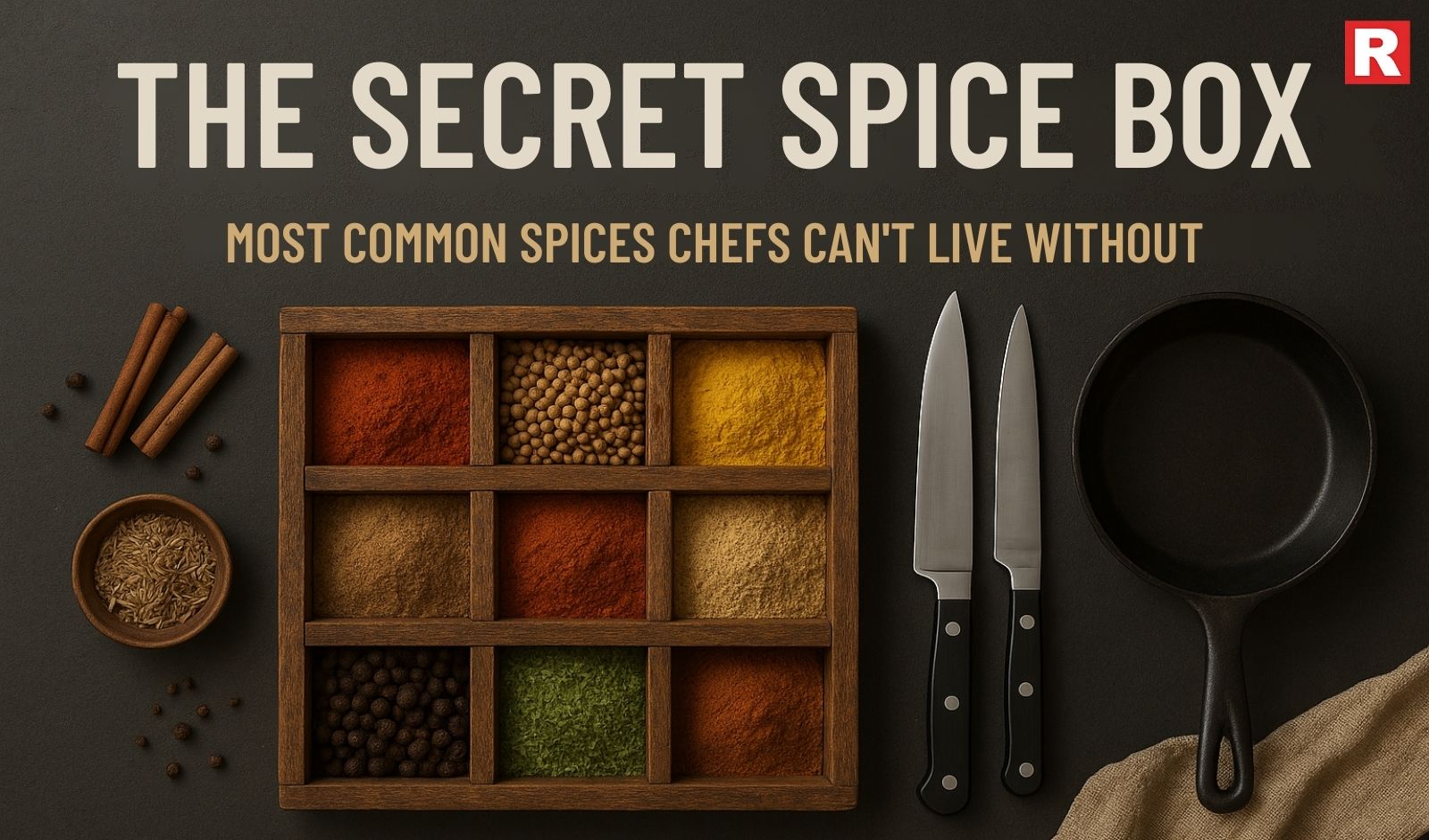
Walk into any professional kitchen and the first thing that stands out is the shelf of spices. It sits behind the knives, pans, and flames, yet it holds equal importance. To chefs, spices are more than flavoring agents. They are history, culture, and memories stored in small jars. Every pinch carries emotion, tradition, and technique. The way a chef chooses and uses spices can define the entire dish. A simple touch of cumin, black pepper, or cinnamon can create layers of taste that stay with the diner long after the meal is over. In one kitchen, a chef tossed cumin seeds into hot oil. Within seconds, the room was filled with a nutty, earthy smell that made everyone stop and notice. It was not just cooking, it was an experience. Spices may appear small, but they are powerful. They bring food to life and turn the ordinary into something memorable. For chefs, the spice box is not just a tool. It is the heart of their craft.
Read more: Top 5 States With the Spiciest Food in India
12 Delicious High-Protein Foods to Eat Daily for a Healthier You
Why Spices Matter in Cooking
Chefs often say, “Spices are the soul of a dish.” And it is true. They bring flavor, aroma, and color to food. Without spices, even the best ingredients can taste flat. Spices also tell stories of culture. Think of turmeric in Indian curries, oregano in Italian pasta, or cinnamon in Middle Eastern stews. Each spice carries history and connects food to its roots.
There is also a health angle. Many spices are natural healers. They help with digestion, immunity, and even mood. That is why chefs see them not just as flavor boosters but also as nature’s gifts.
Most Common Spices Chefs Swear By
In this article, let’s explore the most common spices chefs use, why they matter, and how you can use them in your own cooking.
1. Black Pepper – The King of Spices
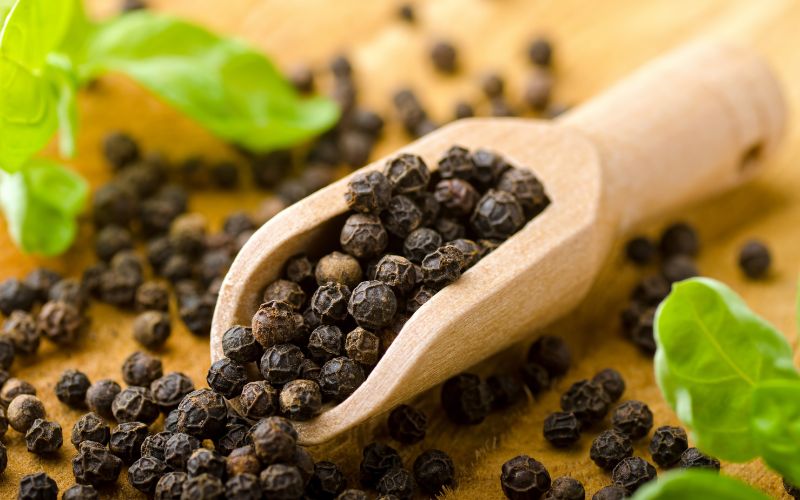
Black pepper is one of the most widely used spices in kitchens around the world. Chefs reach for it every day because of its sharp and slightly spicy taste. It blends well with both simple and rich dishes. Soups, salads, eggs, and steaks often get their final touch from freshly ground pepper. Many chefs prefer to grind whole peppercorns instead of using ready-made powder, as it brings out a stronger aroma and a more intense flavor.
2. Cumin – Earthy and Nutty
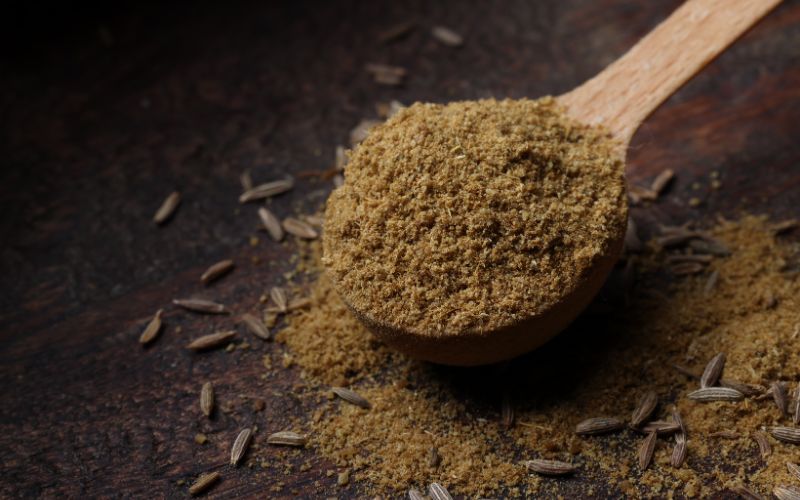
Cumin is known for its warm, earthy flavor and is an essential spice in many cuisines. Chefs use it in Indian curries, Mexican tacos, and Middle Eastern dishes. When roasted or heated in oil, cumin seeds release a nutty fragrance that fills the kitchen with a rich aroma. It adds depth to meat, vegetables, and sauces. Cumin is also praised for its ability to balance flavors and give food a wholesome taste, making it a favorite for chefs worldwide.
3. Turmeric – The Golden Touch
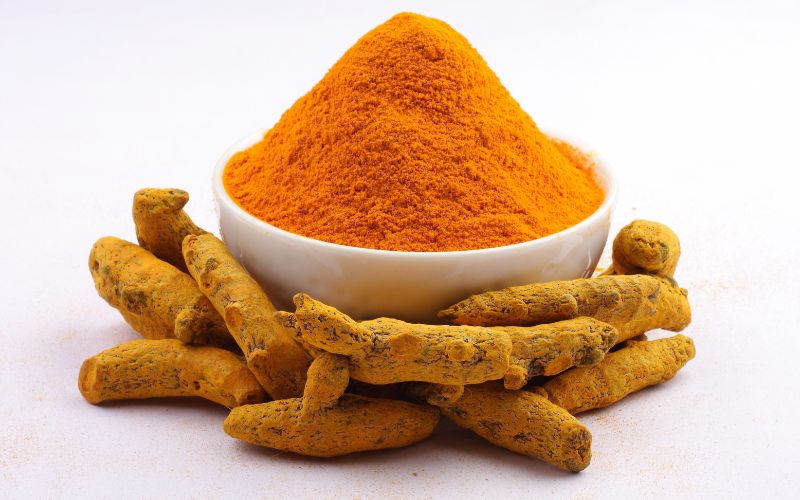
Turmeric is famous for its bright golden color and earthy taste. Chefs use it to add both flavor and a striking hue to rice, curries, and soups. Beyond cooking, turmeric is valued for its health benefits, especially its anti-inflammatory qualities. A small pinch can change the appearance and feel of a dish. Chefs appreciate its versatility, as it fits well in both savory and health-focused recipes. Turmeric is often called the golden spice because of its unique qualities.
4. Cinnamon – Sweet and Savory
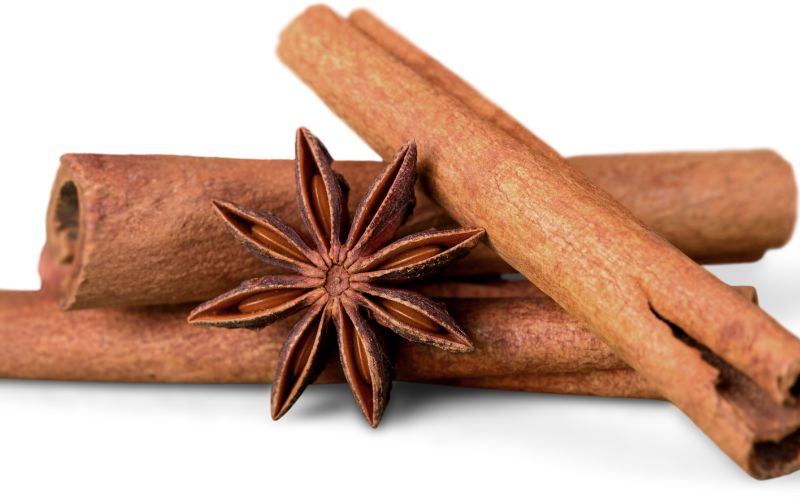
Cinnamon is a spice that works beautifully in both sweet and savory cooking. Chefs often add it to curries, biryanis, and meat dishes for a warm, slightly sweet flavor. It also enhances desserts like cakes, cookies, and puddings, where it pairs well with fruits and chocolate. Cinnamon sticks can be simmered in broths or rice to give a mild fragrance. Ground cinnamon is common in baking. Its balanced flavor makes it a popular choice in kitchens around the world.
Know more: 5 Ways to Use Garden Cress Seeds (Halim) for Stronger Hair and Bones
5. Paprika – A Colorful Kick
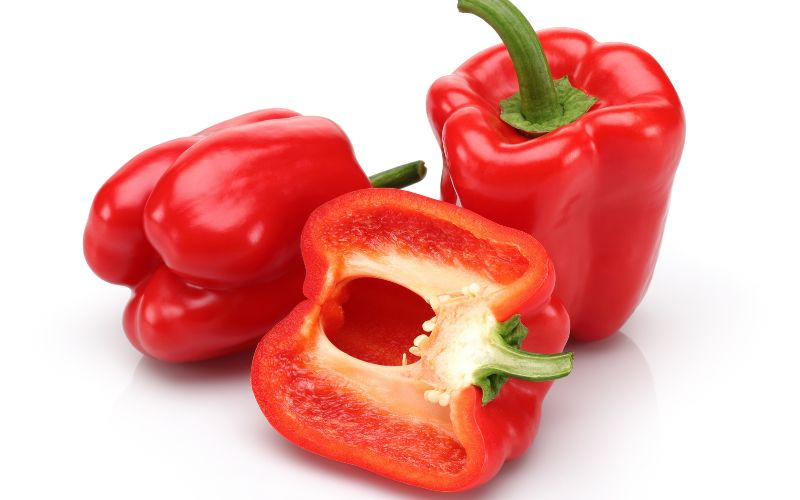
Paprika is loved by chefs for its bright red color and range of flavors. It can be sweet, smoky, or hot, depending on its variety. This spice is common in Spanish and Hungarian cuisines and is often used in stews, sauces, and grilled meats. Chefs also use paprika to add a gentle heat without overpowering the dish. Beyond taste, it brings a bold appearance to food, making meals more appealing. Its versatility makes it a must-have spice in kitchens.
6. Cloves – Tiny but Powerful
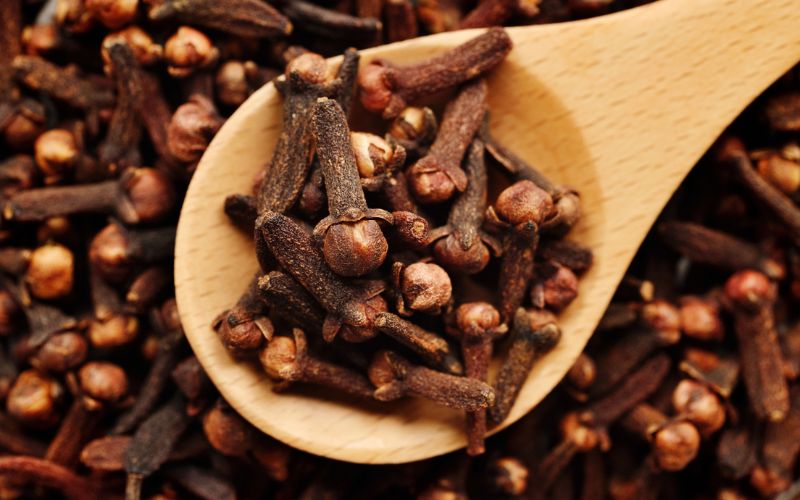
Cloves are small, but they carry a very strong taste and aroma. Chefs add them to curries, sauces, and festive dishes for a deep, warm flavor. Even a single clove can transform the character of food. They are often used in marinades and broths to give a rich, spicy base. Cloves can also be paired with sweet preparations like spiced cakes. Their strength means they must be used carefully. Chefs rely on this spice when they want intensity in flavor.
7. Nutmeg – The Subtle Secret
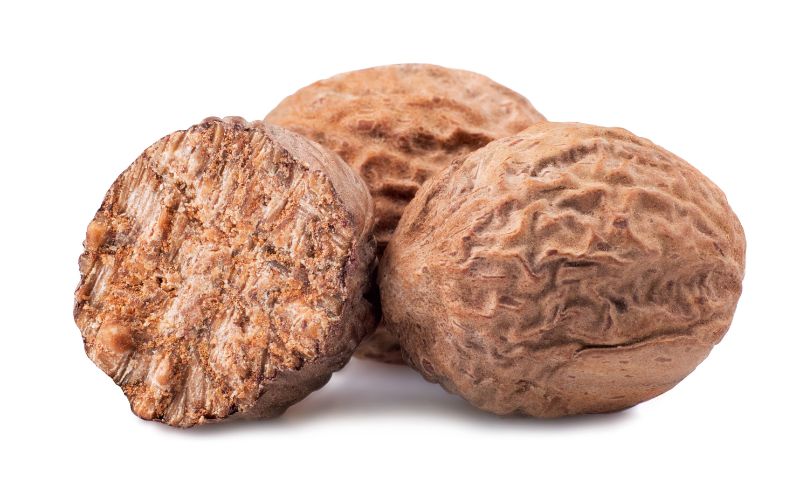
Nutmeg is a spice with a sweet, slightly woody taste that works in both sweet and savory dishes. Chefs often add a small amount to creamy sauces, soups, and desserts. Freshly grated nutmeg gives a stronger flavor than pre-ground versions. It is popular in baked goods and pairs well with dairy-based recipes. Though subtle, it has the power to lift the overall taste of food. Chefs call it a secret ingredient because even a pinch makes a noticeable difference.
8. Oregano and Basil – Italian Staples
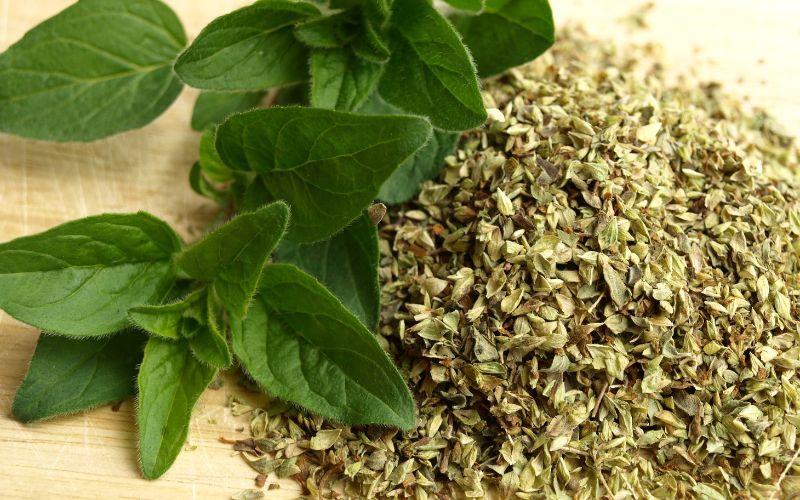
Oregano and basil are essential herbs in Italian cooking. Oregano has a strong, earthy flavor, while basil is more sweet and fresh. Together, they shape the taste of pastas, pizzas, and tomato-based sauces. Fresh basil is often added at the end of cooking for brightness, while oregano is usually dried and blended into dishes for depth. Chefs use them to balance acidity in sauces and highlight vegetables. These herbs are kitchen staples that bring a true Italian touch to meals.
Also check: 5 Foods to Avoid for Better Cholesterol
9. Cardamom – The Queen of Spices
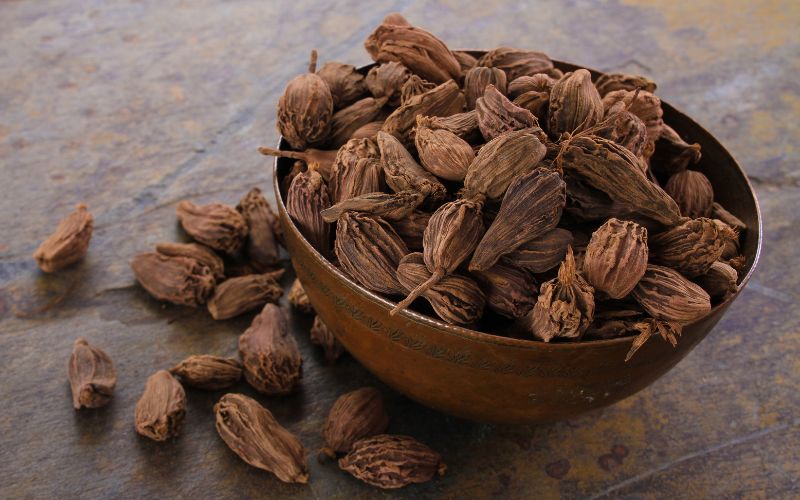
Cardamom is often called the queen of spices for its unique, sweet aroma. Chefs use it in desserts, curries, and even drinks like tea and coffee. In Indian sweets and Middle Eastern dishes, it adds a fragrant depth. The spice is often used whole, slightly crushed, or in powdered form. Cardamom pairs well with both sweet and savory flavors, making it versatile. Its presence is strong, so chefs usually add it carefully to create balance without overpowering the dish.
10. Chili Powder – A Dash of Heat
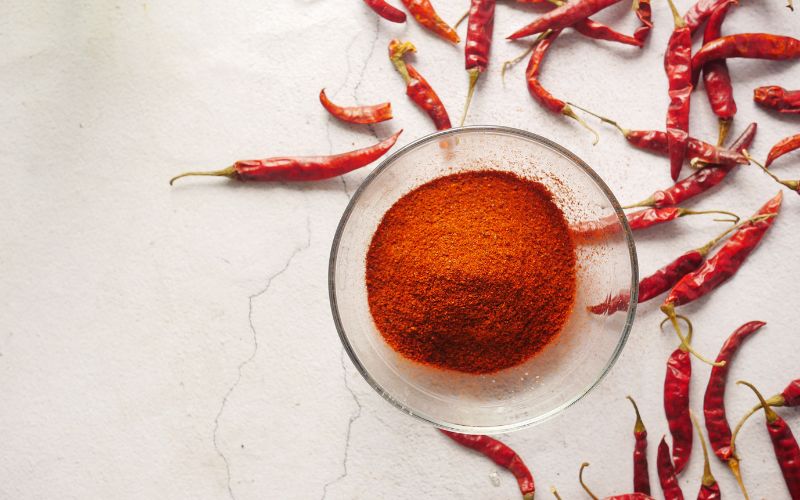
Chili powder is a common spice that brings heat and energy to food. Chefs use it in stir-fries, curries, and marinades to add warmth and flavor. Chili flakes are also sprinkled over pizzas, noodles, and snacks. Depending on the type, chili powder can range from mild to very hot. Its bold taste helps balance rich or fatty foods. Many kitchens keep it as a go-to spice for quick seasoning. It is one of the simplest ways to add excitement to dishes.
Chef’s Tips on Using Spices Right
- Blooming in oil: Heating whole spices in oil or butter before cooking releases their full aroma.
- Fresh is best: Grinding spices fresh gives stronger flavor than store-bought powders.
- Balance is key: Too many spices can confuse the palate. Chefs always focus on harmony.
- Pairing matters: Cinnamon goes well with lamb, cumin with beans, and nutmeg with dairy.
Interesting Spice Facts
- Pepper was called “black gold” in the Middle Ages.
- Wars were fought over nutmeg in the 16th century.
- Saffron, though not on this list, is more expensive than gold per gram.
These stories show that spices are not just kitchen items. They shaped trade, history, and even politics.
Check more: 7 Healthy Chicken Dishes to Maintain Your Diet
6 Common Fruits That Have the Highest Amount of Fibre: Your Tasty and Simple
7 Chinese Dishes That Can Be a Healthy Option for Your Diet
Health Benefits
Spices also act as natural healers. That is why chefs today talk about food being both tasty and healthy.
- Turmeric: fights inflammation.
- Cinnamon: helps balance blood sugar.
- Cloves: have antibacterial power.
- Black pepper: improves digestion.
When chefs pick spices, they think not only of taste but also of wellness.
Final Thoughts
Every chef carries a story with spices. Some follow old traditions, while others explore new ways with bold mixes. Yet, all agree that spices are the heart of every dish. They bring food alive and give it character. In every kitchen, the spice box holds the key to creativity. A pinch of cumin on roasted vegetables adds warmth. A dusting of paprika over eggs gives color and taste. A touch of cardamom in tea brings a fresh, sweet aroma. Small changes create big experiences. Chefs believe cooking is not only about feeding the body. It is about touching emotions and leaving memories on the plate. Spices make that possible. They remind us that food is more than ingredients. It is a story told in flavor.
Saptopriya Ghosal
Feature Writer
I am a dedicated media professional with a bachelor's degree in mass communication from the State University of Calcutta and a postgraduate degree from Amity University. My academic journey has equipped me with a profound understanding of storytelling and communication. Passionate about the dynamic world of media, I continually strive to explore new ways to engage and inform through compelling narratives.



































































































































































