The Rise of Women-Led Alcohol Brands in India
The future of women-led alcohol brands in India will depend on scale. Craft success is one step. Expanding across multiple states is another challenge.

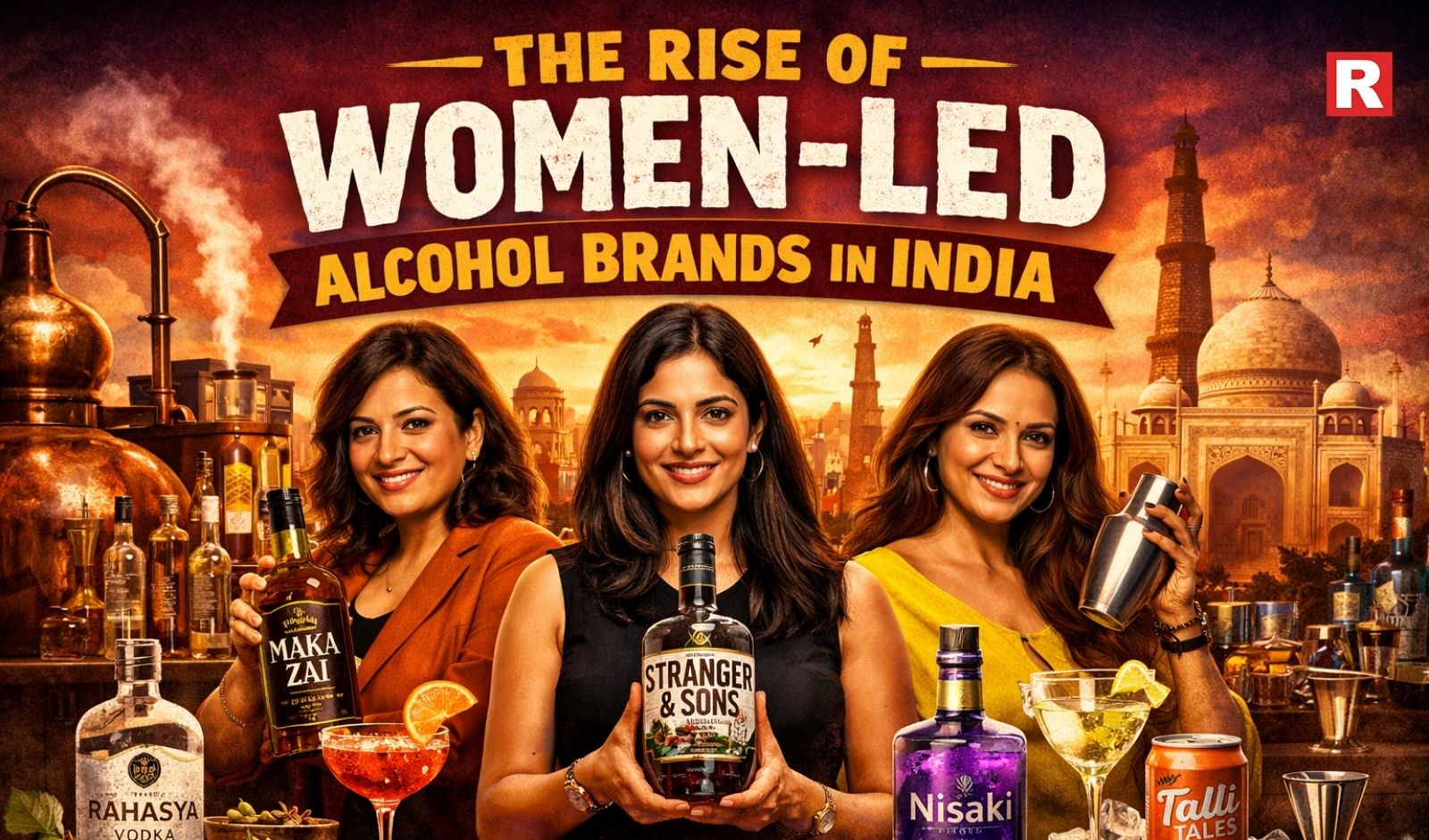
India’s alcohol industry is changing. For decades, it was seen as a male-dominated space. Most founders, distributors, and decision-makers were men. Marketing was also largely targeted at men. That story is now shifting. A new wave of women founders, co-founders, master blenders, and brand leaders is shaping the future of alcohol brands in India.
This is not a symbolic change. It is a structural shift. Women are building premium spirits brands. They are entering manufacturing, branding, and distribution. They are understanding evolving consumer behaviour. And they are creating products that compete globally. The rise of women-led alcohol brands in India reflects a larger transformation in urban lifestyles, consumer confidence, and entrepreneurial ambition.
India’s Alcohol Market Is Ready for Change
India is one of the fastest-growing alcohol markets in the world. Premiumisation is driving growth. Consumers are trading up from mass brands to craft spirits, boutique labels, and experiential drinking formats.
Urban millennials and Gen Z consumers are experimenting more. They are open to gin, craft rum, flavoured vodka, and ready-to-drink cocktails. Social spaces have become more inclusive. Women are not just occasional consumers. They are regular participants in nightlife, fine dining, and home entertaining. This consumer evolution has opened space for new founders. Women entrepreneurs are entering the industry not as niche players but as serious business builders.
Read more: Top 5 Strong Beer Brands in India: Bold Brews for the Bold Drinker
Top 10 Vegan Street Foods in India Every Indian Loves
From Corporate Careers to Craft Spirits
One of the most powerful examples is Stilldistilling Spirits, the company behind the premium rum brand Maka Zai. Founded by Kasturi Banerjee, a former investment banker, the brand combines Indian storytelling with technical precision in rum production.
The shift from banking to distilling is not random. It reflects strategic thinking. Many women founders entering alcohol today bring corporate, finance, or consulting backgrounds. They understand supply chains. They understand pricing strategy. They understand regulatory complexity in India’s state-wise alcohol policies. This technical competency is critical. India’s alcohol industry is heavily regulated. Excise structures differ from state to state. Distribution is fragmented. Margins depend on strong backend planning. Women founders entering this space are not just brand faces. They are navigating compliance, sourcing, production planning, and investor conversations.
Craft Gin and Global Recognition
Another major success story is Stranger & Sons, co-founded by Sakshi Saigal. The brand has positioned Indian craft gin on the global map. Craft gin requires botanical precision. Each ingredient must be measured. Distillation must maintain flavour consistency. International competitions evaluate aroma, balance, and finish. This is not a soft business. It is chemistry, engineering, and sensory science.
Women-led participation in such technically demanding categories shows how the narrative has matured. The focus is on product excellence. The brand story supports the liquid, but the liquid must stand on its own.
Reimagining Vodka and Local Flavours
Innovation is not limited to gin and rum. Brands such as Rahasya Vodka, founded by Varna Bhat, are experimenting with Indian spice-forward flavour profiles. Instead of copying international vodka templates, these brands are building flavour identities rooted in local taste preferences.
This approach reflects deeper consumer insight. Indian palates are comfortable with spice complexity. Women founders are recognising this and building differentiated SKUs. Product development in this space requires controlled infusion techniques, filtration methods, and stability testing. It also requires understanding how flavours perform in cocktails.
Experience-Led Spirits and Visual Innovation
Another interesting case is Nisaki Gin, launched by Nidhi Kedia. The brand introduced a colour-changing gin that responds to tonic water. At first glance, this may seem like pure marketing. But colour-changing spirits require careful pH-sensitive botanical selection. Stability during storage is critical. The liquid must remain consistent across batches.
This is where technical capability meets consumer psychology. Today’s consumers, especially in urban India, are drawn to experience. Social media visibility matters. A drink that changes colour at the table creates engagement. Women founders are tapping into this experiential economy without compromising on quality.
Know more: 12 Affordable Spirits That Taste Like They Cost a Fortune
Ready-to-Drink Is Not a Side Category
The ready-to-drink segment is expanding rapidly in India. Younger consumers want convenience. They want measured alcohol content. They want approachable flavours. Brands like Talli Tales are addressing this gap. The RTD model requires a different operational setup compared to traditional spirits. It involves carbonation control, shelf-life testing, canning technology, and retail-friendly pricing.
This category also demands strong market education. Many consumers are still learning how RTDs differ from beer or traditional cocktails. Women-led brands in this space are focusing on clarity, transparency, and flavour balance.
Breaking Stereotypes in Branding
One important shift in women-led alcohol brands in India is the absence of “pink marketing.” These brands are not positioning themselves as “drinks for women.” They are positioning themselves as good drinks.
This matters. Modern Indian consumers reject gender stereotypes in product positioning. Women founders are designing brands that are inclusive. Packaging is premium. Communication is bold but not caricatured. The tone is confident. The uniqueness lies in authenticity. These brands are not reacting to trends. They are building long-term equity.
Operational Strength Behind the Scenes
Running an alcohol brand in India is complex. Founders must manage:
- State excise registrations
- Label approvals
- Distributor negotiations
- Retail placements
- Cash flow cycles
- Working capital tied to inventory
Women entrepreneurs entering this sector are building structured teams. Many rely on data-driven forecasting. They are careful with SKU expansion. They invest in brand education through tastings and curated events. This operational discipline separates serious brands from short-lived labels.
Target Audience: Who Is Driving Growth?
The primary audience for women-led alcohol brands in India includes:
- Urban professionals aged 25 to 40
- Premium bar-goers and fine dining consumers
- Cocktail enthusiasts
- Young entrepreneurs and startup communities
- Women consumers seeking representation and quality
These consumers value authenticity. They read labels. They care about sourcing. They are open to paying more for craft quality. Secondary audiences include investors and hospitality professionals. Investors are looking for differentiated brands with strong origin stories and operational clarity. Bars and restaurants are seeking Indian craft labels that can stand next to international imports.
Also check: How Bourbon Whiskey Is Made & The Top 5 Bourbon Whisky Brands in India
How to Pair Beer with Indian Food: A Desi Guide to Perfect Pints
Why This Movement Has Long-Term Value
This rise is not a short-term media narrative. It reflects three deeper trends:
First, women’s financial independence in urban India is growing. More women are entering entrepreneurship.
Second, alcohol consumption patterns are diversifying. Gin, rum, and RTDs are growing categories.
Third, branding has become as important as distribution. Women founders often bring sharp storytelling skills combined with structured business thinking.
Gender diversity in leadership is also commercially smart. Different leadership perspectives improve product innovation and consumer engagement.
The Road Ahead
The future of women-led alcohol brands in India will depend on scale. Craft success is one step. Expanding across multiple states is another challenge. Export opportunities may become a growth lever. What is clear is this: women are no longer peripheral to India’s alcohol industry. They are founders, decision-makers, and innovators. They are building technically sound, premium, and globally competitive brands. For anyone tracking India’s beverage sector, this is one of the most important structural shifts of the decade. The industry is becoming more inclusive. But more importantly, it is becoming more dynamic, more experimental, and more future-ready. Women-led alcohol brands in India are not a niche story. They are a serious business movement.
Saptopriya Ghosal
Feature Writer
I am a dedicated media professional with a bachelor's degree in mass communication from the State University of Calcutta and a postgraduate degree from Amity University. My academic journey has equipped me with a profound understanding of storytelling and communication. Passionate about the dynamic world of media, I continually strive to explore new ways to engage and inform through compelling narratives.