
The Rise of Tasting Menus in Tier-2 Indian Cities
Restaurants may also experiment with shorter tasting formats for weekday diners. Five-course express journeys instead of nine-course dinners.

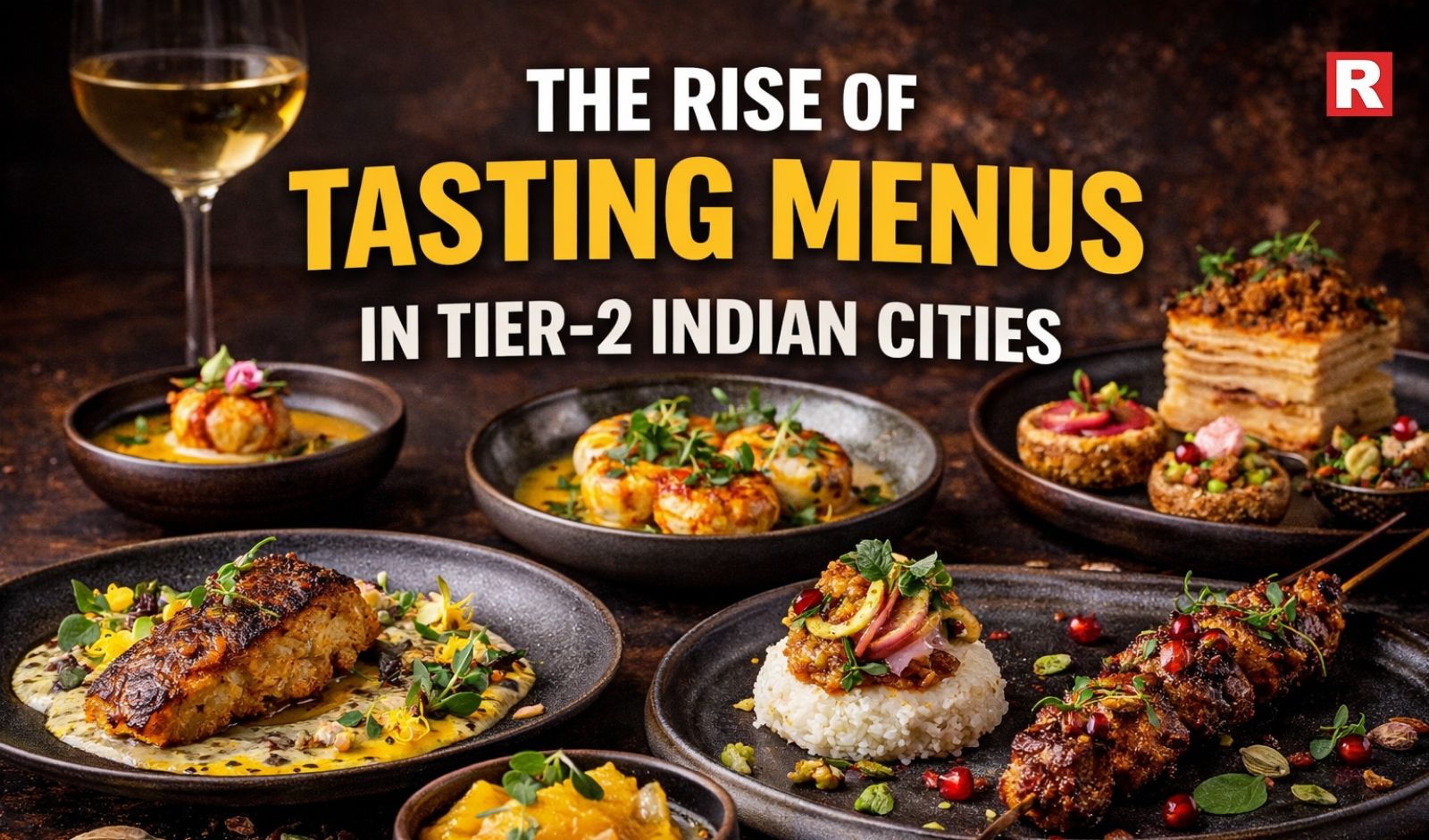
Fine dining in India is no longer limited to Mumbai or Delhi. A quiet shift is happening across cities like Jaipur, Lucknow, Indore, Kochi, Surat, and Chandigarh. Restaurants in these Tier-2 markets are embracing tasting menus. And diners are responding with enthusiasm.
This is not a passing trend. It reflects a deeper change in how India eats, spends, and experiences food.
What Is a Tasting Menu?
A tasting menu is a multi-course meal curated by the chef. Instead of ordering individual dishes, guests trust the kitchen to guide them through a planned journey. Courses are smaller in portion but higher in detail. Each plate builds on the previous one.
It allows chefs to experiment. It allows diners to explore. Unlike regular à la carte dining, tasting menus focus on storytelling. The meal may highlight a region, a season, a memory, or even a single ingredient. The structure is tight. The pacing is intentional. The experience feels premium.
Why Tier-2 Cities Are Ready
Tier-2 Indian cities have changed significantly in the last decade. Disposable income has grown. Travel exposure has increased. Social media has reshaped aspiration. Many young professionals in cities like Jaipur and Kochi have studied or worked in metro cities. Some have travelled internationally. They return home with evolved taste preferences. They want more than standard butter chicken and paneer tikka. They want curated dining.
Digital platforms have also played a role. Instagram, Google Reviews, and food delivery apps have educated diners. People understand what a degustation menu is. They know how a wine pairing works. They follow chefs and culinary pages. The demand for experiential dining India is visible in booking patterns. Limited-seat chef tables sell out faster. Pop-up dinners attract waiting lists. Special tasting nights create buzz. Tier-2 cities are no longer conservative dining markets. They are aspirational and experimental.
Read more: Top Single-Origin Spices Are Becoming a Restaurant Differentiator
Top Gourmet Desserts with Indian Ingredients Are Going Global
Local Identity Meets Global Technique
One of the strongest reasons for the rise of tasting menus in Tier-2 India is local pride. Chefs are using regional ingredients and presenting them with modern techniques. A Gujarati restaurant may reinterpret undhiyu in a plated, deconstructed format. A Lucknow-based chef may design a progressive Awadhi tasting journey. In Kochi, seafood tasting menus highlight coastal flavors with refined plating.
This blend of local sourcing and global execution makes the concept unique. It does not feel copied from metros. It feels rooted. Local sourcing also improves economics. Indigenous produce is easier to procure. It reduces supply chain stress. It supports farmers. It allows restaurants to build seasonal tasting menus. This adds sustainability and authenticity to the format.
Business Logic Behind the Trend
Tasting menus are not only creative decisions. They are strategic business tools. From an operational perspective, tasting menus improve control. Portion sizes are pre-defined. Ingredient quantities are forecasted more accurately. Food wastage reduces. Inventory planning becomes tighter.
Menu engineering becomes sharper. Instead of managing 60 items, the kitchen focuses on a curated set of dishes. Execution improves. Consistency improves. Pricing strategy also becomes clearer. A fixed tasting menu price simplifies billing. It sets customer expectations in advance. Restaurants can protect margins better compared to fluctuating à la carte orders. In Tier-2 markets, pricing remains relatively accessible compared to metro cities. This makes tasting menus aspirational yet attainable. Diners feel they are getting a premium experience at fair value.
Know more: 5 Cities That Serve the Best Non-Vegetarian Street Food
The Role of Chefs
For chefs, tasting menus offer creative freedom. Instead of cooking repetitive bestsellers, they can showcase technique. Fermentation, sous vide, molecular touches, regional reinterpretation — all fit better in a curated format. Many chefs in Tier-2 cities trained in larger metros. Some worked abroad. When they return to their hometowns, they want to introduce something new. Tasting menus become their signature. They also help build personal brands. A chef-led tasting menu strengthens identity. It positions the restaurant as destination dining rather than casual eating. In competitive but smaller markets, differentiation is crucial. A tasting menu creates that edge.
Changing Consumer Psychology
Diners today value experiences over volume.
Earlier, dining out meant large portions and heavy meals. Now, especially among urban professionals aged 25 to 45, the focus is different. They want curated evenings. They want conversation around food. They enjoy understanding ingredients and technique.
Tasting menus encourage slower dining. They increase table time. They improve customer engagement. Servers explain each course. Interaction increases. The overall satisfaction is higher.
Social media amplification also matters. Multi-course meals are more photogenic. Each dish becomes content. That organic visibility helps restaurants grow.
In cities like Chandigarh and Surat, weekend tasting menus are becoming celebration formats. Anniversaries, birthdays, and special occasions now include chef’s tasting bookings.
Operational Challenges
Despite the benefits, tasting menus require discipline. Kitchen teams must maintain strict timing. Courses should not overlap. Service staff must be trained to explain dishes confidently. Ingredient quality must be consistent. Supply chain in Tier-2 cities can sometimes limit access to specialty products. Restaurants solve this by focusing on regional ingredients instead of imported ones. Another challenge is educating diners unfamiliar with the format. Some guests expect large portions. Restaurants address this by clearly communicating the number of courses and portion philosophy during reservations. Reservation management is also important. Since tasting menus are time-intensive, table turnover is slower. Restaurants often restrict seating capacity to maintain quality.
The Influence of Technology
Technology has strengthened the rise of tasting menus in India. Reservation platforms allow advance bookings and prepaid confirmations. This reduces no-shows. QR-based menus provide detailed course explanations. Digital feedback systems help track guest preferences. Some restaurants integrate wine or beverage pairings digitally. Guests can scan codes to read pairing notes. This improves engagement. Social media analytics also guide menu planning. Chefs observe which dishes perform well visually and adjust accordingly.
Also check: What is Kimchi? Top Veg Kimchi You Can Try at Home
Top 5 States With the Spiciest Food in India
5 Ways to Use Garden Cress Seeds (Halim) for Stronger Hair and Bones
Why This Trend Has Staying Power
This shift is not temporary. Tier-2 Indian cities are developing strong hospitality ecosystems. Boutique hotels, premium cafés, craft breweries, and specialty restaurants are increasing. Tasting menus fit naturally into this growth. As culinary literacy increases, diners will demand more curated formats. Exposure through travel and digital platforms will continue shaping expectations. At the same time, local storytelling will differentiate Tier-2 tasting menus from metro formats. Instead of copying international fine dining styles, these cities are building regional narratives. That balance of aspiration and authenticity makes the trend sustainable.
The Future!
The next phase may include hyper-regional tasting concepts. Seasonal farm-to-table journeys. Regional beverage pairings. Limited-seat chef collaborations across cities. Restaurants may also experiment with shorter tasting formats for weekday diners. Five-course express journeys instead of nine-course dinners. For entrepreneurs exploring expansion beyond metros, Tier-2 cities now present serious opportunities. The audience exists. The spending power exists. The curiosity exists. Tasting menus are no longer elite experiments. They are structured, strategic, and culturally relevant offerings. India’s culinary evolution is not confined to its biggest cities. It is unfolding across emerging urban centers. And tasting menus are leading that story. The rise of tasting menus in Tier-2 Indian cities signals something larger. It signals confidence. It signals creative ambition. And most importantly, it signals that Indian diners are ready for deeper, richer, more thoughtful food experiences.
Saptopriya Ghosal
Feature Writer
I am a dedicated media professional with a bachelor's degree in mass communication from the State University of Calcutta and a postgraduate degree from Amity University. My academic journey has equipped me with a profound understanding of storytelling and communication. Passionate about the dynamic world of media, I continually strive to explore new ways to engage and inform through compelling narratives.



































































































































































