
The Rise of Regional Flavours in Fast-Food Menus in India
India’s food culture is layered and diverse. Brands that combine regional understanding with operational precision will outperform others. Fast food in India now reflects both global structure and regional character.

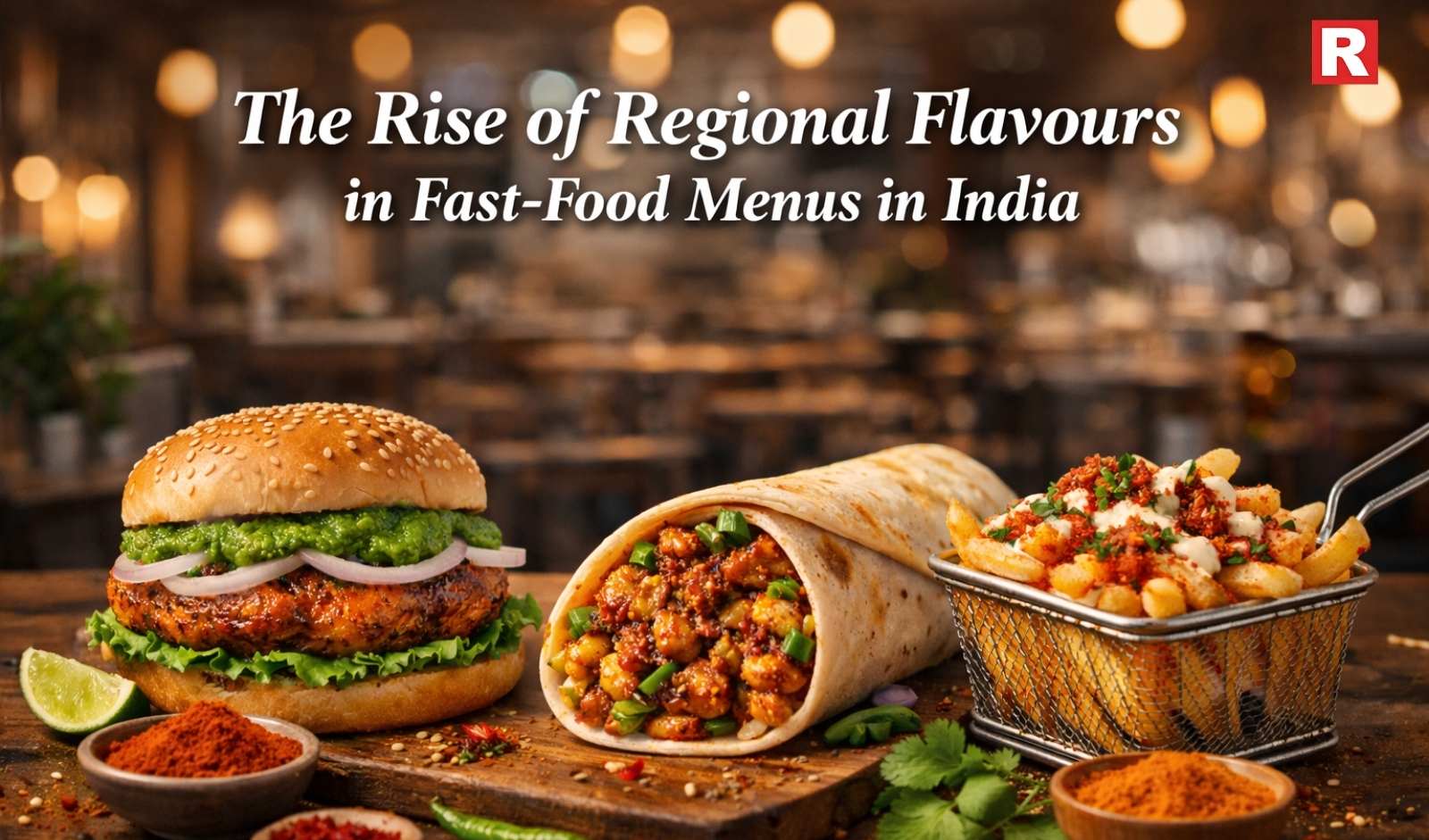
India does not follow one taste profile. It embraces many. Each state carries its own spice balance, cooking methods, and comfort dishes shaped by history and climate. For years, fast-food chains relied on global templates. Standard burgers, fries, fried chicken, and pizzas defined the category. That formula delivered scale, but not always emotional connection. Today, the approach is changing. Regional flavours are entering mainstream fast-food menus across India. This shift is deliberate. Brands are using consumer data, sales heat maps, and flavour testing labs to guide decisions.
Menu engineering teams study spice tolerance levels, texture preferences, and regional ingredient familiarity before launch. Limited-time offers are piloted in select cities to measure adoption and repeat orders. Supply chains are recalibrated to source local spices while maintaining consistency at scale. The objective is clear. Increase relevance. Drive repeat purchase. Expand in Tier 2 and Tier 3 markets. For QSR operators, this is not about adding a masala label. It is about structured localisation. For marketers, it offers sharper positioning. Regionalisation is becoming a growth strategy, not just a menu experiment.
India’s QSR Market Is Evolving
India’s quick-service restaurant (QSR) market has grown rapidly over the last decade. Urbanisation, rising incomes, and food delivery platforms have expanded access. Consumers in Tier 2 and Tier 3 cities are ordering as frequently as metro customers.
However, growth has also increased competition. Most brands sell similar formats. When everyone offers burgers and pizzas, differentiation becomes difficult. That is where regional flavours step in. Brands are now blending global formats with local taste profiles. A burger may carry makhani sauce. Fries may be dusted with chaat masala. Pizza toppings may include paneer tikka or Chettinad seasoning. These changes are not cosmetic. They are carefully designed.
Read more: What Restaurant Menus Reveal About Changing Alcohol Preferences in India
Raising a Glass: How Bars Influence Whisky Brand Growth in India
Why Regional Flavours Are Gaining Ground
1. Familiarity Builds Trust
Indian consumers enjoy experimenting. But they also seek comfort. A burger with butter chicken sauce feels innovative yet safe. A wrap with Andhra-style spices connects emotionally. Food in India is tied to identity. Regional flavours create an instant connection. That connection drives repeat purchase.
2. Tier 2 and Tier 3 Market Expansion
Smaller cities are now major growth engines for QSR brands. But taste preferences vary sharply. What works in Mumbai may not work in Coimbatore or Guwahati. Localisation increases acceptance. It signals that the brand understands the region. It reduces the perception of “foreignness” in fast food.
3. Competitive Differentiation
When menus look similar, flavour becomes the battlefield. Regional positioning gives brands a story. It gives marketing teams content. It gives consumers something new to try. In a crowded market, distinct flavour identity creates recall.
4. Delivery Platforms Enable Testing
Digital platforms like Zomato and Swiggy have changed menu experimentation. Brands can launch limited-time regional items in select cities and track performance in real time. Heat maps show which pin codes respond better. Order frequency reveals flavour acceptance. Data replaces guesswork. This is where technical competency becomes critical.
How Major Brands Are Adapting
Global chains in India have long practiced localisation.
McDonald's India built its identity around products like the McAloo Tikki. It is a vegetarian burger rooted in Indian street-style flavours. Over time, the brand has introduced spice-forward and masala-based variants to match local taste profiles.
Domino's India has consistently adapted toppings to Indian preferences. Paneer tikka, spicy masala, and Indian-style sauces dominate sales compared to classic western variants.
KFC in India has strengthened its spice positioning. Indian consumers prefer bold heat. The brand calibrates spice levels and seasoning mixes accordingly.
These examples show one thing clearly. Regional flavour integration is not experimental anymore. It is core strategy.
Know more: 8 Famous Vegetarian Dishes of Uttar Pradesh and Their Timeless Legacy
The Science Behind Regional Menu Engineering
Adding a regional flavour is not as simple as sprinkling extra spices. It involves structured menu engineering.
1. Flavour Profiling
Brands map regional taste attributes. For example:
- Andhra cuisine is associated with high heat and chilli intensity.
- Punjabi flavours often feature creamy gravies and rich textures.
- Bengali cuisine may use mustard notes.
Sensory teams conduct taste panels. They evaluate salt, spice, sweetness, and aroma levels. Flavours must appeal to mass audiences while retaining regional cues.
2. Standardisation at Scale
Authenticity is important. But consistency is critical in QSR. A Chettinad-style burger in Chennai must taste similar to the one in Bengaluru.
This requires:
- Centralised spice blends
- Vendor audits
- Temperature-controlled supply chains
- Strict portion control
Operational discipline ensures regional flavours do not disrupt efficiency.
3. Cost Optimisation
Regional ingredients may have price volatility. Brands must balance authenticity with cost targets. Procurement teams often work with local suppliers to reduce logistics costs. Limited-time offers are commonly used. These allow brands to test demand without permanent menu integration.
4. Data Analytics and Feedback Loops
Sales dashboards reveal adoption rates. Repeat order data shows long-term acceptance. Customer reviews provide qualitative insights. Regionalisation today is powered by analytics, not intuition.
Social Media Is Amplifying Regional Innovation
Instagram and short video platforms have increased awareness of regional cuisine. Young consumers actively search for new flavour experiences. When a brand launches a regional special edition, influencers review it. Reels go viral. Limited editions create urgency. This digital buzz reduces marketing costs. It turns flavour innovation into shareable content. Regional flavours also support storytelling. Brands can highlight cultural heritage, local ingredients, and state pride. This resonates strongly with younger audiences.
The Role of Consumer Psychology
Indian consumers value variety. Menu fatigue is real. Introducing regional variants refreshes the menu without changing the core format. There is also rising regional pride. People identify strongly with their state cuisine. When a fast-food brand recognises that identity, it earns goodwill. At the same time, urban youth appreciate fusion. They enjoy seeing traditional flavours reimagined in modern formats. This intersection of nostalgia and novelty drives demand.
Also check: Top 10 Vegan Street Foods in India Every Indian Loves
Pani Puri Has Different Names in Different Indian States—Know Them All
Best Indian Sweet Brands in India
Challenges in Scaling Regional Flavours
Despite the opportunity, challenges exist.
Authenticity vs Mass Appeal: Too authentic may limit acceptance. Too diluted may lose regional character. Finding the right balance requires multiple product trials.
Ingredient Consistency: Regional spices vary in quality and intensity. Standardisation across outlets is complex.
Cultural Sensitivity: Misrepresenting a regional cuisine can trigger backlash. Brands must research deeply before naming or positioning a product as “authentic.”
Operational Complexity: More menu variants increase kitchen complexity. Staff training must adapt. Inventory management becomes tighter. These challenges explain why regionalisation demands strategic planning rather than impulsive innovation.
Why This Trend Is Here to Stay
Regional flavours align with India’s long-term consumption patterns. As disposable incomes rise outside metros, brands cannot rely only on western taste templates. Technology will further accelerate this shift. AI-driven sales analysis can identify micro-regional trends. Cloud kitchens can experiment with hyper-local menus. Digital-only exclusives can reduce operational risk.
Future strategies may include:
- State-specific menu drops
- Collaborations with regional chefs
- Data-driven spice customisation
Fast-food in India is evolving from standardisation to smart localisation.
The Bottom Line!
For restaurant operators and QSR founders, the direction is straightforward. Localisation is now a revenue strategy. It directly impacts market penetration and repeat orders. Yet execution demands discipline. Teams must begin with structured sensory research. Spice intensity, texture, and aroma should be tested across target cities. Small pilots should follow. Limited launches help measure demand without disrupting core operations. Delivery data must guide decisions. Order frequency, ratings, and reorder patterns reveal true acceptance. Supply chains must also be aligned. Regional ingredients require stable sourcing, quality checks, and cost control to protect margins. Without operational readiness, flavour innovation fails at scale. For marketers, regional menus create sharper positioning and stronger storytelling. They build relevance in competitive markets. For consumers, these offerings blend comfort with novelty. India’s food culture is layered and diverse. Brands that combine regional understanding with operational precision will outperform others. Fast food in India now reflects both global structure and regional character.
Saptopriya Ghosal
Feature Writer
I am a dedicated media professional with a bachelor's degree in mass communication from the State University of Calcutta and a postgraduate degree from Amity University. My academic journey has equipped me with a profound understanding of storytelling and communication. Passionate about the dynamic world of media, I continually strive to explore new ways to engage and inform through compelling narratives.



































































































































































