
The Rise of One-Pot Cooking in Modern Indian Kitchens
A slow-cooked biryani feels indulgent. Sambhar rice and pongal feel familiar and nostalgic. Customers today want convenience, but they also want warmth and authenticity in their food.

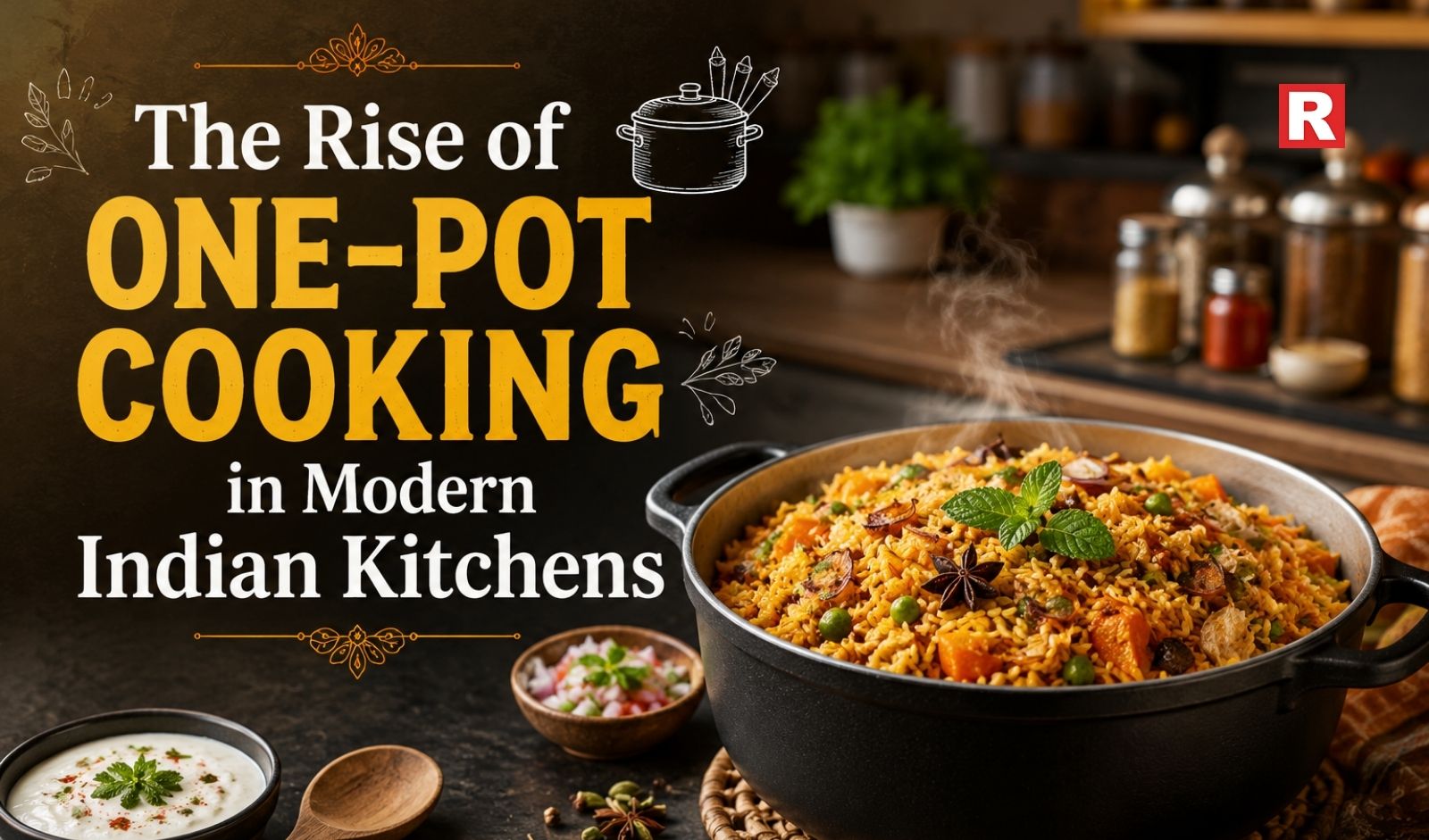
Indian kitchens have always loved one-pot meals. Long before food trends and cloud kitchens became popular, homes across the country were already cooking dishes like khichdi, biryani, pongal, tahri, haleem, and sambhar rice in a single vessel. These meals were simple, filling, affordable, and full of flavor. Today, the same cooking style is quietly becoming one of the smartest operational models in the restaurant industry.
From cloud kitchens to quick-service restaurants, many food businesses are now focusing on one-pot cooking because it saves time, reduces costs, and helps kitchens scale faster. In an industry where margins are tight and customer expectations are rising, restaurants are looking for systems that are practical and profitable at the same time. One-pot cooking is helping them achieve both. India’s cloud kitchen market is growing rapidly because restaurants are shifting toward lower-cost and delivery-friendly business models.
Why One-Pot Meals Work So Well in India
Indian cuisine naturally supports one-pot cooking. Many regional dishes already use layered cooking methods where rice, lentils, spices, vegetables, and proteins cook together slowly to build flavor.
That is why dishes like:
- Hyderabadi biryani
- Bengali khichuri
- Bisibelebath
- Dal dhokli
- Rajma chawal bowls
- Nihari
- Pongal
fit perfectly into modern restaurant systems. For customers, these meals feel comforting and familiar. They remind people of home-cooked food. They are also budget-friendly and satisfying, which matters a lot in today’s fast-paced urban lifestyle. Young professionals, students, and working families increasingly prefer meals that are easy to eat, affordable, and filling. One-pot dishes check all those boxes.
How Restaurants Are Turning One-Pot Cooking Into a Business Strategy
Restaurants are not just following a food trend. They are redesigning kitchen operations around efficiency. Traditional restaurant kitchens are expensive to run.
They need:
- Multiple cooking stations
- Large staff
- More gas usage
- More utensils
- Higher cleaning costs
- Longer preparation times
One-pot systems reduce many of these problems. A restaurant can prepare large batches of gravy, rice, or broth in advance and quickly finish orders during peak hours. This improves kitchen throughput and reduces waiting time for customers.
For example, a biryani-focused cloud kitchen can prepare:
- Marinated meat in advance
- Pre-measured spice mixes
- Semi-cooked rice
- Standardized gravy bases
Once an order arrives, the final cooking process becomes much faster. This system helps restaurants maintain consistency while handling high order volumes. Many modern food brands are now using SOP-driven kitchens, batch production systems, and centralized recipe management to scale operations across cities.
Why Cloud Kitchens Prefer One-Pot Models
Cloud kitchens operate very differently from traditional restaurants. Their entire business depends on speed, efficiency, and delivery performance.
One-pot meals are ideal for this setup because they:
- Travel well
- Stay warm longer
- Require less plating
- Need fewer packaging compartments
- Reduce kitchen complexity
That is why biryani brands, rice bowl concepts, ramen kitchens, curry bowl brands, and comfort-food cloud kitchens are growing rapidly across Indian cities. Cloud kitchens also save money because they do not need expensive interiors or dine-in spaces. Reports suggest that delivery-only kitchens can operate at significantly lower costs compared to traditional restaurants. Another advantage is menu engineering. A single kitchen can run multiple brands using the same base ingredients.
For instance:
- One gravy base can support butter chicken bowls
- The same rice can be used for pulao and biryani
- One stock can work for soups, curries, and rice meals
This improves ingredient utilization and reduces wastage. Many operators now run several virtual brands from one kitchen location to maximize profits.
Central Kitchens Are Changing Restaurant Operations
One of the biggest factors driving the rise of one-pot cooking in India is the expansion of central kitchen models. Today, many restaurant chains and cloud kitchens no longer prepare every dish separately at individual outlets. Instead, they use central kitchens to produce food components in bulk and distribute them across locations. This system improves consistency, speeds up kitchen operations, and reduces dependency on highly skilled labor. In many modern restaurant setups, gravies are cooked centrally using standardized recipes, spice blends are measured in fixed ratios, ingredients are pre-portioned for better yield management, and cooking cycles are automated through temperature-controlled equipment. This ensures that a biryani, khichdi bowl, or curry served in Mumbai tastes similar to one served in Delhi or Bengaluru.
For restaurant operators, this model offers several practical advantages:
- Better food cost control through bulk procurement and reduced wastage
- Faster staff training because recipes follow SOP-driven systems
- Easier multi-city expansion with standardized production methods
- Reduced preparation errors during peak hours
- Higher operational scalability for cloud kitchens and delivery brands
As delivery-focused dining continues to grow, central kitchens are becoming the backbone of efficient and profitable restaurant operations in India.
Rising Costs
The restaurant business has become much more challenging in recent years.
Operators are dealing with:
- High rentals
- Expensive LPG
- Delivery platform commissions
- Labor shortages
- Rising raw material costs
Many kitchens are simplifying their menus to survive. Recent reports also showed how LPG shortages affected cloud kitchens, forcing many businesses to reduce menus and focus on simpler food items that need less gas usage. This is where one-pot cooking becomes practical. Instead of managing 40 complicated dishes, restaurants can focus on fewer high-performing meals that are easier to produce consistently. This approach improves speed, lowers operational stress, and protects profit margins.
Technology Is Making One-Pot Kitchens Smarter
Modern restaurant kitchens are no longer dependent only on chefs and manual systems.
Today, many food businesses use:
- Kitchen display systems
- POS-linked inventory tracking
- AI-based demand forecasting
- Automated boilers
- Smart temperature controls
These technologies help restaurants predict demand and prepare food more efficiently. Research also shows that AI systems are now being used in cloud kitchen operations to improve delivery planning and reduce delays. Restaurants are combining traditional Indian recipes with data-driven kitchen management. This balance between heritage food and modern operations is shaping the next phase of India’s food industry.
The Emotional Side of One-Pot Meals
Despite all the business advantages, one-pot meals succeed mainly because people emotionally connect with them. A bowl of khichdi feels comforting after a long day. A slow-cooked biryani feels indulgent. Sambhar rice and pongal feel familiar and nostalgic. Customers today want convenience, but they also want warmth and authenticity in their food.
That is why many successful restaurant brands are building menus around comfort food instead of highly experimental dishes. Even on social platforms and business communities, restaurant operators often discuss how strong operations, repeat orders, and simple menus matter more than flashy concepts.
The Future of One-Pot Cooking
One-pot cooking is no longer just a home-style cooking method. It is becoming a smart operational model for modern restaurants, cloud kitchens, and quick-service brands across India. As food delivery demand continues to rise, restaurants are focusing on meals that are faster to prepare, easier to standardize, and more profitable to scale. This is why many brands are now experimenting with millet bowls, protein-rich khichdi, regional rice bowls, and wellness-focused comfort meals that combine nutrition with convenience. One-pot dishes also reduce kitchen complexity because they require fewer cooking stations, less manpower, and lower fuel consumption. Many restaurants are adopting automated batch cooking, central kitchens, and pre-portioned ingredient systems to maintain consistency across multiple outlets. These systems help improve kitchen efficiency while reducing food wastage and operational costs. For customers, one-pot meals offer comfort, affordability, and familiar Indian flavors in a convenient format that travels well for delivery. As the restaurant industry moves toward smarter and leaner kitchen models, one-pot cooking is emerging as one of the most practical and scalable trends shaping the future of modern Indian dining.
Saptopriya Ghosal
Feature Writer
I am a dedicated media professional with a bachelor's degree in mass communication from the State University of Calcutta and a postgraduate degree from Amity University. My academic journey has equipped me with a profound understanding of storytelling and communication. Passionate about the dynamic world of media, I continually strive to explore new ways to engage and inform through compelling narratives.



































































































































































