The Rise of In-House Sourcing in Hospitality
This shift reflects the industry’s focus on self-reliance, quality, cost efficiency, and sustainability. It involves taking control of procurement and production such as sourcing from local farms, operating on-site bakeries or gardens, producing condiments in-house, and managing catering internally.

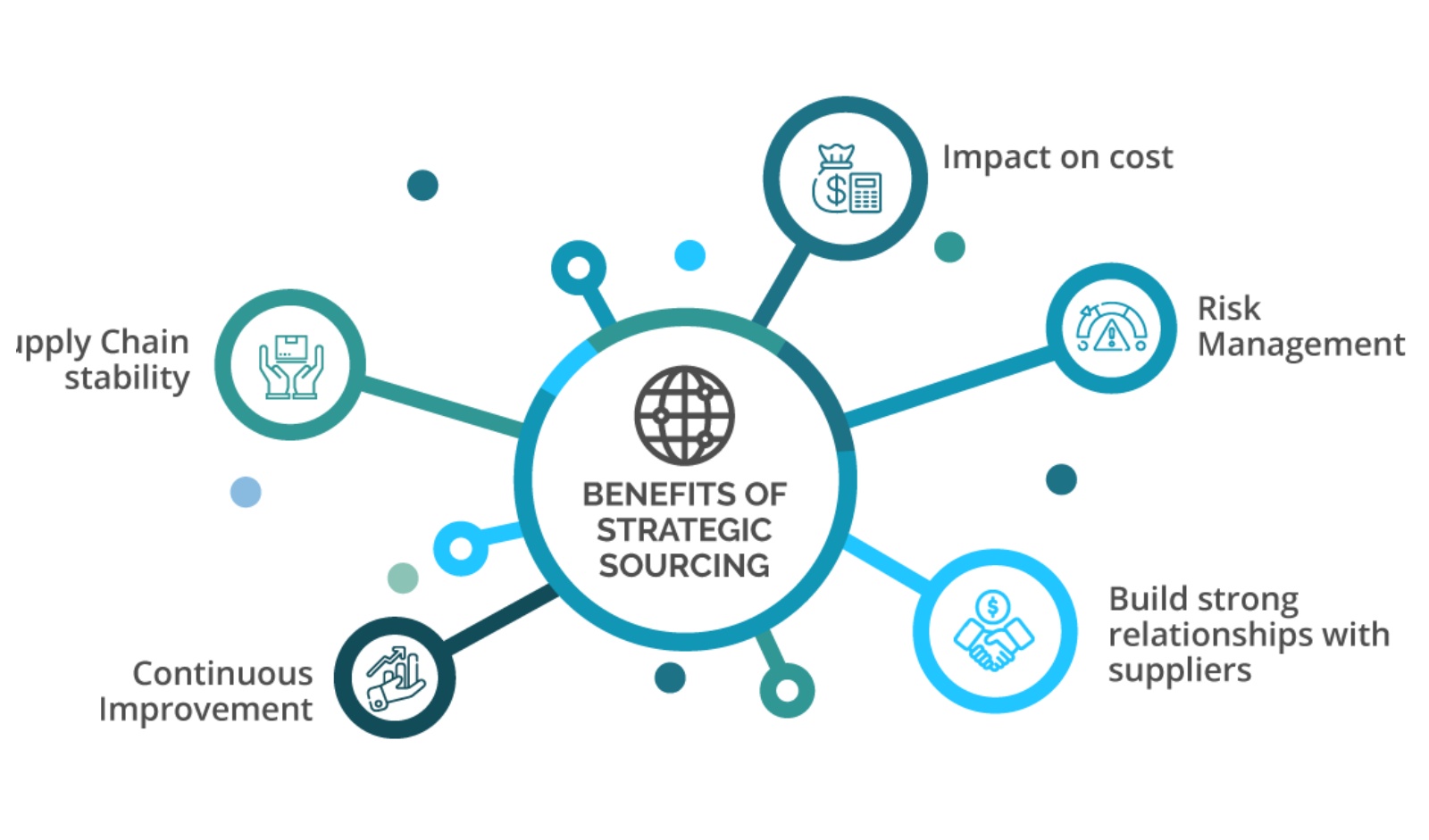
In recent years, hotels and restaurants have increasingly adopted in-house sourcing, managing their own supply chains or sourcing directly from local producers. This shift reflects the industry’s focus on self-reliance, quality, cost efficiency, and sustainability. It involves taking control of procurement and production such as sourcing from local farms, operating on-site bakeries or gardens, producing condiments in-house, and managing catering internally. The key aspects include:
1. Enhanced Quality Control
By sourcing and managing production internally, establishments can maintain complete oversight of ingredient quality, freshness, and hygiene standards. This is particularly important for luxury hotels or fine-dining restaurants, where brand reputation depends on consistency and premium quality.
Speaking on this, Mandar Kothekar, Head Chef, Fairfield by Marriott Mumbai Andheri West said, “In-house sourcing is an important part of our sustainability and our philosophy which is mostly focused on Quality. We source from trusted regional suppliers. This approach enhances our quality control and cost efficiency. On the other hand, it also supports the local farmers and other local economy businesses and also reduces our carbon footprint.”
2. Cost Savings and Efficiency
Although initial setup may require investment, in-house sourcing can lead to long-term savings by reducing middlemen costs, transportation expenses, and supplier markups. Bulk purchasing and on-site production also reduce waste and improve inventory management.
Highlighting this, Avinash Naha, Executive Chef, Spice Traders, W Goa said, “At Spice Traders, W Goa, local sourcing offers multiple benefits - from ensuring fresher, more flavourful ingredients to supporting Goa’s farmers and fishing communities. It helps reduce the restaurant’s carbon footprint, strengthens community ties, and aligns with our sustainability-driven ethos. By sourcing coconuts, herbs, and seafood locally our chefs craft menus that reflect both Asian authenticity and Goan freshness, creating a truly distinctive dining experience.”
3. Stronger Supplier Relationships
When hotels work directly with farmers, fishers, or artisanal producers, it fosters mutually beneficial partnerships. These relationships often result in better pricing, exclusive access to top-quality ingredients, and greater reliability in supply.
Nirmal PV, Partner, Mannheim Craft Brewery added, “Most of the hotels and restaurants now have an internal team to manage procurement and stores. Having an in-house sourcing team allows one to be in control of cost, quality and have a direct relationship with the suppliers. This also allows consistency in standards, do customization of menus easily and reduce lead time for deliveries.”
4. Sustainability and Local Community Support
In-house sourcing often emphasizes local procurement, which reduces carbon footprints and supports community livelihoods. Guests are also increasingly drawn to brands that demonstrate local engagement and sustainability commitments.
“We have a small farm outside The Second House, Goa from where we use veggies and fruits for cooking. So, it’s not only farm to fork but its fresh as well. We produce few items in our farm and use it for our kitchen and we buy from local vendors as well. These days people like it fresh and there is more demand towards the same. And everyone is focusing on having a small farm or garden for themselves near their restaurants and this trend is bound to grow,” commented Dishant Pritamani, Founder of Luna Hospitality.
How to Implement this Successfully
Build partnerships with local producers who align with your quality standards and ethical values. Set up adequate storage, kitchen, and production facilities, and train staff in quality management. Use digital tools to track inventory, procurement timelines, and cost efficiency. Ensure all sourcing and production activities meet food safety and labor regulations. Focus on waste reduction, responsible sourcing, and eco-friendly packaging.
Challenges of In-House Sourcing
Setting up in-house operations (such as production units or on-site farms) can be capital-intensive.
“One of the challenges that we face is ensuring availability for the whole year along with the proper quality, which we overcome by establishing long-term relationships with suppliers and maintaining a well-structured procurement plan, so that we don’t face any such challenge. Through this model, we deliver wholesome and authentic flavours,” added Kothekar who emphasized that this model helps us promote responsible sourcing practices that align with Marriott’s global sustainability goals.
As operations grow, maintaining consistent quality across multiple locations can be difficult. “Challenges would be in terms of more time and energy to be spent by the owners along with having to recruit the right team and train them in standards and processes. It is now easier with many materials management softwares which allow you to have data at your fingertips,” pointed Nirmal.
Local or direct sourcing can be vulnerable to seasonal fluctuations or local supplier limitations. Direct vendor tie-ups help in ensuring quality of product, reducing rejections and timely deliveries including last minute requests to be managed better.
Overcoming Challenges
One need to implement standardized processes, digital tracking systems and centralized training programs. Restaurants need to diversify sources while maintaining a core set of trusted local suppliers and invest in storage capabilities.
Naha added, “Seasonal fluctuations can impact both availability and pricing. To overcome this, Spice Traders focuses on long-term partnerships with local suppliers, encourages menu flexibility based on seasonal produce, and implements efficient procurement planning. This approach balances quality with sustainability, ensuring a premium yet responsible culinary journey.”
From a financial standpoint, minimizing long-distance logistics helps achieve cost efficiency and reduced wastage, while supporting the local economy. The result is a transparent, mutually beneficial supply chain built on trust, collaboration and shared values.
Vijetha Iyer
Content Editor
Working as a Content Editor with Restaurant India. I have worked in various sectors like food and beverage sector, chemicals, pharma, nutraceuticals, now specially focusing on restaurant side. But my core knowledge was always on content. Be it writing poems to verses, I always loved writing and have been exploring my career on the same. In Restaurant India, I deliver insightful stories, take interviews of various brands and update the audiences about the newest happenings in the restaurant industry.