
The Rise of Experience-Led Hospitality and What It Means for Modern F&B Brands
Personalisation is another major trend driving experience-led hospitality. Customers appreciate brands that understand their preferences and make them feel valued.

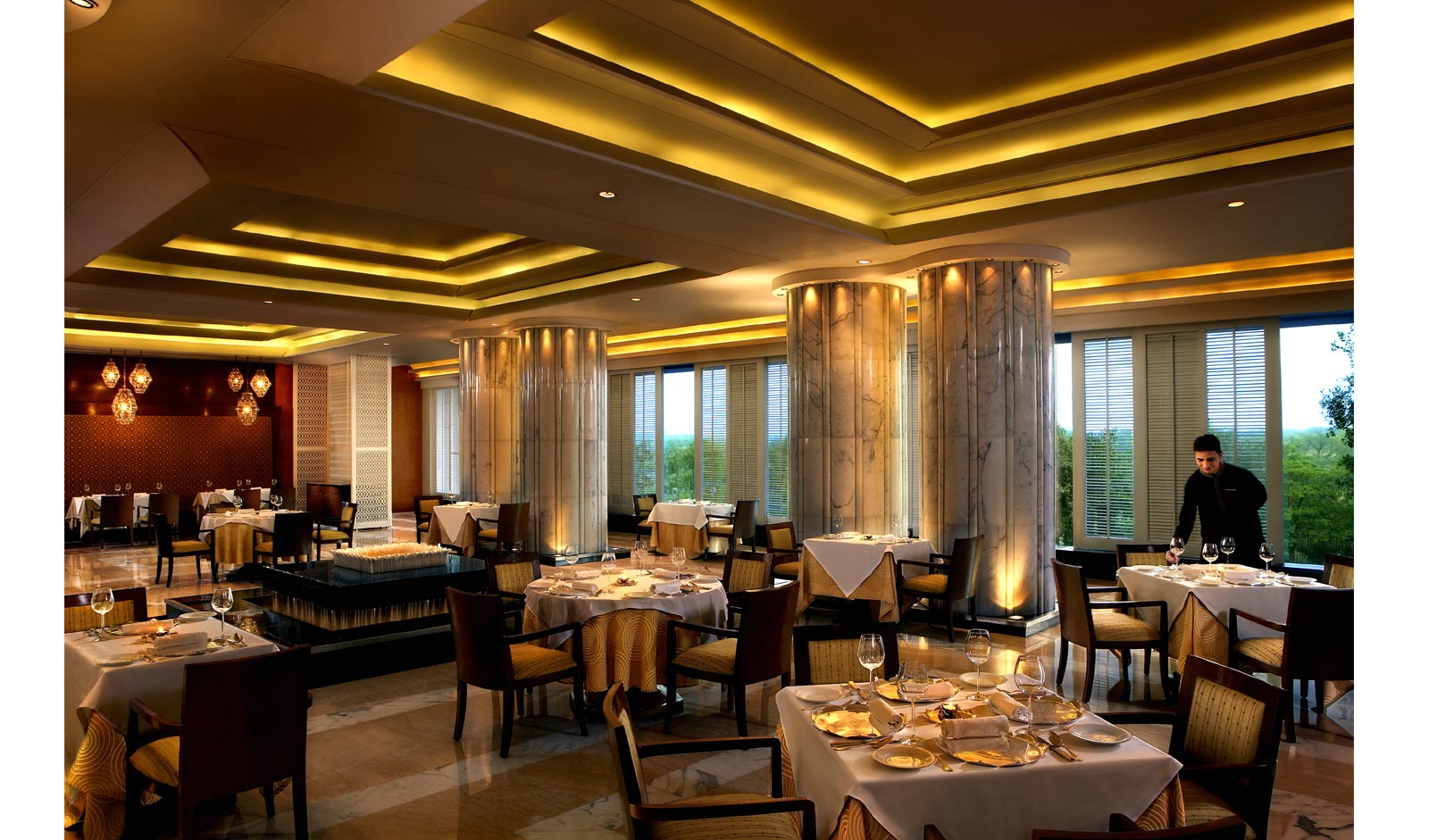
The hospitality industry is no longer just about serving good food or offering a comfortable space. Today, people are looking for experiences they can remember, share, and connect with emotionally. Whether it is a thoughtfully designed café, a themed restaurant, a chef’s table dinner, or a cocktail bar with live storytelling sessions, consumers now expect more than just a meal. This growing shift towards experience-led hospitality is changing the way modern food and beverage brands operate and build their identity.
Over the last few years, customer behaviour has evolved significantly. People are dining out not only to eat, but to celebrate occasions, spend quality time with friends and family, network, or simply escape their daily routine. In many ways, restaurants and cafés have become lifestyle spaces. This is especially true among younger consumers, who are willing to spend more on places that offer a unique atmosphere, personalised service, and memorable moments.
Social media has also played a major role in this transformation. Platforms like Instagram and YouTube have made visual storytelling extremely important for hospitality brands. Consumers are naturally drawn to spaces that are aesthetically appealing, interactive, and shareable. A restaurant today is often judged not only by its menu but also by its interiors, presentation, music, lighting, and overall vibe. The dining experience has become content in itself.
As a result, modern F&B brands are now focusing heavily on creating immersive experiences. Menus are becoming more innovative, blending local flavours with modern techniques. Restaurants are hosting pop-ups, tasting menus, live music nights, cultural events, and chef collaborations to engage customers beyond food. Many brands are also investing in storytelling, highlighting the inspiration behind dishes, the sourcing of ingredients, or the journey of the founders, to build a deeper emotional connection with guests.
Personalisation is another major trend driving experience-led hospitality. Customers appreciate brands that understand their preferences and make them feel valued. From customised dining recommendations to curated celebrations and exclusive loyalty experiences, hospitality brands are finding ways to make every guest interaction feel special. In an increasingly competitive market, these small details often become the reason customers return.
Technology, too, is reshaping the hospitality experience. Digital reservations, QR-based menus, AI-driven customer insights, and seamless payment systems have improved convenience for guests. At the same time, technology allows brands to better understand customer behaviour and create more targeted experiences. However, even with technology playing a larger role, the human touch remains at the centre of hospitality. Warm service, attention to detail, and genuine engagement continue to define successful brands.
For modern F&B businesses, this shift towards experience-led hospitality also means that branding has become more important than ever. Consumers today connect with brands that reflect their lifestyle, values, and aspirations. A strong identity, consistent communication, and a clear point of differentiation can help a restaurant stand out in a crowded market. It is no longer enough to simply open a good restaurant; brands must create a feeling that customers want to come back to.
This trend is also encouraging hospitality businesses to think more creatively about collaborations and community-building. Many restaurants are partnering with artists, wellness brands, musicians, and local creators to offer unique experiences that go beyond traditional dining. These collaborations help brands stay culturally relevant and build stronger engagement with their audiences.
Looking ahead, experience-led hospitality is expected to become even more important for the future of the F&B industry. Consumers are increasingly seeking authenticity, emotional connection, and meaningful experiences over transactional interactions. Brands that can combine quality food with memorable experiences, strong storytelling, and personalised service will continue to grow and build loyal communities.
Angad Chachra
Founder, The Bar Consultants









































