The Restaurant-Retail Blend
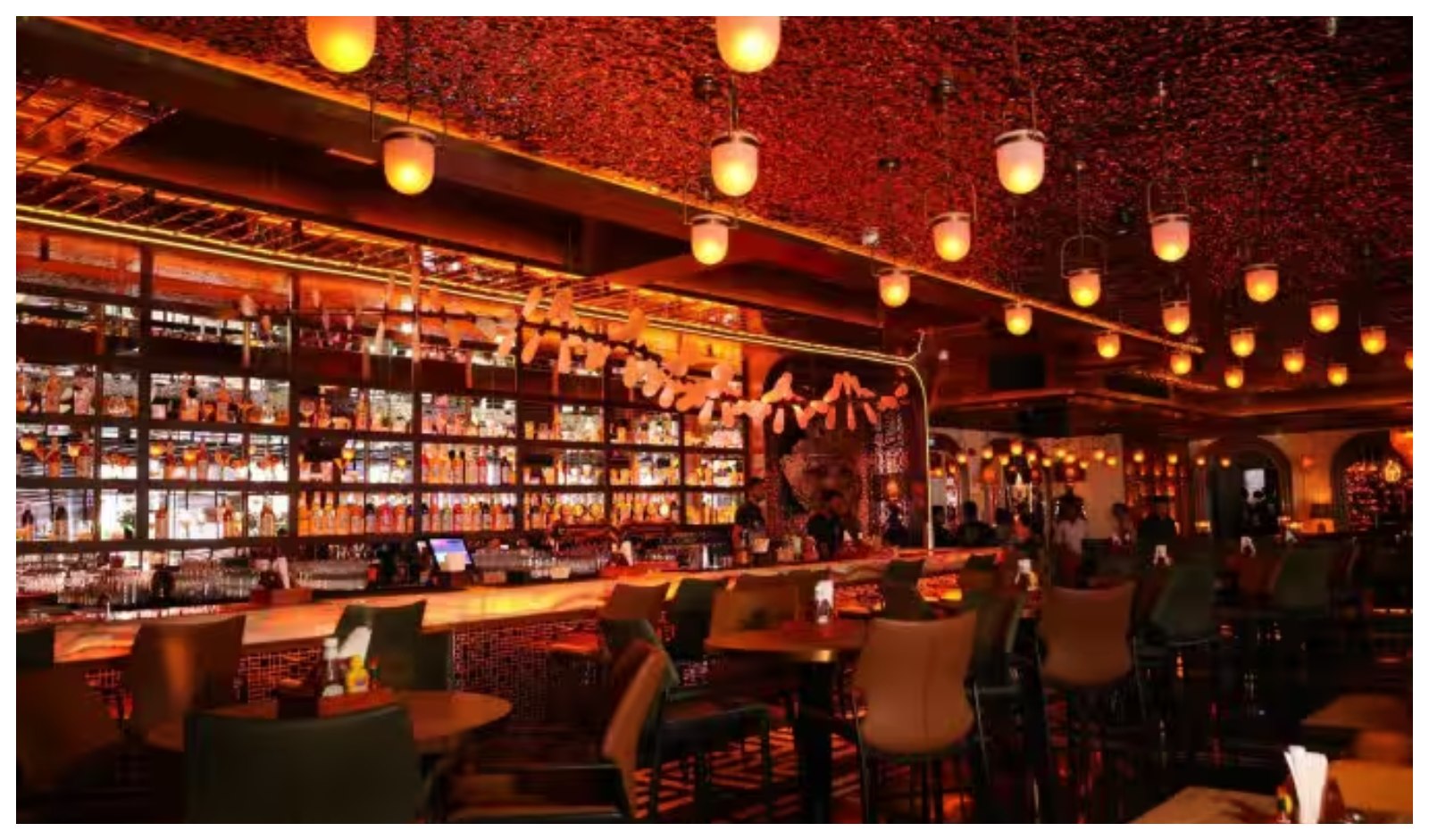
The thin line between restaurants and retail is rapidly fading. What was once a clear divide, restaurants serving meals and retailers selling products has evolved into a more integrated food ecosystem.


Restaurants are no longer limited to physical dining spaces, they are increasingly becoming multi-channel brands present in homes, supermarkets, and digital platforms. This shift is not accidental, but a strategic response to changing consumer behaviour in India.
India’s food services market is projected to cross $125 billion by 2030 but contributes only 1.9% to GDP, signalling strong growth potential. Meanwhile, RTE ($6B) and RTC ($7B) remain underpenetrated, with under 15% adoption. This gap is pushing 20–25% of restaurants to build retail as a secondary revenue stream.
Dining Meets Retail
Traditionally, restaurants stood for experience and immediacy, while retail was built on convenience and storage. That distinction is now fading. With food delivery scaling rapidly, with platforms like Swiggy reporting over 17 million monthly transacting users, a seamless continuum has emerged: dine-in to delivery, to packaged formats, to retail shelves and finally, at-home consumption.
Wow! Momo FMCG, the packaged foods arm of Wow! Momo Foods, has crossed ₹100 crore in annual recurring revenue (ARR), becoming India’s first QSR-born brand to build a scaled FMCG business of this magnitude.
Commenting on this, Sagar Daryani, Co-Founder & CEO, Wow! Momo Foods says, “This milestone marks 100% year-on-year growth and reflects significant improvement in unit economics validating with Wow! FMCG’s execution-led, omnichannel model across quick commerce, modern retail, general trade, and exports.”
Why Retail
Restaurant expansion into retail is a strategic play for margins, scale, and stability. While dine-in is constrained by rentals, seating, and peak hours, retail unlocks 24/7 revenue without space limitations.
Ankit Gupta, Co-Founder, Burma Burma India shares, “People come to create memories, feel good, and take a small part of that experience back with them. That’s the emotional connection experiential restaurants aim to build. This naturally translates into retail extensions be it merchandise, packaged food products, t-shirts, or caps.”
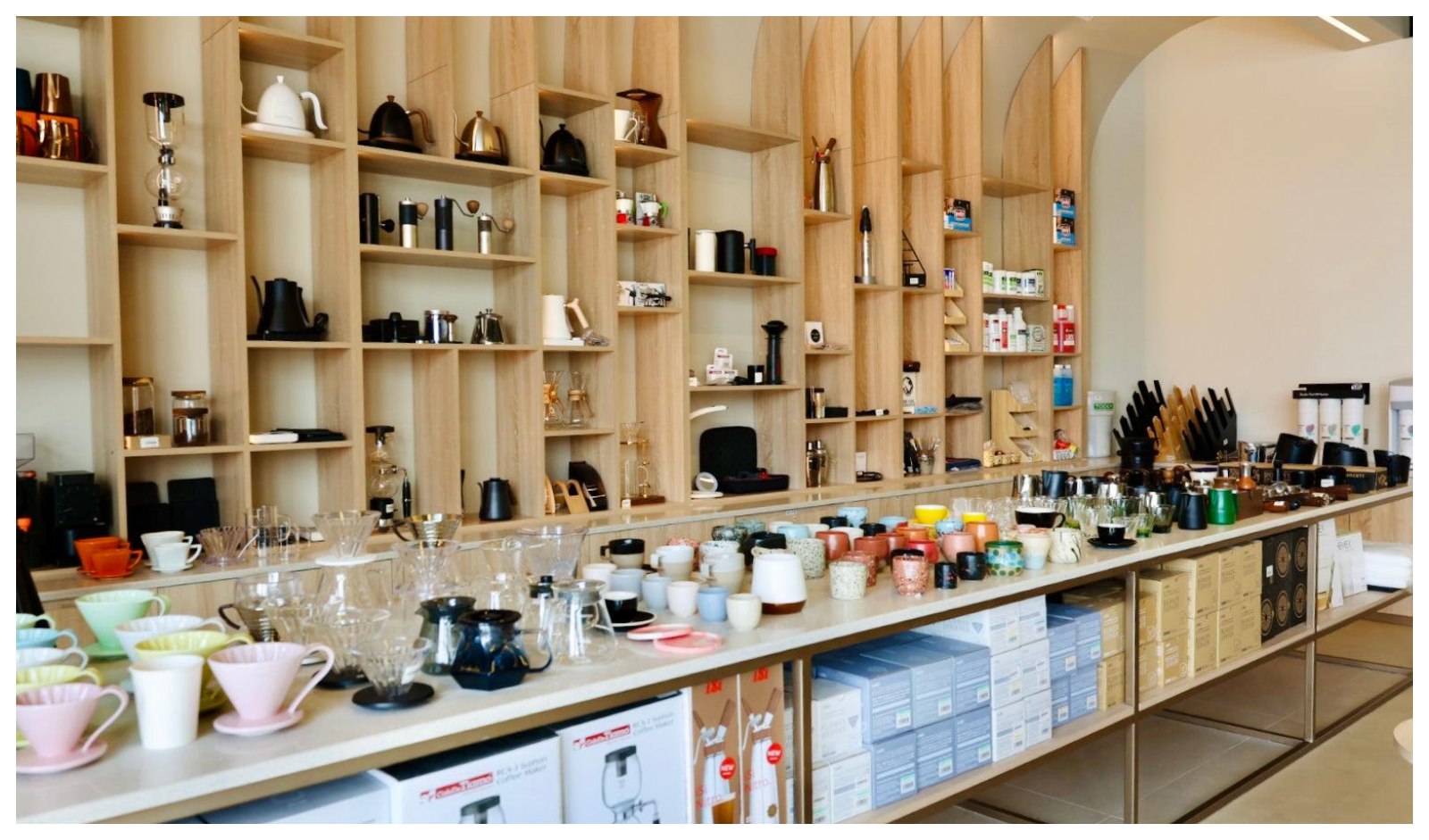
Brands like Starbucks and Blue Tokai Coffee Roasters have been leveraging retail extensions for years, creating stronger long-term profitability and deeper consumer engagement. Starbucks recently introduced its globally popular Bearista Glass Cup to the Indian market, adding a limited-edition merchandise offering to its retail portfolio. The bear-shaped glass cup, which has gained wide visibility across social platforms and consumer wishlists globally, will now be available at Starbucks stores in India.
The launch reflects the brand’s focus on extending consumer engagement beyond beverages through collectible and design-forward products.
Surya Shastry, Founder, Pure and Sure mentions, “At Pure & Sure Café & Store, this evolution is a natural extension of our philosophy. As an organic brand built on trust and transparency since 1999, retail allows us to deepen that relationship. When a customer enjoys a meal made with our ingredients, the next logical step is enabling them to recreate that experience at home, using the same certified organic rice, oils, or spices they just tasted. This convergence is driven by a larger consumer shift.”
“We have to understand that in a lot of restaurants, there are some star dishes or ingredients which the chef or the restaurant has taken a lot of effort in either procuring or manufacturing. And they are increasingly working with the food technologist and the packaging consultants to ensure that the ingredients or the dishes can reach well beyond the restaurant, and guests can carry with them wherever they are heading,” adds Gupta.
Packaged products offer higher margins, lower labour needs, and longer shelf life, improving unit economics.
Monetizing Brand Equity
Beyond emotional recall, retail gives restaurants a scalable commercial advantage. It allows brands to extend bestselling products beyond limited dining capacity, creating stronger margins and wider market reach.
Gupta points, “Restaurants attract diners daily, building strong trust and brand recall over time. This gives them a clear edge in retail, as customers are more likely to buy products from brands they’ve already experienced. As a result, more restaurants are leveraging this equity to expand into retail, a trend set to grow further.”
For brands that successfully build retail credibility, the opportunity often extends beyond domestic shelves into international markets. Exports have become a key growth pillar for Wow! Momo FMCG. The brand is currently present across Germany, the UK, Singapore, Poland, Russia, Saudi Arabia, Oman, Bahrain, Kuwait, Qatar, and the UAE, with the GCC emerging as a priority market.
“In the Middle East, Wow! Momo FMCG is distributed by Al Tayeb, part of the Lulu Group, providing strong market access across the Gulf. With strong momentum across domestic channels and international markets Wow! Momo FMCG is redefining how Indian QSR brands can successfully build large, scalable FMCG businesses in India and internationally,” mentions Daryani.
Additionally, the main platform to build trust and drive sales is the restaurants themselves, along with delivery platforms like Swiggy and Zomato, which remain key channels. Another important go-to-market strategy is building a strong presence on Instagram, supported by boosted content and ads through Meta.
“Additionally, quick commerce is becoming relevant depending on the product type especially for ready-to-eat or snacking items at accessible price points, provided margins work. If not, many brands also choose to list their products on platforms like Amazon to expand reach,” adds Gupta.
The Foreseen Challenges
The biggest challenge is competing for the same shelf space i.e. both physical and digital which demands heavy marketing spend. Rising competition has made returns on ad spend weaker, while commissions from quick commerce platforms have increased, making profitability harder.
“On top of that, food products are perishable; if multiple SKUs don’t move quickly, they directly add to costs and losses, further impacting margins,” comments Gupta.
Strategically, retail expansion allows restaurants to build omnichannel presenceacross physical stores, D2C platforms, and quick commerce, while leveraging existing brand equity. Shastry points that the real challenge lies in maintaining consistency and authenticity across formats. Brands that succeed will be those that uphold integrity across the entire value chain.
From a business standpoint, retail expansion helps restaurants build additional revenue streams, improve margins, and increase brand recall beyond physical locations. The next generation of restaurant brands won’t be defined by how many outlets they open, but by how seamlessly they travel from the dining table to the consumer’s everyday life.
Vijetha Iyer
Content Editor
Working as a Content Editor with Restaurant India. I have worked in various sectors like food and beverage sector, chemicals, pharma, nutraceuticals, now specially focusing on restaurant side. But my core knowledge was always on content. Be it writing poems to verses, I always loved writing and have been exploring my career on the same. In Restaurant India, I deliver insightful stories, take interviews of various brands and update the audiences about the newest happenings in the restaurant industry.