The Real Challenges Shaping India’s Bakery Boom
The industry is growing at a CAGR of 9-10%, it is projected to surpass $30 billion by 2033.


From butter-laminated croissants in urban patisseries to daily bread from neighbourhood bakeries and the scale-driven output of industrial units, India’s bakery segment is in the midst of a quiet transformation. Consumer appetite for premium, fresh and indulgent baked goods has never been stronger. Yet behind the inviting glass counters and aroma of freshly baked bread lies a complex set of challenges that continue to test the resilience of bakery businesses across formats. The industry is growing at a CAGR of 9-10%, it is projected to surpass $30 billion by 2033.
Let’s focus on the key challenges pertaining in the bakery segment.
Volatile Raw Material Costs
The issue is cost volatility. Baking by nature is ingredient-intensive, and even small fluctuations can ripple through the balance sheet.
Sandeep Deshmukh, Executive chef of The BlueBop Cafe & BlueBop Bakes said, “The bakery segment today faces multiple challenges, including rising raw material costs, skilled labour shortages, intense competition, and rapidly changing consumer expectations. Ingredients such as butter, cocoa, dairy and nuts have seen significant price volatility, directly impacting margins.”
For bakeries operating on tight margins, managing these unpredictable input costs has become a constant. “Today, the biggest challenge in the bakery segment is managing rising raw material costs, especially dairy and chocolate, while keeping our product prices stable. The real test is absorbing these increases without compromising on quality or experience. Scaling delicate desserts is equally demanding, as precision and consistency are critical at every stage of production,” commented Chef Amit Sharma, Co-Founder & Chef Poetry by Love & Cheesecake.
Maintaining Freshness
Freshness draws customers into the bakeries. Clean-label, preservative-free products are now a key expectation, especially in premium and artisanal spaces.
Deshmukh shared, “To manage this, bakeries are focusing on smarter procurement, minimizing wastage, seasonal menu planning, and selective price adjustments while maintaining product quality.”
Focusing on Hygiene & SOPs
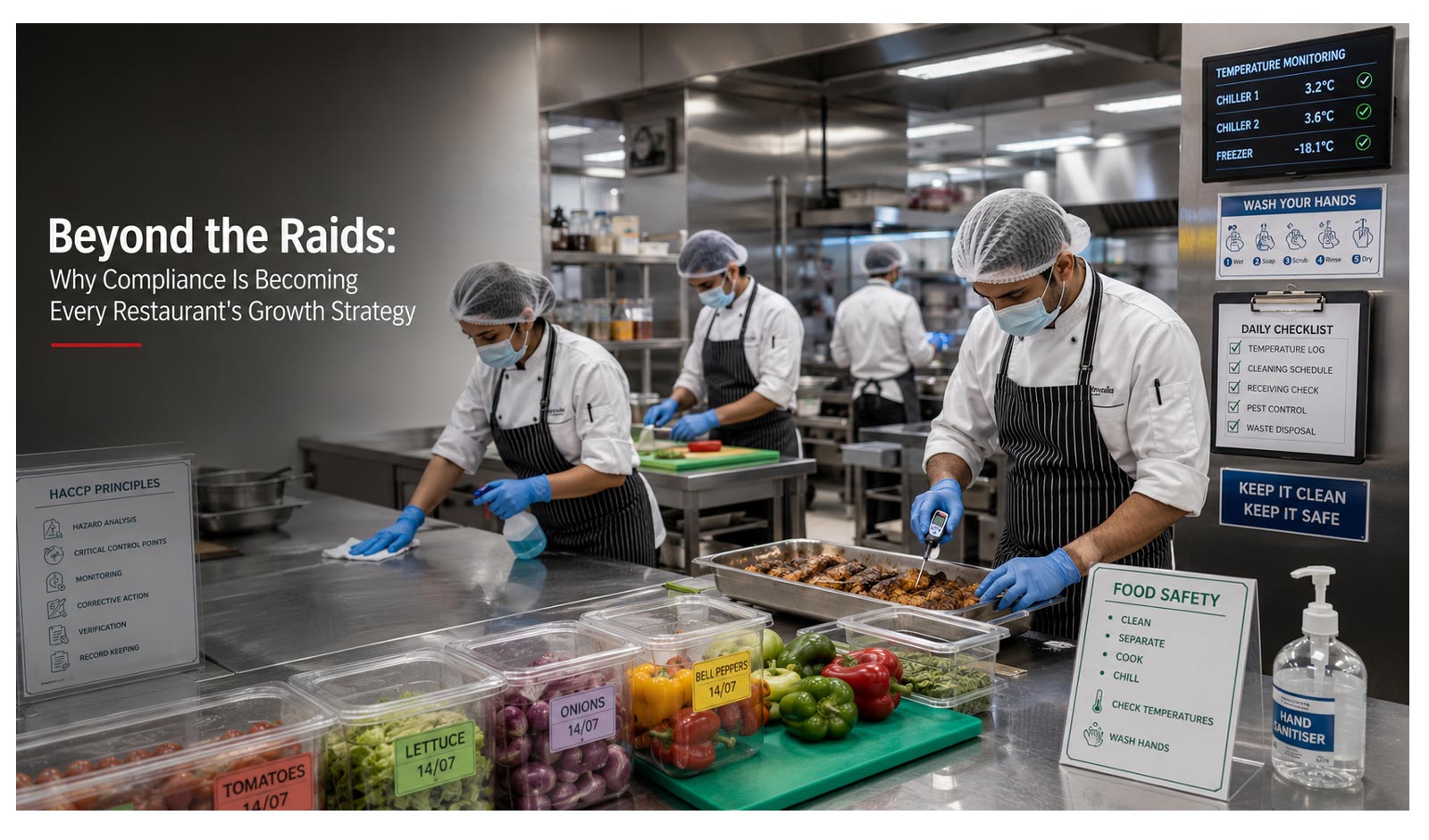
Hygiene remains a non-negotiable priority. Adding further, Deshmukh stated, “Strict SOPs, adherence to FSSAI guidelines, regular audits, staff training, and controlled kitchen environments are essential to ensure food safety and consumer trust. Maintaining consistency across batches while scaling operations continues to be a key operational challenge.”
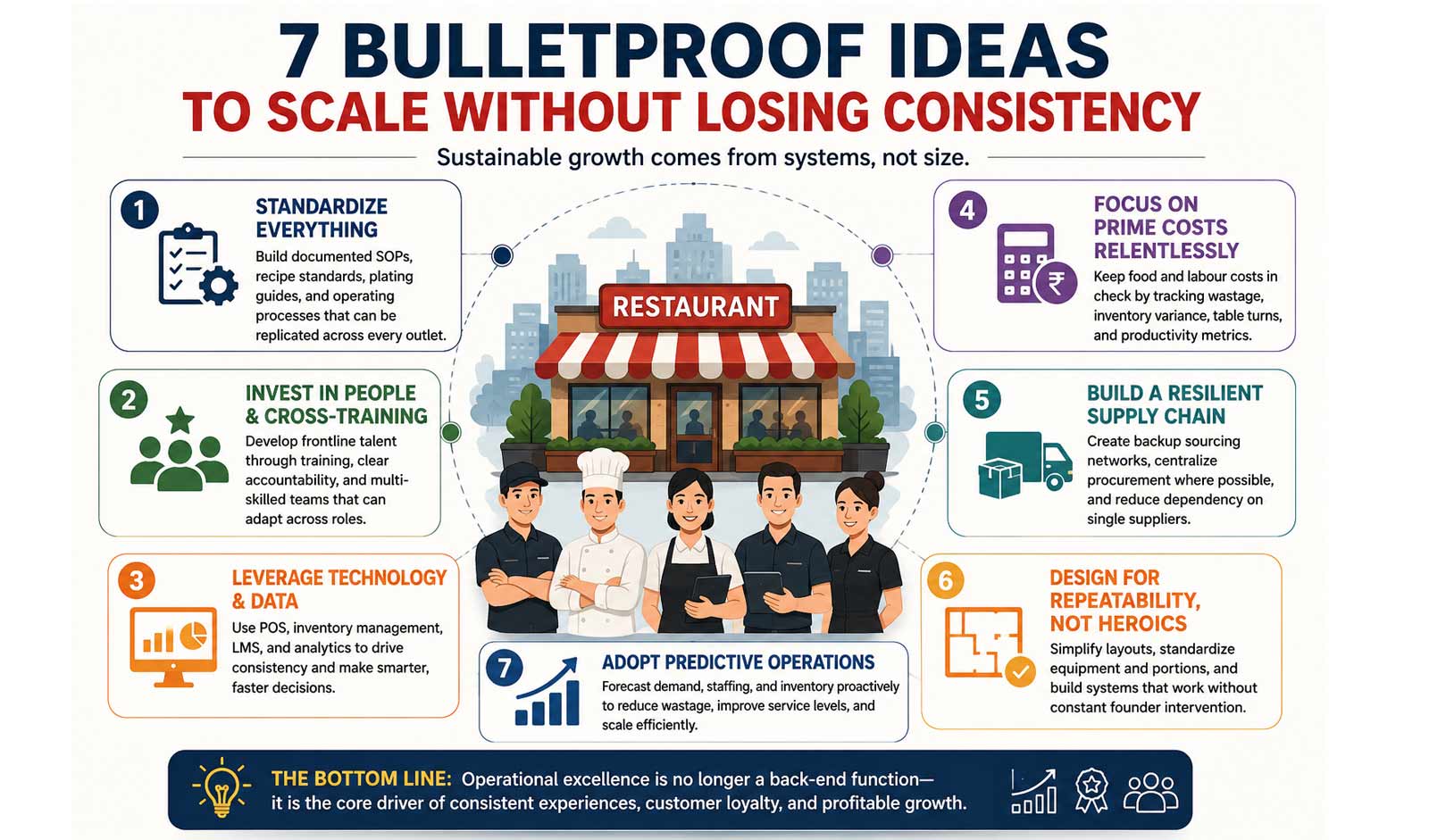
Without clearly defined standard operating procedures, maintaining uniform taste, texture and visual appeal across batches and locations can be difficult. For brands looking to scale, the absence of documented recipes and technology-led controls can become challenging.
Getting skilled workers
Skilled bakers and pastry professionals who come with right craftsmanship and consistency is still a challenge. Sharma added, “With skilled labor shortages, we focus on building and retaining talent through structured training and long-term development. In a highly competitive and regulated environment, compliance strengthens our systems and reinforces customer trust.”
Most of the learning still happens on the shop floor, driving up training costs and extending ramp-up periods. Long working hours, physically demanding roles and limited career progression contribute to high attrition, making retention as difficult as recruitment.
“The shortage of skilled bakery professionals has led brands to invest heavily in in-house training, recipe standardisation, and process-driven systems to reduce dependence on individual skill sets,” mentioned Deshmukh who also focused on automation and semi-automation which play an important role in improving efficiency and consistency.
Not Focused on Trend
When there is trend for eg: matcha or kunafa, everybody/every brand does that rather than innovating something new in the same. There is hardly any creativity. When creativity meets innovation, brands curate a diverse offerings and taste which makes the customers wanting more.
Harsh Shah, Co-Founder of Dessert Therapy said, “We believe that brands should be a trendsetter, rather than following a trend. The major challenge in following the trend is it’s same everywhere. There is no uniqueness, so customers won’t be curious to try the brand when it becomes too common.”
With increasing competition, differentiation through fresh, in-house production, signature offerings, and strong brand storytelling is crucial. Deshmukh said, “At the same time, bakeries must stay agile to respond to changing consumer preferences, including demand for healthier, artisanal, and premium products.”
Use of Social Media
These days, everyone is so active on social media, and every brand wants to promote them through influencers. “And because of this, the primary face of the video or the first focus will be the influencer, and then the secondary focus will be on the food. Like, food takes backstage. And some influencers don’t even show much of the food of that particular brand,” said Shah.
Changing Consumer Preferences
Changing consumer preferences towards balanced sweetness and mindful indulgence push us to innovate responsibly, while supply chain disruptions are managed through diversified sourcing and forecasting. Sharma highlighted that our challenge is balancing cost, consistency, creativity, and quality to build a sustainable and trusted dessert brand.
Price Sensitive
There is also an inherent tension between premium ambition and price sensitivity. While consumers increasingly gravitate towards sourdoughs, croissants and gourmet desserts, many hesitate when it comes to paying premium prices. This disconnects between perceived value and willingness to spend limits pricing flexibility and makes sustainable growth difficult for quality-driven bakeries.
Shah pointed, “There are ingredients which is not available throughout the year. So, we import them from various countries and for that we pay a huge chunk of money. But we can’t ask our customers to pay extra for consumption.”
Supply Chain Disruptions
Supply chain disruptions are addressed by diversifying vendors, maintaining buffer stocks, and building strong supplier relationships. Deshmukh noted that adaptability, innovation, and operational discipline are key to long-term success in the bakery industry.
Use of Technology
Technology, often seen as a solution, remains unevenly adopted. While digital tools can dramatically improve forecasting, inventory management and production planning, smaller bakeries often lack access to affordable, bakery-specific systems. Hardly 20-30% of small brands are investing in tech, while big giants are already using technology and investing more in it.
With this, we can surely say that in an industry where margins are thin and expectations are high, resilience, adaptability and operational discipline are becoming just as important as what comes out of the oven.
Vijetha Iyer
Content Editor
Working as a Content Editor with Restaurant India. I have worked in various sectors like food and beverage sector, chemicals, pharma, nutraceuticals, now specially focusing on restaurant side. But my core knowledge was always on content. Be it writing poems to verses, I always loved writing and have been exploring my career on the same. In Restaurant India, I deliver insightful stories, take interviews of various brands and update the audiences about the newest happenings in the restaurant industry.