The Race to Make Packaged Food Taste More Like Restaurant Food
The brands that successfully combine restaurant-inspired flavours, reliable texture, consistent quality and affordable pricing could shape the next phase of packaged food innovation in India.

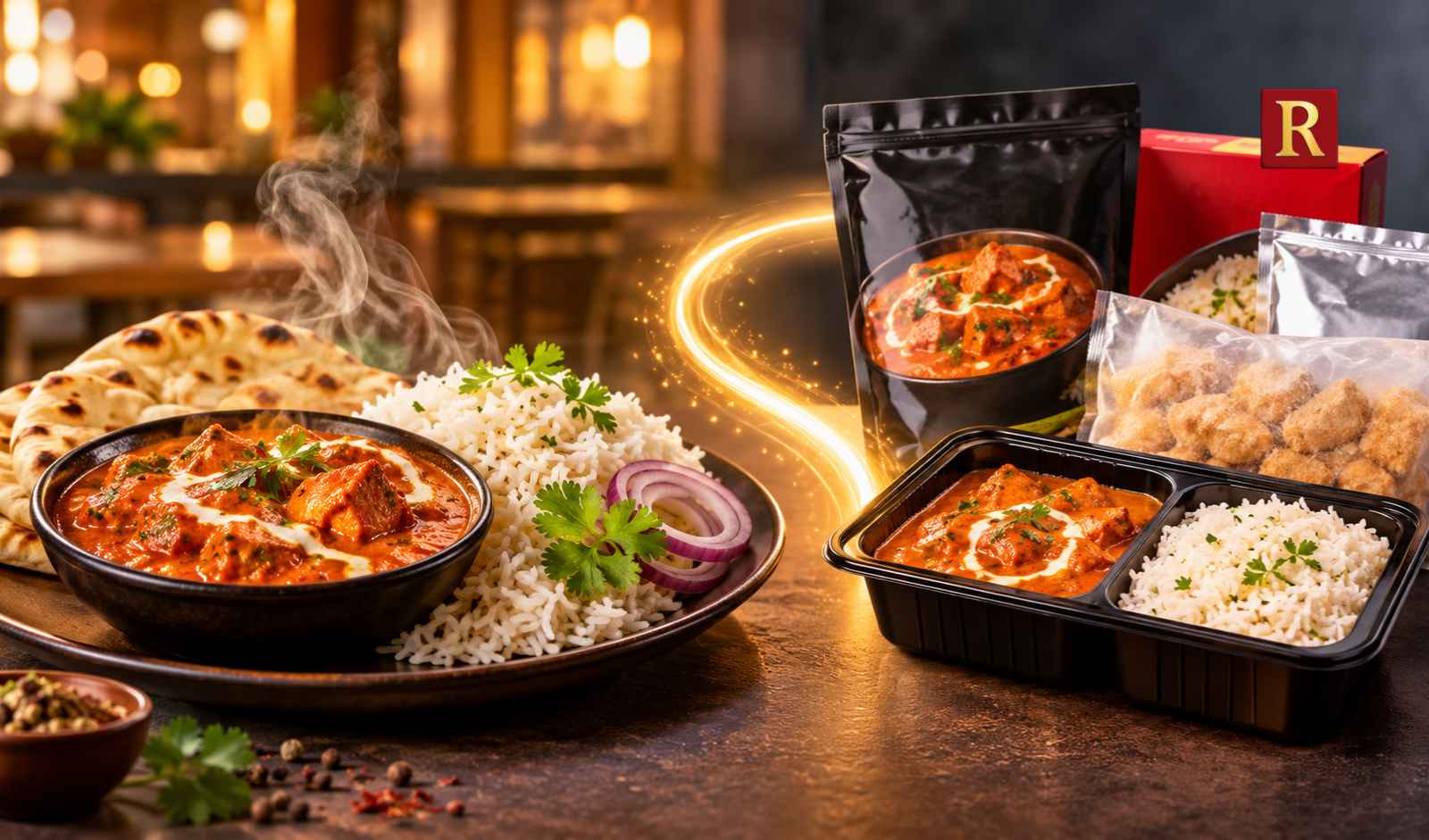
The packaged food industry is entering a new phase of innovation. Convenience is no longer enough to attract consumers. They increasingly expect ready-to-cook meals, frozen snacks, packaged sauces and ready-to-eat products to deliver the flavours, textures and overall experience of restaurant food. From smoky tandoori kebabs and creamy butter chicken gravies to Korean fried chicken, crispy fries and Asian stir-fry sauces, food manufacturers are working to recreate professional kitchen experiences in products that consumers can prepare at home.
This shift is changing how companies approach product development. Instead of focusing only on shelf life, affordability and ease of preparation, manufacturers are investing in flavour engineering, freezing technology, ingredient innovation and texture development. The challenge is significant. Restaurant food gets much of its appeal from freshly prepared ingredients, high-temperature cooking, skilled chefs and immediate consumption. Packaged food must reproduce these qualities while remaining stable during storage, transportation and reheating. For food manufacturers, the next competition is not simply about making food faster. It is about making packaged food taste as close as possible to a freshly prepared restaurant meal.
Why Packaged Food Brands Are Moving Beyond Convenience
The demand for convenience food is creating opportunities for manufacturers, but taste remains an important barrier to wider adoption. According to a Redseer report published in October 2025, India has an estimated 70–80 million addressable consumers in the ready-to-eat and ready-to-heat categories. However, fewer than 15 percent of respondents in its survey of more than 670 consumers reported regular consumption of these products. This indicates that the market has room to grow, but manufacturers need to address consumer expectations around taste and food quality. Consumers are becoming more familiar with restaurant-style flavours through dining outlets, food delivery platforms and international food trends. They want similar experiences at home without spending time preparing complicated recipes.
This is encouraging manufacturers to rethink their product portfolios.
- Frozen snacks are moving beyond basic potato products.
- Ready-to-cook meals are introducing more elaborate regional and international flavours.
- Packaged sauces are helping consumers recreate restaurant-style dishes.
- Premium ready-to-eat products are focusing on richer flavours and better textures.
- Restaurant brands are exploring packaged versions of their signature dishes.
The opportunity is to make convenience food feel less like a substitute and more like an alternative to ordering from a restaurant.
The Science of Recreating Restaurant-Style Flavours
One of the biggest challenges for packaged food manufacturers is reproducing the flavour of dishes prepared in professional kitchens. A restaurant-style curry, for example, does not get its taste from spices alone. Its flavour develops through several stages, including roasting, frying, caramelisation, simmering and the addition of fats, herbs and acidic ingredients. Manufacturers need to reproduce these characteristics through carefully developed formulations.
Building Layers of Flavour
Food scientists work with different ingredients and processing methods to create complex flavour profiles.
- Roasted spices: Help reproduce the depth of freshly roasted masalas.
- Fermented ingredients: Add complexity and savoury notes.
- Yeast extracts: Contribute umami and savoury depth.
- Tomato and mushroom extracts: Help build richer flavour profiles.
- Smoke flavouring: Introduces grilled and smoky characteristics.
- Fat systems: Help carry flavour and improve mouthfeel.
For instance, a packaged butter chicken gravy needs more than tomato, cream and spices. It must balance sweetness, acidity, richness and the roasted notes associated with traditional preparation. The same challenge applies to tandoori marinades, barbecue sauces and Asian cooking bases. The objective is to reproduce the sensory experience associated with these techniques without depending entirely on traditional restaurant cooking methods.
Why Texture Is Becoming as Important as Taste
Flavour may attract consumers, but texture often determines whether they enjoy the product. A freshly fried restaurant snack has a crisp exterior and a soft interior. A restaurant-style pizza has a particular crust structure, while a well-prepared momo has a soft wrapper and a juicy filling. Reproducing these characteristics in packaged food is difficult because freezing, storage and reheating can change the food's structure.
The Challenge of Maintaining Crispness
Frozen snacks such as fries, nuggets, spring rolls and kebabs need to retain their original texture after preparation. Manufacturers are working on several aspects:
- Coating technology: Helps create crisp outer layers.
- Moisture management: Reduces sogginess and unwanted water movement.
- Modified starches: Help control texture and structural stability.
- Hydrocolloids: Support water retention and product consistency.
- Freezing methods: Help manage ice-crystal formation and preserve food structure.
Individual Quick Freezing (IQF) is one technology used in frozen food manufacturing. It freezes individual food pieces rapidly, helping prevent them from sticking together and supporting product quality. However, freezing alone cannot guarantee restaurant-style texture. The formulation, storage conditions and cooking instructions also influence the final result.
Why Air Fryer Compatibility Is Becoming Important
The growing use of air fryers is creating another product development opportunity. Consumers want frozen snacks that become crispy without requiring deep frying. This means manufacturers must consider how their coatings, moisture levels and fat content behave under circulating hot air. Products designed for deep frying may not deliver the same results in an air fryer. Manufacturers therefore need to test products across different household cooking methods, including:
- Deep frying.
- Air frying.
- Oven baking.
- Microwave heating.
- Pan cooking.
The final experience must remain consistent even when consumers use different appliances.
Restaurant-Style Sauces Are Creating a New Packaged Food Opportunity
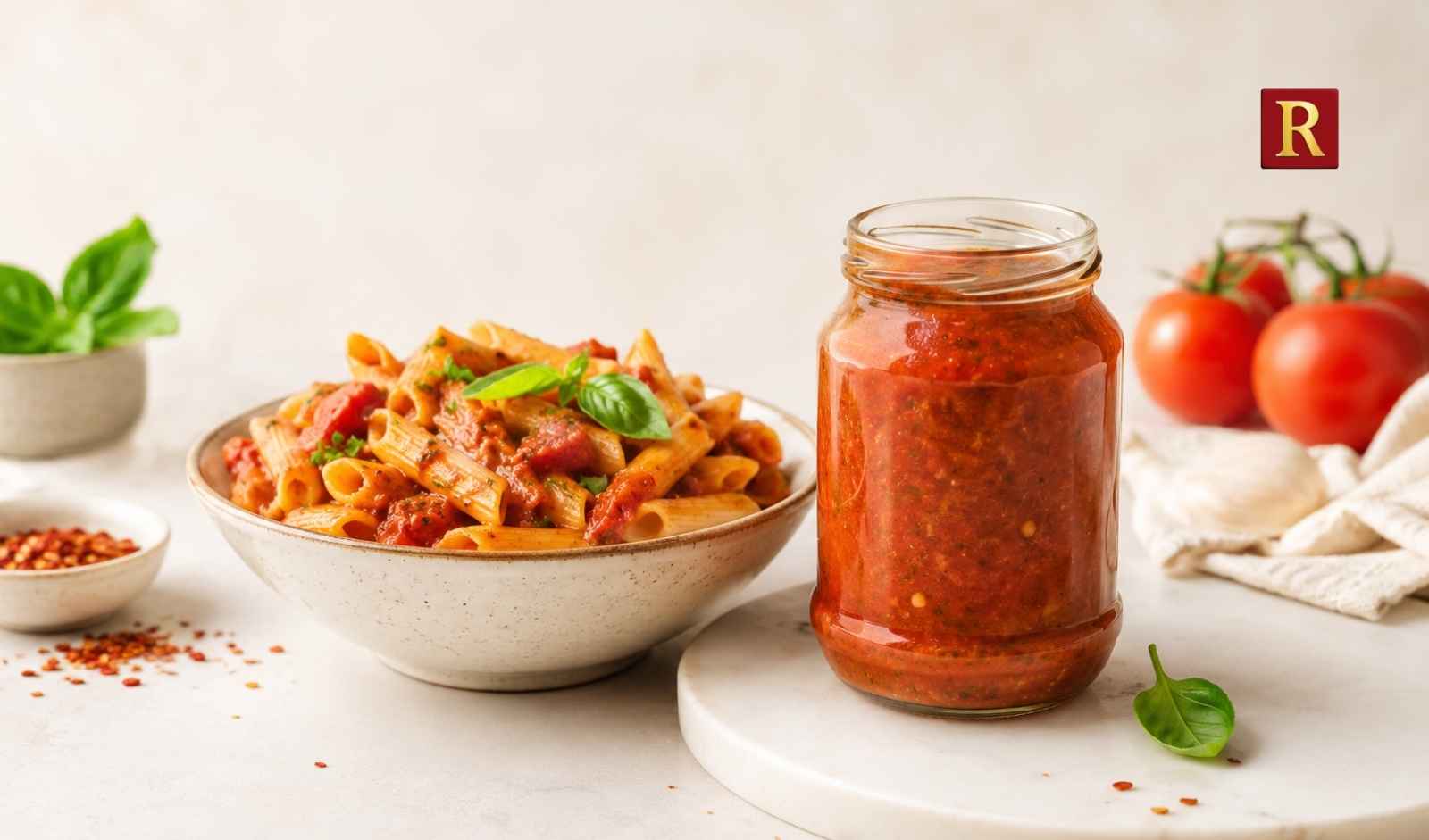
One of the most interesting developments in the packaged food market is the growing importance of sauces, marinades, dips and cooking bases. Instead of selling a complete restaurant-style meal, brands can offer consumers products that transform everyday ingredients into more elaborate dishes. A simple bowl of noodles, for example, can become a Korean-inspired meal with the addition of gochujang-based sauce, sesame oil and seasonings. Similarly, a packaged makhani gravy can turn ordinary paneer into a restaurant-inspired preparation.
From Basic Condiments to Complete Flavour Systems
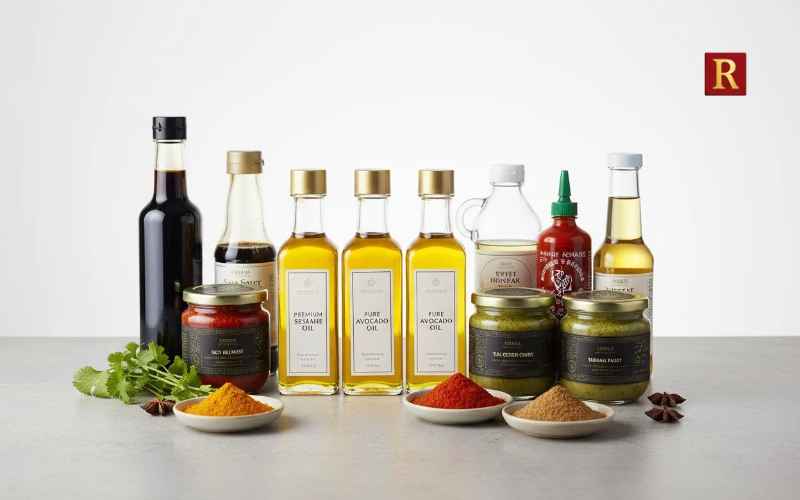
The category is expanding beyond traditional ketchup, mayonnaise and basic cooking sauces. Some of the interesting product directions include:
- Korean BBQ and gochujang-inspired sauces.
- Garlic chilli and chilli oil preparations.
- Restaurant-style makhani and butter chicken bases.
- Peri-peri and smoky barbecue marinades.
- Japanese teriyaki and sesame sauces.
- Asian stir-fry and noodle cooking sauces.
- Dips and finishing sauces for frozen snacks.
Another opportunity is the development of modular flavour kits. These products can contain separate sauce sachets, seasoning blends, crunchy toppings and finishing oils. Consumers can combine them according to their preferences. For manufacturers, this creates opportunities to sell multiple components rather than relying on a single packaged meal.
How Restaurant Brands Are Entering the Packaged Food Business
The competition is not limited to traditional FMCG companies. Restaurant brands are also exploring opportunities in the packaged food category. Established food businesses already have signature dishes, recognised flavours and loyal customers. These strengths can help them introduce products beyond their restaurant outlets. For example, brands such as Wow! Momo have an opportunity to extend their food identity through frozen and packaged formats. Similarly, established packaged food players such as ITC, Haldiram's and McCain Foods operate across categories where product consistency, flavour and preparation convenience are important. The business opportunity lies in converting familiar food experiences into products that can be sold through supermarkets, modern retail stores and quick-commerce platforms.
Why Restaurants Want to Sell Beyond Their Outlets
Moving into packaged food can create additional business opportunities.
- Wider consumer reach: Products can reach households beyond the restaurant's operating locations.
- New revenue channels: Brands can sell through retail and online distribution.
- Better utilisation of brand identity: Signature flavours can become recognisable packaged products.
- More consumption occasions: Consumers can enjoy restaurant-inspired food at home.
- Product diversification: Businesses can reduce their dependence on dine-in and food delivery sales.
However, translating a restaurant recipe into an industrial product is not straightforward. A dish prepared by a chef for 50 customers must be reformulated to deliver consistent results across thousands of packets. Ingredient sourcing, production capacity, food safety, packaging and shelf-life requirements all become important.
The Role of Food Technology in Improving Packaged Food
Food technology is becoming central to the development of restaurant-style packaged products. Manufacturers are exploring different processing methods and ingredients to improve flavour retention, texture, appearance and stability.
Some Important Technologies Used in Packaged Food Innovation
Individual Quick Freezing (IQF): Rapidly freezes individual food pieces, helping preserve their structure and prevent them from sticking together.
Flavour Encapsulation: Protects flavour compounds using carrier materials, helping maintain flavour stability and control their release.
Extrusion Technology: Uses heat, moisture and mechanical energy to shape food, creating consistent textures in snacks and other products.
Modified Starches: Help control viscosity, thickness and texture, improving the consistency of packaged sauces and gravies.
Hydrocolloids: Help manage water retention and food structure, supporting texture and product stability.
Controlled Smoking: Introduces smoky flavour compounds to recreate grilled and charred flavour profiles.
Fermentation: Develops complex flavour compounds through microbial activity, adding depth and savoury notes to packaged food.
Why Flavour Encapsulation Matters
Some flavour compounds are sensitive to heat, oxygen, moisture and processing conditions. Flavour encapsulation helps protect selected compounds by surrounding them with suitable carrier materials. These compounds can then be released under particular conditions, depending on the formulation. This technology can help manufacturers manage flavour stability during processing and storage. For example, a manufacturer developing a packaged grilled-flavour snack may need to ensure that its characteristic smoky notes remain noticeable after the product has been stored and prepared. However, encapsulation is only one part of product development. The overall flavour depends on ingredient quality, processing, formulation and storage.
The Importance of Aroma in Restaurant-Style Food
Aroma plays a major role in how consumers experience food. The smell of freshly roasted spices, grilled kebabs, fried garlic and caramelised onions can influence how flavour is perceived. This makes aroma preservation an important consideration for packaged food companies. Manufacturers need to understand which aroma compounds are lost during heating, processing or storage and how they can retain them. The challenge becomes even more important when a product is designed to release its aroma during reheating or immediately after opening the packaging.
Can Packaged Food Pass the Restaurant Taste Test?
A product may taste excellent immediately after manufacturing but deliver a different experience after weeks of storage. This is particularly important for frozen foods, where temperature fluctuations, ice-crystal formation and moisture movement can affect quality. Manufacturers therefore need to evaluate products throughout their intended shelf life.
What Happens During Storage?
Several factors can influence packaged food quality:
- Flavour degradation: Some aroma and flavour compounds gradually change over time.
- Moisture migration: Water moves between different components, potentially affecting crispness.
- Ice-crystal formation: Changes in frozen storage conditions can damage food structure.
- Fat oxidation: Exposure to oxygen can create unwanted flavours.
- Colour changes: Pigments and ingredients may change during storage.
- Texture deterioration: Products may lose their original crispness or tenderness.
For manufacturers, the objective is to ensure that the product delivers a consistent experience from the first week of storage until the end of its declared shelf life, when stored and prepared as instructed.
Why the Last Mile of Preparation Matters
Even a well-developed packaged product can disappoint if consumers do not prepare it correctly. A frozen snack may require a specific temperature to achieve crispness. A cooking sauce may need to be added at the right stage, while a ready meal may require a particular heating time. This makes preparation instructions an important part of product development.
Packaging Is Becoming Part of the Food Experience
Manufacturers are increasingly required to consider how packaging influences the final product.
Important considerations include:
Microwave compatibility: Packaging must support safe and effective heating where intended.
Moisture control: Packaging helps protect products from unwanted moisture exposure.
Resealable formats: Help consumers store unused portions.
Cooking instructions: Clear temperature and timing guidance can improve preparation results.
Portion control: Separate compartments and sachets can help maintain the quality of individual components.
Another emerging opportunity is packaging designed specifically for air frying, oven cooking and microwave preparation. The idea is to make the transition from packaged product to finished meal as simple as possible without compromising the eating experience.
The Business Challenge: Premium Taste at Affordable Prices
Recreating restaurant-style food involves more than improving recipes. Manufacturers must also manage production costs, ingredient sourcing, packaging expenses and distribution. Premium ingredients, specialised processing methods and advanced packaging can increase manufacturing costs. This creates a difficult balance: consumers want restaurant-quality flavours, but they may not be willing to pay restaurant prices for packaged food.
Can Restaurant-Style Packaged Food Command a Premium?
There are several factors that can influence the pricing strategy.
- Ingredient quality: Premium spices, cheese, sauces and proteins can increase product costs.
- Processing technology: Advanced freezing and specialised manufacturing processes require investment.
- Packaging: Products with separate sauces, toppings and compartments may involve higher packaging costs.
- Brand positioning: Products associated with recognised restaurant brands may have stronger premium positioning.
- Distribution: Cold-chain transportation and storage add operational expenses to frozen food businesses.
For manufacturers, the challenge is to improve the eating experience without making products too expensive for regular consumption.
Regional and Global Restaurant Flavours Could Create New Opportunities
Another opportunity for packaged food manufacturers lies in taking regional and international restaurant flavours into everyday kitchens. Indian consumers are increasingly exposed to different food cultures through restaurants, travel and digital food content. This creates opportunities for brands to develop products inspired by dishes that were previously less common in household cooking.
Some promising directions include:
Cuisine inspiration | Potential packaged food products |
Chettinad | Chettinad curry bases and spice pastes |
Malvani | Coconut-based gravies and seafood masalas |
Awadhi | Galouti kebab mixes and slow-cooked gravy bases |
Mangalorean | Ghee roast masalas and coastal curry pastes |
Korean | Gochujang sauces, Korean fried chicken coatings and marinades |
Japanese | Teriyaki sauces, katsu coatings and ramen bases |
Mexican | Taco seasoning, salsa and chipotle sauces |
Southeast Asian | Thai curry pastes, satay sauces and stir-fry bases |
The opportunity is not simply to introduce more international flavours. It is to reproduce the characteristic taste of these preparations while adapting them to Indian ingredient preferences and household cooking habits. Regional Indian food also offers significant scope for innovation because many restaurant preparations have distinct spice combinations and cooking techniques that can be developed into packaged formats.
What Will Determine the Next Phase of Packaged Food Innovation?
The next stage of the packaged food industry will depend on how effectively manufacturers address the gap between convenience and quality.
Several developments could influence the direction of the category.
Better sensory testing: Companies will need to evaluate taste, aroma and texture throughout the product's shelf life.
More specialised flavour systems: Manufacturers will explore ingredients that reproduce complex restaurant-style flavour profiles.
Improved frozen food technology: Texture retention will remain important for snacks, meals and appetisers.
Restaurant-FMCG partnerships: Restaurant brands and manufacturers may collaborate to develop signature packaged products.
More customisable food formats: Sauces, seasoning kits and finishing ingredients can allow consumers to personalise meals.
Appliance-specific products: Food designed for air fryers, microwaves and ovens could become more important.
The real opportunity lies in developing products that deliver consistent results without requiring consumers to follow complicated preparation methods.
The Future of Packaged Food Will Be Judged by Taste
The packaged food industry is moving beyond the traditional promise of convenience. Consumers want products that save preparation time without compromising the taste and texture they associate with restaurant meals. This is pushing manufacturers to invest in flavour engineering, advanced freezing methods, ingredient innovation and better packaging solutions. For restaurant brands, packaged food offers an opportunity to take signature dishes beyond their outlets. For FMCG companies, it creates room to develop premium products that compete on eating experience rather than convenience alone. However, the real test will happen after the packet is opened. A product may have an attractive label, innovative formulation and long shelf life, but consumers will ultimately judge it by its first bite. The brands that successfully combine restaurant-inspired flavours, reliable texture, consistent quality and affordable pricing could shape the next phase of packaged food innovation in India.
Saptopriya Ghosal
Feature Writer
I am a dedicated media professional with a bachelor's degree in mass communication from the State University of Calcutta and a postgraduate degree from Amity University. My academic journey has equipped me with a profound understanding of storytelling and communication. Passionate about the dynamic world of media, I continually strive to explore new ways to engage and inform through compelling narratives.