
The New Generation Is Falling in Love with Old-School Foods—and Here's Why
The kitchens of our grandparents are inspiring the menus of tomorrow, reminding us that sometimes the best ideas for the future are the ones that have always been on our plates.

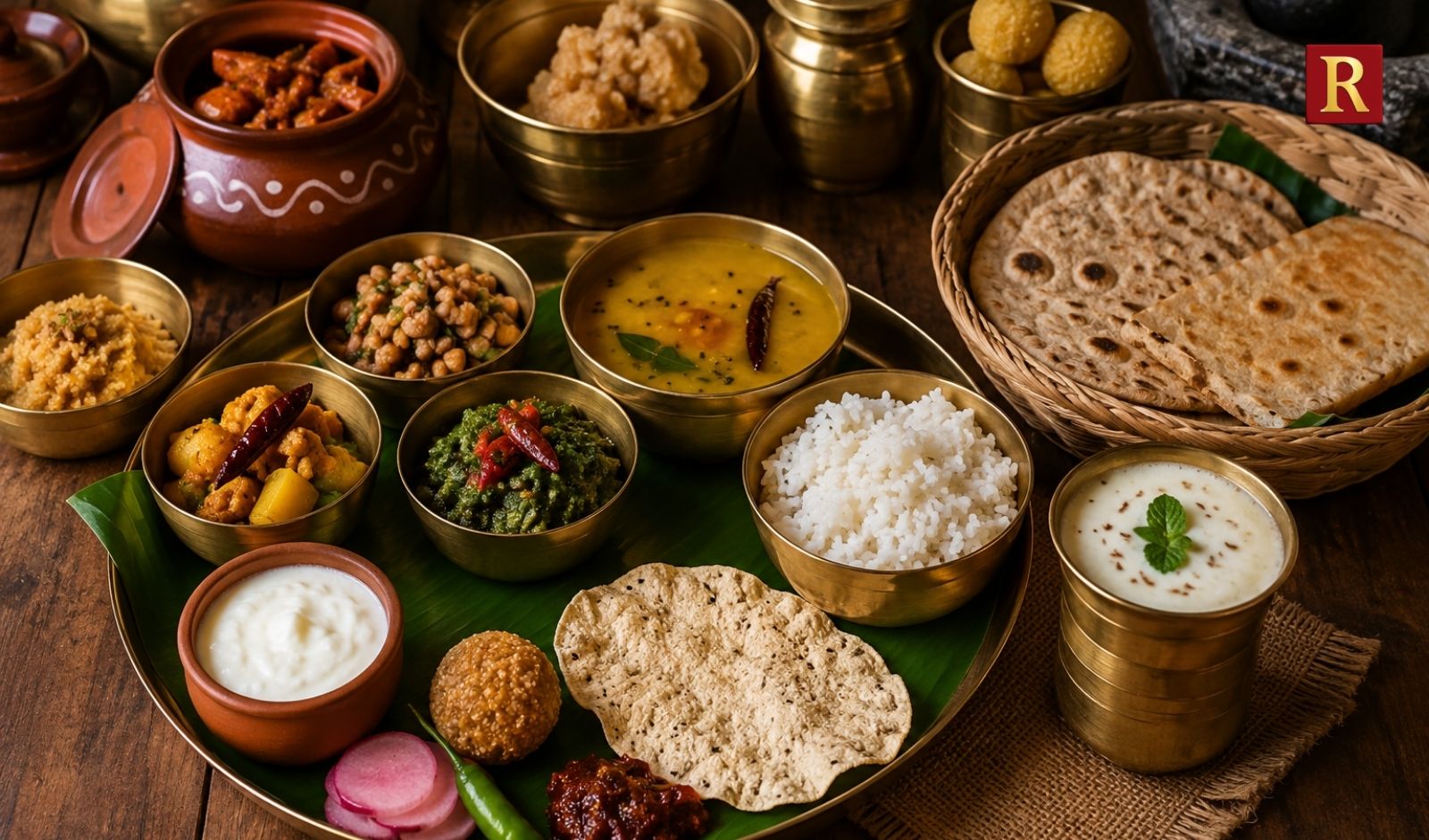
There was a time when foods like millet rotis, homemade pickles, jaggery, sattu, and khichdi were seen as everyday meals found mostly in grandparents' kitchens. Many young people preferred burgers, pizzas, instant noodles, and packaged snacks over these traditional dishes. Today, that story is changing. Across India and many parts of the world, younger generations are rediscovering foods that have been part of family traditions for centuries Walk into a modern café, premium grocery store, or health food outlet, and you are likely to find ragi cookies, millet bowls, fermented drinks, artisanal ghee, and handcrafted pickles on display. Restaurants are serving deconstructed khichdi, millet risotto, and traditional desserts with a contemporary twist. Even social media platforms are filled with creators sharing forgotten family recipes that have gained millions of views.
This growing interest is more than a passing trend. It reflects a shift towards healthier eating habits, sustainable food choices, and a stronger connection with cultural roots. Consumers are beginning to appreciate foods that offer authentic flavours, simple ingredients, and nutritional value. As awareness around ultra-processed foods grows, many are looking back to traditional recipes that have stood the test of time.
Why Traditional Foods Are Making a Comeback
Several factors are driving the renewed popularity of old-school foods, but perhaps the biggest reason is changing consumer priorities. Younger buyers now spend more time reading ingredient labels and actively seek products made with natural ingredients. Traditional foods often fit these expectations. Many recipes rely on whole grains, seasonal vegetables, natural sweeteners, and homemade cooking methods instead of preservatives or artificial additives.
Sustainability is another important reason behind this revival. Traditional recipes usually use locally grown ingredients, reducing transportation and supporting regional farmers. Ancient grains like bajra, jowar, and ragi require significantly less water than crops such as rice, making them more environmentally friendly. As climate concerns become more important, consumers are increasingly choosing foods that are both nutritious and sustainable. Young people are showing greater interest in learning about regional cuisines and preserving recipes that have been passed down through generations. Food has become a way to celebrate heritage while embracing modern lifestyles.
The Psychology Behind Food Nostalgia
Food is closely connected to memory. A familiar aroma or taste can instantly remind someone of childhood meals, family celebrations, or holidays spent with loved ones. Psychologists describe this as food nostalgia, where eating familiar dishes creates positive emotional experiences and feelings of comfort. For many young adults living away from home for work or education, traditional meals provide a sense of familiarity during busy and stressful times. A simple bowl of dal and rice or homemade curd rice often offers emotional satisfaction that fast food cannot match.
Interestingly, nostalgia has also become a powerful influence on buying decisions. Brands and restaurants are increasingly bringing back classic recipes because consumers value authenticity. Social media has amplified this emotional connection. Videos featuring grandmothers cooking traditional recipes or families preparing festive meals regularly attract millions of views. These stories inspire younger audiences to recreate dishes that might otherwise have been forgotten.
Explore 8 Old-School Foods Young People Love Today
1. Millets
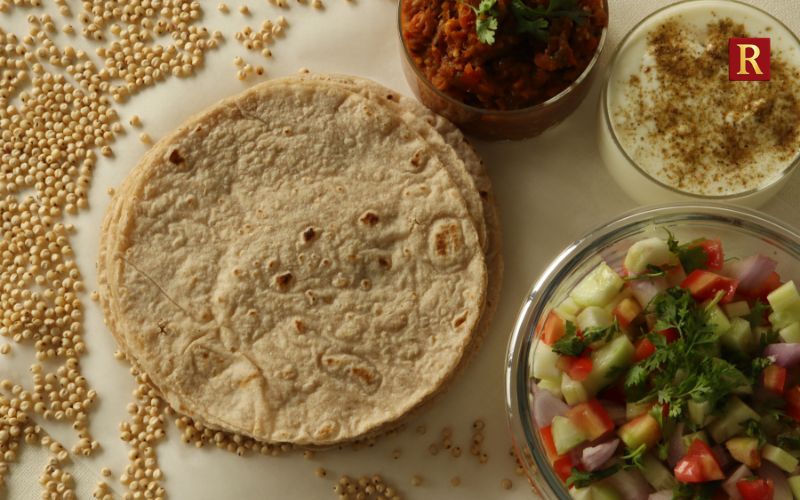
Once considered "poor man's grains," millets have become one of the biggest success stories in modern nutrition. India is among the world's largest producers of millets, and their popularity has grown rapidly due to increasing awareness of their health benefits. Millets such as ragi, jowar, and bajra are rich in dietary fibre, iron, calcium, and essential minerals. Compared to refined grains, they digest more slowly, helping people feel full for longer. Today, millets are used in pancakes, pasta, breakfast bowls, cookies, and even gourmet restaurant dishes.
2. Sattu
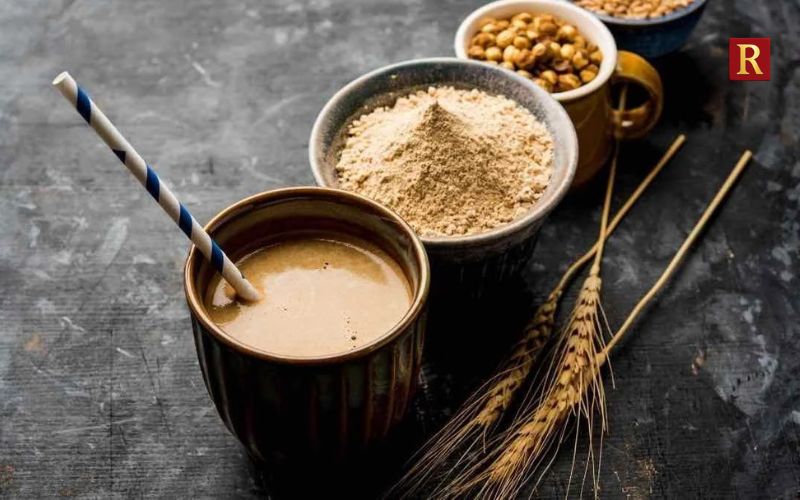
For generations, sattu has been a staple summer drink in states like Bihar, Jharkhand, and Uttar Pradesh. Made from roasted gram flour, it is naturally high in protein and fibre while being affordable and filling. Young consumers are now using sattu in smoothies, protein shakes, energy balls, and healthy breakfast bowls. Fitness enthusiasts appreciate its ability to provide sustained energy without relying on heavily processed protein supplements.
3. Homemade Pickles
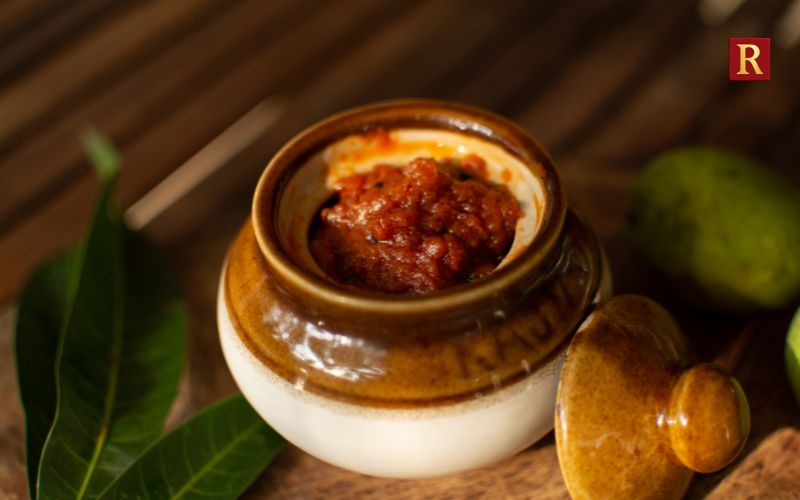
Traditional pickles are experiencing a premium makeover. Small-batch brands are reviving recipes that use locally sourced fruits, vegetables, spices, and cold-pressed oils. Unlike heavily processed condiments, many homemade pickles are naturally fermented. Fermentation encourages the growth of beneficial microorganisms that can contribute to gut health when prepared and stored properly. Beyond their nutritional value, pickles also represent regional diversity, with every Indian state offering its own unique flavours and ingredients.
4. Ghee
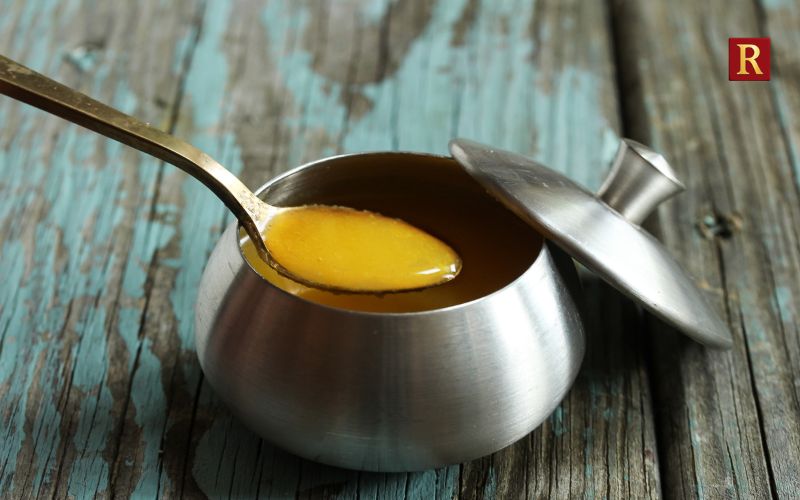
For years, ghee was unfairly criticised because of its fat content. Recent nutritional discussions have encouraged a more balanced view. While moderation remains important, pure ghee is valued for its stability during cooking and its rich flavour. Many young home cooks now use small amounts of ghee instead of refined cooking fats. It is commonly added to rotis, dals, rice, and even coffee in some wellness-focused diets. Premium artisanal ghee brands have also gained popularity by highlighting traditional preparation methods and milk sourced from indigenous cattle breeds.
5. Jaggery

Jaggery has long been used in Indian households as a natural sweetener, especially during winter and festive seasons. Unlike refined white sugar, jaggery retains small amounts of minerals such as iron, magnesium, and potassium because it undergoes less processing. While it should still be consumed in moderation, many people prefer it as a more natural alternative for sweetening tea, desserts, and traditional sweets. Today, jaggery is finding its way into energy bars, granola, cookies, and healthy desserts. Many cafés are also replacing refined sugar with jaggery in beverages and baked goods to appeal to health-conscious customers.
6. Fermented Foods
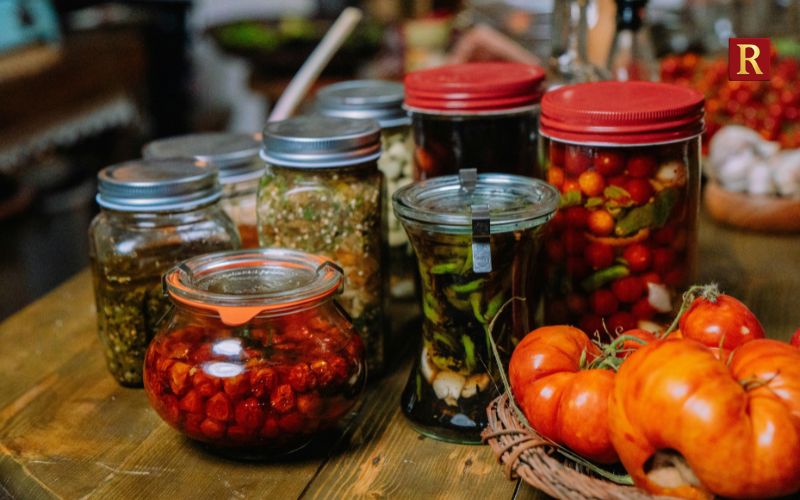
Long before probiotics became a wellness trend, Indian kitchens had already embraced fermented foods. Idli, dosa, kanji, curd, dhokla, and fermented rice preparations have been consumed for centuries. Fermentation is a natural process where beneficial microorganisms break down sugars and starches, improving flavour and digestibility. Some fermented foods also contain beneficial bacteria that support a healthy gut microbiome. Growing awareness about digestive health has encouraged many young consumers to include fermented foods in their daily diets. This trend has also inspired brands to introduce kombucha, fermented millet drinks, and probiotic beverages.
7. Makhana
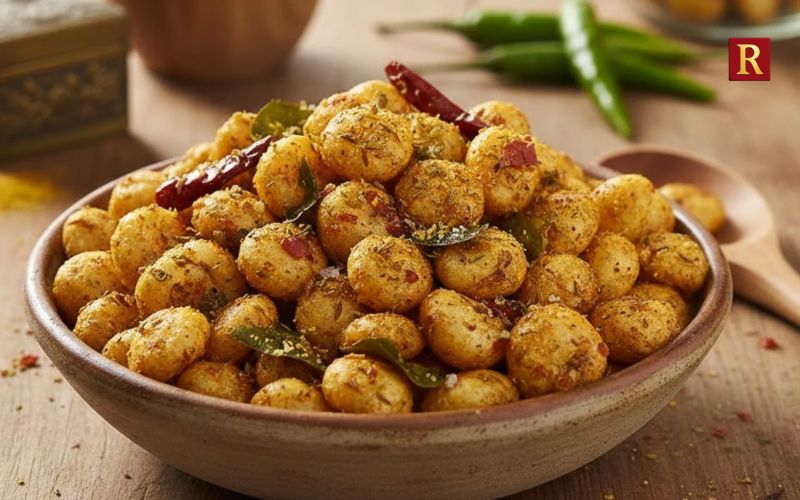
Once reserved mainly for religious fasting and festive recipes, makhana has transformed into one of India's fastest-growing healthy snack categories. Also known as fox nuts, makhana is naturally low in calories and contains protein, fibre, calcium, and antioxidants. Instead of deep-fried snacks, many people now choose roasted makhana seasoned with herbs, spices, or cheese flavouring. The convenience of ready-to-eat makhana packs has helped make this traditional ingredient popular among office workers, students, and fitness enthusiasts.
8. Traditional Lentils and Khichdi
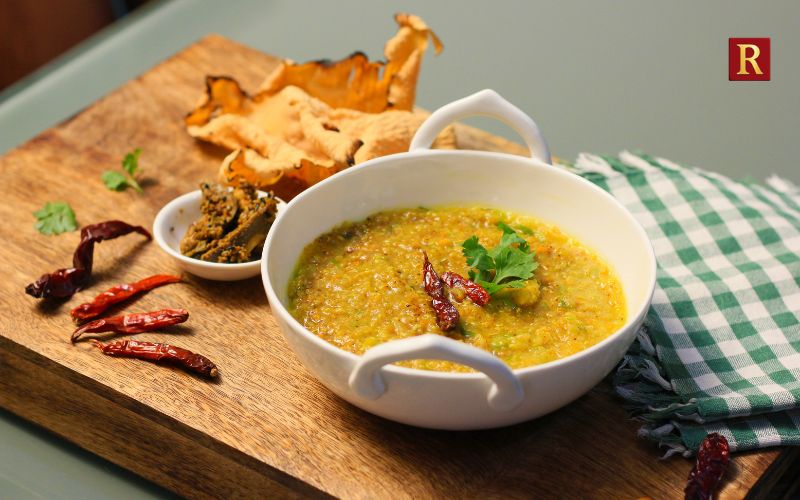
Simple meals such as dal, khichdi, horse gram curry, and mixed lentil soups are gaining renewed appreciation for their nutritional balance. Lentils are an excellent source of plant-based protein, complex carbohydrates, dietary fibre, iron, and folate. Khichdi, often considered comfort food, is now appearing on premium restaurant menus with ingredients such as millets, quinoa, seasonal vegetables, and clarified butter. What was once viewed as an ordinary home meal has become a symbol of wholesome eating.
How Restaurants Are Reinventing Heritage Foods
The hospitality industry has played a major role in making traditional foods fashionable again. Instead of changing the essence of old recipes, chefs are presenting them in fresh and creative ways.
- Fine-dining restaurants now serve millet risotto inspired by Italian cuisine, smoked baingan bharta, gourmet khichdi topped with roasted vegetables, handcrafted pickles paired with sourdough bread, and desserts made with jaggery instead of refined sugar.
- Presentation has also evolved. Traditional dishes are plated with modern techniques, making them visually attractive while preserving authentic flavours. Smaller tasting portions encourage diners to explore regional cuisines without feeling overwhelmed.
- Cloud kitchens and boutique cafés have also embraced heritage foods by offering seasonal menus featuring forgotten recipes from different Indian states. This combination of tradition and innovation has made classic dishes more appealing to younger audiences.
Social Media Has Given Grandma's Recipes a Second Life
The rise of food content on Instagram, YouTube, and other digital platforms has transformed how people discover recipes. Videos featuring grandmothers preparing family dishes, regional cooking traditions, and village kitchens regularly attract millions of views. Young creators are documenting recipes that were once passed down only through oral tradition. These videos not only preserve culinary heritage but also introduce regional ingredients to audiences across the country.
Visual storytelling has become an important factor in food choices. Beautifully filmed recipes, traditional cookware, and stories behind local ingredients create an emotional connection that encourages people to recreate these dishes at home. Restaurants and food brands have recognised this trend by highlighting the history, ingredients, and cultural significance behind their menus rather than focusing only on taste.
Are Traditional Foods Actually Healthier?
Traditional foods can be a healthier choice than heavily processed alternatives, but their nutritional value depends on how they are prepared and consumed. Here are some key reasons why they remain an important part of a balanced diet:
- Rich in Whole Ingredients: Traditional meals often include whole grains, lentils, vegetables, and healthy fats that provide fibre, vitamins, minerals, and long-lasting energy.
- Supports Gut Health: Fermented foods such as idli, dosa, curd, and kanji contain beneficial microorganisms that may improve digestion and support a healthy gut microbiome.
- Less Processing: Homemade recipes usually contain fewer preservatives and allow better control over salt, sugar, and oil than packaged foods.
- Balance Is Essential: While many traditional foods are nutritious, sweets and fried festive dishes should still be enjoyed in moderation as part of a varied and balanced diet.
What This Trend Means for the Food Industry
The revival of heritage foods presents enormous opportunities for restaurants, food manufacturers, cafés, and start-ups. India's health and wellness food market continues to grow as consumers seek products with clean labels, regional ingredients, and authentic stories. Brands are introducing ready-to-cook millet mixes, premium pickles, artisanal ghee, cold-pressed oils, fermented beverages, and convenient traditional snacks designed for busy lifestyles. Many of these products combine traditional recipes with modern packaging and longer shelf life without compromising quality. Restaurants are also expanding regional menus to showcase forgotten local dishes, giving customers new experiences while supporting indigenous ingredients and local farmers.
Foods with a Story
Old-school foods are making a comeback because they offer something that many modern diets struggle to provide—authenticity, nourishment, and emotional connection. For today's generation, choosing traditional food is not about rejecting innovation. Instead, it is about appreciating recipes that have evolved through centuries of experience. From nutrient-rich millets and fermented foods to comforting bowls of dal and khichdi, these dishes prove that simple ingredients can still deliver exceptional flavour and health benefits. As food trends continue to evolve, heritage recipes are no longer seen as outdated. They have become symbols of mindful eating, cultural pride, and sustainable living. The kitchens of our grandparents are inspiring the menus of tomorrow, reminding us that sometimes the best ideas for the future are the ones that have always been on our plates.
Saptopriya Ghosal
Feature Writer
I am a dedicated media professional with a bachelor's degree in mass communication from the State University of Calcutta and a postgraduate degree from Amity University. My academic journey has equipped me with a profound understanding of storytelling and communication. Passionate about the dynamic world of media, I continually strive to explore new ways to engage and inform through compelling narratives.



































































































































































