The New Battle for India's Biscuit Market: Can New Entrants Challenge Established Brands?
The opportunity lies in identifying consumer needs that larger manufacturers may not address with the same speed or focus. But product differentiation alone will not guarantee success.

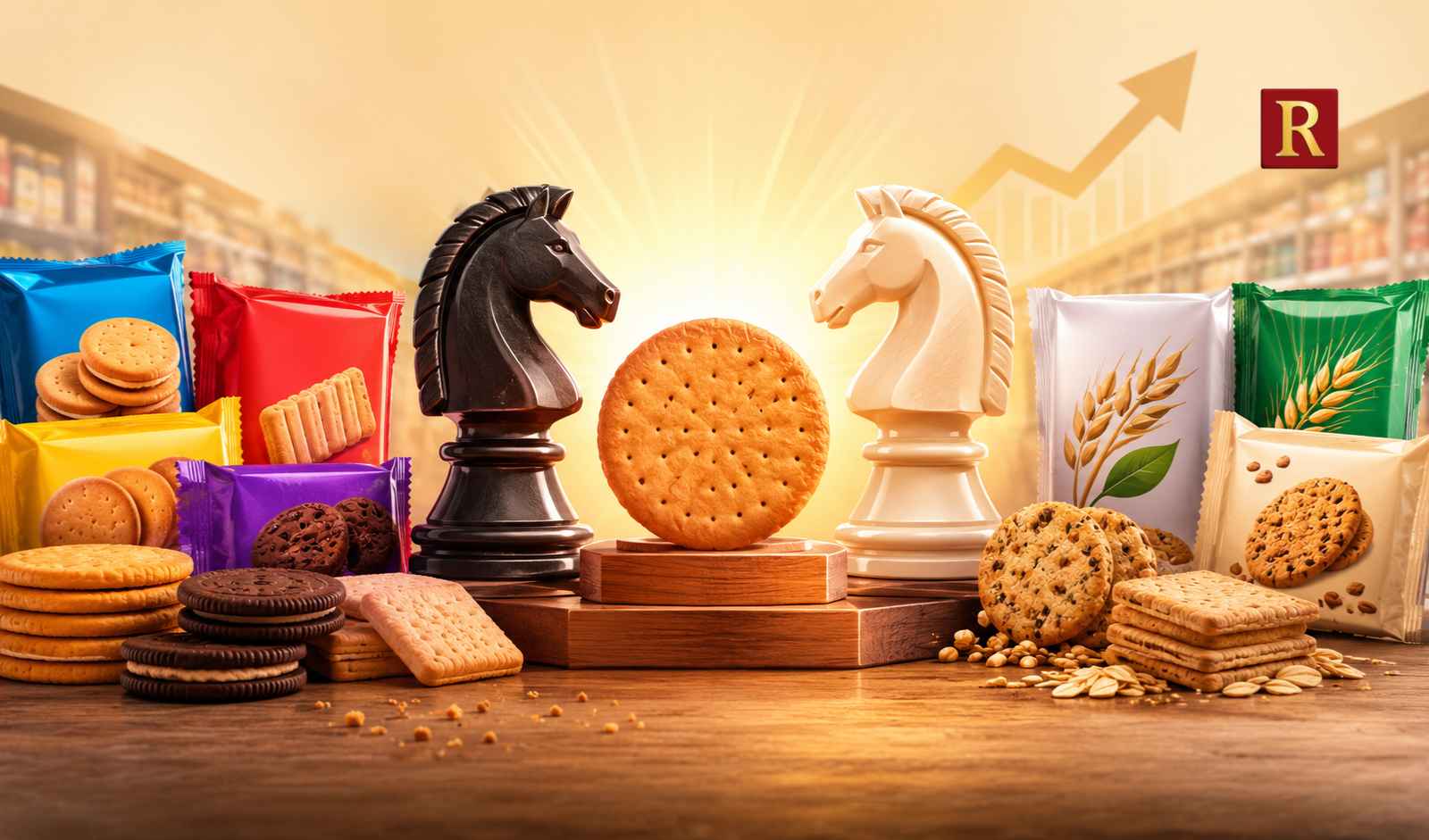
India's biscuit market has been dominated by familiar names such as Parle, Britannia and ITC. From affordable glucose biscuits to cream-filled cookies and premium crackers, these brands have built a strong presence in Indian households. However, the market is beginning to witness a new wave of competition as emerging food companies introduce millet-based biscuits, protein-rich cookies, low-sugar alternatives and premium indulgences. The shift is changing how companies approach one of India's most familiar snacking categories. Consumers are exploring products with different ingredients, nutritional benefits and flavours, while new businesses are looking to capture opportunities beyond conventional biscuits.
At the same time, entering the market is not easy. Established companies have strong distribution networks, manufacturing capabilities, brand recognition and competitive pricing. New entrants must find a way to stand out while convincing consumers to pay more for products they may not have tried before. The bigger question is whether India's biscuit market is ready for a new generation of brands or whether established players will continue to control the category.
India's Biscuit Market: A Large Opportunity for New Players
India's biscuits, cookies and crackers market offers significant opportunities for manufacturers. Rising urban consumption, changing snacking habits, product innovation and growing retail access are creating room for different product categories. Market estimates cited in industry research place the Indian biscuits, cookies and crackers market at approximately Rs 1.16 lakh crore in 2025, with projections suggesting it could reach around Rs 1.64 lakh crore by 2030. This growth is attracting businesses interested in premium bakery products, healthier snacking and differentiated packaged foods.
Several factors are supporting the market:
- Changing food preferences: Consumers are exploring products with whole grains, seeds, nuts and alternative flours.
- Premiumisation: Some buyers are willing to pay more for better ingredients and distinctive flavours.
- Quick-commerce expansion: Faster delivery is making niche packaged snacks easier to discover.
- Urban snacking: Biscuits and cookies are increasingly purchased for office breaks, travel and between-meal consumption.
- Product innovation: Manufacturers are experimenting with protein, fibre, reduced-sugar formulations and regional ingredients.
However, market growth does not automatically translate into success for every new company. Brands must establish repeat purchases and build a commercially sustainable distribution model.
The Established Giants: Why Britannia, Parle and ITC Remain Difficult to Challenge
The strength of India's established biscuit manufacturers comes from more than their product portfolios. Their competitive advantage lies in decades of consumer trust, extensive distribution and the ability to manufacture and sell products at different price points.
Three major players continue to influence the category.
1. Parle Products: The Power of Affordability
Parle Products has built its position through products such as Parle-G, Monaco and Hide & Seek. Its strength comes from offering familiar products across different consumer segments. Parle-G, in particular, demonstrates how an affordable biscuit can become a regular household purchase through accessibility, distribution and brand recall.
2. Britannia Industries: A Diverse Product Portfolio
Britannia has established a strong presence across glucose biscuits, cookies, crackers and health-oriented products. Brands such as Good Day, Tiger, Marie Gold and NutriChoice allow the company to address different consumption occasions. Its product strategy also demonstrates how established manufacturers can respond to changing preferences without abandoning their core customer base.
3. ITC: Competing Through Innovation and Premiumisation
ITC's Sunfeast portfolio includes products such as Dark Fantasy, Marie Light and Farmlite. The company has used premium cookies, cream-filled biscuits and differentiated formulations to create opportunities beyond conventional glucose and cream biscuits. For new manufacturers, competing with these companies requires more than introducing another flavour or changing packaging. They need a product proposition that consumers can recognise and value.
The New Challenger: Reliance's Entry Changes the Competition
One of the biggest developments in India's biscuit market is the growing presence of Reliance Consumer Products Limited (RCPL), the FMCG arm of Reliance Industries. The company is expanding its Independence biscuit portfolio to compete across everyday and premium consumption categories. In November 2026, Reliance announced nine biscuit variants covering 28 new stock-keeping units (SKUs), with the expanded range initially rolling out across Tamil Nadu.
The portfolio includes:
- Independence Power Up
- Independence Butter Bliss
- Independence Milky Power
- Independence Marie Prime
- Independence Coco Vanilla and Chocolate
- Independence CremYum Orange
- Independence CremYum Choco
- Independence Coco Bourbon
- Independence Glucose Boost
The pricing strategy is equally important. Trial packs start at Rs 5, sharing packs are priced at Rs 10, while larger packs range from Rs 40 to Rs 125. One of the interesting products is Power Up, which combines milk, glucose and protein. This shows how Reliance is attempting to bring product differentiation into an affordable biscuit category. The company is also increasing production capacity in Tamil Nadu and plans to distribute its products through general trade, modern retail, e-commerce, Reliance Retail and wholesale channels.
Why Reliance's Entry Matters
Reliance's entry is significant because it brings financial strength, retail infrastructure and an established consumer-business ecosystem into an already competitive category.
Its strategy is built around three important factors:
- Affordable pricing: Reaching consumers through smaller packs and accessible price points.
- Product variety: Offering glucose, milk, cream-filled and chocolate-based biscuits.
- Distribution strength: Using multiple retail channels to increase product availability.
Reliance is also pursuing a two-pronged strategy, with Independence targeting everyday and indulgent biscuits while its partnership with Sri Lankan manufacturer Maliban supports differentiated premium offerings.
The Economic Times+1
However, the company will have to establish demand beyond its own retail ecosystem. Getting a product onto a shelf is only the first step. Building consumer preference and repeat purchases will determine whether it can become a serious competitor.
Can the Campa Strategy Work in the Biscuit Market?
Reliance's entry naturally brings comparisons with Campa Cola, where aggressive pricing and wider distribution helped the company challenge established beverage players. However, biscuits operate under different market conditions. Unlike soft drinks, where a price difference can create a strong incentive to switch brands, biscuits already have highly competitive entry-level price points. Britannia's CEO and Managing Director Rakshit Hargave highlighted this difference during the company's November 2026 earnings discussion. He explained that a large part of the biscuit market already operates at Rs 5 and Rs 10, leaving limited room for aggressive price disruption. Britannia has said it will closely monitor Reliance's expansion rather than treating the entry as an immediate threat.
The comparison highlights an important business reality.
Competition factor | Soft drinks | Biscuits |
Price competition | Scope for visible price differences | Rs 5 and Rs 10 packs already dominate key price points |
Consumer behaviour | Brand switching can follow promotions | Strong everyday brand habits |
Product differentiation | Flavours, packaging and formulation | Ingredients, texture, taste and pack size |
Distribution | Retail outlets, restaurants and quick commerce | Extensive kirana and general-trade networks |
Repeat purchase | Depends on consumption and availability | Often driven by household buying habits |
Therefore, Reliance may need a combination of pricing, product innovation and distribution rather than relying entirely on discounts.
The Rise of Health-Focused Biscuits: A New Opportunity for Emerging Brands
While large companies compete through scale and affordability, emerging food brands are exploring a different opportunity: changing the nutritional profile of biscuits. Consumers are showing interest in products made with whole grains, millets, nuts, seeds and alternative ingredients. This is encouraging manufacturers to experiment with products that offer more than conventional sweetness and crunch.
Some of the emerging product directions include:
1. Millet-Based Biscuits
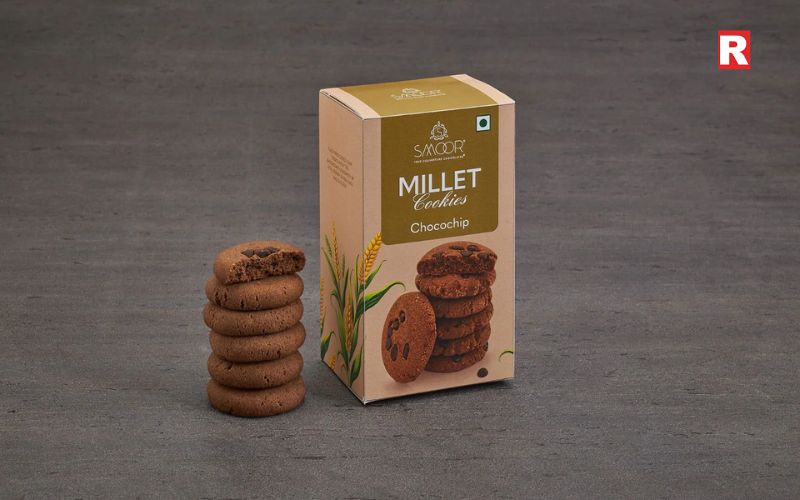
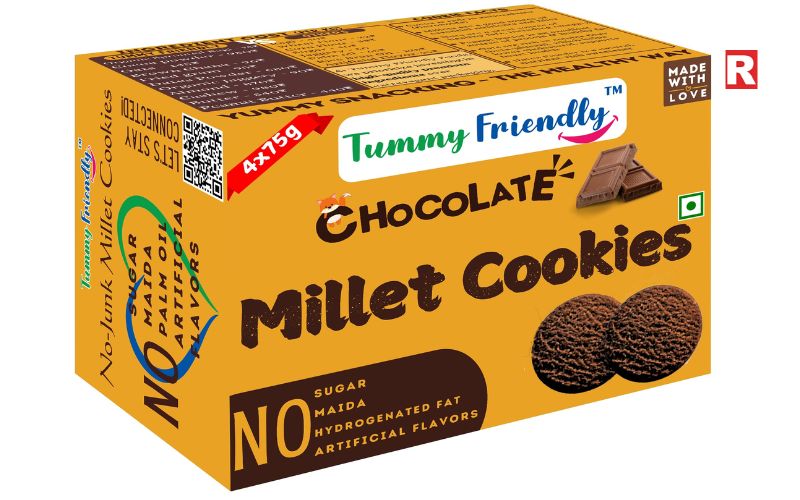
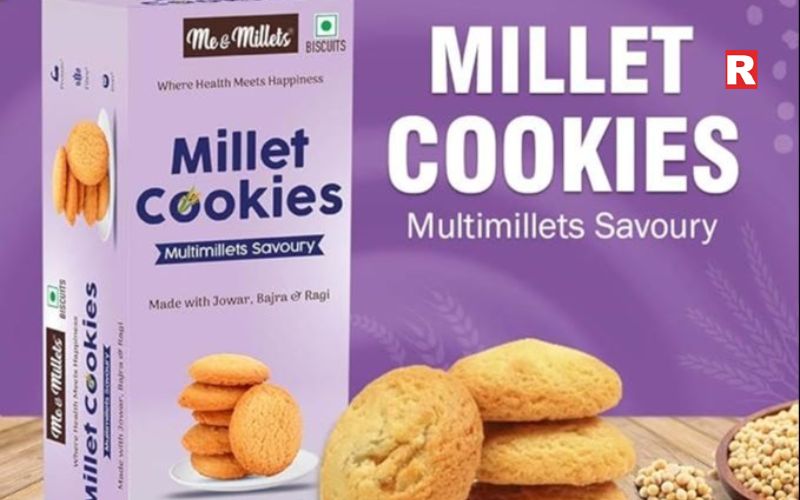
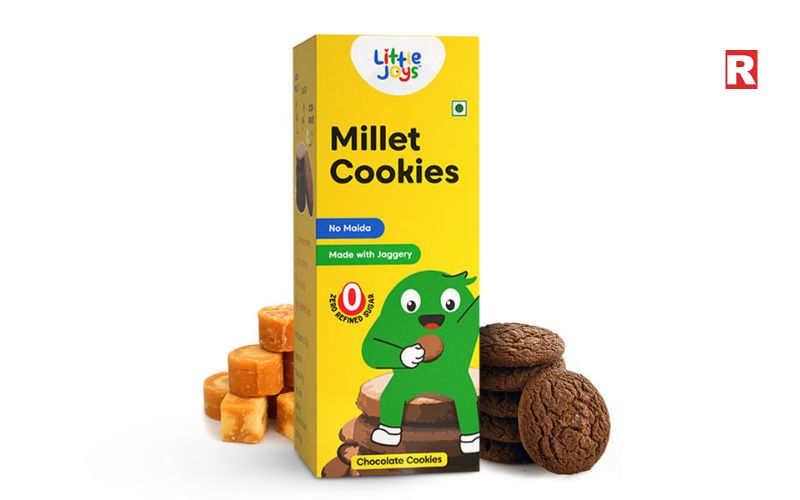
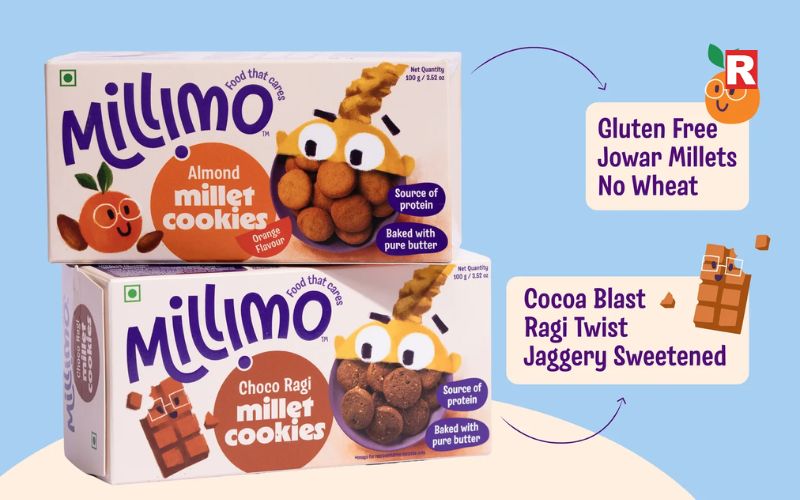
Ragi, jowar and bajra are gaining attention as alternative ingredients in packaged foods. These grains offer opportunities for manufacturers to develop products with different fibre and mineral profiles while introducing traditional Indian ingredients into modern snacking formats. However, the final nutritional value depends on the formulation and the proportion of millet used.
2. Protein-Enriched Biscuits
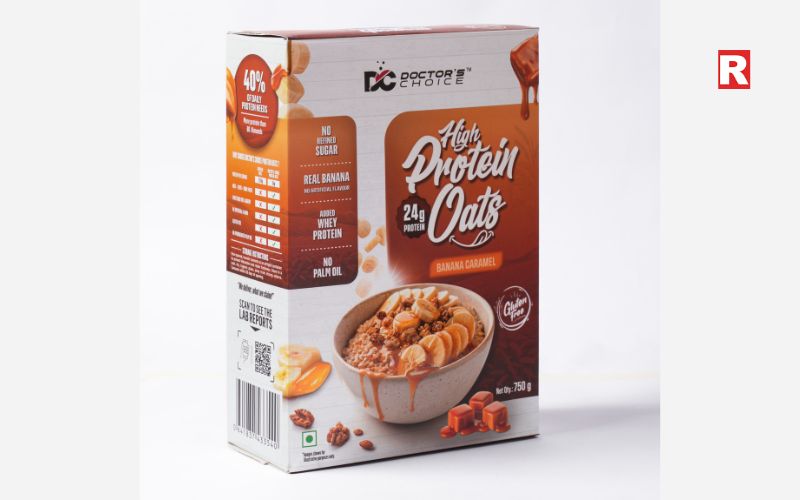
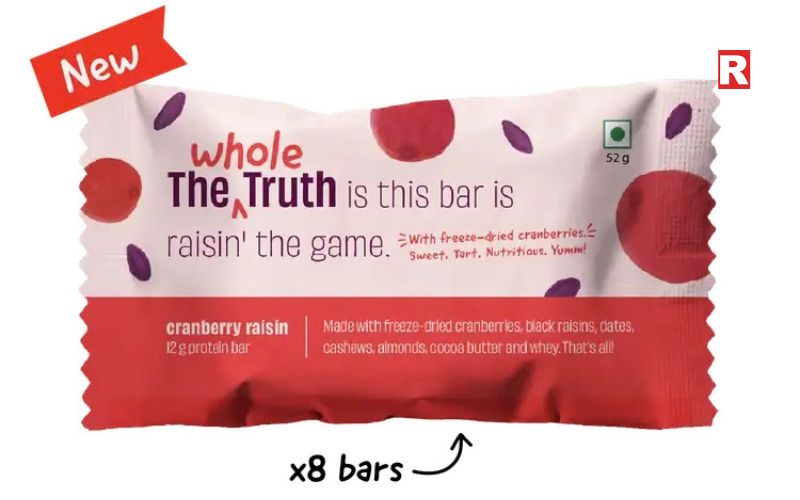
Protein is becoming an important product proposition in the packaged snacking category. Manufacturers are exploring milk proteins, whey and plant-based protein ingredients to develop products targeting fitness-conscious consumers and people looking for convenient snacks. The challenge is maintaining the right balance between protein content, taste, texture and production costs.
3. Low-Sugar and Reduced-Sugar Biscuits
Growing awareness about sugar consumption is creating opportunities for manufacturers to experiment with alternative sweeteners and reduced-sugar recipes. However, sugar also influences browning, texture and moisture retention during biscuit production. Reformulation therefore requires technical expertise.
4. Fibre-Rich Biscuits
Oats, whole wheat, bran and other fibre-rich ingredients are being used to create products positioned around digestive wellness and everyday nutrition. The opportunity lies in developing biscuits that offer a meaningful nutritional difference without compromising taste.
Premium Biscuits: Can Consumers Pay More for Better Ingredients?
Another important development is the premiumisation of India's biscuit category. Traditional biscuits have largely competed through affordability and familiarity. Premium products, on the other hand, are attempting to attract consumers through richer ingredients, specialised flavours and distinctive eating experiences.
The segment includes:
- Chocolate-filled cookies.
- Butter-rich biscuits.
- Nut and seed-based cookies.
- Artisanal baked products.
- Premium digestive biscuits.
- International-style crackers.
This creates an opportunity for smaller manufacturers and bakery-led businesses that can develop specialised products without immediately competing for the mass-market glucose biscuit segment. However, premiumisation also creates a pricing challenge. A consumer may be willing to purchase a premium cookie occasionally but may not replace their regular household biscuit with a product that costs several times more. For new brands, the opportunity is to convert occasional trials into regular purchases.
The Distribution Battle: Why Getting Shelf Space Is Difficult
One of the biggest challenges for new biscuit manufacturers is distribution. Established companies have spent decades building relationships with distributors, wholesalers, supermarkets and neighbourhood retailers. Their products are already familiar to consumers and occupy valuable shelf space. New entrants must invest in making their products available while managing the costs associated with transportation, warehousing and retailer margins. The distribution challenge becomes more complicated outside major cities. In smaller towns, consumers may have fewer premium product options, and retailers may prefer stocking established brands with predictable sales.
General Trade Versus Quick Commerce
Quick commerce is creating a new route for emerging biscuit brands to reach consumers. It can help niche products gain visibility without requiring immediate nationwide distribution. However, traditional retail continues to be important for everyday biscuit consumption.
Distribution channel | Advantage for new brands | Main challenge |
Kirana stores | Access to regular household buyers | Distributor relationships and shelf space |
Modern retail | Product visibility and premium positioning | Listing costs and competition |
Quick commerce | Faster discovery and targeted promotions | Platform costs and customer acquisition |
E-commerce | Wider reach and product storytelling | Delivery economics and repeat orders |
Direct-to-consumer | Customer data and brand control | Marketing and fulfilment expenses |
For emerging manufacturers, a combination of online discovery and selective offline expansion may offer a practical route to market.
Why Manufacturing Economics Can Decide the Winner
A differentiated biscuit may attract consumers, but producing it consistently and profitably is another challenge. New manufacturers must consider ingredient costs, production capacity, packaging, shelf life and quality control.
Some important technical factors include:
- Flour selection: Maida, whole wheat, oats and millet influence dough structure and texture.
- Fat selection: Butter, shortening and vegetable oils affect flavour, mouthfeel and biscuit spread.
- Sweeteners: Sugar and alternative sweeteners influence browning, moisture and taste.
- Protein enrichment: Adding protein can change dough behaviour and product texture.
- Baking conditions: Temperature and baking time determine moisture, colour and crispness.
- Packaging: Moisture-barrier packaging helps maintain freshness and crunch.
- Quality testing: Manufacturers need to monitor moisture, microbial safety and fat oxidation.
Contract Manufacturing Versus Setting Up a Production Facility
For emerging biscuit brands, choosing the right manufacturing model can influence their ability to scale.
Factor | Contract manufacturing | Own manufacturing facility |
Initial investment | Generally lower | Significantly higher |
Production control | Depends on manufacturer agreements | Greater direct control |
Scalability | Depends on available capacity | Depends on installed capacity |
Product development | May have technical limitations | More flexibility |
Quality management | Requires supplier audits and monitoring | Direct operational supervision |
Business risk | Supplier dependency | Capital and capacity utilisation |
Contract manufacturing can help new brands enter the market without investing heavily in machinery and infrastructure. However, companies must maintain strict quality standards and ensure consistency between batches. Setting up an independent facility offers greater operational control but requires investment in equipment, skilled workers, energy, maintenance and food-safety systems.
The Biggest Business Challenges for New Biscuit Brands
Despite the opportunities, entering India's biscuit industry comes with several challenges.
1. Competing With Established Prices
Consumers already have access to biscuits priced at Rs 5 and Rs 10. Premium brands must justify why their products deserve a higher price.
2. Building Consumer Trust
Established brands benefit from years of familiarity. New manufacturers must demonstrate product quality, ingredient transparency and consistent taste.
3. Managing Customer Acquisition Costs
Digital advertising and influencer campaigns can generate initial demand, but customer acquisition becomes expensive if consumers do not return.
4. Maintaining Product Shelf Life
Biscuits are sensitive to moisture and storage conditions. Poor packaging can affect crispness, texture and overall product quality.
5. Achieving Repeat Purchases
A successful launch does not necessarily translate into a sustainable business.Manufacturers need to monitor repeat orders, sales per outlet and contribution margins.
6. Managing Health-Related Claims
Brands positioning their products as high-protein, low-sugar or millet-based must ensure that their claims are supported by appropriate nutritional information and comply with FSSAI requirements.
What Should Biscuit Manufacturers Focus on Next?
The next phase of India's biscuit market will require companies to understand changing consumer expectations without ignoring the economics of everyday snacking.
Some important opportunities include:
- Regional ingredients: Using ragi, jowar, coconut, jaggery and locally popular flavours to create differentiated products.
- Functional snacking: Developing products with meaningful protein, fibre and nutritional benefits.
- Affordable premiumisation: Offering smaller packs of premium biscuits to encourage trial purchases.
- Better packaging: Improving freshness, portability and portion control.
- Quick-commerce partnerships: Using digital platforms to test new products and understand consumer demand.
- Product personalisation: Developing biscuits for different occasions, including breakfast, office breaks, children's snacks and travel.
- Transparent labelling: Communicating ingredient composition and nutritional information clearly to build consumer confidence.
The Future
India's biscuit market is entering a new phase of competition. Established companies such as Parle, Britannia and ITC continue to benefit from consumer trust, affordable products and extensive distribution networks. Meanwhile, emerging manufacturers are exploring opportunities through healthier ingredients, premium cookies and specialised product formulations. Reliance's expanded Independence portfolio adds another dimension to this competition. Its financial strength, retail presence and affordable pricing strategy make it an important player to watch. However, its ability to build distribution beyond its existing ecosystem and generate repeat purchases will determine its long-term position.
The opportunity lies in identifying consumer needs that larger manufacturers may not address with the same speed or focus. But product differentiation alone will not guarantee success. Manufacturing consistency, pricing, retail access and consumer trust will remain equally important. Ultimately, the next successful biscuit brand in India may not be the one offering the most expensive ingredients or the lowest price. It could be the brand that finds the right balance between taste, affordability, product quality and accessibility. The real battle is not just about introducing a new biscuit. It is about earning a permanent place in the Indian consumer's everyday shopping basket.
Saptopriya Ghosal
Feature Writer
I am a dedicated media professional with a bachelor's degree in mass communication from the State University of Calcutta and a postgraduate degree from Amity University. My academic journey has equipped me with a profound understanding of storytelling and communication. Passionate about the dynamic world of media, I continually strive to explore new ways to engage and inform through compelling narratives.