
The New Age of Hospitality: How Experiences Are Redefining Restaurants, Bars
Emotional reliability builds trust, and trust builds loyalty. Social media has added another layer to hospitality.

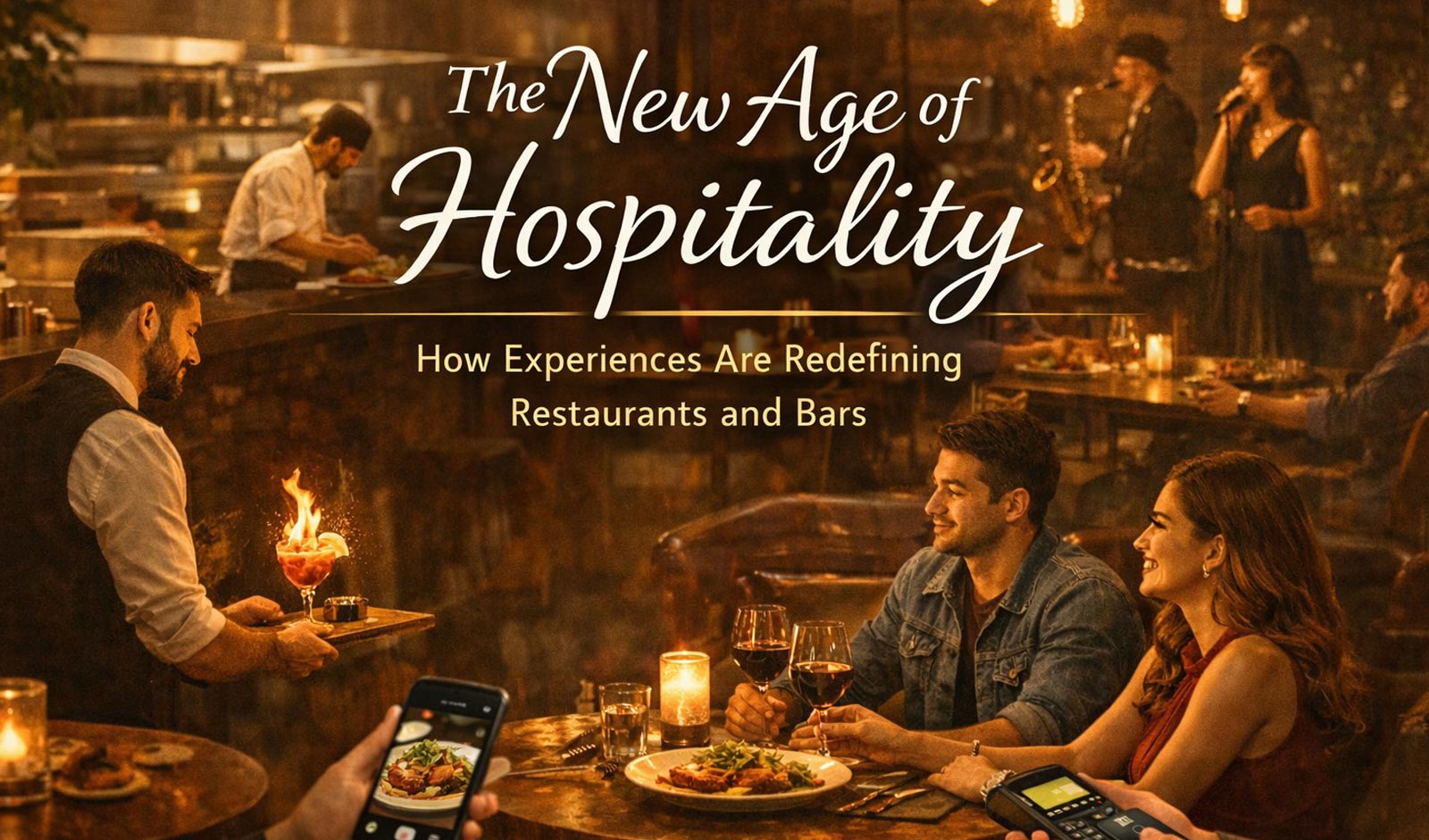
One of the biggest misconceptions in the restaurant industry today is that food alone wins the game. Great food is expected. Beautiful interiors are expected. Even efficient service is expected. None of these elements, by themselves, are true differentiator anymore. What truly sets a restaurant or bar apart today is how intentionally the overall guest experience is designed.
There was a time when a strong chef and a prime location could sustain a restaurant for years. That era has passed. Today’s guests don’t step out only to eat; they step out to feel something. They want an experience that is cohesive, thoughtful, and emotionally engaging. Dining out is no longer just about the menu—it is about the mood, the energy, and the memory created.
Across both metro cities like Delhi-NCR and emerging markets such as Raipur or Nashik, expectations have evolved. In premium markets, guests may spend ₹3,000–₹5,000 per person on a weekend, and they naturally compare the experience to global standards. In smaller cities, while spending patterns may differ, emotional expectations are just as high. Guests value warmth, attentiveness, and respect. Word-of-mouth is powerful, and experiences—good or bad—are remembered for a long time.
When people dine out today, they evaluate more than just taste and portion size. They notice how they are greeted at the entrance. They pay attention to whether the music allows conversation. They observe if the lighting is comfortable and flattering. They sense whether the staff anticipates their needs without being intrusive. Even the ease of payment and exit shapes their final impression. Hospitality has become a carefully managed flow of moments, where every touchpoint matter.
Often, the smallest details make the biggest difference. For instance, a restaurant may have excellent food and professionally designed acoustics, yet inconsistent music volume can affect guest comfort and shorten dwell time. Standardising something as simple as sound levels can significantly improve guest satisfaction—without changing the menu or pricing. This highlights an important truth: experience usually breaks at small, overlooked points.
Staff play a central role in delivering this experience. Servers and bartenders are no longer just fulfilling orders; they are brand representatives. When a cocktail is explained with a story or a dish is introduced with authenticity, the interaction becomes more immersive. Training, therefore, must go beyond standard operating procedures. It must build confidence, empathy, and the ability to read situations. Technical skills can be taught, but presence and emotional intelligence must be cultivated.
Consistency has also become a form of luxury. Guests may overlook a compact space or a busy evening, but they do not forgive inconsistency. The warmth of the welcome should not depend on who is on shift. The quality of service should not improve only when the owner is present. Emotional reliability builds trust, and trust builds loyalty. Social media has added another layer to hospitality. Many venues are designed to look good in photographs, and while aesthetics may drive first visits, they do not guarantee repeat business. A space that functions smoothly, feels comfortable, and delivers consistently will always outperform one that relies only on visual appeal.
At its core, hospitality remains deeply human. Technology can streamline bookings and personalise communication, but it cannot replace intuition. The ability to sense a guest’s mood, recognise a celebration, or quietly resolve discomfort is what creates meaningful connection.
Food may bring guests through the door once. A thoughtfully designed, consistent experience is what brings them back. In today’s competitive landscape, repeat guests, not just footfall, are the true measure of success.
Angad Chachra
Founder, The Bar Consultants









































