
The Martini Makeover: How Restaurants Are Reinventing a Classic
Globally, leading bars are reporting record demand, with some serving over 12,000 martinis annually and others exceeding 30,000 serves a year.

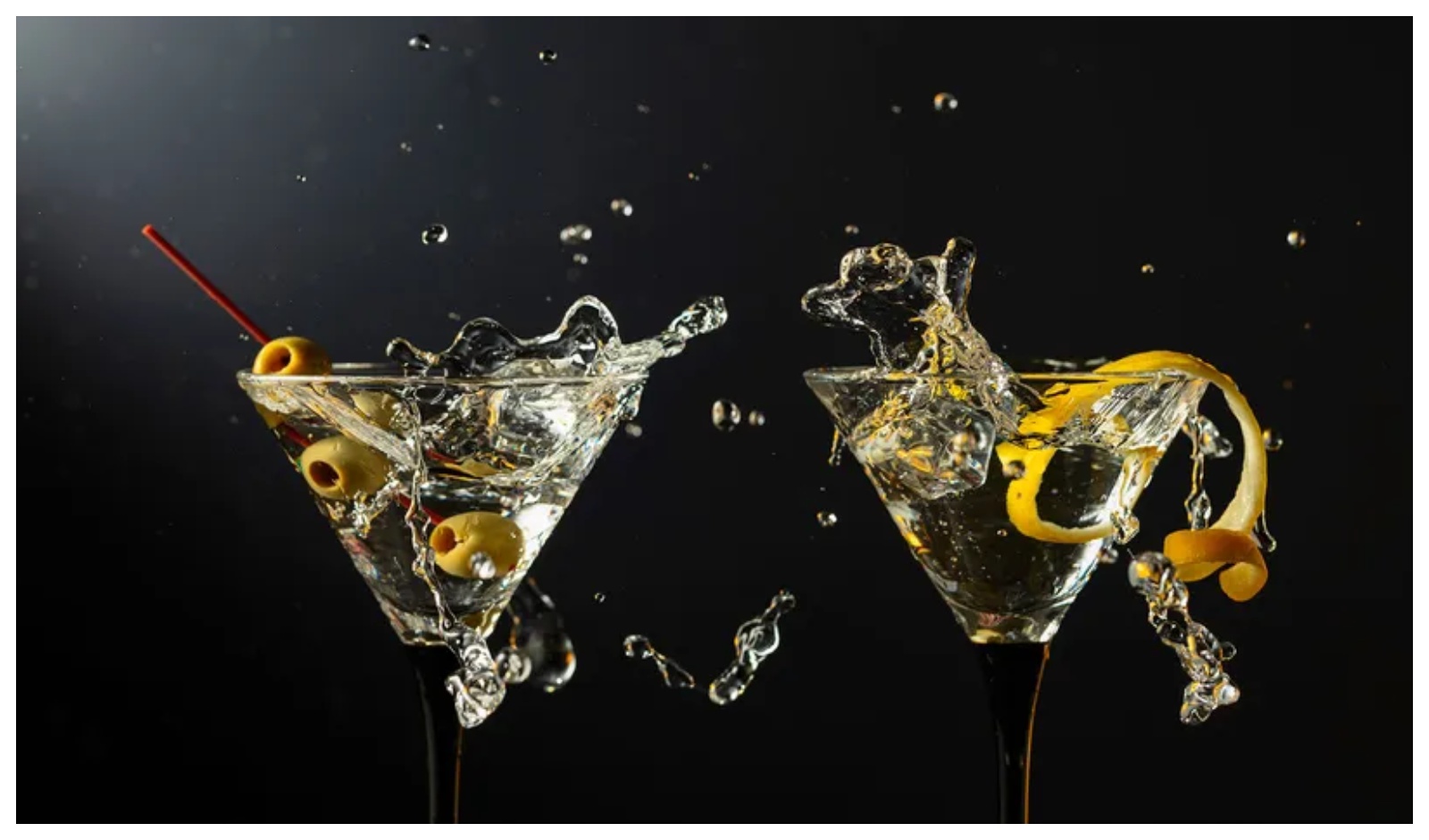
Martini has evolved from a timeless classic into one of hospitality's fastest-growing premium cocktails. Reinvented through dirty, mini, clarified, fat-washed, and culinary-inspired variations, it is increasingly appealing to younger, experience-driven consumers.
The numbers reflect the shift. According to industry reports, martini orders accounted for 18.3% of spirit-forward cocktail orders in independent bars in early 2025, up from 14.1% a year earlier. Globally, leading bars are reporting record demand, with some serving over 12,000 martinis annually and others exceeding 30,000 serves a year.
The Return of the Martini
With India's alcoholic beverage market projected to grow at over 6% annually, classic cocktails are gaining renewed popularity among urban consumers.
“Martini’s comeback is rooted in nostalgia meeting modern sophistication. Today’s consumers are gravitating towards “clean luxury” drinks that are simple in appearance but complex in craft. The rise of the Martini economy is also driven by social media aesthetics, premiumization of bar culture, and a renewed appreciation for classic cocktails,” said Satish Koppula, Chairman, Tropika Brewing Co.
In cities such as Mumbai, Delhi, Bengaluru, and Goa, martinis have become a staple on cocktail menus, driven by their premium positioning, strong profit margins, and remarkable versatility.
Adding to this, Aman Dua, Founder, 403 Forbidden Bar shared, “We are borrowing ideas from the kitchen, whether that's fat washing, clarification, fermentation, or other flavour-building techniques. These methods allow us to create Martinis that are more layered, textured, and approachable without losing the spirit of what makes a Martini special.”
‘Consumers have gained a good knowledge on drinks aesthetics and have started to adapt the classic drinks where Martini as a drink has picked up significant growth in recent times. And when we say innovations then we must say that the bar-tending world has evolved a lot in the recent years with clarification and fat-washing as one of the major techniques,” pointed Vineeth Krishnan, Beverage Head, ABNAH who highlighted that a truffle fatwashing martini is something that would take a drink to the next level.
What’s Trending
The resurgence of martinis has fuelled a growing "Martini Economy," creating opportunities across premium spirits, vermouths, gourmet garnishes, martini flights and curated cocktail experiences. Among the biggest drivers is the Dirty Martini, which has surged in popularity as consumers embrace bold, savoury and umami-forward flavours.
“A good example is our Espresso Martini. We work closely with Kinya Coffee, our in-house coffee partner, to create a custom brew shot specifically for the cocktail. The focus is on bringing out the character of the coffee rather than masking it with excessive sweetness or heavy liqueurs,” added Dua.
To capitalise on the trend, restaurants are introducing food-inspired martinis, house-made brines and dedicated martini menus. For operators, the category remains highly attractive, combining premium pricing with relatively low ingredient costs and strong profit margins.
“At Late Checkout, nearly 30–35% of our cocktail orders gravitate toward martini-style serves. Our This Is Not A Martini is a good example of where we're headed, a signature reinvention crafted with Mezcal, Lillet Blanc, and a hint of citrus that captures exactly the kind of unexpected elegance we're chasing. We're constantly experimenting, with cold-clarified broths, savoury umami bases, and unexpected botanical infusions all finding their way onto our menu,” added Nikhil Kamble, Head Mixologist at Late Checkout.
Business Impact
What’s interesting is that young drinkers are discovering it in their own way. They are looking for drinks that feel intentional, well-crafted, and a little more sophisticated, and the Martini fits that perfectly.
Dua added, “Today, Martini variations account for roughly 12 to 15 percent of our cocktail sales and that number continues to grow. People are becoming more curious about what's in their glass and how it's made. A big reason for this resurgence is the way bartending and culinary techniques are coming together.”
“On average, they contribute to approximately 18–25% of our overall cocktail sales, especially during evening service and weekend dining. We’ve noticed a clear shift where guests are starting their experience with a Martini, often before moving into more experimental or tropical profiles,” commented Kappula.
As consumers continue to seek premium, experience-led drinking occasions, the Martini is evolving from a timeless classic into one of the hospitality industry's most profitable and creative cocktail categories. For restaurants, it's no longer just a drink on the menu, it's becoming a powerful driver of premiumisation, experimentation, and higher margins.
Vijetha Iyer
Content Editor
Working as a Content Editor with Restaurant India. I have worked in various sectors like food and beverage sector, chemicals, pharma, nutraceuticals, now specially focusing on restaurant side. But my core knowledge was always on content. Be it writing poems to verses, I always loved writing and have been exploring my career on the same. In Restaurant India, I deliver insightful stories, take interviews of various brands and update the audiences about the newest happenings in the restaurant industry.









































