
The Journey of Wasabi from Japanese Staple to Global Trend
Wasabi has traveled a remarkable path from Japan's mountain streams to restaurant tables around the world. What began as a regional ingredient is now a global culinary phenomenon.

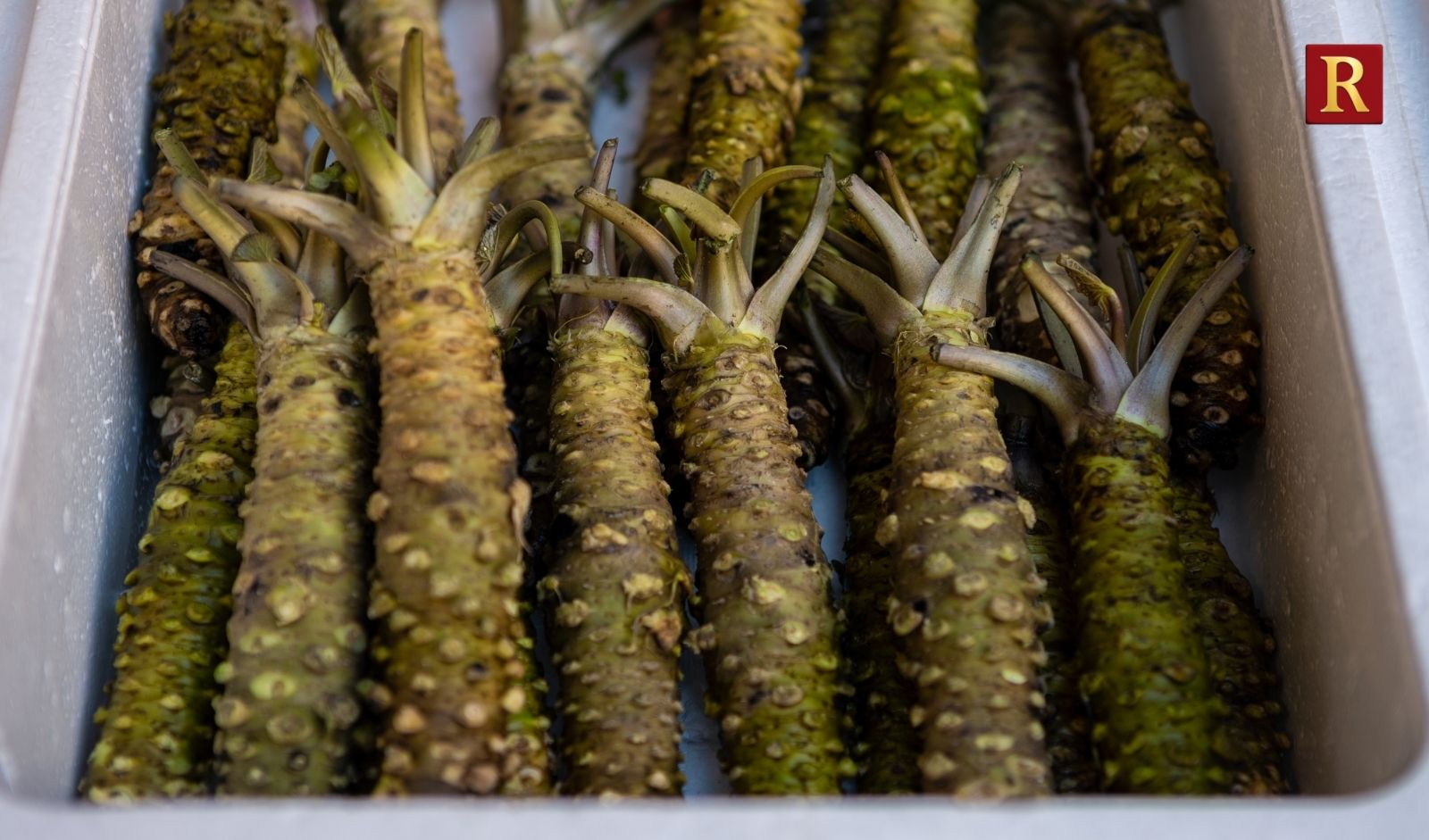
When people think of wasabi, they often picture the bright green paste served next to sushi. It is known for its sharp heat and strong aroma. However, there is much more to wasabi than most people realize. Authentic wasabi is one of the world's rarest and most challenging crops to grow. It has a rich history in Japan and has now become a popular flavor in restaurants, packaged foods, and gourmet kitchens worldwide. From mountain streams in Japan to global menus, the story of wasabi is a fascinating example of how a traditional ingredient can evolve into an international food trend.
What Is Real Wasabi?
Real wasabi comes from a plant called Wasabia japonica, also known as Eutrema japonicum. It belongs to the same family as mustard, cabbage, and horseradish. The plant is native to Japan and naturally grows in cool, shaded areas near mountain streams. Unlike chili peppers, wasabi creates a different type of heat. Its spicy sensation travels through the nose rather than burning the tongue. This unique experience comes from natural compounds called isothiocyanates, which are released when the root is grated. Fresh wasabi has a delicate flavor profile. Along with its heat, it offers sweet, earthy, and slightly herbal notes. This complexity is one reason why chefs and food enthusiasts value authentic wasabi.
Deep Roots in Japanese Food Culture
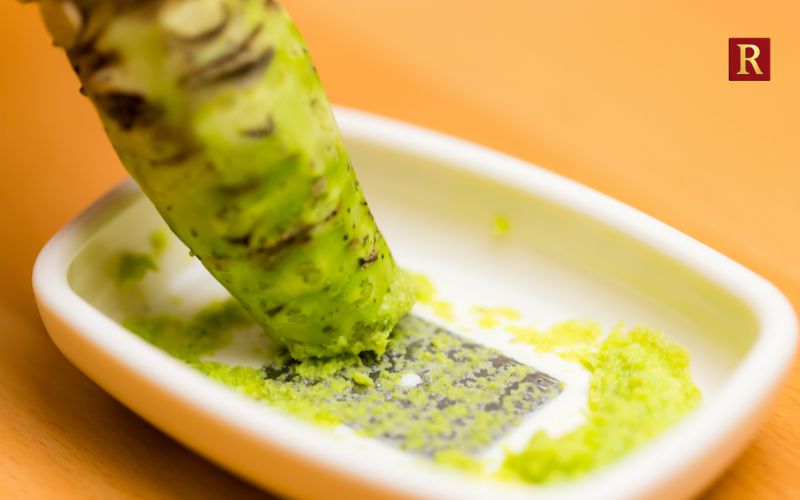
Wasabi has been part of Japanese cuisine for centuries. Historical records suggest that it was used not only as a food ingredient but also for its medicinal properties. Early Japanese communities valued wasabi for its ability to complement raw fish and enhance flavor.
Over time, wasabi became closely connected with sushi and sashimi. Its antimicrobial properties made it especially useful when consuming raw seafood. Long before refrigeration existed, wasabi played an important role in traditional food practices. As sushi became more popular throughout Japan, wasabi became a staple ingredient. It eventually became one of the country's most recognizable culinary symbols.
Why Authentic Wasabi Is So Rare
Authentic wasabi is considered a premium ingredient because it is one of the most difficult crops to cultivate successfully.
Strict Growing Conditions: Wasabi requires cool temperatures, high humidity, clean flowing water, and shaded environments. Even minor environmental changes can impact crop quality.
Long Cultivation Period: Unlike many vegetables, wasabi grows slowly and typically takes 18 months to three years before it is ready for harvest.
High Risk of Crop Loss: The plant is highly sensitive to diseases, pests, and fluctuations in weather, making cultivation both labor-intensive and unpredictable.
Limited Global Production: Due to these challenges, authentic wasabi is produced in relatively small quantities. While Japan remains the leading producer, countries such as New Zealand, Taiwan, South Korea, China, and the United States have also begun cultivating it.
The Truth About Most Wasabi Served Worldwide
Many diners are surprised to learn that the majority of "wasabi" served outside Japan is not real wasabi.
Most commercial products are made from a blend of horseradish, mustard powder, and green food coloring. These substitutes are cheaper, easier to produce, and more stable during transportation and storage.
While imitation wasabi delivers a similar spicy kick, it lacks the complex flavor and aroma of genuine wasabi. Authentic wasabi offers a smoother, fresher taste that disappears quickly after grating, while substitutes tend to provide a sharper and more aggressive heat.
Today, premium restaurants increasingly highlight the use of fresh wasabi to offer guests a more authentic dining experience.
How Sushi Helped Wasabi Conquer the World
The global success of sushi played a major role in introducing wasabi to international audiences. During the 1980s and 1990s, Japanese cuisine gained popularity across North America, Europe, Australia, and Asia. Sushi bars began appearing in major cities, exposing consumers to new ingredients and flavors. As sushi became mainstream, wasabi gained recognition alongside soy sauce and pickled ginger. It soon became associated with modern dining, healthy eating, and Japanese culture. The growing popularity of Japanese cuisine created opportunities for food manufacturers and restaurants to experiment with wasabi in new ways.
Beyond Sushi: The Expansion of Wasabi Flavors
Today, wasabi is no longer limited to sushi restaurants. Food brands and chefs have transformed it into a versatile flavor used across many categories. Supermarkets now offer wasabi-flavored chips, nuts, crackers, popcorn, and snacks. These products appeal to consumers looking for bold and unique taste experiences.
Restaurants have also embraced wasabi-infused sauces, mayonnaise, salad dressings, and marinades. Its ability to add both heat and freshness makes it suitable for a wide range of dishes. Many chefs pair wasabi with grilled seafood, steaks, oysters, and even burgers. The ingredient's versatility allows it to complement both traditional and modern recipes.
Wasabi's Growing Role in Fusion Cuisine
As global food trends continue to evolve, wasabi has become a favorite ingredient in fusion cooking. The global fusion food market is witnessing steady growth as consumers increasingly seek bold flavors and cross-cultural dining experiences. Chefs are using wasabi to create unexpected flavor combinations across menus. Today, it can be found in guacamole, hummus, fries, pasta sauces, gourmet sandwiches, and even burgers. In the dessert category, innovative chefs have introduced wasabi-flavored chocolates, ice creams, and pastries to appeal to adventurous diners.
This trend reflects changing consumer behavior. According to industry reports, nearly 60% of Gen Z and Millennial consumers are willing to try new international flavors when dining out. Restaurants that offer unique flavor experiences often see higher customer engagement and repeat visits. For hospitality businesses, wasabi also supports premium menu positioning. Its association with Japanese cuisine, authenticity, and craftsmanship allows restaurants to command higher price points while differentiating themselves in an increasingly competitive market.
The Science Behind Wasabi's Appeal
Beyond flavor, researchers continue to study wasabi for its unique natural compounds. The isothiocyanates responsible for its pungency have attracted scientific interest due to their antioxidant and antimicrobial properties. Some studies suggest these compounds may help protect plants and contribute to food preservation.
Although research is ongoing, the growing focus on natural ingredients has increased consumer interest in foods like wasabi. Health-conscious diners often appreciate ingredients with both culinary and functional value. However, wasabi's strongest appeal remains its distinctive taste and sensory experience rather than any specific health claim.
Challenges Facing the Future of Wasabi
Despite rising global demand, authentic wasabi production faces several significant challenges that could impact future supply.
Climate Change Pressures: Wasabi requires cool temperatures and clean flowing water. Rising temperatures, unpredictable rainfall, and extreme weather events can disrupt growing conditions and reduce crop yields.
Limited Cultivation Regions: Because wasabi thrives only in specific environments, suitable farming locations remain scarce worldwide, restricting large-scale production.
Aging Farming Workforce: Many traditional Japanese wasabi farmers are nearing retirement age. The lack of younger growers entering the industry raises concerns about preserving generations of cultivation expertise.
Innovation as a Solution: To overcome these challenges, producers are investing in greenhouse cultivation, controlled-environment agriculture, and international farming projects. These efforts aim to increase supply while maintaining the quality and authenticity that make real wasabi highly valued.
A Flavor with a Twist!
Wasabi has traveled a remarkable path from Japan's mountain streams to restaurant tables around the world. What began as a regional ingredient is now a global culinary phenomenon. Its journey reflects changing consumer tastes, the rise of Japanese cuisine, and a growing appreciation for authentic ingredients. Whether enjoyed with sushi, blended into sauces, or featured in creative fusion dishes, wasabi continues to inspire chefs and food lovers alike. As diners become more curious about ingredient origins and craftsmanship, authentic wasabi is likely to gain even greater recognition. For the food industry, it represents more than a condiment—it is a symbol of tradition, innovation, and the power of a truly unique flavor.
Saptopriya Ghosal
Feature Writer
I am a dedicated media professional with a bachelor's degree in mass communication from the State University of Calcutta and a postgraduate degree from Amity University. My academic journey has equipped me with a profound understanding of storytelling and communication. Passionate about the dynamic world of media, I continually strive to explore new ways to engage and inform through compelling narratives.



































































































































































