The Future of Dining: Key Restaurant Tech Trends in 2026
Technology is expected to grow with a CAGR of 25-35% by 2030. India’s technology sector is projected to cross USD 280 billion this year.

Dining today is being reshaped by convenience, data, and experience. Guests expect seamless discovery, faster service, transparent menus, and frictionless payments. Technology is no longer behind the scenes — it directly influences how people choose where to dine, how long they stay, and how often they return. On an average, restaurants invest 20-25% in technology in a year.
Technology is expected to grow with a CAGR of 25-35% by 2030. India’s technology sector is projected to cross USD 280 billion this year. Let’s have a look at the new tech trends which are reshaping the dining scenario.
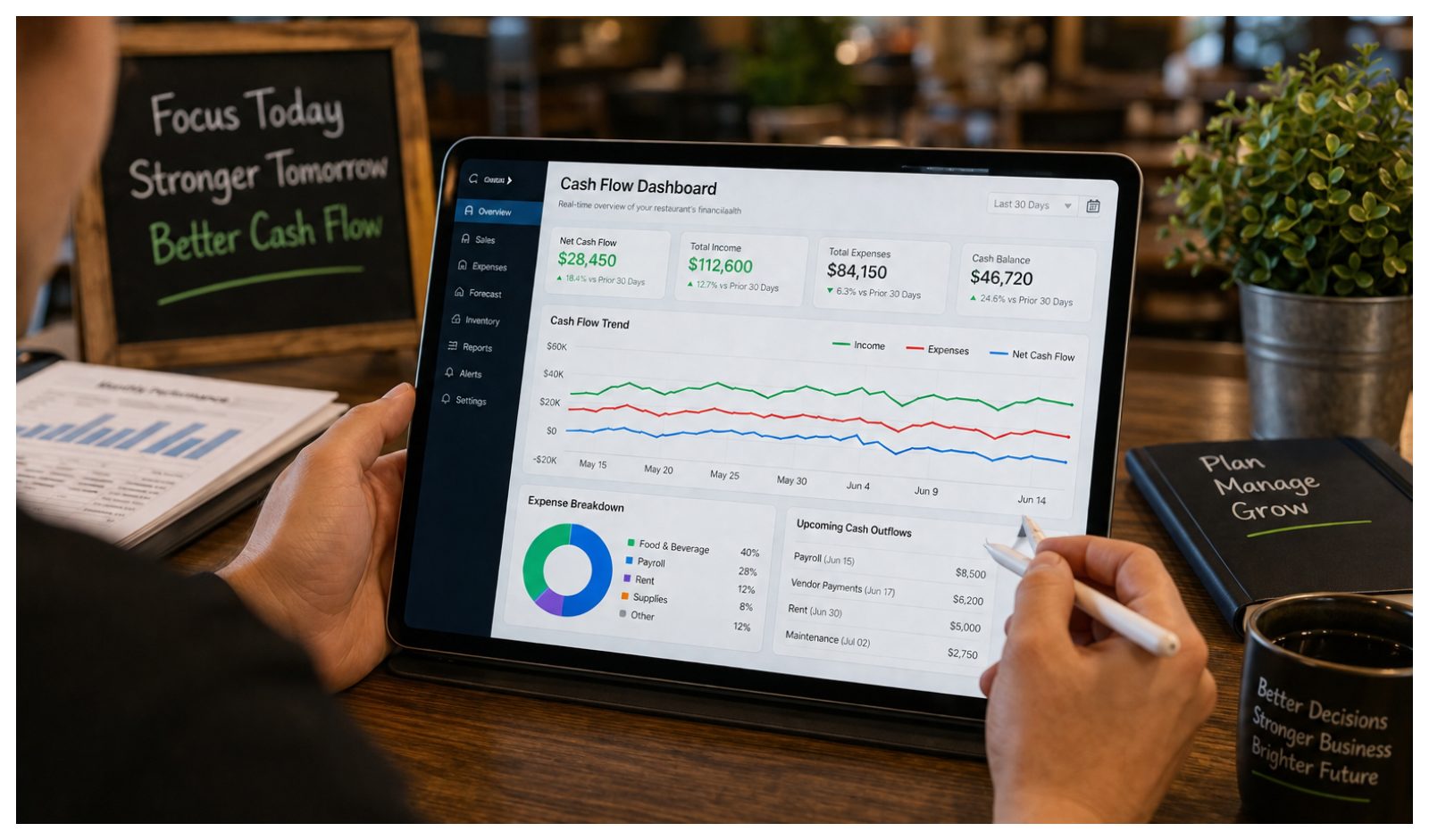
Smarter POS Integration
There is a clear shift towards systems that quietly enhance the guest experience through things like smarter POS integrations, real-time inventory tracking, or even hassle-free reservation systems that are quick and convenient and a life saver to those who get anxious or hesitant to make phone calls.
“We are integrated tech that supports our staff in a way that helps them spend more time ensuring the human touch with the guest experience is top notch and personalized,” said Avinash Kapoli, Co-Founder Kompany Hospitality who added that the focus is on efficiency, consistency, and better decision-making.
AI & Automation
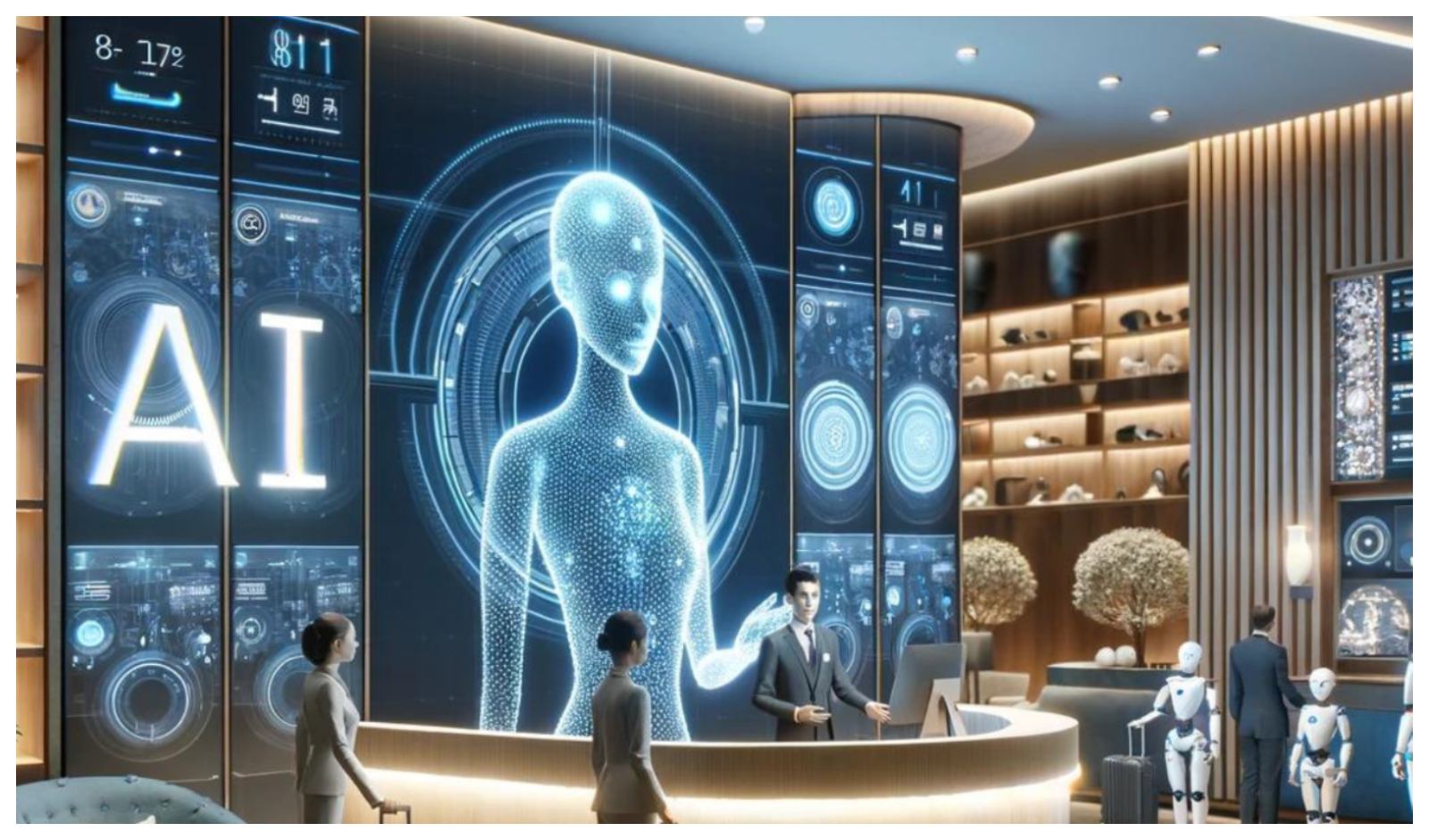
AI and automation as backend enablers, forecasting demand, optimizing menus, contributing to content management is where AI adds the most value.
Commenting on this, Pankil Shah, Co-founder & Director at Neighbourhood Hospitality said, “AI and automation are largely used behind the scenes. We apply them to feedback analysis, demand forecasting, inventory planning, and internal reporting.” 60% of the restaurants are using AI as it helps them in forecasting and optimizing menus.
While Ranbir Singh Nagpal, Co-Founder & CEO, Yazu Hospitality uses automation and AI-driven insights to understand guest behaviour, optimize menus, track peak hours, and improve campaign targeting.
Use of Digital-first Operations
Digital-first operations help streamline processes, but hospitality must remain human-first, across all our projects.
Kapoli added, “We have always stayed true to the principle of keeping the consumer at the core of all decision making, and that is something that stays true here too. Tech should support teams so they can focus more on guests.”
Digital-first systems allow tracking performance across brands and locations, manage campaigns, and monitor key metrics centrally.
Sharing his viewpoints, Pankil Shah, Co-founder & Director at Neighbourhood Hospitality said, “For Woodside Inn, this means sharper operational control while preserving a warm, human-led dining experience. For our delivery brands, digital-first operations are foundational, as every touchpoint - from ordering to feedback is tech-enabled.”
“Digital-first operations help us stay agile from smarter inventory planning to marketing decisions based on real-time data rather than assumptions,” pointed Nagpal.
Focus on Hyper-personalisation
Hyper-personalisation today comes from understanding behaviour, what guests order, when they visit, and how often, which is something that our on-ground team does by building conversations and observing, rather than intrusive data use.
It isn’t about excess communication, but relevance. Nagpal ensured that whether its targeted offers, time-based menus, or curated experiences, we aim to respond to how guests actually use the space.
“Personalisation shows up through smarter recommendations, targeted offers, and communication based on ordering behavior,” noted Shah who emphasized that the aim is to feel right, not pushy.
New Revenue Systems & Data-Driven Decisions
The rise of new brands which are powered by these tech trends allows owners to launch new concepts with lower startup costs and reach wide customer base mainly through delivery apps.
Data-driven decisions and new revenue streams are game-changers for growth in hospitality. Data is about validating instinct.
“Across SOKA and Kalpaney, we closely track menu movement; ordering patterns, dwell time, and peak behaviour to understand what guests genuinely respond to. That insight allows us to build revenue streams that feel natural, for example, limited menus, seasonal drops, bar takeovers, and experience-led formats rather than constant expansion, mentioned Kapoli.
As per the survey, 60-70% of the restaurants in India focus on data-driven decisions. Although, they are not fully dependent on it but do take the valuable insights.
“Data allows us to experiment confidently — be it events, collaborations, day-part menus, or beverage-led experiences,” noted Nagpal who said that it helps identify what truly adds value and scales sustainably. For Shah, data uncovers chances for special menus, collabs, seasonal stuff, new setups. “We test, tweak, and roll out based on facts.”
Adding more, Kapoli stated that for SOKA, data helps us refine cocktails and programming without compromising creativity, while at Kalpaney it ensures the menu stays tight, relevant, and repeat-driven. Data gives clarity; decisions remain human.
Digital and self-service ordering
Digital and self-service ordering is seen majorly in QSR brands like Jumbo King, Burger King, McDonald’s and Dominos among others. It’s still new in India and there are 30-40% of restaurants in India which focuses on self-ordering.
One can scan the menu and order the food and beverages directly and you can receive the order in your table. It’s all about using technology where it enhances efficiency without removing warmth. Nagpal sees digital ordering as an enabler, not a replacement.
The future is a hybrid model — technology handling efficiency, while hospitality remains deeply human. “While digital tools can support operations in the background, we believe the future, especially for experience-led hospitality, is deeper personalisation through well-trained teams and integration of systems,” shared Kapoli.
The future lies in intelligent integration. It’s like that saying: Technology should be invisible to the guest and powerful for the operator.
Vijetha Iyer
Content Editor
Working as a Content Editor with Restaurant India. I have worked in various sectors like food and beverage sector, chemicals, pharma, nutraceuticals, now specially focusing on restaurant side. But my core knowledge was always on content. Be it writing poems to verses, I always loved writing and have been exploring my career on the same. In Restaurant India, I deliver insightful stories, take interviews of various brands and update the audiences about the newest happenings in the restaurant industry.