
The Future of Dining: Balancing Authenticity, Drama, and Sustainability
The restaurant industry is projected to reach 79.7 billion dollars by 2028, growing at a CAGR of 15%.

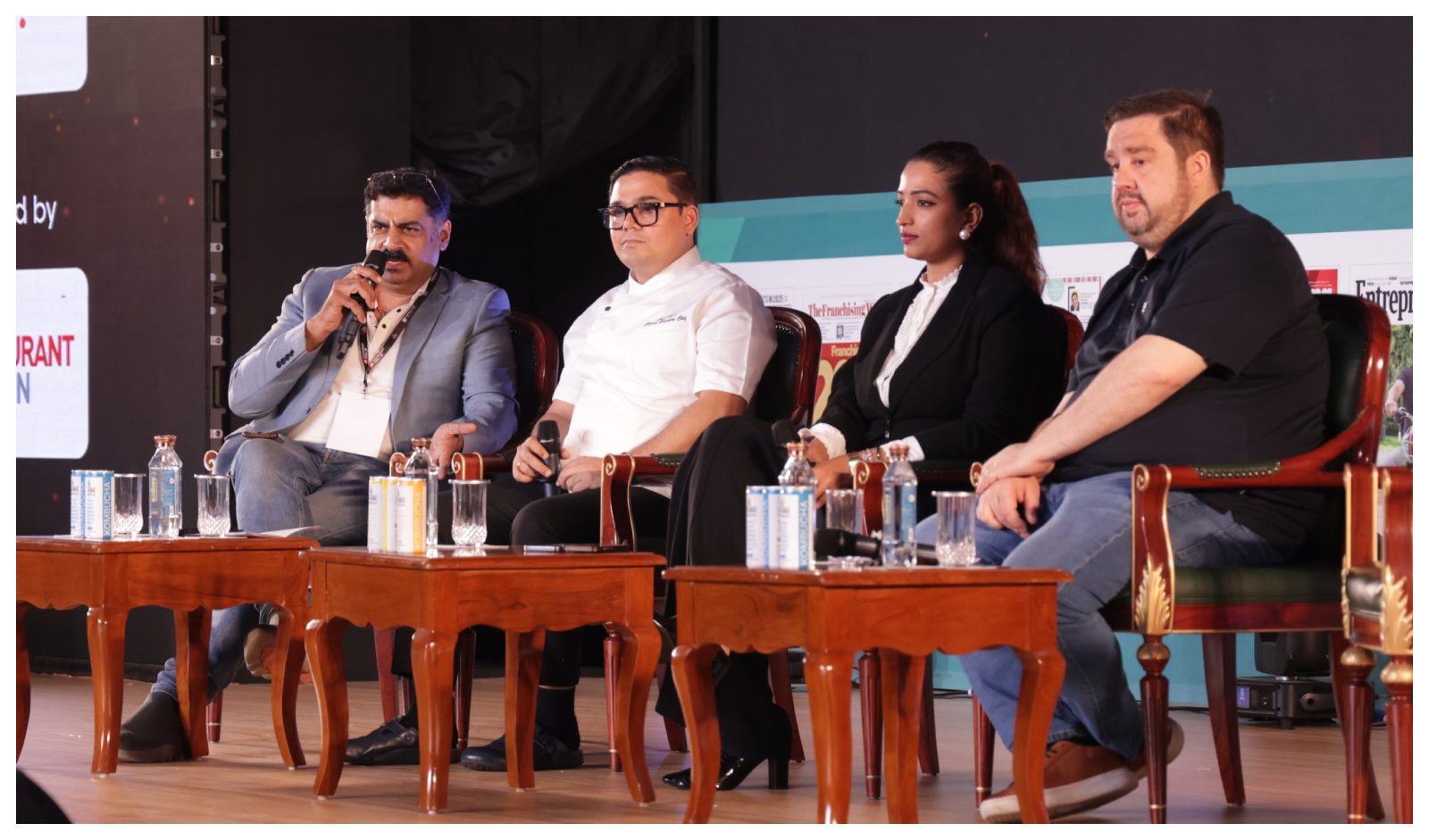
Dining out is no longer a formality; it’s about unique experiences. Everybody wants something different in their table, that’s where ‘fun dining’ comes in. Fun dining is no longer just a novelty; it’s becoming central to how restaurants attract attention, engage guests, and build loyalty. The restaurant industry is projected to reach 79.7 billion dollars by 2028, growing at a CAGR of 15%.
Diners are Adventurous—but Rooted
“Today’s consumer is adventurous, yet deeply rooted,” observed Shahnaaz Anjum, Director of Food & Beverage, Fairmont Jaipur by adding that guests are more willing than ever to try new formats, flavors, and experiences, but they expect them to be tethered to authenticity.
Food is an Art
Food has always been sensory, but now it’s also performative. A butter chicken plated simply may still taste sublime, but when a chef finishes it tableside, infuses it with smoke, or narrates its story, it becomes “shareable.”
Amit Dash, Executive Chef of The Westin Gurugram and The Westin Sohna Resort & Spa noted that 70% authenticity and 30% drama is needed. “Everybody’s on Instagram. A parmesan wheel pasta flambé isn’t just about taste, it’s about making the guest feel they’re part of something special.” This shift isn’t just about vanity; it’s about visibility.
Comfort vs. Gimmick: Finding the Sweet Spot
“A menu should be balanced like comfort food alongside a few engaging and fun dishes,” said Chef Matteo Fracalossi, Executive Chef at Andaz by Hyatt, New Delhi. “If every plate is a gimmick, it becomes unsustainable.”
Comfort food is really important. Whether it’s a Neapolitan pizza, dal makhani, chicken tikka or ramen, these dishes form the baseline of trust. Guests might come for the Instagrammable pasta wheel, but they return for the dishes that feel familiar, soulful, and consistent.
Cost Pressures: Balancing Creativity with P&L
Drama may bring attention, but cost remains king. “Keeping costs under control plays a major role in our P&L,” said Anjum. Flashy presentations often require specialized ingredients or equipment, which can drive up food costs quickly.
“If you say you’re using an ingredient from a particular region, you must deliver that constantly,” pointed Dash. Misleading the guest breaks trust. This is where menu engineering comes in wherein balancing high-cost dramatic dishes with comfort food staples that offer better margins.
Sustainability Factor
One of the most significant shifts in dining today is sustainability. Guests want to know where was this tomato grown, which farmer has grown, how far did this fish travel? They are curious to know about their ingredients.
Dash shared how his team adopted a small farmer pond to supply produce. Similarly, at Fairmont Jaipur, Anjum collaborates with local farmers for fresh ghee and tomatoes while growing herbs in-house. “It serves the community while ensuring fresher, tastier produce,” she explained.
But challenges remain. Not every ingredient is available throughout the year and relying solely on farm-to-fork requires flexible menu planning and strong farmer partnerships. Sourcing ethically comes at a cost. “Organic products come with a premium,” admitted Fracalossi. “We planned a year ahead before switching fully to cage-free and organic eggs. Otherwise, the cost would have been too high.”
Consistency: The Secret Sauce
Trends rise and fade, but one factor keeps guest coming back: consistency. “When quality slips, the system breaks,” said Fracalossi. Delivering the same taste and experience year after year builds trust and loyalty.
Dash explained how their centralized purchasing system ensures that niche ingredients like Goan vinegar can be secured across properties without disruption.
With this, the future of dining won’t be defined by choosing fine dining or fun dining—it will be about weaving them together.
Vijetha Iyer
Content Editor
Working as a Content Editor with Restaurant India. I have worked in various sectors like food and beverage sector, chemicals, pharma, nutraceuticals, now specially focusing on restaurant side. But my core knowledge was always on content. Be it writing poems to verses, I always loved writing and have been exploring my career on the same. In Restaurant India, I deliver insightful stories, take interviews of various brands and update the audiences about the newest happenings in the restaurant industry.









































