The Enduring Recipe: AD Singh's Formula for Lasting Success
While countless restaurant concepts have come and gone, the brand continues to attract new generations of diners without losing the loyal following that helped build its reputation.

In an industry where trends change overnight and restaurant lifespans are often measured in years rather than decades, few brands have demonstrated the staying power of Olive Bar & Kitchen.
More than 25 years after it first opened its doors, Olive remains one of India's most recognised and aspirational dining destinations. While countless restaurant concepts have come and gone, the brand continues to attract new generations of diners without losing the loyal following that helped build its reputation.
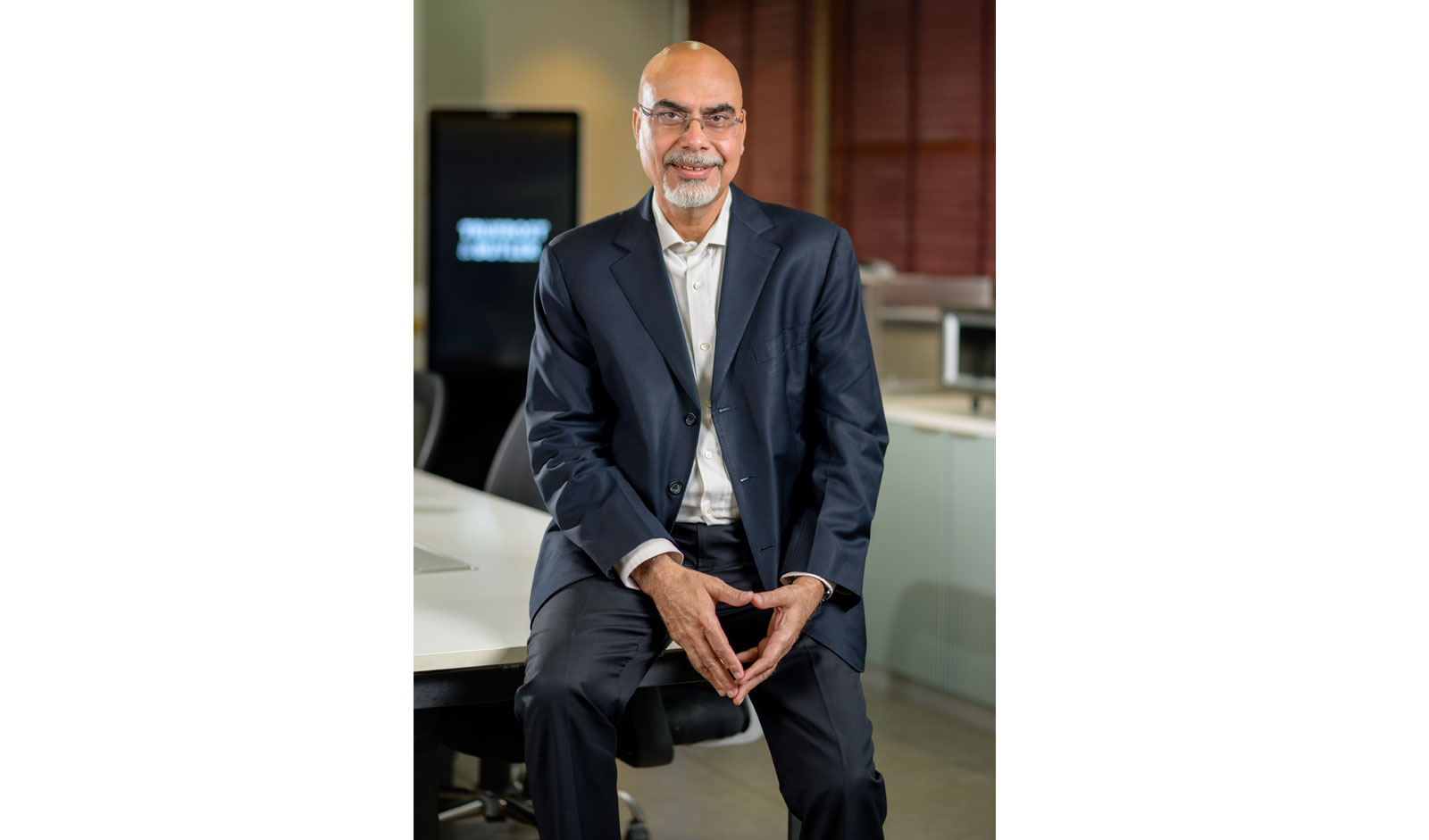
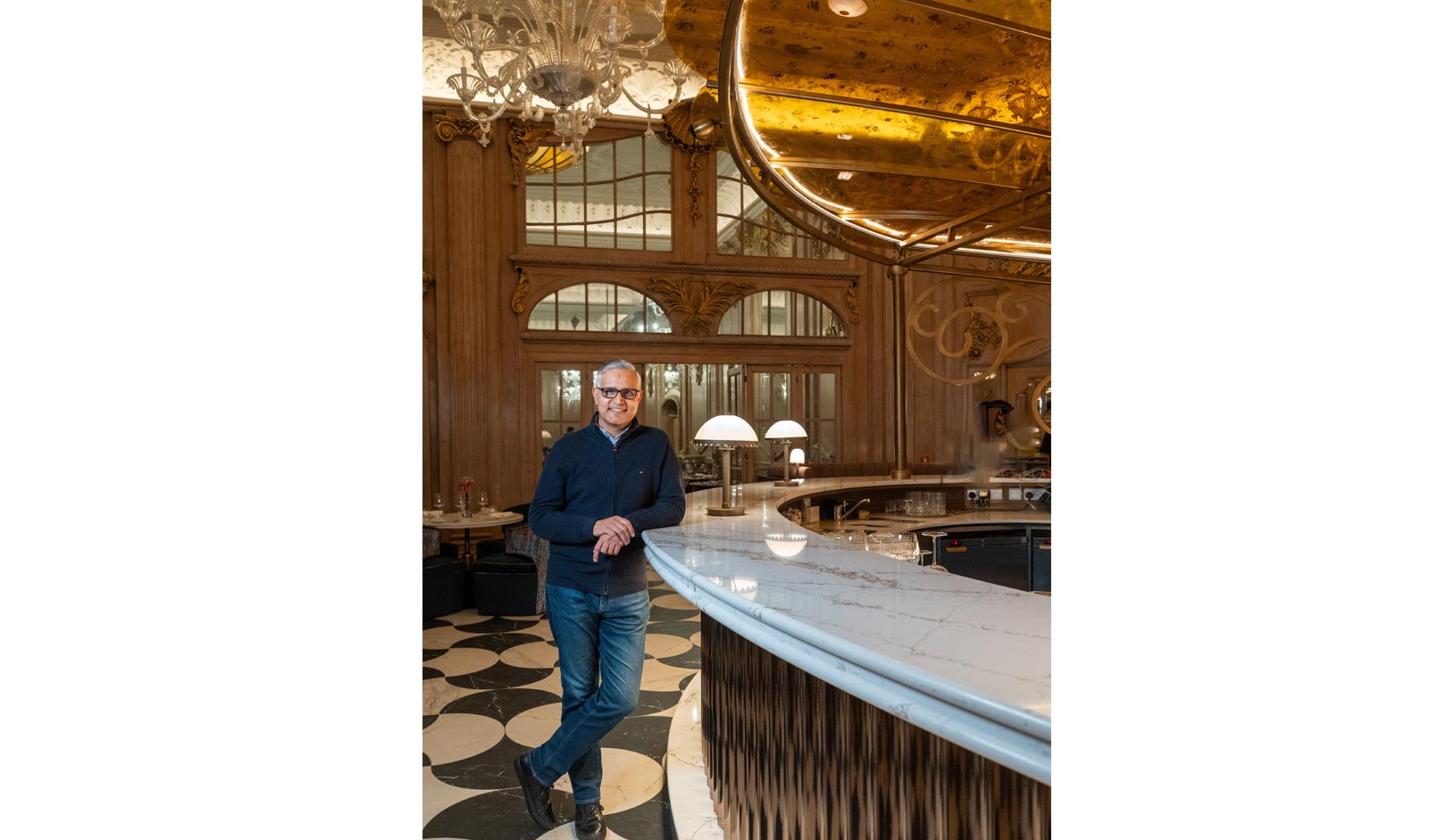
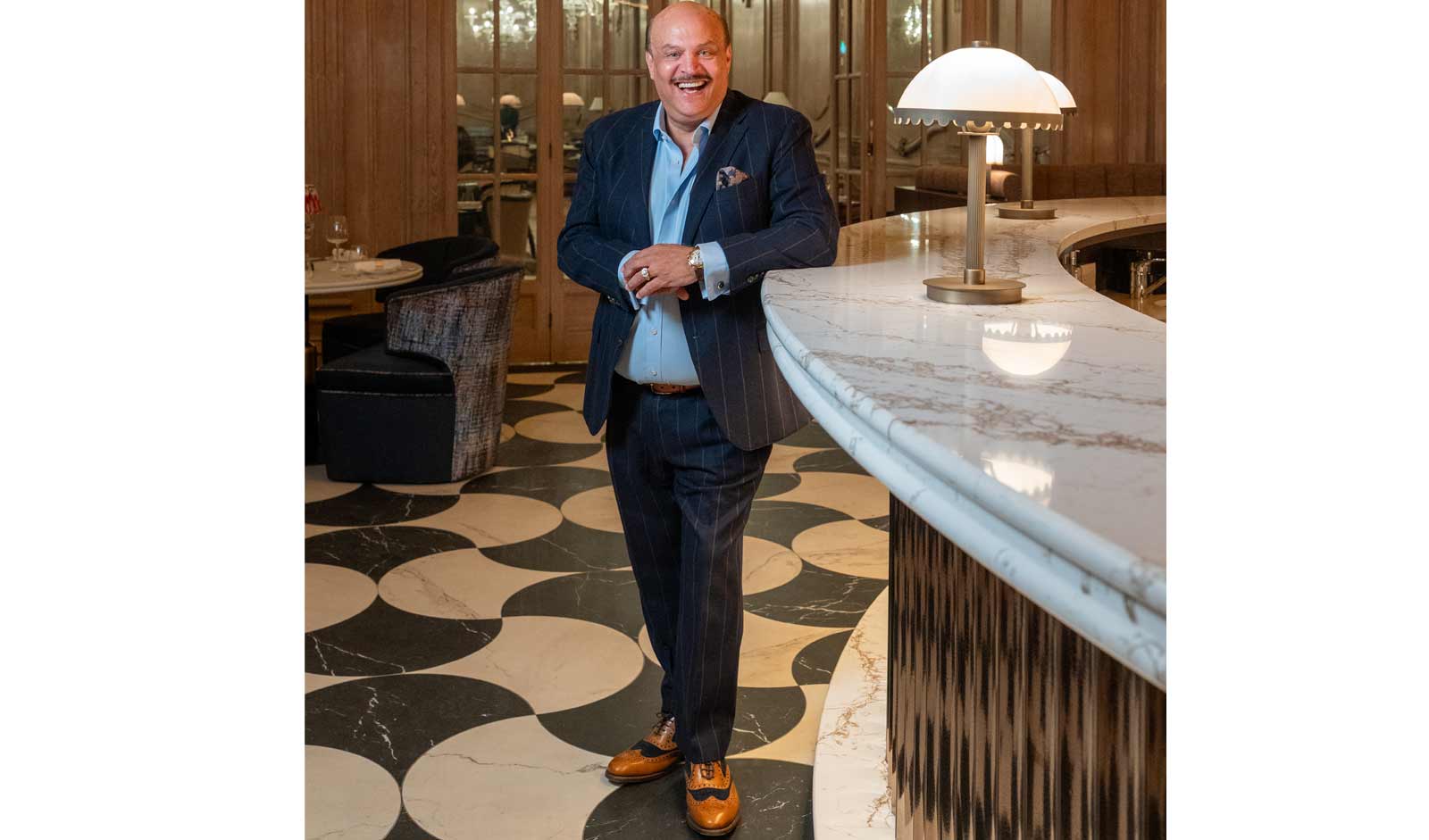
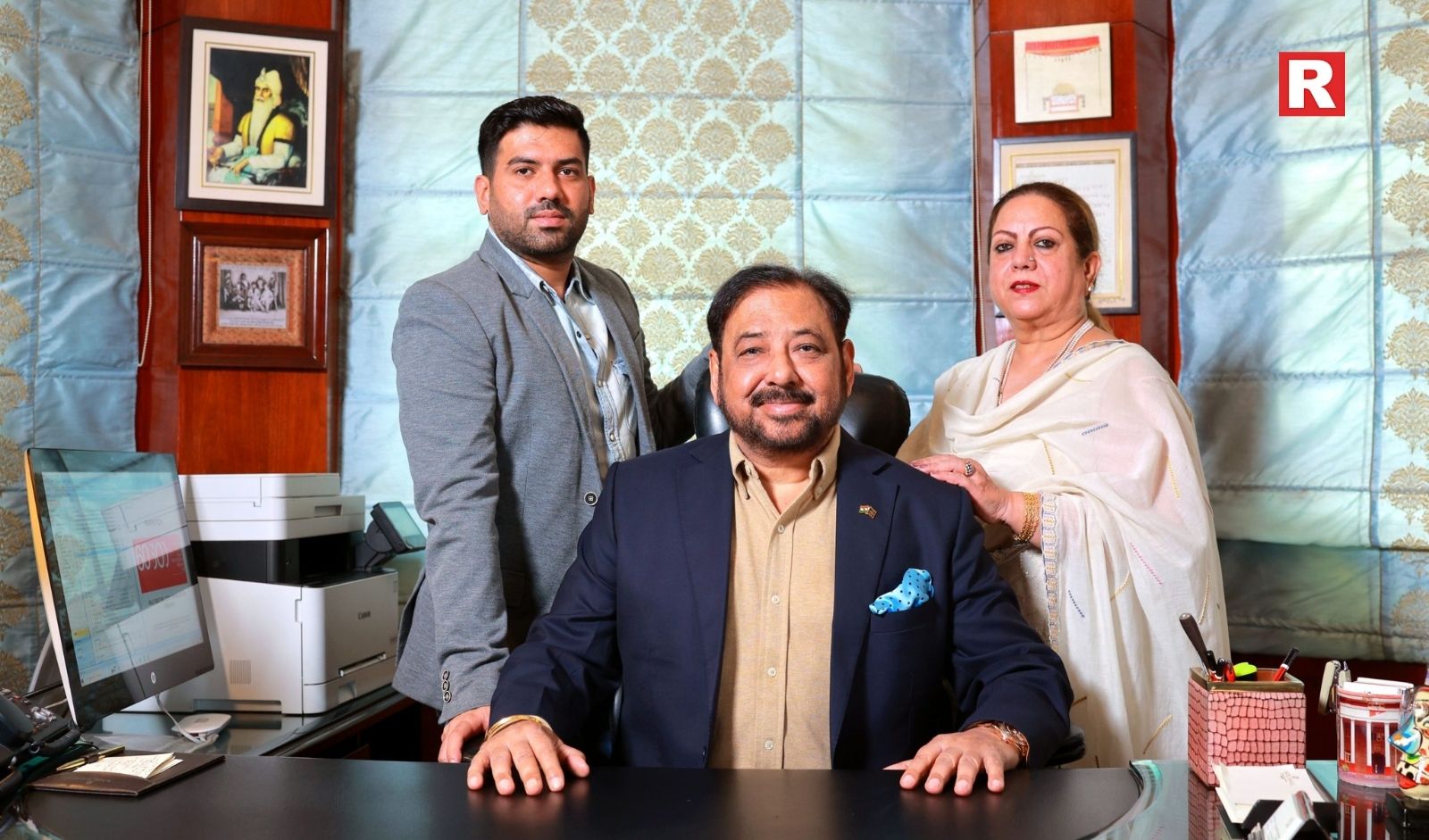
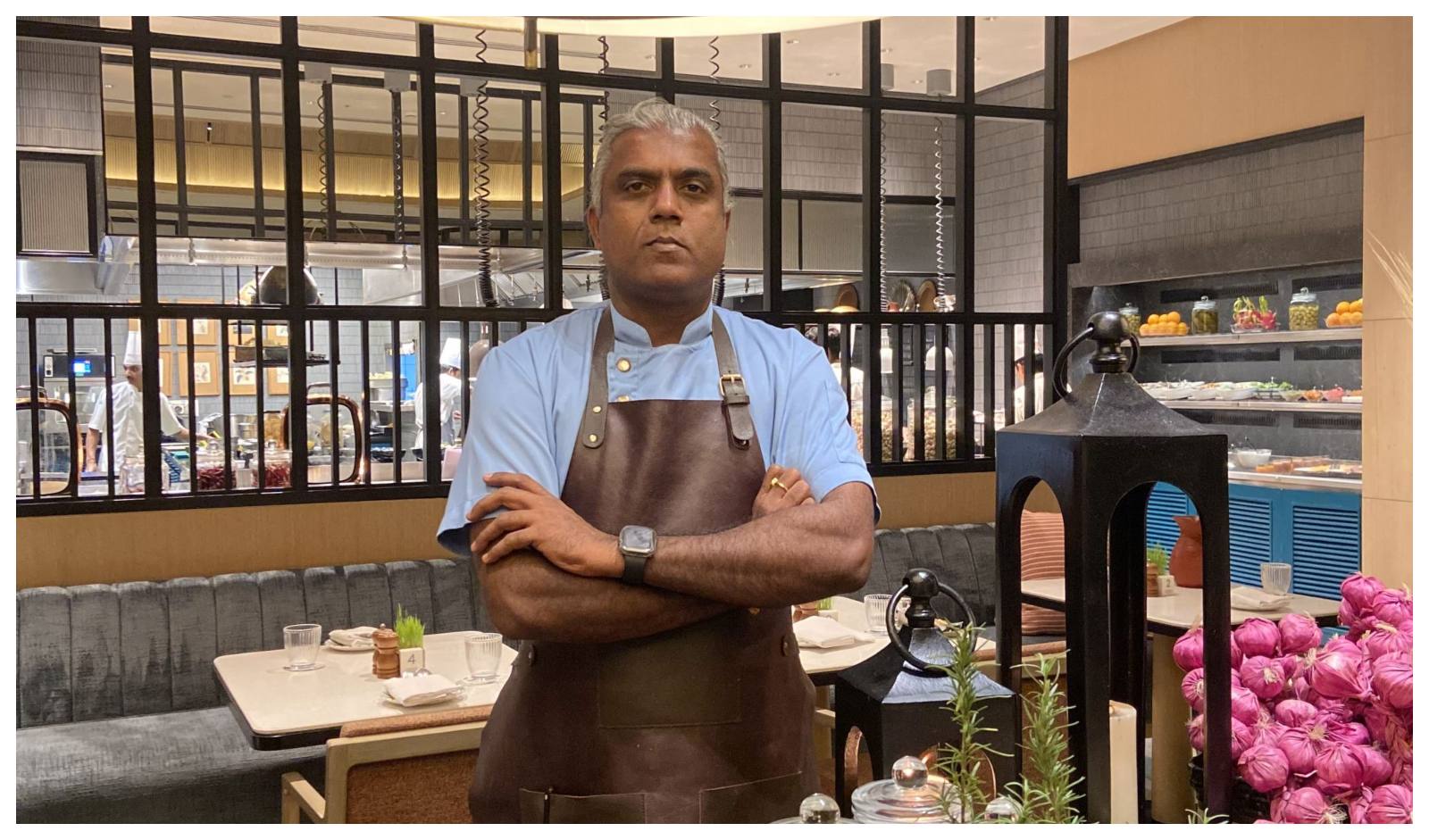
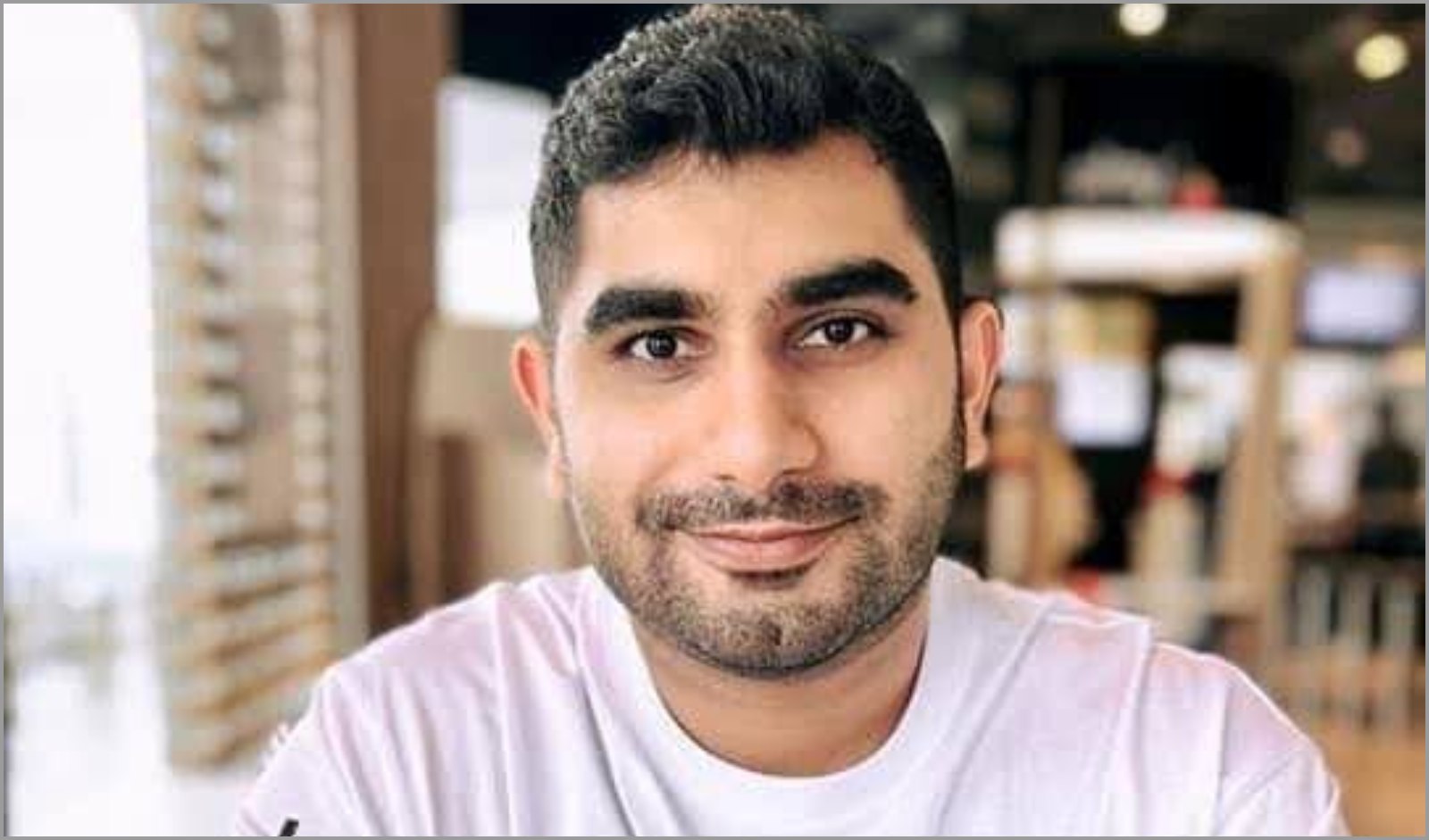
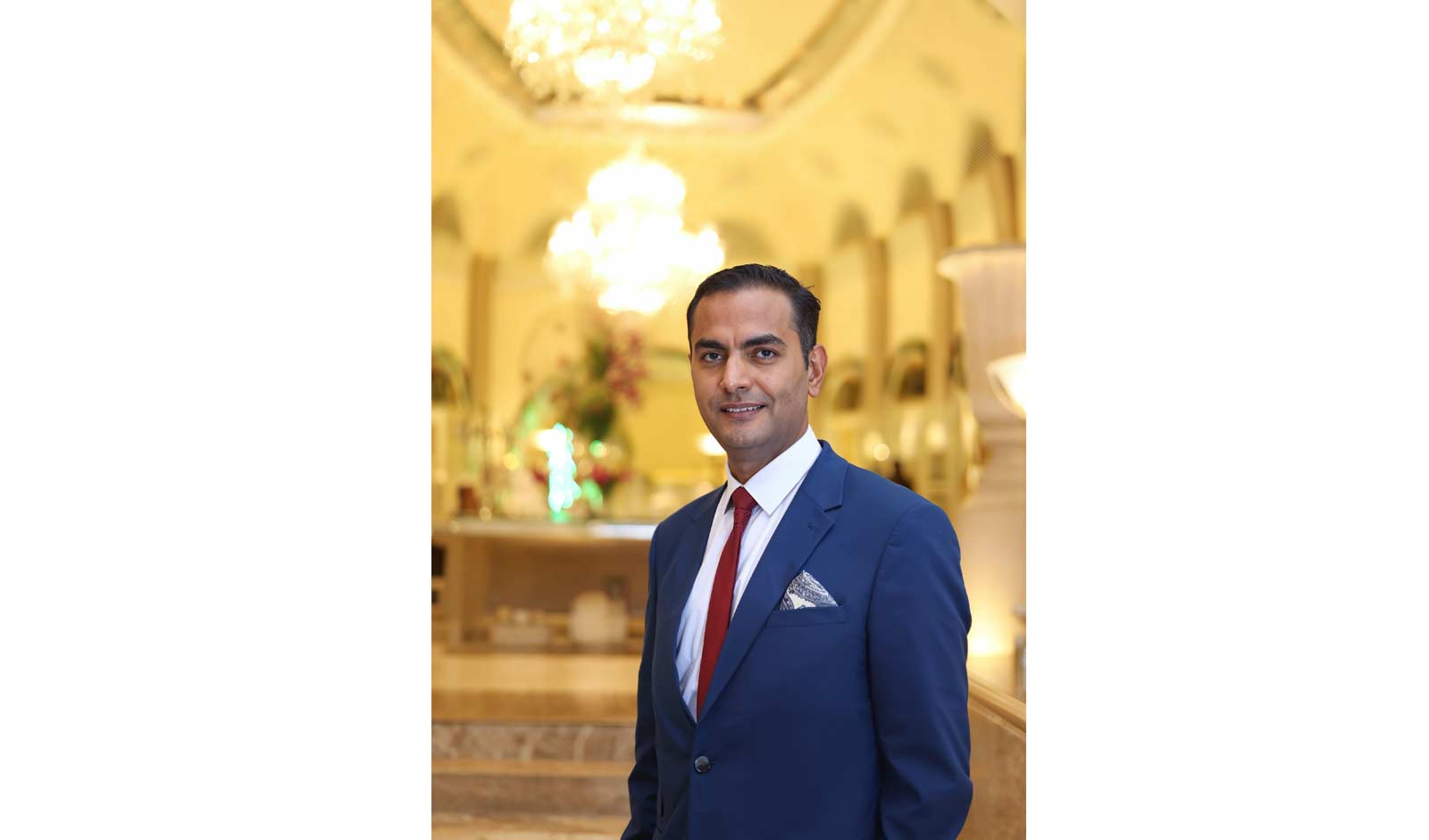
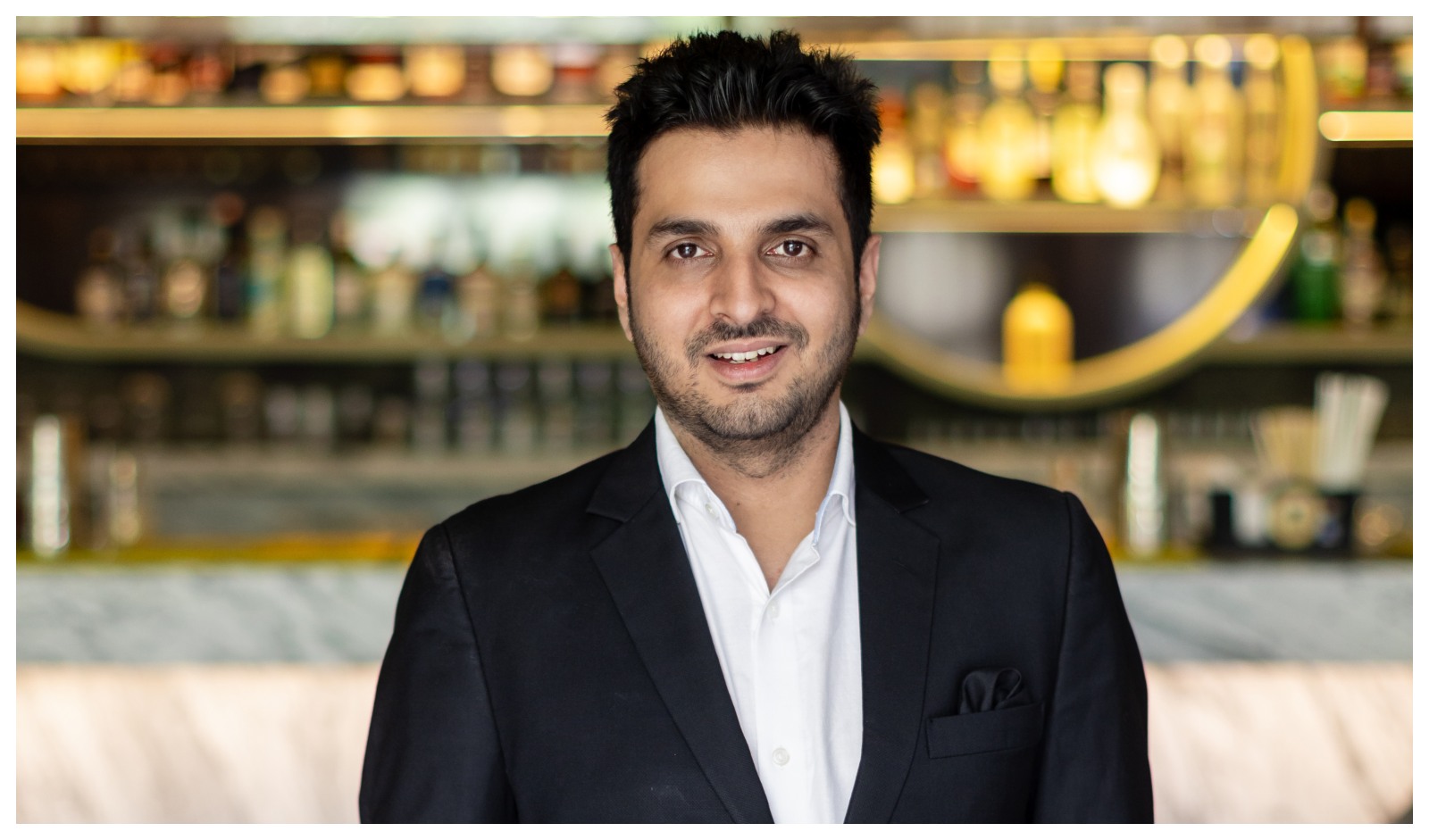
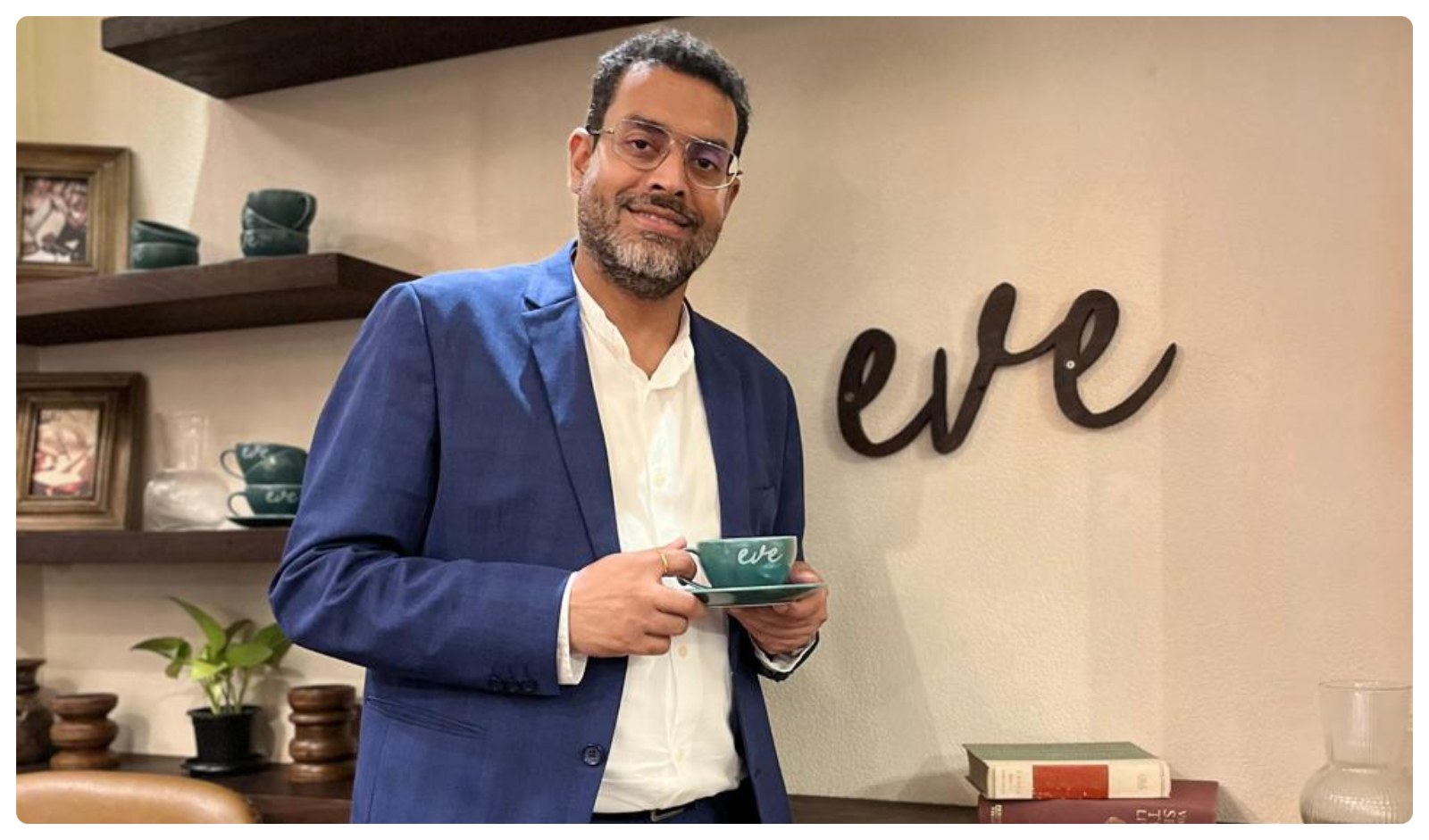
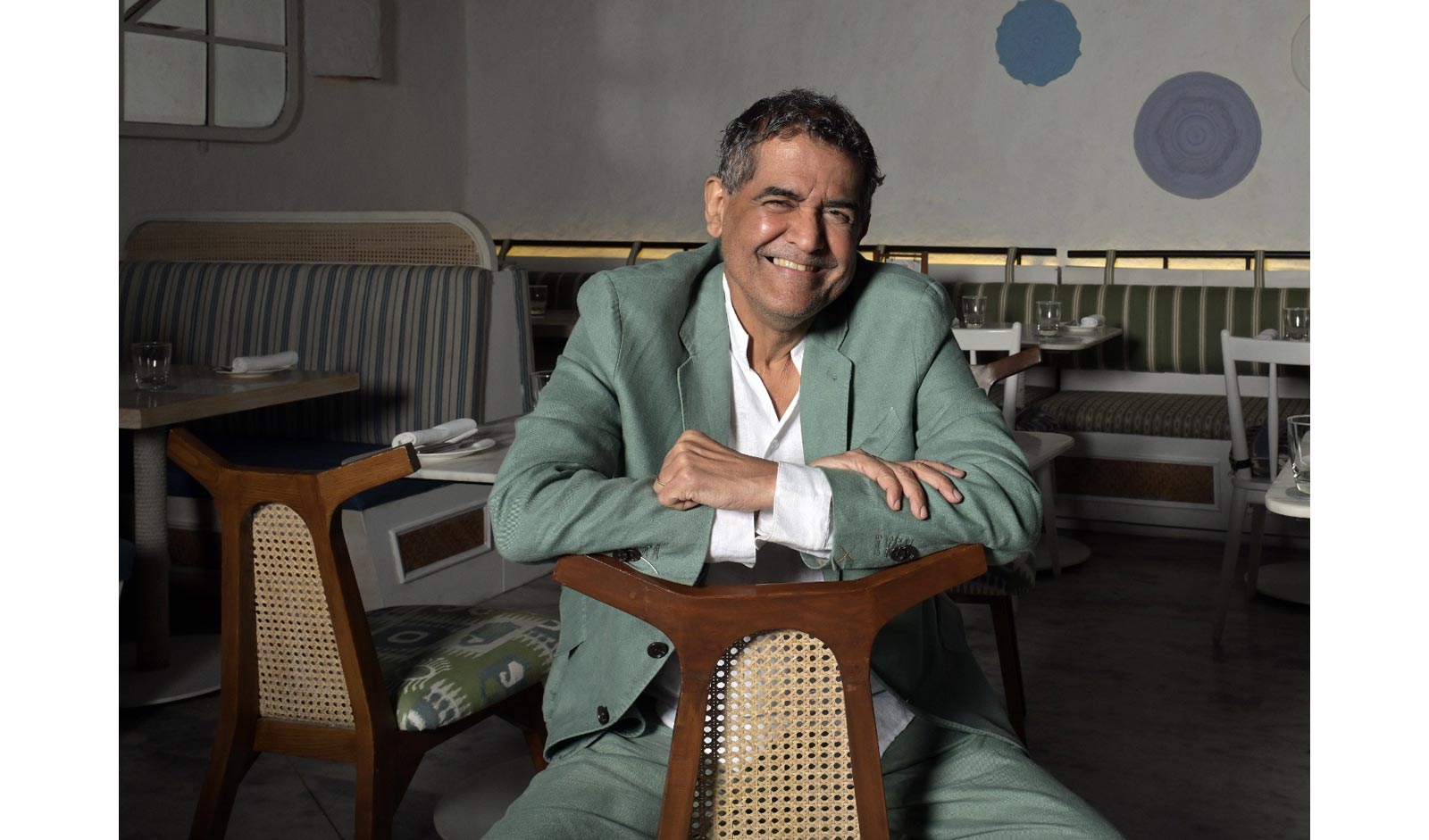
For founder AD Singh, however, the secret behind Olive's longevity has never been about chasing trends, celebrity chefs, or aggressive expansion. Instead, it has been rooted in something far more fundamental: people.
"I’m actually an electrical engineer by training," Singh says with a smile. "I wasn’t a chef, nor did I start out as a food expert. What I focused on was building a culture where people felt valued and cared for."
That philosophy has quietly become one of the strongest competitive advantages in the Olive story.
Building a Restaurant Family
The hospitality industry is notorious for high employee turnover, with many professionals changing jobs every few years. Yet Singh points to a statistic he believes says more about Olive's success than revenue numbers or outlet counts.
Many of the company's senior leaders have remained with the organisation for 15, 20, and even 25 years. Over the years, competitors have repeatedly attempted to recruit Olive's top talent with significantly higher salaries and attractive opportunities. While some left, many stayed. Others eventually returned.
For Singh, those long-standing relationships created the continuity needed to preserve the company's culture through changing market cycles, consumer tastes, and industry disruptions.
"It sounds clichéd to say a company is like a family," he says. "But that's genuinely how we've tried to operate."
That emphasis on culture has helped Olive evolve from a single restaurant into a hospitality group spanning multiple brands, concepts, and cities, while maintaining a consistent identity built around warmth, trust, and guest experience.
The Customer Still Comes First
At a time when business conversations often centre on technology, automation, efficiency, and scale, Singh remains firmly committed to a principle that many modern businesses have quietly moved away from.
"The customer is the reason we exist,” he shares by recalling an incident shortly after Olive Bandra opened. A guest insisted he had handed a ₹500 note to a waiter, while the waiter maintained it was only ₹100. With no way to verify the truth, Singh made a decision that surprised both parties. He trusted the customer.
The financial loss was negligible. The message was not.
For Singh, hospitality begins with trust. While he strongly believes in taking care of employees, he also believes businesses sometimes forget who ultimately sustains them.
The Rise of a New Indian Diner
Few entrepreneurs have witnessed India's dining evolution as closely as Singh. When he entered the industry, dining out was far from the lifestyle activity it is today. Disposable incomes were limited, luxury spending was often viewed with caution, and international culinary exposure was rare.
And, in 2026 it looks dramatically different. Economic growth, globalisation, digital connectivity, international travel, and social media have fundamentally transformed consumer behaviour. Today's diners are more informed, adventurous, and globally aware than any previous generation.
"What has changed most is the consumer's exposure," Singh explains, where earlier generations were discovering international cuisines for the first time, younger diners today often arrive with extensive travel experiences and a sophisticated understanding of ingredients, culinary traditions, and global food culture. The result is a customer base that actively seeks novelty, authenticity, and experimentation.
For restaurateurs, that shift has expanded the boundaries of possibility. Concepts that may have seemed too niche or ambitious two decades ago can now find loyal audiences in major Indian cities.
The Danger of Chasing Every Trend
Despite operating in one of the country's most dynamic consumer sectors, Singh remains cautious about trend-driven decision-making. The restaurant industry is constantly flooded with new formats, cuisines, ingredients, and social media-driven fads. Yet Singh believes enduring brands are rarely built by following trends alone.
"The most successful restaurateurs I know started with something they genuinely cared about," he says by adding that whether it was a cuisine they loved, a market gap they identified, or an experience they personally wanted to create, the strongest concepts were built on conviction rather than market research alone.
That perspective is particularly relevant in today's crowded restaurant landscape.
When Olive launched, organised dining was still in its infancy. Competition was limited, and pioneers were effectively creating a new category. Today's entrepreneurs face a vastly different reality. Consumers have more choice than ever before, competition is intense, and barriers to entry are lower.
Yet Singh sees opportunity within that complexity. While trends can help shape a business's evolution, he argues they should never become its foundation.
Lessons From 35 Years in Hospitality
For aspiring restaurateurs, Singh's advice is refreshingly practical. The restaurant business may appear glamorous from the outside, but it remains one of the most challenging sectors in which to build sustainable profitability.
"The restaurant business is one of the easiest industries to lose money in," he says.
Many entrepreneurs underestimate the importance of operational discipline, financial management, and understanding business fundamentals. Singh often advises newcomers to first gain experience through franchises or partnerships with established brands before launching independent concepts.
Values Over Skills
If there is one principle that has guided Singh's hiring decisions throughout his career, it is that character outweighs capability.
"Skills can be taught," he says. "Values cannot."
When evaluating chefs and leaders, Singh prioritises integrity, empathy, kindness, loyalty, and work ethic above technical expertise. His belief is simple: restaurants are ultimately people businesses. Great cultures are created by individuals who embody the right values, and those cultures become the foundation upon which enduring brands are built. That philosophy extends beyond the business itself. Through the Olive Group's charitable initiatives, including child nutrition programmes funded through guest contributions and company matching, Singh has sought to embed social impact into the organisation's DNA.
Timeless Fundamentals
Asked what he would do differently if he were launching his first restaurant in 2026 rather than 2000, Singh offers an unexpected answer.
“The tools may have changed. Consumer behaviour may have evolved. Competition may be fiercer than ever. But the fundamentals remain remarkably consistent. Passion. Authenticity. Hard work. Hospitality. Trust,” he shares.
For a generation of entrepreneurs obsessed with finding the next big thing, Singh's greatest lesson may be that enduring success often comes not from reinventing the formula, but from executing timeless principles exceptionally well.
More than two decades after Olive helped redefine urban dining in India, that philosophy continues to prove its worth—one guest, one meal, and one relationship at a time.
Nusra
Consultant Associate Editor
A seasoned journalist with more than a decade experience in restaurant and retail business. I eat, drink, breathe and sense food as a source of my living and lifestyle. A foodie by birth and a journalist by choice. I started my career with Hindustan Times doing hard news, moving into features and finally landing myself in a food coma. Love to talk, hear and publish all food stories that makes anyone happy and hearty for more than a decade now. Apart from food, I love reading fiction, helping others and finding joy in little things...