
The Critical Role of Location in Defining the Restaurant Success
As per the reports, around 60% of the revenue of restaurants is from malls, metros, airports and shopping complex in India.

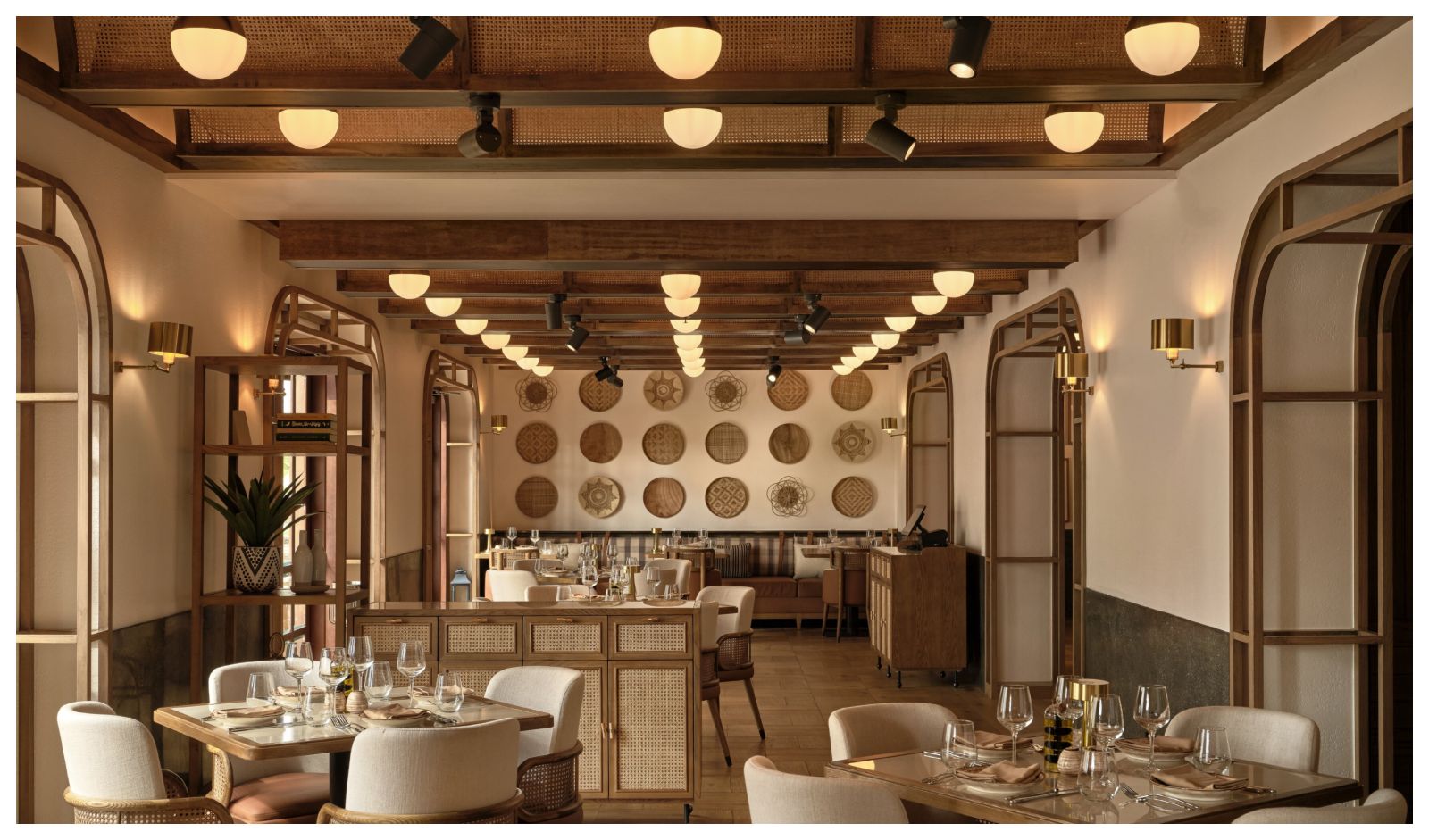
In the restaurant business, location is often as critical as the menu. A prime site can amplify visibility, footfall, and ultimately, revenue which help in maximizing the profits—while a poor choice can undermine even the best culinary concept leading to losses. As per the reports, around 60% of the revenue of restaurants is from malls, metros, airports and shopping complex in India.
Location as a Strategic Factor
The location of a restaurant or cafes or QSRs directly influences customer accessibility, brand perception, and operational feasibility. High-traffic areas such as malls, business districts, or popular neighborhoods can draw more spontaneous visits, but they come at a premium. Rent, utilities, and staffing costs are typically higher in prime spots, so operators must weigh visibility against overheads.
“High streets offer strong walk-in visibility, malls provide a controlled footfall environment, and highways allow us to cater to long-distance travelers and daily commuters. In residential-heavy areas, we prioritize delivery efficiency by analyzing demand clusters and ensuring optimal kitchen placement within a 3–5 km delivery radius,” expressed Kabir Jeet Singh, CEO and Co-Founder of Burger Singh.
Tips for Choosing the Right Spot
Understanding your target audience is essential. Mehr Anand (Co-founder), Saule-Kitchen & Bar said, “Are you catering to officegoers, families, tourists, or students? Match the location with their routines and preferences. For example, a fine-dining concept may thrive in an upscale neighborhood, while a quick-service restaurant fits better near transit hubs or college campuses.”
It is also important to evaluate foot traffic, parking availability, competition, accessibility, and even future area development plans. A comprehensive location analysis can prevent costly missteps.
“At Burger Singh, we follow a balanced framework that considers multiple parameters—store size, catchment demographics, competition density, façade quality, visibility from key access points, and overall accessibility,” added Kabir.
Commenting on the same, Nidhi Singh, Co-Founder, Samosa Singh pointed, “Identifying the prime location before opening of the stores is the key driver for the success of the outlet. Our product is an impulse-purchase product—where customers don’t always plan and come for dine-in—they are drawn towards the aroma of the freshly made samosas and live chaat counter to indulge in drooling chaats. That is why we do a very thorough analysis of the locations—high footfall, captive audience.”
Every locality comes with its own zoning laws, licensing requirements, and health & safety regulations. Restaurateurs must secure FSSAI licenses, health permits, fire safety certificates, and, in some regions, local municipal approvals before launching. Ignoring compliance can lead to delays, fines, or even shutdowns.
Brand Visibility: Aligning Strategy with Location and Audience
The location should not just fit your brand; it should inform your business strategy. “A restaurant in a corporate park might focus on weekday lunch specials, while one in a tourist area may offer extended hours and multilingual menus. Pricing, portion sizes, marketing channels—all should align with local demographics and behaviors,” added Mehr.
Explaining about differentiation of brands, Kabir shared, “In high-density markets, differentiation goes beyond just the product—it’s about delivering a cohesive and memorable experience. Consistency in food quality is fundamental, but what truly sets a brand apart is how the product is packaged, presented, and supported by the overall customer journey.Strong visual identity, storytelling-led branding, and locally resonant communication help create recall even when surrounded by competitors. Whether it’s through smart in-store design, impactful signage, or curated offers, visibility plays a key role.”
Nidhi said, “In fact, mall outlets often contribute a significant percentage of sales for brands like ours, thanks to higher visibility, impulse snacking, and built-in customer traffic.” Because in food, just like in life — being at the right place at the right time makes all the difference.
The Challenges Faced
One of the biggest challenges is balancing visibility with long-term operational viability. Choosing the perfect location is often hindered by budget constraints, lack of data, and evolving market dynamics. In saturated areas, differentiation is key. This could mean offering a unique cuisine, exceptional service, standout interiors, or a strong digital presence.
Talking about overcoming the challenges, Kabir mentioned, “To overcome this, brands should approach site selection with a structured checklist—considering not just rent, but also delivery potential, competition density, accessibility, and utility readiness. Adopting flexible formats that can work in compact spaces or high-delivery zones also helps maximize reach without being limited by traditional real estate norms.”
Hence, we can say that location isn’t just about geography; it’s about strategy. A well-chosen site, aligned with your audience and brand vision, sets the stage for long-term success in the competitive world of dining.
Vijetha Iyer
Content Editor
Working as a Content Editor with Restaurant India. I have worked in various sectors like food and beverage sector, chemicals, pharma, nutraceuticals, now specially focusing on restaurant side. But my core knowledge was always on content. Be it writing poems to verses, I always loved writing and have been exploring my career on the same. In Restaurant India, I deliver insightful stories, take interviews of various brands and update the audiences about the newest happenings in the restaurant industry.









































