
The Business of Sushi: How Restaurants Are Capitalising on World Sushi Day
Against this backdrop, World Sushi Day, celebrated on June 18, has evolved beyond a culinary tribute into a strategic business opportunity for restaurants to drive footfall, boost sales, and showcase innovative sushi offerings.

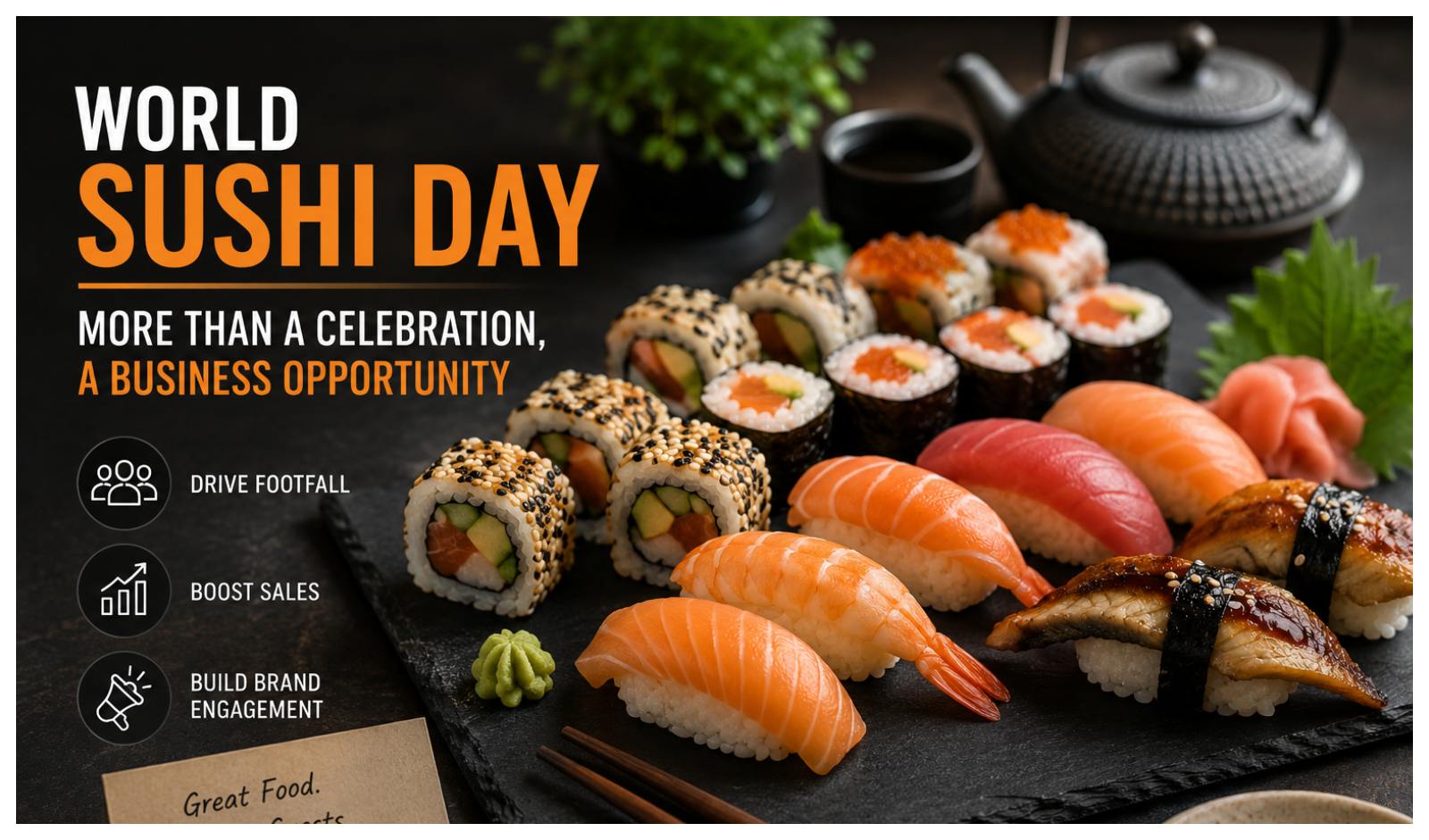
The growing global appetite for Japanese cuisine is reshaping restaurant menus and dining trends worldwide. Valued at USD 19.6 billion in 2025 and projected to reach USD 25.5 billion by 2033, the global Japanese restaurant market is being driven by consumers seeking healthier, premium, and globally inspired food experiences. Against this backdrop, World Sushi Day, celebrated on June 18, has evolved beyond a culinary tribute into a strategic business opportunity for restaurants to drive footfall, boost sales, and showcase innovative sushi offerings.
Why Sushi Day Matters
World Sushi Day celebrates one of Japan's most iconic culinary exports while encouraging diners to discover the richness of Japanese food culture beyond the sushi roll.
“For restaurants, World Sushi Day is an important occasion to create excitement through curated menus, limited-period specials, chef-led experiences, and digital campaigns. It also provides an opportunity to engage both loyal guests and first-time diners through storytelling and immersive dining experiences,” shared Chef Tenzin Khechok, Cluster Head Chef, Yazu Bangalore.
Whereas, At Supa San, that extends beyond the plate from the energy of an izakaya to design influences inspired by manga and modern Japan. “It is a chance to celebrate not just a dish, but an entire cultural experience,” added Chef Dayamani Pukrambam Singh, Executive Chef, Supa San.
Today's diners want sushi that stays true to tradition while embracing creativity and modern flavours.
Highlighting this, Keenan Tham, Founder & Managing Director, Pebble Street Hospitality said, “The focus remains on refined Japanese techniques and premium ingredients, while FOO brings a more playful and contemporary approach through creations such as the Truffle Togarashi Black Rice Maki, Foo Wild Salmon Uramaki, Shishito Charcoal Tempura Uramaki, and Peruvian Lobster Roll. This blend of tradition and creativity helps attract a broader audience while keeping the category exciting and relevant.”
Consumer awareness of Japanese cuisine has grown significantly over the past few years. What was once considered a niche category has steadily moved into the mainstream, with more diners embracing sushi and broader Japanese dining experiences.
“Five years ago, only 50 to 100 guests would try sushi or Japanese food in a month. Today, the demand has grown tremendously,” said Hitesh Keswani, MD & CEO, Aspect Hospitality. “Guests don’t just come for a dish—they come for a journey that brings together flavours, culture, storytelling, and hospitality.”
Emerging Trends Shaping Sushi Menus
Sushi menus are increasingly being shaped by plant-based offerings, sustainably sourced seafood and premium omakase experiences. Restaurants are also embracing regional fusion flavours, casual formats such as sushi bowls and hand rolls and delivery-friendly options to meet evolving consumer preferences.
“We’re also seeing growing interest in ingredient-led dining, sustainable sourcing, vegetarian sushi and contemporary Asian interpretations that make Japanese cuisine more approachable while respecting its roots.”
Singh noted, “Sushi often serves as the entry point, but guests stay to explore a wider world of Japanese flavours, drinks, and experiences. At Supa San, our izakaya format and manga-inspired aesthetic help create an environment that feels immersive, social, and memorable, encouraging guests to return beyond a single occasion.”
Today, India has more than 8,100 Asian restaurants, underscoring the rising demand for cuisines such as Japanese, Chinese, Thai, Korean and Vietnamese. Maharashtra accounts for nearly 12% of these outlets, reflecting the growing appetite for Pan-Asian dining experiences among Indian consumers.
“Consumers increasingly seek premium, lighter, and experience-driven dining options, making Japanese cuisine a strong year-round category. Its versatility allows restaurants to cater to a wide range of occasions from casual social dining to elevated culinary experiences,” shared Tham.
As Japanese cuisine continues to gain mainstream appeal, sushi has evolved from a niche offering into a key growth driver for restaurants. From premium omakase experiences and sustainable sourcing to inventive fusion creations, the category is adapting to changing consumer preferences while staying rooted in tradition. For operators, World Sushi Day is no longer just a celebration of a beloved dish—it is an opportunity to showcase innovation, attract new diners, and strengthen the growing business of Japanese cuisine.
Vijetha Iyer
Content Editor
Working as a Content Editor with Restaurant India. I have worked in various sectors like food and beverage sector, chemicals, pharma, nutraceuticals, now specially focusing on restaurant side. But my core knowledge was always on content. Be it writing poems to verses, I always loved writing and have been exploring my career on the same. In Restaurant India, I deliver insightful stories, take interviews of various brands and update the audiences about the newest happenings in the restaurant industry.









































