The Business of Seasonal Fasting Menus
The business opportunity, therefore, lies in treating fasting food as more than a temporary menu addition.

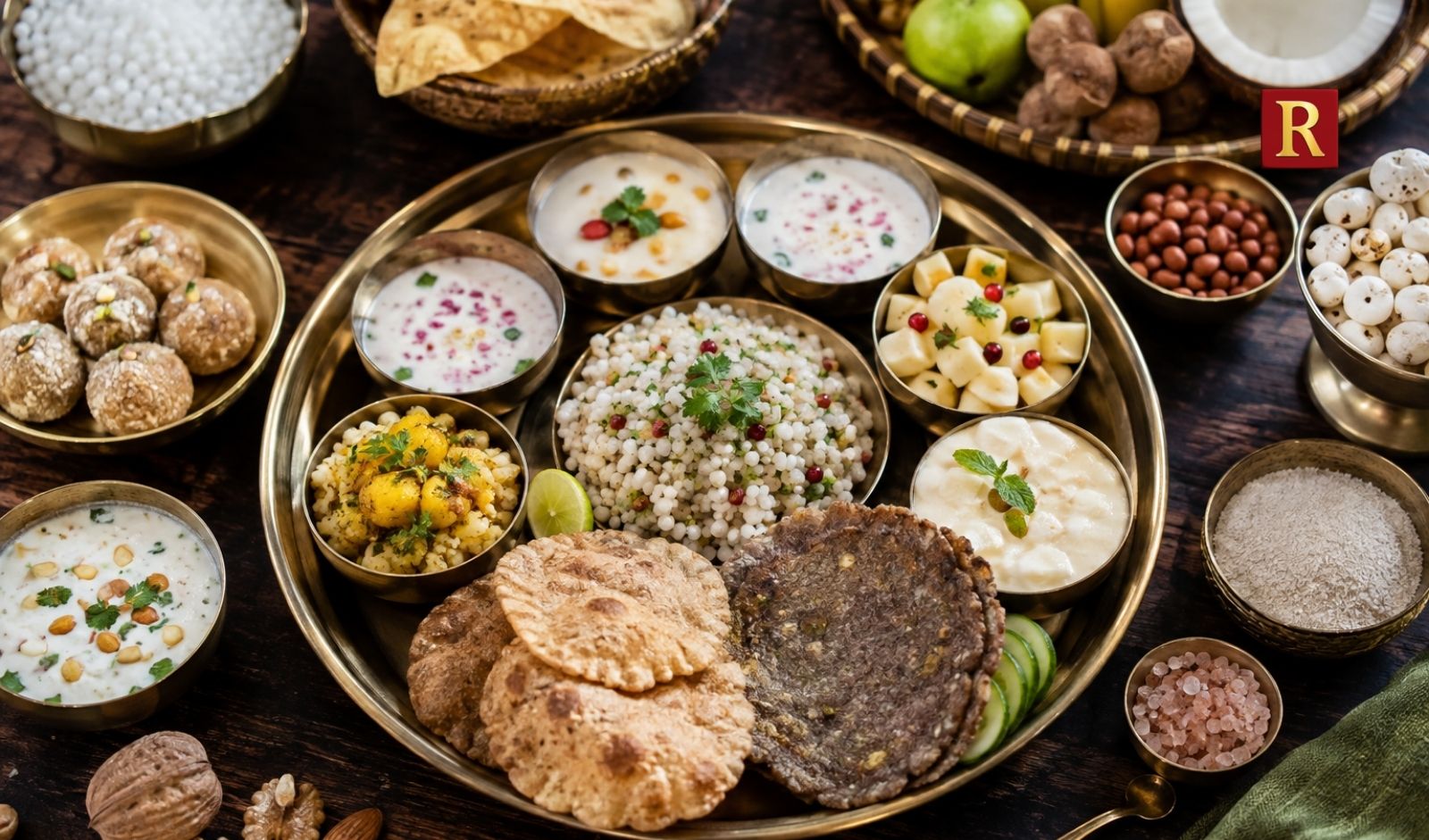
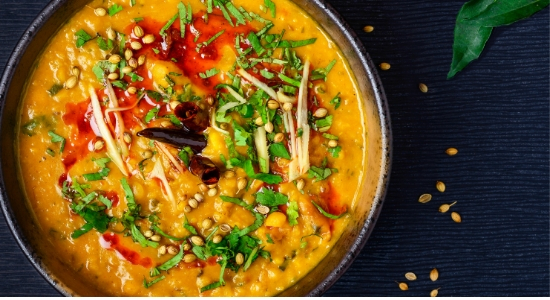
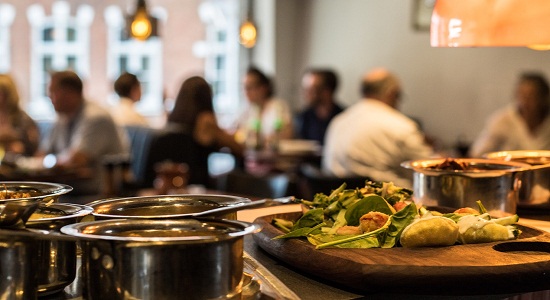
Fasting food is becoming a distinct seasonal opportunity for restaurants in India. During Navratri, Sawan, Maha Shivratri, and other fasting periods, customers actively seek meals that align with their dietary practices. For restaurants, this creates a clear business opportunity. A limited-period fasting menu can bring new customers, increase order value, and create demand for a short, predictable period. The opportunity, however, is not simply about adding sabudana khichdi to the menu. Restaurants are creating complete vrat thalis, meal boxes, desserts, and contemporary dishes using ingredients such as kuttu, samak, singhara, sabudana, and makhana.
Fasting Is Becoming a Restaurant Occasion
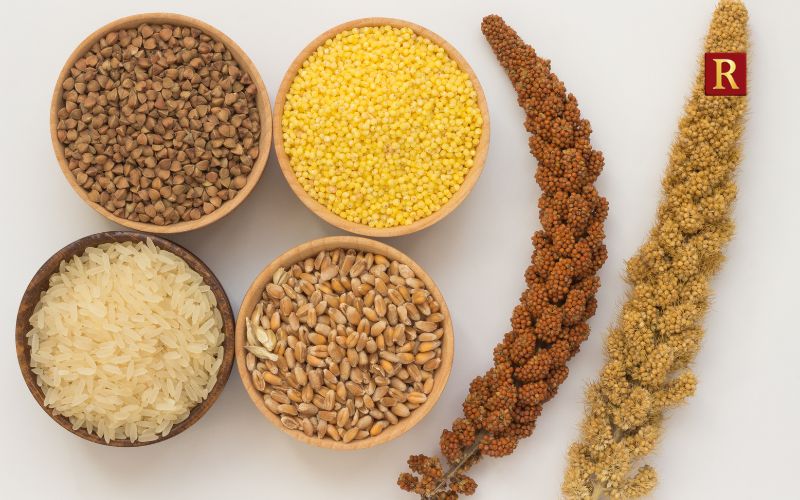
India has several fasting traditions, and the food rules can vary between communities and households. Commonly used fasting ingredients include fruits, dairy, sabudana, buckwheat, barnyard millet and water chestnut flour. Sendha namak is also commonly used in many vrat preparations.
This creates a different kind of restaurant demand. A customer observing a fast may not want to search through an entire menu to identify suitable dishes. They want clarity. They want convenience. They also want food that still feels like a proper meal. That is where a dedicated seasonal menu becomes useful. Instead of selling one fasting dish, restaurants can create a complete dining occasion around the festival.
The Vrat Thali Is a Strong Business Format
The thali gives restaurants a simple way to bundle several dishes into one purchase. A fasting thali can include a main dish, vrat bread, vegetable preparation, raita, dessert and a beverage. It can also be offered in different sizes. Current delivery listings in Delhi show how varied this category has become. Swiggy's vrat-thali listings include products such as Navratri Mini Thali at Rs 249, Navratri Vrat Aahar Thali at Rs 279, Navratri Vrat Thali at Rs 399, Mahashivratri Thali at Rs 499 and Navratri Deluxe Thali at Rs 599. These are individual market listings, not an industry-wide price average. But they show an important point: fasting food can be positioned across multiple price levels.
Restaurants can therefore create:
- Value meals for price-conscious customers
- Standard thalis as the main product
- Premium thalis for dine-in and hotel customers
- Family packs for group orders
- Single-serve boxes for office and delivery customers
The Ingredient Basket Changes
A seasonal fasting menu also changes how a kitchen plans procurement. Regular menus may depend heavily on wheat, rice and pulses. A vrat menu shifts demand towards ingredients such as buckwheat flour, water chestnut flour, barnyard millet, tapioca pearls, fox nuts, potatoes, sweet potatoes, dairy and nuts. This means procurement has to be planned carefully. Restaurants need to estimate how much of each ingredient they can sell during the festival. Overstocking can create waste after the season ends. Under-ordering can lead to shortages during peak demand.
The best approach is to begin with a focused menu rather than dozens of fasting dishes. A restaurant could use samak in two or three preparations, for example. Makhana can appear in a snack, curry or dessert. This improves ingredient utilisation and reduces the number of separate products the kitchen needs to manage.
The Real Opportunity Is Menu Engineering
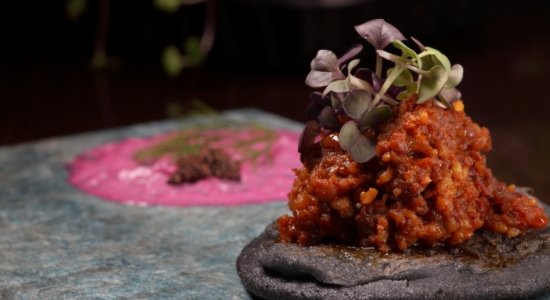
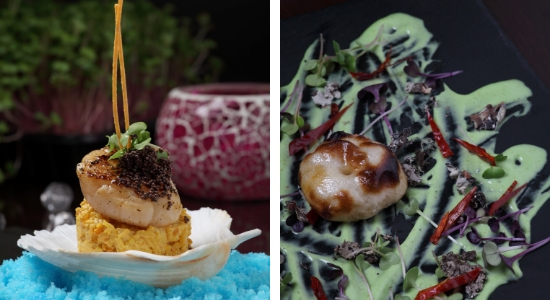
Fasting food does not have to remain limited to traditional home-style preparations. Restaurants are already experimenting with contemporary presentations. Recent Navratri coverage from Delhi-NCR has highlighted dishes that use familiar fasting ingredients in newer formats, alongside traditional vrat preparations.
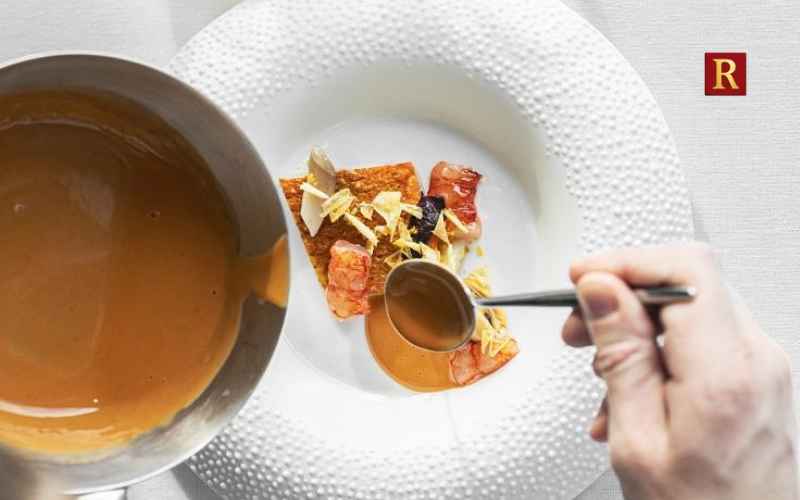
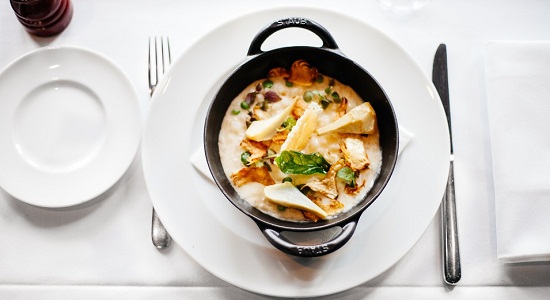
This creates room for premiumisation. Makhana can become a plated appetiser. Sweet potato can be turned into a more refined chaat. Samak can move beyond basic khichdi. Rajgira can be used in desserts. The important part is to retain the identity of the ingredient. The customer should still understand what they are eating. The strongest approach is often traditional ingredients with modern technique, rather than changing the dish so much that its connection with fasting becomes unclear.
Convenience Is Part of the Product
For many customers, the biggest value of a restaurant fasting menu is not novelty. It is convenience. A working professional may not have time to prepare a separate vrat meal. A family may need food for several people. Someone living away from home may want a familiar festive meal without cooking. This creates a strong delivery opportunity.
Restaurants can introduce:
- Individual vrat meal boxes
- Couple combos
- Family thalis
- Office fasting lunches
- Festival dessert boxes
- Pre-booked multi-day meal plans
A nine-day Navratri meal plan, for example, could allow customers to order meals in advance. For the restaurant, advance orders can also make demand forecasting easier.
Pricing Needs More Than a Food-Cost Calculation
A fasting menu should not be priced simply by comparing the cost of kuttu flour with wheat flour. The restaurant needs to consider the full cost structure.
This includes: Ingredient cost + labour + packaging + wastage + platform charges + marketing + overheads + target margin
Suppose a restaurant sells a Rs 499 fasting thali.
If it sells 100 thalis a day for nine days, gross sales would be: 100 × Rs 499 × 9 = Rs 4,49,100
This is only an illustration. It is not a profit figure. Actual earnings would depend on food cost, staff expenses, discounts, delivery commissions, packaging and wastage. Still, the calculation shows why a short seasonal window can become commercially meaningful when the menu has strong demand.
Authenticity Can Decide Whether Customers Return
There is an important difference between a dish being marketed as “fasting-friendly” and actually explaining what goes into it. Fasting practices are not identical everywhere. One customer may follow a stricter set of rules than another.
Restaurants should therefore clearly state:
- Flour used
- Salt used
- Whether onion and garlic are included
- Dairy ingredients
- Cooking method
- Major allergens
- Any ingredients that may vary by preparation
This transparency is especially important for delivery orders, where customers cannot ask a server before placing an order. Restaurants should also avoid treating “vrat”, “sattvik” and “healthy” as interchangeable terms. They can overlap, but they do not mean exactly the same thing in every food tradition.
The Kitchen Has to Change Too
A seasonal menu can create operational problems if it is launched without proper planning. Staff need to know which dishes belong to the fasting menu. Ingredients need to be stored correctly. Preparation areas and utensils need to be managed according to the restaurant's food-safety procedures. FSSAI requires food businesses to follow food-safety and hygiene systems, including documented food safety management practices and Good Hygiene Practices.
FSSAI's Hygiene Rating Scheme also covers food-service establishments such as restaurants, cafés and dhabas. The scheme is designed to encourage better hygiene standards and help consumers make informed choices. This matters for seasonal menus because a special religious or festive menu should not mean relaxed kitchen standards.
Digital Discovery Can Drive Seasonal Sales
The menu also needs to be easy to find.
Restaurants can create dedicated listings around terms such as:
- Vrat thali
- Navratri thali
- Fasting food
- Sawan food
- Mahashivratri thali
- Sattvik food
- Vrat food delivery
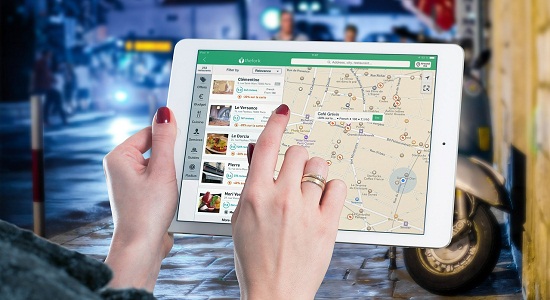
The presence of dedicated vrat-thali categories and multiple fasting products on delivery platforms shows that customers can now discover these meals as a separate food occasion. Restaurants can support this with clear menus on Google, delivery platforms, websites, Instagram and WhatsApp ordering channels.
A Larger Strategy
The biggest lesson from fasting menus goes beyond Navratri or Sawan. Restaurants can use the same model for other predictable food occasions.
The basic formula is simple: Known occasion + specific customer need + limited period + focused menu + clear pricing
Fasting menus work because they combine all five. For restaurant operators, the goal should not be to launch the largest possible menu. It should be to create a focused menu that customers understand, kitchens can execute and the business can measure. That means tracking sales, average order value, best-selling dishes, food cost, wastage, delivery performance and repeat orders. Sawan 2026, which runs from July 30 to August 28, is another example of how a defined seasonal period can create repeated fasting occasions, particularly around Somwar observances. The business opportunity, therefore, lies in treating fasting food as more than a temporary menu addition. It is a case study in occasion-led menu engineering: understanding when customers have a specific need, designing a product around that need, and making it easy to order. For restaurants, that can turn a short festival window into a carefully planned seasonal revenue stream without losing the cultural identity that makes the food relevant in the first place.
Saptopriya Ghosal
Feature Writer
I am a dedicated media professional with a bachelor's degree in mass communication from the State University of Calcutta and a postgraduate degree from Amity University. My academic journey has equipped me with a profound understanding of storytelling and communication. Passionate about the dynamic world of media, I continually strive to explore new ways to engage and inform through compelling narratives.