The Business of Limited-Edition Alcohol Bottles
The smartest limited editions will therefore be the ones where the reason for the limitation is as compelling as the bottle itself.

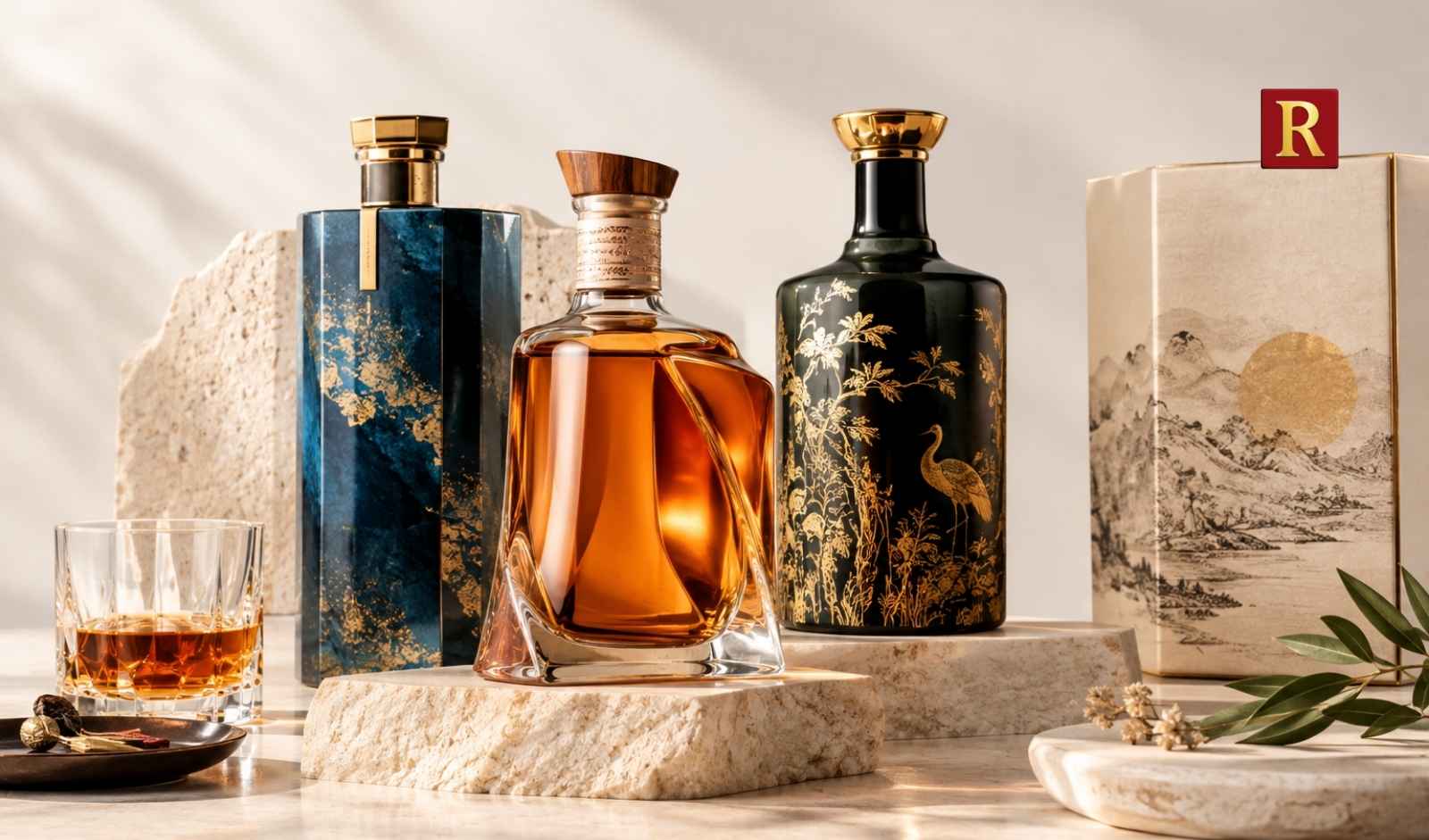
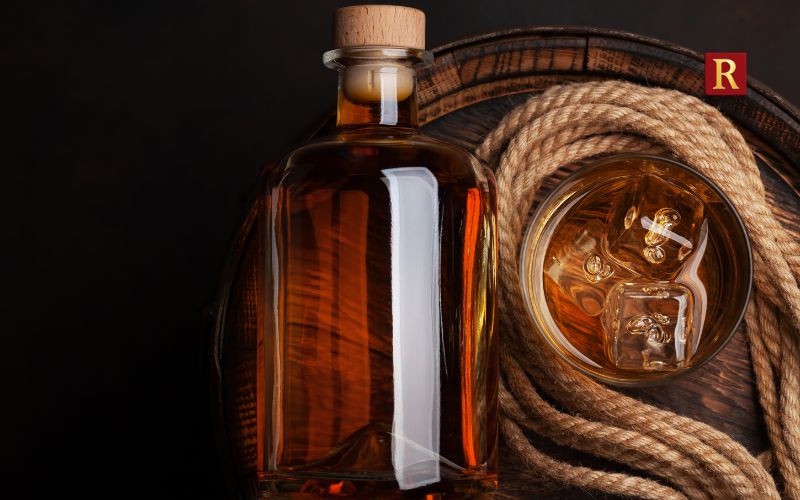
A limited-edition alcohol bottle is no longer just a smaller production run. For premium spirits brands, it can be a way to create a stronger story around the liquid, attract collectors and make the bottle itself part of the product. This is especially visible in whisky. Brands are experimenting with rare casks, numbered releases, artist collaborations, special packaging and destination-exclusive bottles. In July 2026, for example, Maker’s Mark launched an airport-exclusive artist series featuring city-inspired labels for destinations including Delhi and Mumbai. The strategy is simple: make the release different enough that consumers have a reason to notice it, buy it and, in some cases, keep it.
From Drinking Product to Collectible Object
Traditional alcohol packaging has one main job: protect and present the drink. Limited editions add another layer. The bottle becomes part of the experience. A special release may have a different glass design, a numbered label, a custom box or an unusual closure. In more expensive releases, the packaging can become almost as elaborate as the spirit itself.
The shift is clear in the high-end whisky market. At the 2025 Distillers One of One auction, 39 one-of-a-kind whisky bottles collectively raised £2.3 million. Several bottles were designed as art objects, with their presentation playing an important role in the auction story. That changes the economics of the bottle. A standard bottle is mainly competing on liquid, brand and price. A limited edition can compete on liquid, rarity, design, story and cultural relevance.
Scarcity Is a Business Tool
The word "limited" only works when the limitation has meaning. There are several ways brands can create scarcity.
A release can have:
- A fixed number of bottles
- A specific cask
- A unique maturation process
- A short sales period
- A particular geographical market
- A collaboration with an artist
- A commemorative purpose
- Individually numbered bottles
These are not identical strategies. A 10,000-bottle seasonal release creates a different perception from a 100-bottle single-cask release. A one-of-one bottle sits at an entirely different level. Sotheby's notes that rarity, quality, provenance, packaging, production quantity and historical significance can all influence the desirability of collectible whisky. This is why simply putting a "Limited Edition" label on an ordinary product may not be enough.
The Bottle Can Become a Marketing Channel
One of the most interesting changes is what happens after the bottle is sold. A distinctive bottle can appear in a home bar, on social media, in an unboxing video or inside a collector's display cabinet. The consumer becomes part of the brand's communication.
That gives packaging a second life. A 2026 example is Maker's Mark's City Edition Artist Series. The brand worked with artist Alexandra Pacula on labels inspired by cities including Delhi, Mumbai, Paris, London and Seoul. The bottles are available through selected airports and are positioned as items consumers can collect across their travels. The idea is clever because the purchase is connected to a memory. A traveller may not simply remember buying bourbon. They may remember finding a particular city edition at an airport.
When Artists Enter the Bottle
Artist collaborations have become one of the most visible forms of limited-edition spirits marketing. The reason goes beyond aesthetics. An artist brings an existing cultural language and audience. The alcohol brand can then enter a different creative space.
1800 Tequila, for example, has built its Essential Artists Series around collaborations with artists. Its 2025 series featured six limited-edition bottles designed by Mexican multimedia artist Raúl de Nieves. Industry coverage has highlighted how such collaborations can help spirits brands connect with audiences outside traditional alcohol consumers. The strongest collaborations do not simply place artwork on a label. They create a connection between the brand, artist and liquid. That distinction matters. A beautiful bottle may attract attention once. A meaningful story can give consumers a reason to remember the brand.
India Has a Strong Opportunity
India's premium spirits market makes this strategy particularly relevant. Indian single malts have created a new space for brands to talk about provenance, maturation, craftsmanship and local identity. Rampur, for instance, has collections built around different maturation and cask approaches, including its Jugalbandi range. The brand describes the collection through the idea of two musical traditions coming together, connecting the whisky with an Indian cultural concept.
Another striking example is Godawan 173. The Collector's Edition was limited to 173 bottles, with each bottle priced at ₹5 lakh. The number was linked to the reported recovery of the Great Indian Bustard population from 100 to 173. The whisky was also finished in Asha Liqueur Casks and matured for more than nine years across three types of casks. This illustrates an important point. The product is not being sold on scarcity alone. The number, production method and story are connected. That makes the edition easier to understand as a premium product.
What Makes a Bottle Collectible?
Not every limited-edition bottle becomes collectible. A useful way to assess one is through seven factors:
1. Quantity: How many bottles were made?
2. Quality: Is the liquid genuinely distinctive?
3. Provenance: Can its origin and history be verified?
4. Packaging: Does the bottle have meaningful design value?
5. Context: Why was the edition released?
6. Collaboration: Is there a credible artist, designer or cultural partner?
7. Cultural relevance: Does the release represent something consumers may remember?
These factors matter because rarity by itself has limits. A bottle that is difficult to find but has little demand is not automatically valuable.
The Secondary Market Adds Another Layer
Some limited spirits eventually enter auction markets. That creates a second economy beyond the original retail sale. Sotheby's has sold rare spirits for substantial sums. Its record for the Macallan Fine & Rare 60 Year Old 1926 stands at £1.5 million, while The Ultimate Whisky Collection achieved around £7 million in total auction sales. But these figures should not be interpreted as a guarantee that every limited-edition bottle will appreciate. Auction value depends on several factors, including rarity, condition, provenance, brand reputation and collector demand. This is where brands need to be careful with the investment narrative. Limited edition does not automatically mean investment. For many consumers, the real value may simply be ownership, design, taste or the story behind the release.
The Cost of Making Something Rare
There is also a less glamorous side to the strategy. Small production runs can be expensive. A custom bottle requires specialised manufacturing. A bespoke box adds material and production costs. Artist collaborations involve creative fees. Special closures, labels and finishing can increase unit costs. Industry packaging experts have pointed out that producing a one-bottle special can involve costs that do not fall proportionately just because the production volume is small.
- That creates an important business question: Can the additional price cover the additional cost while still creating enough perceived value for the consumer?
- The answer depends on execution.
The Next Stage: Collecting the Story
The most interesting opportunity may not be a single limited-edition bottle. It may be the collection. Brands can create a sequence of releases where each bottle adds another chapter. Consumers who buy the first edition have a reason to watch for the second. This can support repeat purchases and stronger brand loyalty. Digital technology can add another layer. Smart packaging, QR codes and authentication features are increasingly being explored in alcohol packaging, including for provenance and consumer engagement. A numbered bottle could therefore lead consumers to a digital record showing its batch, cask, production details and release story. The bottle becomes both a physical object and an entry point into the brand.
The Real Business of Limited Editions
The strongest limited-edition alcohol bottles are not successful because they are simply rare. They work because scarcity is supported by substance. A distinctive liquid gives the release credibility. Strong design makes it visible. A meaningful story gives it context. Limited production creates urgency. Provenance supports trust. And cultural relevance can make the bottle memorable long after the drink is finished. That is why the future of premium spirits may involve more than selling a better drink. It may involve creating an object that consumers want to experience, display, remember and collect. For brands, the opportunity is significant. But so is the responsibility. If every bottle is called rare, rarity loses meaning. If every collaboration is called exclusive, exclusivity becomes ordinary. The smartest limited editions will therefore be the ones where the reason for the limitation is as compelling as the bottle itself.
Saptopriya Ghosal
Feature Writer
I am a dedicated media professional with a bachelor's degree in mass communication from the State University of Calcutta and a postgraduate degree from Amity University. My academic journey has equipped me with a profound understanding of storytelling and communication. Passionate about the dynamic world of media, I continually strive to explore new ways to engage and inform through compelling narratives.