
The Business of Broths: How Bone Broth and Functional Soups Became India's Next Big F&B Bet
In today's hospitality industry, broths are no longer just the foundation of great cooking—they are becoming the foundation of smart business growth.

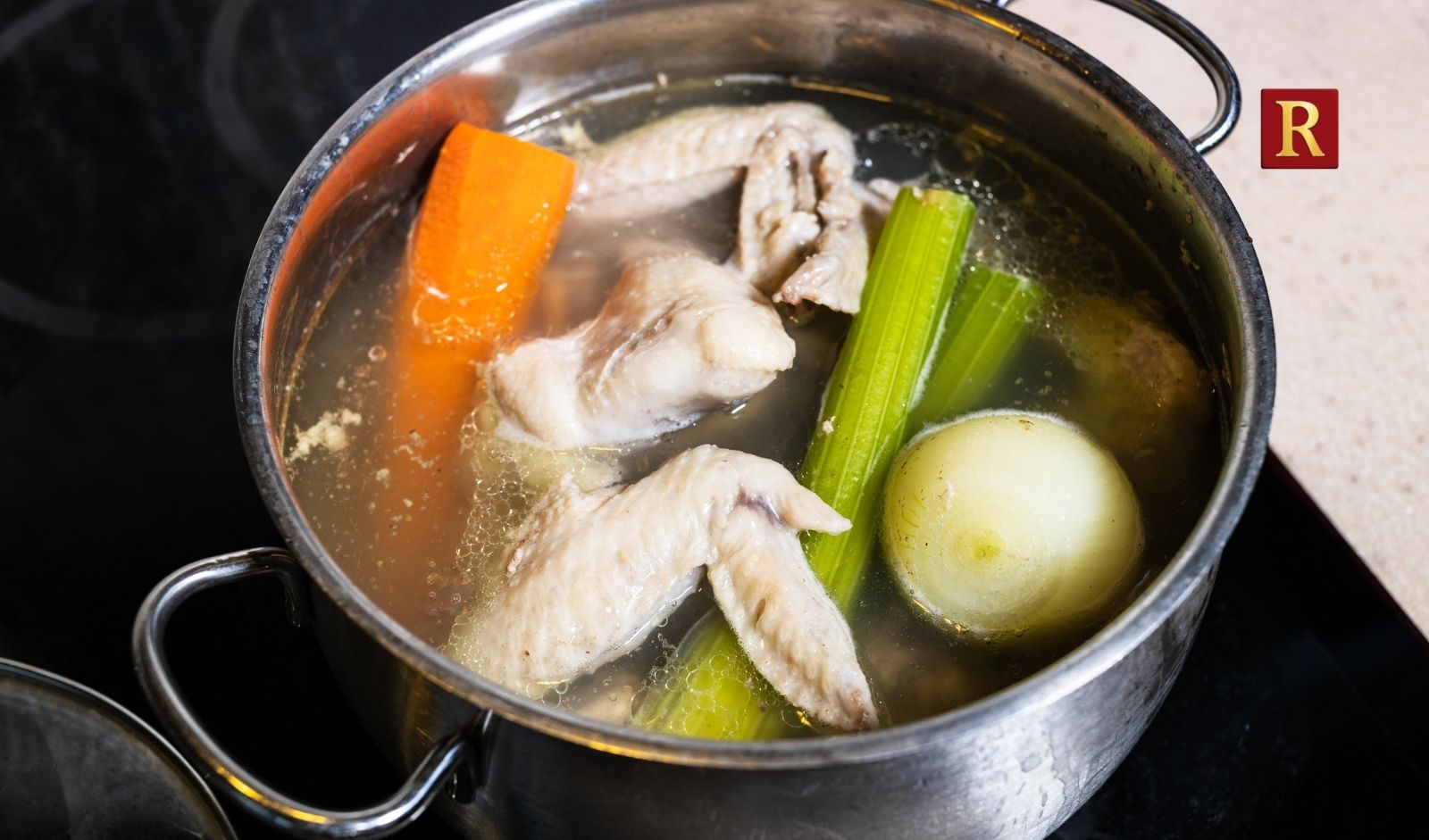
For years, soups were seen as a simple starter served before the main course. Today, they are becoming one of the most versatile and profitable menu categories for restaurants, cafés, cloud kitchens, and packaged food brands. Consumers are looking for meals that are healthy, filling, and easy to enjoy, whether dining in, ordering online, or buying ready-to-eat products.
This shift is creating new opportunities for the foodservice industry. Premium broths, protein-rich soups, regional recipes, and globally inspired bowls are attracting customers who want comfort without compromising on nutrition. At the same time, soups help restaurants reduce food waste, improve kitchen efficiency, and introduce high-margin menu items. The global bone broth market alone was valued at approximately USD 1.21 billion in 2025 and is projected to reach USD 2.04 billion by 2034, reflecting growing demand for functional foods and convenient meal options. This trend shows that soups are no longer seasonal favorites—they are becoming a serious business opportunity.
Why Soup Is Becoming a Complete Meal
Consumer eating habits have changed significantly over the last few years. Busy schedules, remote work, and greater awareness of healthy eating have increased demand for meals that are quick, satisfying, and nutritious.
Soup fits this need perfectly.
Many restaurants now serve soups with grains, noodles, beans, lentils, vegetables, or lean proteins, turning them into complete meals instead of light appetizers. A bowl of ramen, pho, shorba, or lentil soup can provide carbohydrates, protein, fiber, and vegetables in one serving. This shift has also influenced delivery platforms. Soups travel well when packed correctly, making them a practical option for online food delivery. They are easy to portion, maintain quality during transport, and appeal to customers looking for lighter lunch or dinner choices.
Wellness Is Driving Demand
Health-conscious consumers are paying more attention to what goes into their food. Instead of simply counting calories, many are looking for meals that offer nutritional value. This is where broths and soups have gained popularity.
Restaurants are introducing recipes featuring ingredients such as turmeric, ginger, garlic, mushrooms, spinach, lentils, moringa, and seasonal vegetables. Bone broth has also gained attention because it is naturally rich in protein and is often associated with collagen and amino acids, although health benefits vary depending on preparation and ingredients. Plant-based soups are growing as well. Chickpea soup, pumpkin soup, roasted tomato soup, and mushroom barley soup appeal to consumers following vegetarian or vegan diets. The growing functional food market has encouraged brands to create soups that focus on protein, fiber, low sodium, clean labels, and minimally processed ingredients.
A Smart Business Opportunity for Restaurants
Beyond consumer demand, soups make strong business sense. One reason is ingredient utilization. Vegetable peels, herb stems, roasted bones, mushroom stalks, and leftover roasted vegetables can all contribute to flavorful stocks when handled safely. Instead of discarding these ingredients, kitchens can transform them into high-quality broths that become the base for multiple dishes. This approach supports food cost management while reducing kitchen waste.
Soups are also suitable for batch cooking. Large quantities can be prepared efficiently, improving consistency and reducing labor during service hours. From a menu engineering perspective, soups often deliver attractive margins because they combine affordable ingredients with strong perceived value. Adding artisan bread, premium toppings, specialty oils, or imported cheese can increase the average selling price without dramatically increasing production costs.
Premium Soups Are Changing Consumer Expectations
The soup category is moving beyond simple tomato or sweet corn recipes. Customers are willing to pay more for soups prepared with slow-cooked stocks, locally sourced vegetables, premium mushrooms, seafood, specialty herbs, or traditional cooking methods.
Restaurants are responding by introducing dishes such as:
- Wild mushroom cappuccino soup
- Roasted pumpkin soup with toasted seeds
- Lobster bisque
- French onion soup
- Truffle-infused mushroom soup
- Slow-cooked chicken yakhni
Presentation has also become important. Beautiful ceramic bowls, fresh herbs, flavored oils, edible flowers, and handcrafted bread create a more premium dining experience while encouraging customers to share photos on social media.
Global Flavors Are Inspiring Modern Menus
International cuisines have expanded consumer expectations. Today, diners are familiar with broths from different parts of the world and actively seek authentic flavors.
Popular examples include:
- Japanese ramen
- Vietnamese pho
- Thai tom yum
- Korean yukgaejang
- Italian minestrone
- French onion soup
- Mexican tortilla soup
Indian restaurants are also reinventing traditional soups. Regional favorites like rasam, mulligatawny, yakhni, shorba, and Himalayan thukpa are being presented with modern ingredients and premium plating while preserving their original flavors. This balance between tradition and innovation allows restaurants to appeal to both younger customers and those seeking familiar comfort foods.
Soups Support Sustainable Kitchen Operations
Sustainability has become an important consideration across the hospitality industry. Broths naturally encourage ingredient optimization because they make use of components that might otherwise go unused. Many professional kitchens prepare a master stock that becomes the foundation for soups, sauces, risottos, braised dishes, and gravies. This cross-utilization reduces inventory complexity while improving consistency across the menu.
Seasonal soups also support local sourcing. During winter, restaurants can highlight pumpkin, carrots, mushrooms, and root vegetables. In summer, chilled cucumber or tomato-based soups make use of fresh seasonal produce. Rotating seasonal menus also keep customers interested while helping restaurants manage ingredient availability.
Ready-to-Drink Broths Are Expanding the Market
The soup business is no longer limited to restaurants. Retail shelves now feature ready-to-drink broths, frozen soups, refrigerated soups, concentrated stocks, and meal-prep options. Consumers appreciate products that require little preparation while still offering homemade flavors.
This has opened opportunities for cloud kitchens and food brands to create packaged soups for office workers, fitness enthusiasts, students, and families. Single-serve packaging, microwave-friendly containers, and insulated takeaway cups have further increased convenience. Many cafés have even added premium soup-and-sandwich combinations to encourage higher average order values during lunch hours.
The Indian Market Has Significant Potential
India has a long tradition of broth-based and soup-like dishes.
- From rasam in South India to Kashmiri yakhni and Tibetan-inspired thukpa in the Himalayas, regional recipes already provide a strong foundation for innovation.
- Modern restaurants are building on these traditions by introducing ingredients such as millets, quinoa, moringa, beetroot, spinach, and roasted vegetables.
- Consumers are also showing greater interest in lighter meals that fit into busy lifestyles without sacrificing flavor.
As urban professionals increasingly prioritize wellness and convenience, soups have become suitable for breakfast, lunch, evening snacks, and dinner. This flexibility allows restaurants to expand sales throughout the day instead of limiting soup to dinner service.
The Future!
The growing popularity of soups reflects larger changes in the food industry. Consumers want meals that combine nutrition, convenience, comfort, and quality. Restaurants, meanwhile, are looking for menu items that improve efficiency, reduce waste, and deliver strong profitability. Soups meet all of these goals.
Whether it is a premium bone broth, a regional shorba, a plant-based vegetable soup, or an internationally inspired ramen bowl, the category continues to evolve with changing consumer preferences. For restaurants and food businesses, the opportunity extends beyond adding another starter to the menu. A thoughtfully developed soup program can strengthen menu diversity, improve kitchen operations, support sustainability goals, and create new revenue streams throughout the year. In today's hospitality industry, broths are no longer just the foundation of great cooking—they are becoming the foundation of smart business growth.
Saptopriya Ghosal
Feature Writer
I am a dedicated media professional with a bachelor's degree in mass communication from the State University of Calcutta and a postgraduate degree from Amity University. My academic journey has equipped me with a profound understanding of storytelling and communication. Passionate about the dynamic world of media, I continually strive to explore new ways to engage and inform through compelling narratives.



































































































































































